MindMap Gallery MindMap: Parkinson’s Disease
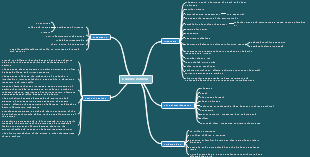
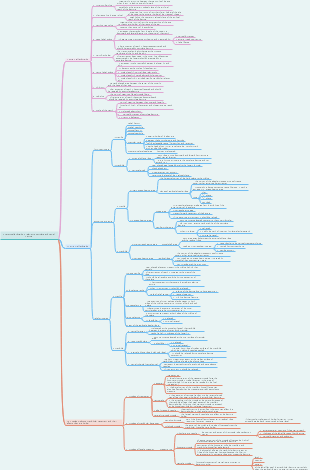
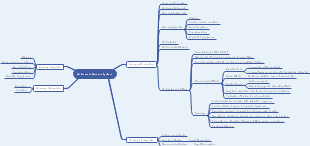
The Parkinson's Disease mind map showcases the disease's appearance across multiple disciplines. In the field of neurology, experts study neurological disorders to diagnose diseases. Speech therapy targets patients' language and communication issues and restores function through training. Physical and occupational therapy help restore physical function and enable patients to better complete daily activities. Psychiatry provides psychological support for patients with mental symptoms. Nutritionists solve the dietary problems of patients with swallowing difficulties. Palliative treatment alleviates the pain of late stage patients. Pathophysiology and etiology study the pathogenesis and provide a basis for treatment.
Edited at 2025-04-13 20:50:59MindMap: Parkinson’s Disease
Referrals
Neurology (specialist in movement disorders) Speech Therapy Physical and Occupational Therapy Psychiatry (addressing depression and hallucinations) Nutritionist (for swallowing difficulties) Palliative Care (for advanced stages)
Pathophysiology & Etiology
Pathophysiology
Parkinson's disease is a relentless and progressive neurodegenerative disorder characterized by the gradual loss of dopaminergic neurons in the substantia nigra pars compacta. This deterioration leads to a depletion of dopamine within the basal ganglia, disrupting the finely tuned balance of motor control and giving rise to its characteristic motor symptoms.
Etiology
Idiopathic origins reign, intertwined with genetic mutations like LRRK2, PARK7, SNCA, PINK1, and PRKN. The intricate tapestry is further woven with environmental toxins such as pesticides and heavy metals. At the heart of the etiology lie oxidative stress and mitochondrial dysfunction, emerging as pivotal elements (Lill, 2016).
Signs and Symptoms
MOTOR
Resting tremor, reminiscent of an ethereal pill-rolling dance, Bradykinesia, a poised yet deliberate fluidity, Muscle rigidity, an unwavering resolve, Postural instability, a momentary equilibrium on uncertain ground.
NON-MOTOR
Cognitive decline in advanced dementia unfolds alongside deep-seated depression and anxiety. The presence of sleep disturbances, including REM behavior disorder, adds layers of complexity to this experience. Autonomic dysfunction is evident through symptoms such as orthostatic hypotension, constipation, and urinary incontinence. Moreover, hyposmia signifies a notable reduction in the sense of smell (Kalia & Lang, 2015).
️ Risk Factors
Age exceeding 60 Male gender A familial lineage of Parkinson's disease Exposure to pesticides and herbicides A past history of traumatic brain injury Residence in rural areas, indicating environmental exposure (Ascherio & Schwarzschild, 2016)
REFERENCES
Armstrong, M. J., & Okun, M. S. (2020). Diagnosis and treatment of Parkinson disease: A review. JAMA, 323(6), 548–560. https://doi.org/10.1001/jama.2019.22360
Ascherio, A., & Schwarzschild, M. A. (2016). The epidemiology of Parkinson’s disease: Risk factors and prevention. The Lancet Neurology, 15(12), 1257–1272. https://doi.org/10.1016/S1474-4422(16)30230-7
DeMaagd, G., & Philip, A. (2015). Parkinson’s disease and its management: Part 1: Disease entity, risk factors, pathophysiology, clinical presentation, and diagnosis. Pharmacy and Therapeutics, 40(8), 504–532.
Gonzalez-Latapi, P., Cordon, I., & Espay, A. J. (2021). Emerging gene therapies for Parkinson's disease. Current Neurology and Neuroscience Reports, 21(7), 30. https://doi.org/10.1007/s11910-021-01105-z
Hughes, L. E., Altena, E., Barker, R. A., & Rowe, J. B. (2020). Compensatory activity in the frontoparietal network supports executive control in aging and Parkinson's disease. Cortex, 132, 334–348. https://doi.org/10.1016/j.cortex.2020.08.017
Kalia, L. V., & Lang, A. E. (2015). Parkinson’s disease. The Lancet, 386(9996), 896–912. https://doi.org/10.1016/S0140-6736(14)61393-3
Lubomski, M., Tan, A. H., Lim, S. Y., Holmes, A. J., & Davis, R. L. (2022). Parkinson’s disease and the gastrointestinal microbiome. Journal of Neurology, 269(3), 1294–1312. https://doi.org/10.1007/s00415-021-10668-0
Magrinelli, F., Bet, A., Perani, D., Zangaglia, R., & Antonini, A. (2022). Early diagnosis of Parkinson's disease: Clinical and imaging evidence. Neurological Sciences, 43(6), 3521–3532. https://doi.org/10.1007/s10072-022-06245-9
Mortiboys, H., Aasly, J., & Bandmann, O. (2021). Ursocholanic acid and mitochondrial rescue in Parkinson's disease. Movement Disorders, 36(5), 1180–1188. https://doi.org/10.1002/mds.28496
Pagano, G., Taylor, K. I., Anzures-Cabrera, J., et al. (2022). Trial of prasinezumab in early-stage Parkinson’s disease. Nature Medicine, 28(2), 301–308. https://doi.org/10.1038/s41591-021-01646-8
Schweitzer, J. S., Song, B., Herrington, T. M., et al. (2020). Personalized iPSC-derived dopamine progenitor cells for Parkinson’s disease. New England Journal of Medicine, 382(20), 1926–1932. https://doi.org/10.1056/NEJMoa1915872

️ Systemic Impact
Neurological: Progressive cognitive decline, dementia Musculoskeletal: Gait instability, falls, contractures Autonomic: Orthostatic hypotension, constipation Psychiatric: Depression, hallucinations, apathy Respiratory: Aspiration pneumonia (resulting from dysphagia)
️ Complications
Falls and fractures, Dementia, Aspiration pneumonia, Urinary tract infections, Pressure ulcers from immobility, Malnutrition arising from dysphagia (Hughes et al., 2020).
Diagnostic Tests / Labs
Clinical diagnosis is guided by a comprehensive review of history and physical examination in accordance with the UK Parkinson’s Disease Society Brain Bank Criteria. Imaging studies, such as MRI or CT scans, serve to exclude alternative parkinsonian syndromes. A DAT-SPECT scan evaluates dopaminergic function, while genetic testing is advised in cases of early onset or a familial predisposition. Additionally, olfactory testing may provide supportive evidence. It is essential to note that no specific laboratory test can definitively confirm Parkinson’s disease; the diagnosis is predominantly clinical in nature. (Armstrong & Okun, 2020)
Treatment Options
Pharmacological
Levodopa/Carbidopa – the quintessential dopamine replacement Dopamine agonists – Pramipexole, Ropinirole MAO-B inhibitors – Selegiline, Rasagiline COMT inhibitors – Entacapone Anticholinergics – Benztropine (targeting tremors) Amantadine – alleviating dyskinesia
Non-Pharmacological
Physical therapy Occupational therapy Speech-language therapy for dysphagia and dysarthria Deep brain stimulation in advanced Parkinson's disease
Recent investigations have delved into pioneering pharmacological, genetic, and cellular therapies that extend beyond conventional dopaminergic treatments. Notable advancements include
Gene therapy utilizing AAV2-GAD delivery to the subthalamic nucleus demonstrates promising enhancements in motor function, as evidenced by early clinical trials. Current investigations delve into the potential of LRRK2 gene inhibitors, highlighting their neuroprotective capabilities in individuals harboring distinct genetic mutations (Gonzalez-Latapi et al., 2021).
Stem Cell Therapy - Researchers are exploring the remarkable potential of human pluripotent stem cells to transform into dopaminergic neurons for implantation in the basal ganglia. Promising clinical trials in Japan, particularly those utilizing iPSCs derived from skin cells, have demonstrated encouraging results in small patient cohorts, with minimal risk of immune rejection (Schweitzer et al., 2020).
Immunotherapy, particularly targeting alpha-synuclein, utilizes anti-alpha-synuclein monoclonal antibodies like prasinezumab to mitigate synuclein aggregation, a defining characteristic of Parkinson's disease. In Phase 2 trials (PASADENA), these antibodies demonstrated a commendable tolerability profile, though their efficacy continues to be meticulously evaluated (Pagano et al., 2022).
Gut-Brain Axis and Microbiome - The intricate relationship between the gut microbiome and Parkinson's is increasingly under scrutiny. Recent investigations reveal that imbalances in microbiota may play a pivotal role in the misfolding of alpha-synuclein and the subsequent neuroinflammation. Current trials are exploring the potential of probiotics and fecal microbiota transplantation (FMT) as innovative approaches for symptom management (Lubomski et al., 2022).
Neuroprotective compounds, such as ursodeoxycholic acid (UDCA) and nicotinamide riboside, are being meticulously explored for their capacity to safeguard mitochondria and alleviate oxidative stress. Preliminary trials indicate promise in decelerating the progression of disease (Mortiboys et al., 2021).
Current Research and Studies in Treatment