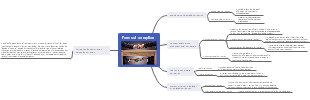
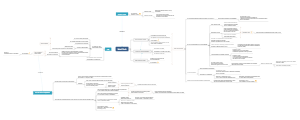
Introduction to Fundamental Rights
Definition of Fundamental Rights
Basic human rights essential for well-being.
Protection against abuse of power.
Importance of Fundamental Rights
Guarantees individual freedom.
Promotes justice and equality.
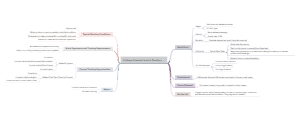
Articles of Fundamental Rights
Overview of Key Articles
Article 1: Right to Equality
Equal treatment under the law.
Prohibition of discrimination.
Article 2: Right to Freedom
Freedom of speech and expression.
Freedom of assembly and association.
Article 3: Right to Life and Personal Liberty
Protection against arbitrary detention.
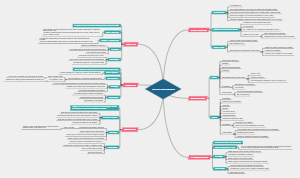
Enforcement of Fundamental Rights
Mechanisms for Protection
Role of the Judiciary
Interpretation and enforcement of rights.
Supreme Court as protector of rights.
Role of Legislative Bodies
Enactment of laws to safeguard rights.
Oversight of executive actions.
Challenges to Fundamental Rights
Common Threats
Government overreach
Erosion of civil liberties.
Social Discrimination
Marginalization of certain groups.
Resistance to change in societal norms.
Conclusion
Importance of Vigilance
Continuous protection of rights is essential.
Role of citizens in upholding fundamental rights.
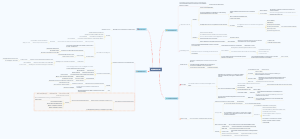
**Fundamental Rights and Corresponding Articles in the Indian Constitution**
Fundamental rights are essential human rights guaranteed by the Constitution of India (Part III, Articles 12–35). Below is a breakdown of key fundamental rights and their associated articles:
### **1. Right to Equality (Articles 14–18)**
- **Article 14**: Equality before the law and equal protection of laws.
- **Article 15**: Prohibition of discrimination on grounds of religion, race, caste, sex, or place of birth.
- **Article 16**: Equality of opportunity in public employment.
- **Article 17**: Abolition of untouchability.
- **Article 18**: Abolition of titles (except military and academic).
### **2. Right to Freedom (Articles 19–22)**
- **Article 19**: Six freedoms:
- Form associations/unions.
- Move freely across India.
- Reside and settle anywhere.
- Practice any profession.
- **Article 20**: Protection against conviction for offenses (ex-post facto laws, double jeopardy, self-incrimination).
- **Article 21**: Right to life and personal liberty (expanded by courts to include rights to privacy, health, education, etc.).
- **Article 21A**: Right to free and compulsory education for children aged 6–14.
- **Article 22**: Protection against arbitrary arrest and detention.
### **3. Right Against Exploitation (Articles 23–24)**
- **Article 23**: Prohibition of human trafficking, forced labor, and begar (unpaid labor).
- **Article 24**: Ban on child labor in hazardous occupations (under 14 years).
### **4. Right to Freedom of Religion (Articles 25–28)**
- **Article 25**: Freedom to practice, profess, and propagate religion.
- **Article 26**: Freedom to manage religious institutions.
- **Article 27**: No taxes for religious promotion.
- **Article 28**: No religious instruction in state-funded educational institutions.
### **5. Cultural and Educational Rights (Articles 29–30)**
- **Article 29**: Protection of language, script, and culture of minorities.
- **Article 30**: Minorities’ right to establish and administer educational institutions.
### **6. Right to Constitutional Remedies (Article 32)**
- **Article 32**: Allows citizens to move to the Supreme Court for enforcement of fundamental rights (called the "heart and soul" of the Constitution by Dr. B.R. Ambedkar).
| **Right** | **Articles** |
|-------------------------------|--------------|
| Against Exploitation | 23–24 |
| Freedom of Religion | 25–28 |
| Cultural/Educational Rights | 29–30 |
| Constitutional Remedies | 32 |
- Fundamental rights are not absolute and are subject to **reasonable restrictions** (e.g., national security, public order, morality).
- These rights apply to citizens and (in some cases) non-citizens.
- The judiciary (Supreme Court and High Courts) acts as the guardian of these rights.
If you were referring to a different country's constitution (e.g., the U.S. Bill of Rights), let me know for a tailored response! 🌟
 Wondershare EdrawMind