Wondershare EdrawMind
MindMap Gallery Emotional Arcs in U/X Design
Emotional Arcs in U/X Design
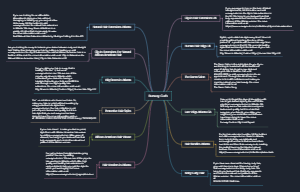
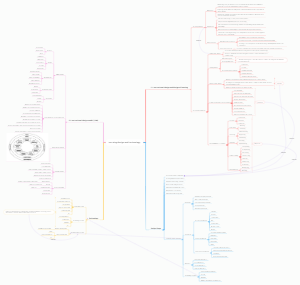
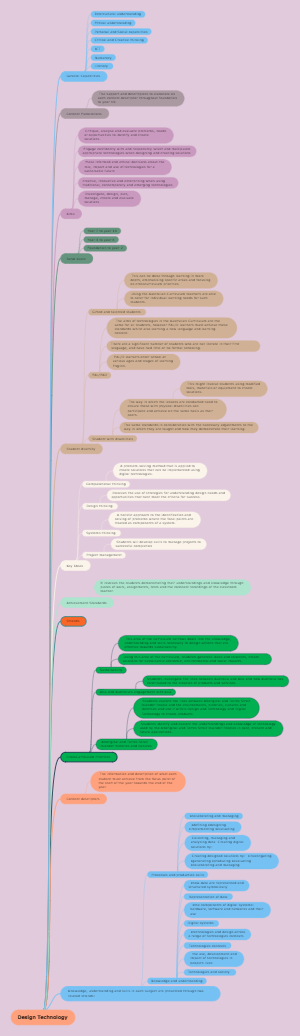
This mind map explores the concept of emotional arcs in user experience (U/X) design, drawing on environmental solutions research from Harvard and Cornell Universities. It delves into the inter.Sy Narrative Arc, an algo-rhythmic model that combines form and force to create systems that feel and function. The map discusses how symbolic frameworks can repair emotional infrastructure by integrating primal elements like letters, glyphs, and colors. It emphasizes that design is narrative, and misleading design can fracture trust and distort the user's mental model.
Edited at 2025-04-23 14:18:06
- Novel Outline Framework
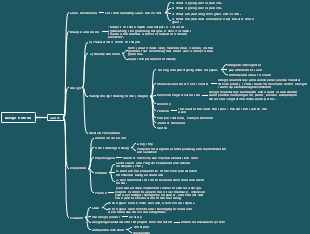
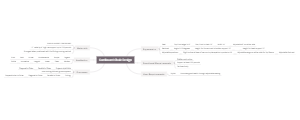
This mind map presents a comprehensive framework for outlining a novel. It includes sections for novel overview, background settings, character setting, story summary, plot arrangement, plot refinement, ending setting, and later modifications. Each section is broken down into subtopics, such as book title, author, theme, time and place background, character introductions, story beginnings, climaxes, and endings. This structured approach helps writers organize their thoughts and develop a coherent and engaging narrative from start to finish.
- Emotional Arcs in U/X Design
This mind map explores the concept of emotional arcs in user experience (U/X) design, drawing on environmental solutions research from Harvard and Cornell Universities. It delves into the inter.Sy Narrative Arc, an algo-rhythmic model that combines form and force to create systems that feel and function. The map discusses how symbolic frameworks can repair emotional infrastructure by integrating primal elements like letters, glyphs, and colors. It emphasizes that design is narrative, and misleading design can fracture trust and distort the user's mental model.
Emotional Arcs in U/X Design
- Novel Outline Framework
This mind map presents a comprehensive framework for outlining a novel. It includes sections for novel overview, background settings, character setting, story summary, plot arrangement, plot refinement, ending setting, and later modifications. Each section is broken down into subtopics, such as book title, author, theme, time and place background, character introductions, story beginnings, climaxes, and endings. This structured approach helps writers organize their thoughts and develop a coherent and engaging narrative from start to finish.
- Emotional Arcs in U/X Design
This mind map explores the concept of emotional arcs in user experience (U/X) design, drawing on environmental solutions research from Harvard and Cornell Universities. It delves into the inter.Sy Narrative Arc, an algo-rhythmic model that combines form and force to create systems that feel and function. The map discusses how symbolic frameworks can repair emotional infrastructure by integrating primal elements like letters, glyphs, and colors. It emphasizes that design is narrative, and misleading design can fracture trust and distort the user's mental model.
- Recommended to you
- Outline