MindMap Gallery DC3/DC4
DC3/DC4 "mind map: DC3/DC4 involves fiscal policy, and government funding sources affect budget formulation. The expansionary fiscal policy aims to achieve macroeconomic goals such as low unemployment and price stability, and promote the development of economies of scale. But there is currently a situation of backwardness, and it is necessary to control the supply to ensure quality. This requires rational planning of fiscal policies, balancing economic development with quality assurance, and achieving sustainable economic growth.
Edited at 2025-05-18 12:11:23DC3/DC4

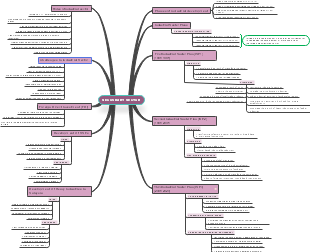
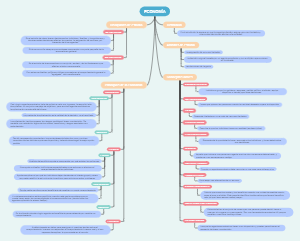
Fiscal Policy
Government money from
tax
government's levy 罚款 on income
influence supply/demand
tariff: protect domestic firm
redistribution of wealth
government income
Total tax/income * 100%
direct/indirect
Progressive/Regressive/Proportional
government spending
capital
revenue
transfer payment
loan
sales:
donation
firm profit
Budget:
balanced
deficit
surplus
expansionary
recession (downward economic growth)
Aim: increase output and employment
low consumer spending
encourage business investment
decline in income
job loss
lead to high inflation
contradictionary
inflation
economic growth while price rise
income<spending
Aim: create budget surplus (spend<income) to bring down inflation
Taxation Rules:
Equality
Convenience
Economical: affordable
Efficiency
Certainity
Flexibility
Impact of Taxation:
Consumers
redistribution of income
discourage purchase of bad products
regressive: hit poor harder
indirect tax
Price Elasticity of Demand: more elastic, greater tax
Producers
corporation tax
VAT: lots of paper work
Workers
income tax
discourage promotion
Savers
less saving
reduce the funds available to bank
Government
earn revenue
consider PED when setting taxes
indirect tax is easy to collect
Whole Economy
tax evasion
indirect tax lead to inflation
unemployment
Effect on Macroeconomic Aims
Economic Growth: boost investment (government infrastructure)
Low Inflation: lower tax, producitve capacity
Employment: lower income tax; subsidies encourage business set up
Balance of payment: low tax=competition
expansionary
redistribution of wealth: progressive tax
Macroeconomic Aims
Low unemployment
economically active: willing to work
Price Stability
Economic Growth
Redistribution of Income
Balance of payment Stability: export > input
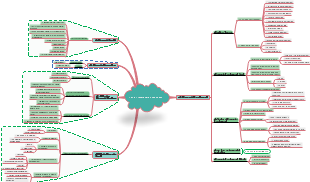
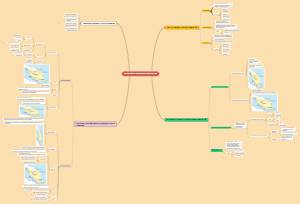
Market Structure
selling environment: depend on number of firms, easy of entry, degree of product differentiation
PROFIT
increase customer
increase sale, market share
achieve product superiority
enhance brand image
Competitive
no marker power
many firms in one industry
price taker: accept/adjust prices
Monopoly
research/development
innovation
gain economics of scale
distribute fixed cost with larger input, decrease average scale
technological investment
better access to credit at lower interest rate
cost advantage
high price/less choice/inefficiency/low quality
price maker: controls the market
Economies of Scale
Integration
Forward: control sale
Backward: control supplies, ensure quality
Conglomerate: different industry control different industry
diversification
risk reduction
shared resources
hard of manage
Horizontal: same firm
increase market share
reduce competition
economics of scale
internal: simgle firm/monopolyl
external: entire industry
specialization
infrastructure
innovation
overdependence
Return of Scale
increase input increase output
increase input>output
Firm's cost/revenue/objectives
Fixed: rent salaries
variable: wages
Avg cost = total cost/output
revenue=price * quantity
profit= revenue- cost
when output increase, total revenue will rise than fall
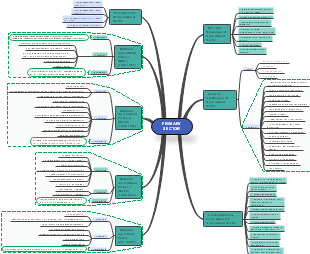
Labor/Capital Intensive
Automation
unemployment
less flexible
low communication
high set up cost
no innovation
restricted range of job opportunities
Trade Union
promote better condition for worker by bargaining/negotiating
avoid discrimintation, promote equality
costly memership fee
security, participation, belongingness
Primary
survival;rural;low salary; weather dependent
Secondary
more revenue, pollution
Tertiary
wealthy
flexibility/innovation
unstable
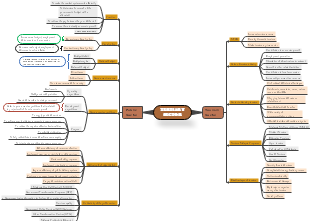
Additional Vocabulary
Investment: allocating money, time, or resources into projects/ventures with the expectation of generating profit/income
beat inflation
earn interest
retirenment preparation
tax advantages
Financial institutions: banks, credit unions, insurance companies, and investment companies
Funds: 资助 gather money for investors to make investments
Insurance: 保险 financial production between individuals and business
DC4 Vocabulary
Aggregate Demand Consumption+Investment+Government spending +(export-import)
Economic growth: GDP increase
Balance of payments: record of country's transaction (trade) with rest of the world
Redistribution of wealth: creating equal income by taxation
Payment Stability= export>import
Tax: government levy (罚款)on income
Direct tax: taken directly from person (income, wage, salary)
income tax
corporation tax: business profit
capital gain tax (through investment)
inheritance tax
carbon tax : based on CO2 emissions per unit
windfall tax: winning lottery by accident
Indirect Tax: burden passed on partly to another (expenditure经费, firm sales tax, exise duties消费税)
sales tax
VAT (value-added tax): value added at each stage of production
exise/custom duties (imports)
stamp duty: tax imposed on legal documents
carbon tax
Tax Rate
total tax/income *100%
Progressive
wealthier, more proportion of tax
Regressive
poor, more proportion of tax
Proportionate
same ration income:tax rate
Budget: plan of measuring income/spending
balanced:income=spending
deficit: income<spending
surplus: income>spending
Fiscal Policy 财政政策 : the use of taxes/government spending to affect macroeconomic objectives
expansionary: spending increase, tax decrease
contractionary: spending decrease, tax increase
Full employment
lowest possible unemployment level
Economically Active
being a member of labor force
Government spending: consumption + transfer payment + investment
Tax avoidance: legal act to after pay tax
Tax evasion: illegally avoid paying tax (failing to report income, hide wages)