MindMap Gallery Mind Map: Audit & Assurance in AI Governance
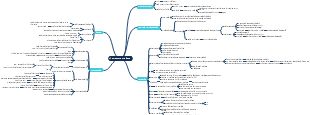
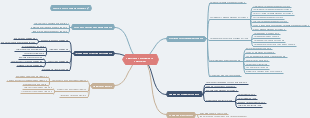
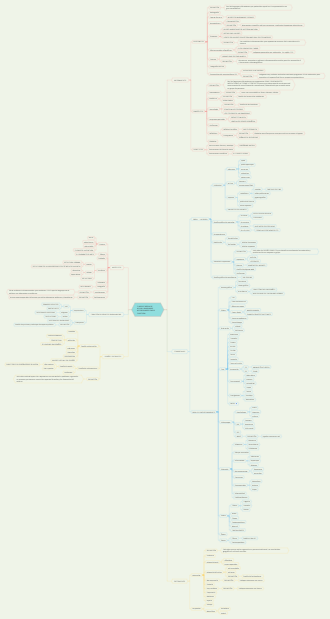
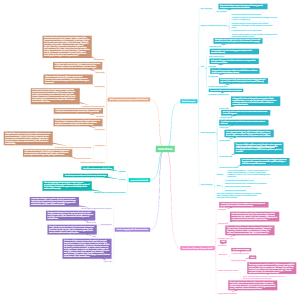
This mind map, created using EdrawMind, delves into the critical area of audit and assurance within AI governance. It outlines key components such as audit policies and procedures, independent assessments, risk-based planning assessments, requirements compliance, and audit management processes. Each section provides detailed explanations, self-assessment questions, threat modeling considerations, and control measures to ensure robust AI governance. This comprehensive guide aids organizations in establishing effective audit and assurance practices for their AI systems.
Edited at 2025-07-13 11:18:11AUDIT & ASSURANCE

CT:Audit and Assurance Policy and Procedures CI:A&A-01
Establish, document, approve, communicate, apply, evaluate and maintain audit and assurance policies and procedures and standards. Review and update the policies and procedures at least annually or upon significant changes.
EXPLANATION
This control requires organizations to create, document, approve, communicate, apply, evaluate, and maintain formal audit and assurance policies and procedures for their AI systems. These policies should be reviewed and updated at least annually or whenever there are significant changes (such as deploying a new AI model, using new data sources, or responding to new regulations). Examples in AI: •If your organization uses an AI model for hiring, your audit policy should require regular checks for bias in model recommendations and ensure compliance with employment laws. •For a healthcare AI system, your procedures might include periodic reviews of model accuracy, data privacy, and explainability to meet regulatory requirements. •If you retrain your AI model with new data, your policy should require a review of the data source for quality and compliance before deployment.
Self-Assessment Questions
• Are there documented audit and assurance policies specifically covering AI systems? • Are these policies approved by appropriate management or governance bodies? • Are the policies communicated to all relevant stakeholders (e.g., data scientists, engineers, compliance teams)? • Are the policies and procedures actually applied in practice for all AI projects? • Is there a process for evaluating the effectiveness of these policies? • Are the policies reviewed and updated at least annually or after significant changes? • Is there clear ownership assigned for maintaining and updating these policies? • Are audit logs and documentation maintained for all AI systems?
THREAT MODELLING
THREAT
Lack of formal audit and assurance policies for AI can lead to undetected risks such as model bias, data poisoning, privacy violations, or regulatory non-compliance. Without structured procedures, issues may go unnoticed until they cause harm or legal trouble.
Control/Measure:
•Develop and document AI-specific audit and assurance policies covering the entire AI lifecycle (from data collection to model deployment and monitoring). •Require regular reviews of AI models for fairness, security, and compliance. •Assign clear ownership for maintaining and updating these policies. •Communicate the policies to all relevant stakeholders and provide training as needed. •Schedule annual (or more frequent) reviews and update policies after significant changes. •Maintain audit logs and documentation to support transparency and accountability.
CT:Independent Assessments CI:A&A-02
Conduct independent audit and assurance assessments according to relevant standards at least annually.
EXPLANATION
This control requires organizations to have their AI systems and related processes reviewed by an independent party—someone not involved in the development, deployment, or daily operation of those systems—at least once a year. The assessment should follow recognized standards such as ISO 42001, NIST AI RMF, or other relevant frameworks. Examples in AI: •If your company uses an AI model for credit scoring, an external auditor might review your data handling, model validation, and fairness checks to ensure compliance with financial regulations. •For a healthcare AI system, an independent assessment could verify that patient data is handled securely and that the model’s predictions are explainable and accurate. •If you deploy a generative AI chatbot, an external review might evaluate how you monitor for harmful outputs and how you handle user data privacy.
Self-Assessment Questions
•Have all critical AI systems undergone an independent audit in the past 12 months? •Are the auditors or assessors independent from the teams that develop, deploy, or operate the AI systems? •Are recognized standards (e.g., ISO 42001, NIST AI RMF) used as the basis for the assessment? •Are findings from independent assessments documented and tracked to resolution? •Are updates to threat models and controls made based on assessment results? •Is there a process for selecting qualified external assessors with AI and security expertise? •Are high-risk AI applications (e.g., those impacting safety or critical decisions) subject to additional external testing, such as red teaming or adversarial testing?
THREAT MODELING
THREAT
Internal teams may miss or underestimate risks in AI systems, such as hidden biases, security vulnerabilities, or non-compliance with regulations. This can lead to undetected flaws, reputational damage, or legal penalties.
Control/Measure
•Schedule annual independent assessments of your AI systems, threat models, and controls. •Select assessors with expertise in AI, security, and relevant regulations. •Use recognized standards (e.g., ISO 42001, NIST AI RMF) as the basis for the assessment. •Document findings and ensure remediation actions are tracked and completed. •Update your threat models and controls based on assessment results. •Consider external penetration testing or red teaming for high-risk AI applications.
CT: Risk-Based Planning Assessment| CI:A&A-03
Perform independent audit and assurance assessments in response to significant changes or emerging risks and according to risk-based plans and policies.
EXPLANATION
This control requires organizations to conduct independent audit and assurance assessments not just on a fixed schedule, but also in response to significant changes or new/emerging risks in their AI systems. These assessments should be guided by risk-based plans and policies, meaning you prioritize audits based on where the greatest risks exist. Examples in AI: •If you deploy a new AI model in a critical business process (e.g., fraud detection), you should trigger an independent assessment to ensure the new model doesn’t introduce unacceptable risks. •If a major vulnerability is discovered in a machine learning library you use, a risk-based assessment should be performed to check if your AI systems are affected. •If regulations change (e.g., new AI laws or privacy requirements), an independent audit should be conducted to ensure compliance. •If your AI system is exposed to new data sources or integrated with external APIs, a risk-based review should be triggered to assess potential threats.
Self-Assessment Questions
•Are independent audits triggered by significant changes in AI systems (e.g., new model deployment, major updates, new data sources)? •Is there a documented risk-based plan or policy that defines when additional assessments are required? •Are emerging risks (e.g., new vulnerabilities, regulatory changes, or threat intelligence) regularly monitored and used to inform audit planning? •Are independent assessments conducted in response to incidents or near-misses involving AI systems? •Are the results of risk-based assessments documented and used to update risk registers and controls? •Is there a process for communicating the need for ad-hoc or event-driven audits to relevant stakeholders? •Are lessons learned from risk-based assessments incorporated into future risk management and audit planning?
THREAT MODELING
THREAT
Failure to perform timely, risk-based independent assessments can result in undetected vulnerabilities or compliance gaps after significant changes or in response to new threats. This can lead to exploitation, data breaches, or regulatory violations.
Control/Measure
•Establish a risk-based audit policy that mandates independent assessments after significant changes (e.g., new model deployment, major updates, integration with new data sources). •Monitor for emerging risks (e.g., new vulnerabilities, regulatory changes, threat intelligence) and trigger assessments as needed. •Maintain a risk register to track and prioritize AI-related risks. •Ensure that findings from risk-based assessments are documented, tracked, and remediated. •Regularly update risk-based plans and policies to reflect lessons learned and changes in the threat landscape. •Communicate the need for ad-hoc audits to all relevant stakeholders and ensure clear escalation paths.
CT:Require:ments Compliance CI:A&A-04
Verify compliance with all relevant standards, regulations, legal/contractual, and statutory requirements applicable to the audit.
EXPLANATION
This control requires organizations to verify that their AI systems and related processes comply with all relevant standards, regulations, legal, contractual, and statutory requirements during audits. This means you must ensure your AI activities are not only technically sound but also legally and ethically compliant. Examples in AI: •If your AI system processes personal data, you must verify compliance with data protection laws such as GDPR, CCPA, or HIPAA during audits. •For AI models used in financial services, you need to check compliance with sector-specific regulations (e.g., anti-money laundering, fair lending laws). •If you use third-party AI components or data, you must ensure contractual obligations (like data usage restrictions or licensing terms) are being followed. •If your organization is subject to AI-specific regulations (such as the EU AI Act), you must verify that your AI systems meet those requirements.
Self-Assessment Questions
•Are all relevant standards, regulations, and legal requirements for AI systems identified and documented? •Is there a process to regularly review and update the list of applicable requirements as laws and standards evolve? •Are audits conducted to verify compliance with data privacy, security, and sector-specific regulations? •Are contractual and licensing obligations for third-party AI components and data sources reviewed during audits? •Are audit findings related to non-compliance documented and remediated in a timely manner? •Is there a process for training staff on relevant legal and regulatory requirements for AI? •Are compliance checks integrated into the AI development and deployment lifecycle?
THREAT MODELING
THREAT
Failure to verify compliance with relevant standards, regulations, or contractual requirements can result in legal penalties, financial losses, or reputational harm if your AI systems are found to be non-compliant.
Control/Measure
•Maintain an up-to-date inventory of all applicable standards, regulations, and contractual requirements for your AI systems. •Integrate compliance checks into regular audit processes and the AI development lifecycle. •Assign responsibility for monitoring regulatory changes and updating compliance requirements. •Provide regular training to staff on legal and regulatory obligations related to AI. •Document and track all compliance-related audit findings and ensure timely remediation. •Use automated tools where possible to monitor and enforce compliance (e.g., data privacy checks, license management).
CT: Audit Management Process CI:A&A-05
Define and implement an Audit Management process aligned with global auditing standards to support audit planning, risk analysis, security control assessment, conclusion, remediation schedules, report generation, and review of past reports and supporting evidence.
EXPLANATION
This control requires organizations to verify that their AI systems and related processes comply with all relevant standards, regulations, legal, contractual, and statutory requirements during audits. This means you must ensure your AI activities are not only technically sound but also legally and ethically compliant. Examples in AI: •If your AI system processes personal data, you must verify compliance with data protection laws such as GDPR, CCPA, or HIPAA during audits. •For AI models used in financial services, you need to check compliance with sector-specific regulations (e.g., anti-money laundering, fair lending laws). •If you use third-party AI components or data, you must ensure contractual obligations (like data usage restrictions or licensing terms) are being followed. •If your organization is subject to AI-specific regulations (such as the EU AI Act), you must verify that your AI systems meet those requirements.
Self-Assessment Questions
•Are all relevant standards, regulations, and legal requirements for AI systems identified and documented? •Is there a process to regularly review and update the list of applicable requirements as laws and standards evolve? •Are audits conducted to verify compliance with data privacy, security, and sector-specific regulations? •Are contractual and licensing obligations for third-party AI components and data sources reviewed during audits? •Are audit findings related to non-compliance documented and remediated in a timely manner? •Is there a process for training staff on relevant legal and regulatory requirements for AI? •Are compliance checks integrated into the AI development and deployment lifecycle?
THREAT MODELING
THREAT
Without a structured audit management process, AI audits may be inconsistent, incomplete, or fail to identify and remediate critical risks. This can lead to unresolved vulnerabilities, repeated mistakes, or missed compliance obligations.
Control/Measure
•Develop and document an audit management process tailored for AI systems, aligned with global standards. •Ensure the process covers the full audit lifecycle: planning, risk analysis, control assessment, remediation, reporting, and review. •Assign clear roles and responsibilities for managing AI audits. •Use centralized tools or platforms to track audit activities, findings, and evidence. •Schedule regular reviews of past audit reports to identify trends and ensure issues are addressed. •Update the process as AI technologies and regulatory requirements evolve.