MindMap Gallery Development of English Literature
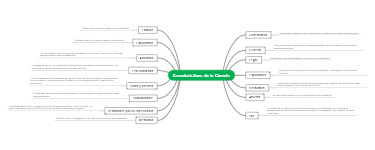
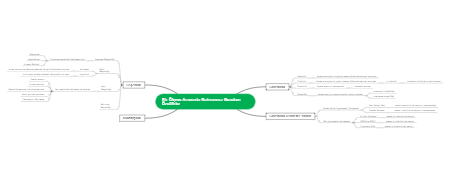
This is a mind map about Development of English Literature, Main content: "It was the best of times, it was the worst of times."——Charles Dickens,
Edited at 2025-08-22 14:26:52この2025年学習計画本テンプレートは、EdrawMaxで作成されたカレンダーと日記の組み合わせです。カレンダーページでは、月間スケジュールを一目で確認でき、未処理事項を記入するスペースも用意されています。日記ページでは、毎日の学習内容や感想を記録することができます。このテンプレートは、学生や勉強を続ける人々が、計画的に学習を進め、自分の成長を記録するのに役立ちます。 午後の授業では、音楽の時間もありました今日は新しい曲を練(此內容由 AI 產生,僅供參考。)
このドキュメントはEdrawMaxで作成された旅行準備チェックリストと日記テンプレートです。左ページには、日焼け止めやパーソナルアイテムなどの必需品リスト、ひじょうひん(絆創膏、紅景天など)、お金に関するアドバイス、そしてカメラなどの持ち物リストが整理されています。右ページはメモと未处理事项の記入スペース、および旅行日記を書くためのドットグリッドページで構成されています。このテンプレートは、旅行の準備から記録まで、旅をより楽しく、スムーズにするためのガイドとなります
이 인포그래픽은 EdrawMax를 사용하여 제작된 한국 역사 연표입니다. 기원전 70만 년 전부터 현재에 이르기까지 한국의 주요 역사적 사건과 시대를 시간 순서대로 정리하여 보여줍니다. 선사시대, 삼국시대, 고려 왕조, 조선 왕조, 일제시대, 대한민국 등의 주요 시기별 중요한 정치, 사회, 문화적 변화를 간략하게 기술하고 있습니다. 한국 역사에 대한 전반적인 이해를 돕는 유용한 자료입니다.
この2025年学習計画本テンプレートは、EdrawMaxで作成されたカレンダーと日記の組み合わせです。カレンダーページでは、月間スケジュールを一目で確認でき、未処理事項を記入するスペースも用意されています。日記ページでは、毎日の学習内容や感想を記録することができます。このテンプレートは、学生や勉強を続ける人々が、計画的に学習を進め、自分の成長を記録するのに役立ちます。 午後の授業では、音楽の時間もありました今日は新しい曲を練(此內容由 AI 產生,僅供參考。)
このドキュメントはEdrawMaxで作成された旅行準備チェックリストと日記テンプレートです。左ページには、日焼け止めやパーソナルアイテムなどの必需品リスト、ひじょうひん(絆創膏、紅景天など)、お金に関するアドバイス、そしてカメラなどの持ち物リストが整理されています。右ページはメモと未处理事项の記入スペース、および旅行日記を書くためのドットグリッドページで構成されています。このテンプレートは、旅行の準備から記録まで、旅をより楽しく、スムーズにするためのガイドとなります
이 인포그래픽은 EdrawMax를 사용하여 제작된 한국 역사 연표입니다. 기원전 70만 년 전부터 현재에 이르기까지 한국의 주요 역사적 사건과 시대를 시간 순서대로 정리하여 보여줍니다. 선사시대, 삼국시대, 고려 왕조, 조선 왕조, 일제시대, 대한민국 등의 주요 시기별 중요한 정치, 사회, 문화적 변화를 간략하게 기술하고 있습니다. 한국 역사에 대한 전반적인 이해를 돕는 유용한 자료입니다.
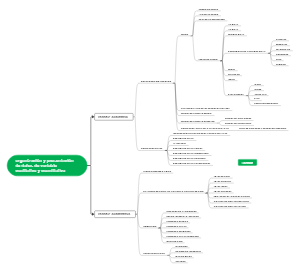
Development of English Literature
"Man is born free, and everywhere he is in chains."——Jean-Jacques Rousseau
Middle English Period (1066–1500)
Norman period (1066–1340)
feature
The influence of French is significant, and knightly literature and romantic legends are popular.
representative work
The Legend of King Arthur
Marie de France's Fable Poems
The Chaucer period (1340–1400)
feature
The language is close to modern English, and narrative poetry and satirical literature have emerged.
Representative writer
Geoffrey Chaucer
representative work
Canterbury Tales Collection
Frame narrative structure, dialect writing promotes English standardization, and satire from various social classes
Desolation/Dark Period (1400–1485/1500)
feature
War turmoil (Rose War) led to a decrease in literary creation.
representative work
Morty Arthur
Neoclassical period (1660–1798)
the restoration
Writers
John Dryden
Augustan period/Pop period (1700-1745)
feature
Satirical poetry is prevalent, emphasizing rationality and order.
Writers
Alexander Popp
The Sensory Period/Johnson Period (1745-1798)
Writers
Samuel Johnson
Victorian era (1832–1901)
feature
The rise of realism and social critical literature.
Representative writers and works
Charles Dickens' Oliver Twist and A Tale of Two Cities
Charlotte Bronte's Jane Eyre
Thomas Hardy's Tess of the d'Urbervilles
Post Modern (1939–present)
feature
Diversified narrative, including metafiction, absurd drama, magical realism, and postcolonial literature.
Representative writers and works
George Orwell's 1984
Kurt Vonnegut's "The Fifth Slaughterhouse"
Salman Rushdie's' Midnight Son '
"It was the best of times, it was the worst of times."——Charles Dickens
Contemporary/21st Century Literature (2000–present)
Literary Features
Globalization and Cross Cultural Narrative
Science fiction, fantasy, and dystopian literature
Climate novels(Cli-fi), identity politics, and multicultural themes
Online literature and cross media works (adaptations of novels into movies/games)
Representative writers and works
Kazuo Ishiguro's "Don't Let Me Go" and "Clara and the Sun"
Margaret Atwood's Testament
Cheyenne Miller: A New Strange Tales Novel
Sally Rooney's' Normal People '
Cormac McCarthy's' The Road '
Modern Period (1901–1939)
Edwardian period
Writers
EM Foster
Georgian Period
feature
Literary experiments, stream of consciousness, and the rise of modernism.
Writers
James Joyce's Ulysses
T. S. Eliot
Romantic period (1798–1832)
feature
Emphasize emotions and nature, and oppose excessive rationality.
Representative writers and works
William Wordsworth and Samuel Coleridge (Lyrical Ballads)
Byron, Shelley, and Keats (Three Romantic Poets)
Renaissance period (1500–1660)
The preparatory stage of the Renaissance
feature
The rise of humanistic thought and the dissemination of knowledge through printing.
Elizabethan period (1558–1603)
feature
The Golden Age of Drama
Representative writers and works
William Shakespeare: Hamlet, Macbeth, King Lear, Romeo and Juliet
Christopher Marlowe: "Dr. Faust"
During the reign of James I (1603–1625)
feature
Religious themes and poetry
Writers
John Donne
The Puritan period (1625–1649)
feature
Political and religious conflicts coexist with fables and epics.
Writers
John Milton's Paradise Lost
Caroline period (1625–1649)
feature
The prosperity of court lyrical poetry
During the Republic period (1649–1660)
feature
Literature is mostly about political and religious debates, and plays are suppressed.
Old English Period (450–1066)
Literary Features
Mainly through oral transmission, the influence of Christianity is gradually increasing; Mostly epic and religious poems.
representative work
Beowulf
The fusion of Norse mythology and Christian ethics, the first national epic
Important writer
Anonymous (the author of the epic is often unknown)