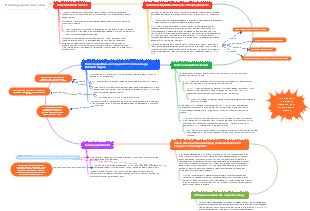
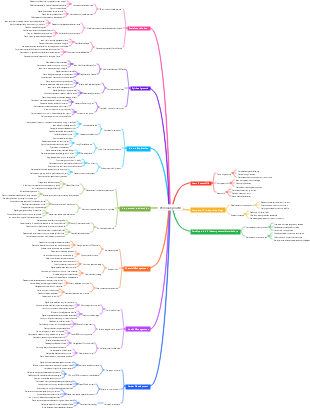
Talent inventory and career development channel design
1. Basic cognition and core concepts
1. Talent inventory definition
- Concept analysis
▶ Definition: The management process of systematically assessing the current status of organizational talents
▶ Essence: Talent data management and strategic matching
▶ Objective: Talent structure optimization/high potential identification/succession planning
- Development history
▶ Origin: GE Talent Nine-Grid in the 1960s
▶ Development: The rise of digital inventory tools after 2000
▶ Trend: Intelligent inventory driven by AI big data
- Data background
▶ Enterprise application rate: China's top 500 companies reach 92% (Zhilian Recruitment)
▶ Performance data: Talent utilization rate increased by 35% after inventory (DDI)
▶ Input and output: 8 yuan of profit per 1 yuan inventory investment (McKinsey)
2. Definition of career development channel
- Concept analysis
▶ Definition: A career promotion path system designed by the organization for employees
▶ Essence: Systematized design of ability development and career goals
▶ Goal: Retain talents/stimulate potential/enhance engagement
- Pattern classification
▶ Single channel: Traditional straight line promotion
▶ Dual channel: management Professional parallel
▶ Multi-channel: technology/management/experts and other multi-paths
- Data background
▶ Employee needs: 83% of employees expect to clarify their development path (Gallop)
▶ Retention effect: Clear channel reduces turnover rate by 42% (SHRM)
▶ Engagement: Development opportunities affect 76% Engagement (HCI)
3. Strategic Value System
- Organizational level
▶ Talent supply chain: Ensure strategic talent reserves
▶ Efficiency improvement: Human efficiency improvement by 2.3 times (Hay Group)
- Personal level
▶ Capacity Growth: Targeted Development Plan
▶ Job significance: Align career goals with organizational goals
1. Inventory planning stage
- Case: Huawei's "digital transformation in the next three years" talent demand
- Case: A certain Internet company's flat architecture talent demand
- Output: Job Importance Matrix
3. Talent strategy formulation
- Case: A manufacturing industry's "technical breakthrough" talent strategy
- Solution Design
- Case: A car company's inventory of all groups vs. core positions
2. Dimensional design
- Case: Tencent's "ability, performance, potential" three-dimensional inventory
- Tools: Dimensional Weight Design Table
- Output: Inventory Dimension Instructions
3. Tool selection
- Case: A foreign company chooses DDI evaluation Internal evaluation
- Tools: Evaluation Tool Comparison Matrix
- Output: Tool implementation plan
- Resource preparation
- Case: HR Business External Expert Inventory Group
- Tools: Division of Responsibilities
- Output: Project team member list
2. Budget preparation
- Case: A central enterprise 3 million inventories budget allocation
- Tools: Budget breakdown table
- Output: Expense budget plan
3. Training and publicity
- Case: A private enterprise pre-inventory training plan
- Tools: Training courseware Promotional video
- Output: Training implementation plan
2. Data collection phase
- Ability Assessment
1. Competency assessment
- Case: Huawei's "Iceberg Model" capability assessment
- Tools: Competency Assessment System (Beisen)
- Output: Capability radar diagram
2. Skills Assessment
- Case: Practical test of a technical position in a manufacturing industry
- Tools: Skill Test Question Bank Practical Platform
- Output: Skill Assessment Report
3. Potential assessment
- Case: "Learning Acuity" Evaluation of a Financial Enterprise
- Tool: Gallup Q12 Potential Assessment Questionnaire
- Output: Potential Assessment Matrix
- Performance data
1. Historical performance
- Case: Performance appraisal results in the past 3 years
- Tools: Performance Data Board
- Output: Performance Trend Analysis
- Case: Contribution to a certain project
- Tools: Key Event Record Table
- Career Willing
1. Development intention
- Case: A survey on professional tendencies of an Internet company
- Tools: Career Anchor Test Interview
- Output: Career Willing Distribution Map
2. Ability expectations
- Case: A consulting company's capacity improvement needs
- Tools: Ability Expectation Questionnaire
- Output: Capability gap analysis
3. Job satisfaction
- Case: A survey on job satisfaction of a retail company
- Tool: Satisfaction Scale (SUS)
- Output: Satisfaction analysis report
3. Data analysis phase
- Talent Modeling
1. Capability Modeling
- Case: Alibaba's "Six-Meridian Divine Sword" capability model
- Tool: BEI Behavioral Event Interview
- Output: Capability Model Instruction
2. Performance Modeling
- Case: A manufacturing performance forecasting model
- Tools: Regression Analysis Machine Learning
- Output: Performance Forecast Report
3. Potential Modeling
- Case: A foreign company's high potential talent prediction model
- Tools: Decision Tree Neural Network
- Output: Potential prediction matrix
- Nine Grid Analysis
1. Performance-abilitation nine-part grid
- Case: Nine grid distribution of talents in a central enterprise
- Tools: Nine Grid Analysis Template
- Output: Nine-grid distribution diagram
2. Potential-Nine-Classification of Will
- Case: Nine squares of professional wishes for a private enterprise
- Tools: Willing-Potential Matrix
- Output: Analysis of development intention
3. Skills-Nine Requirements
- Case: A technology company's skill gap nine-grid
- Tools: Skill Matching Matrix
- Output: Skill Improvement Roadmap
- Gap Analysis
1. Ability gap
- Case: The gap in digital capabilities of a car company
- Tools: Ability Gap Analysis Table
- Output: Capacity Improvement Plan
2. Structural gap
- Case: Age structure gap between talents in a certain bank
- Tools: Structural Analysis Model
- Output: Structural Optimization Solution
3. Quantity gap
- Case: A technical talent gap in a certain Internet company
- Tools: Supply and Demand Forecast Model
- Output: Recruitment Plan
4. Result application stage
- Talent pool construction
1. High-potent talent pool
- Case: Huawei's "Genius Boy" plan
- Tools: High potential talent assessment criteria
- Output: High potential talent list
2. Succession Talent Pool
- Case: Succession plan of a central enterprise executive
- Tools: Succession Evaluation Matrix
- Output: Succession Schedule
3. Professional talent pool
- Case: A manufacturing technology expert Chi
- Tools: Professional competence certification standards
- Output: List of professional talents
- Decision support
1. Promotion decision
- Case: Promotion assessment of a foreign company
- Tools: Promotion Assessment Model
- Output: Promotion suggestions list
2. Training decision-making
- Case: Training needs of a financial enterprise
- Tools: Training Requirements Matrix
- Output: Training Program
3. Allocation decision-making
- Case: A retail enterprise deploys across regions
- Tools: Human-Position Matching Model
- Output: Job allocation plan
- Strategic Planning
1. Recruitment Planning
- Case: Three-year recruitment plan for a technology company
- Tools: Recruitment Demand Forecast
- Output: Recruitment Strategic Planning
2. Training planning
- Case: Five-year plan for talent training of a state-owned enterprise
- Tools: Cultivation Path Design
- Output: Blueprint for talent training
3. Retention planning
- Case: Core Talent Retention Plan for an Internet Company
- Tools: Retention policy matrix
- Output: Talent retention plan
III. Career development channel design
1. Channel mode selection
- Single channel mode
1. Applicable scenarios
- Case: A traditional manufacturing position
- Features: Straight line promotion, clear path
- Advantages: Simple management, clear goals
2. Key points of design
- Case: Promotion path for operators in a factory
- Output: Single channel manual
3. Difficulties in implementation
- Case: A bottleneck of a single channel development of a state-owned enterprise
- Question: Limited development space
- Countermeasures: Add skill level
- Dual Channel Mode
1. Applicable scenarios
- Case: Huawei's "Management Technology" dual channel
- Features: parallel development, flexible selection
- Advantages: Retain professional talents
2. Key points of design
- Case: Dual-channel design of a certain IT enterprise
- Tools: Channel comparison matrix
- Output: Dual Channel Manual
3. Difficulties in implementation
- Case: A foreign enterprise channel conversion obstacle
- Problem: Channel Barrier
- Countermeasures: Establish a conversion mechanism
- Multi-channel mode
1. Applicable scenarios
- Case: A consulting company "Management Expert Consultant" multi-channel
- Features: diversified development, cross-border integration
- Advantages: Inspire innovation
2. Key points of design
- Case: Multi-channel design of an investment bank
- Output: Multi-channel instruction manual
3. Difficulties in implementation
- Case: A pharmaceutical company's channel is too complex
- Question: Employees have difficulty understanding
- Countermeasure: Visualization Tool
2. Design process
- Demand Analysis
1. Organizational Requirements
- Case: A car company's digital transformation needs
- Tools: Analysis of strategic talent needs
- Output: Organizational Requirements Checklist
2. Job requirements
- Case: Job capability requirements for a bank
- Tools: Job Competency Model
- Output: Job requirements manual
3. Employee needs
- Case: Professional wishes of an Internet company employee
- Tools: Career needs research
- Output: Employee Requirements Report
- Channel architecture design
1. Hierarchical design
- Case: A central enterprise's "Level 10 Professional Channel"
- Tools: Hierarchical Design Matrix
- Output: Channel level table
2. Path design
- Case: A technology company's "Technology → Architecture → Expert" path
- Output: Path Planning Diagram
3. Conversion Design
- Case: A foreign company's management-professional conversion standard
- Tools: Convert Rule Table
- Output: Conversion mechanism manual
- Standard setting
1. Capability Standards
- Case: A consulting company's capability grading standards
- Tools: Capability Grading Table
- Output: Capability Standard Manual
2. Performance standards
- Case: Performance requirements for promotion of a manufacturing industry
- Tools: Performance Standards Table
- Output: Performance Standard Manual
3. Qualification criteria
- Case: Qualifications for a financial enterprise
- Tools: Qualification Standards Table
- Output: Qualification Standard Manual
3. Channel type
- Management Channel
1. Hierarchical design
- Case: "Employee → Supervisor → Manager → Director" in a state-owned enterprise
- Tools: Management Hierarchy Table
- Output: Management Channel Instructions
2. Capacity requirements
- Case: Management capability model of a foreign company
- Tools: Management Capability Matrix
- Output: Management capability standard
3. Promotion path
- Case: A certain Internet company's management promotion path
- Tools: Promotion Roadmap
- Output: Manage promotion plan
- Professional channel
1. Hierarchical design
- Case: Huawei's "1-15-level technology channel"
- Tools: Professional level table
- Output: Professional channel instruction manual
2. Capacity requirements
- Case: A certain IT enterprise's technical capability model
- Tools: Professional competence matrix
- Output: Professional competence standard
3. Promotion path
- Case: A software company's technical promotion path
- Tools: Technology Roadmap
- Output: Professional promotion plan
- Composite channel
1. Hierarchical design
- Case: A consulting company's "advisor, expert management" composite channel
- Tools: Composite hierarchy table
- Output: Composite channel instruction manual
2. Capacity requirements
- Case: A compound capability model of an investment bank
- Tools: Composite Capacity Matrix
- Output: Compound capability standard
3. Promotion path
- Case: A brokerage firm's compound promotion path
- Tools: Composite Roadmap
- Output: Compound Promotion Plan
4. Assessment and Certification
- Evaluation System
1. Capacity Assessment
- Case: Certification of a central enterprise
- Tools: Capability Assessment System
- Output: Capability Assessment Report
2. Performance evaluation
- Case: Performance certification of a private enterprise
- Tools: Performance Evaluation System
- Output: Performance Evaluation Report
3. Qualification Assessment
- Case: Qualification certification of a financial enterprise
- Tools: Qualification Assessment System
- Output: Qualification Assessment Report
- Certification process
1. Application stage
- Case: Application for certification of a foreign enterprise channel
- Tools: Application Form
- Output: Application List
2. Evaluation phase
- Case: Certification Assessment of a Manufacturing Industry
- Tools: Evaluation Process Table
- Output: Evaluation record
3. Certification phase
- Case: Certification decision of a technology company
- Tools: Certification Decision Form
- Output: Authentication result
- Incentive mechanism
1. Salary incentives
- Case: A state-owned enterprise channel salary link
- Tools: Compensation Matrix
2. Honors and Inspiration
- Case: Honors of a certain Internet company
3. Development incentives
- Case: A consulting company's channel development opportunities
- Tools: Development Opportunity Matrix
- Output: Development Plan
IV. Implementation paths and tools
1. Talent inventory implementation
- Preparation phase (1-4 weeks)
1. Strategic Alignment
- Case: A car company's inventory of strategic alignment
- Tools: Strategic decoding canvas
- Output: Inventory Strategy Book
2. Solution design
- Case: A bank takes stock of plans
- Tools: Solution Design Template
- Output: Inventory Solution
3. Resource preparation
- Case: A private enterprise takes stock of resources and prepares
- Output: Resource Solution
- Implementation phase (5-12 weeks)
1. Data collection
- Case: Data collection for a foreign company
- Tools: Data Collection Template
2. Data analysis
- Case: Data analysis of a manufacturing industry
- Tools: Analytical Models
- Output: Analysis Report
3. Result application
- Case: Application of results of an Internet company
- Tools: Application templates
- Output: Application Solution
- Optimization phase (13 weeks-)
1. Effectiveness Assessment
- Case: A central enterprise's inventory and evaluation
- Tools: Evaluation Metrics
- Output: Evaluation Report
2. Process optimization
- Case: Process optimization of a financial enterprise
- Tools: Optimize templates
- Output: Optimization Solution
3. System iteration
- Case: System iteration of a technology enterprise
- Tools: Iteration planning
- Output: Iterative Solution
2. Channel design implementation
- Planning phase (1-4 weeks)
1. Requirements Analysis
- Case: A car company's channel demand
- Tools: Requirements Analysis Template
- Output: Requirement Report
2. Mode selection
- Case: Selection of a certain bank model
- Tools: Pattern Comparison Matrix
3. Team building
- Case: A private enterprise team formed
- Design phase (5-12 weeks)
1. Architectural design
- Case: Architecture design of a foreign company
- Tools: Architecture Template
- Output: Architecture Solution
2. Standard setting
- Case: Establishment of a manufacturing industry standard
- Tools: Standard Templates
- Output: Standard Manual
3. Process design
- Case: Process design of a technology company
- Tools: Process Template
- Output: Process Solution
- Promotion phase (13 weeks-)
1. Training and publicity
- Case: Training and publicity of a certain central enterprise
- Tools: Training Templates
- Output: Training Program
2. Pilot operation
- Case: A pilot program for a financial enterprise
3. Optimization Iteration
- Case: An Internet company optimizes
- Tools: Optimize templates
- Output: Optimization Solution
3. Toolkit
- Inventory Tool
1. Evaluation Tool
- Case: Gallup Q12/Northen Review
- Tools: Evaluation System
- Output: Evaluation Report
2. Analysis tools
- Case: SPSS/Excel data analysis
- Tools: Analytical Software
- Output: Analysis Report
3. Visualization Tool
- Case: Tableau/PPT visualization
- Tools: Visualization Software
- Channel Tool
1. Design tools
- Case: Channel Design Templates/Visio
2. Evaluation Tool
- Case: Assessment Scale/Question Star
- Tools: Evaluation System
- Output: Evaluation Report
3. Management Tools
- Case: Channel Management System/Excel
- Tools: Management Software
V. Typical enterprise cases
1. Science and Technology Industry Cases
- Huawei
1. Talent inventory
- Method: Ability Performance Potential 3D inventory
- Tools: Huawei Talent Nine-Gate Grid
- Effect: High potential talent retention rate increases by 50%
2. Channel design
- Mode: Management Technology Dual Channel
- Standard: Huawei Qualification System
- Effect: Technical talent loss rate decreased by 35%
- Google
1. Talent inventory
- Method: OKR 360 degree evaluation
- Tools: Google Talent Analysis
- Effect: Human efficiency is increased by 40%
2. Channel design
- Mode: Multi-channel Free conversion
- Standard: Capability Innovation Contribution
- Effect: Employee satisfaction reaches 92%
2. Manufacturing Cases
- Haier
1. Talent inventory
- Method: One-on-one combination of points
- Tools: Independent business evaluation
- Effect: Small and micro team efficiency increases by 30%
2. Channel design
- Model: Maker Partner Channel
- Standard: Market value creation
- Effect: 25 more internal entrepreneurial projects
- Toyota
1. Talent inventory
- Method: Lean talent inventory
- Tools: Skill Matrix Multi-Energy Assessment
- Effect: Production efficiency increased by 25%
2. Channel design
- Mode: Skill Level Management Channel
- Standard: TWI Training Certification
- Effect: Skill certification rate reaches 90%
3. Financial industry cases
- McKinsey
1. Talent inventory
- Method: Performance Potential Values
- Tools: McKinsey Talent Assessment
- Effect: Project success rate increased by 35%
2. Channel design
- Model: Consultant Expert Partner
- Standard: Case Customer Review
- Effect: Partner promotion cycle is shortened by 1 year
- China Merchants Bank
1. Talent inventory
- Method: Digital Talent Map
- Tools: China Merchants Bank Talent System
- Effect: Talent matching efficiency is improved by 45%
2. Channel design
- Model: Management Professional Composite Channel
- Standard: Ability Performance Qualification
- Effect: Professional talent retention rate reaches 85%
6. Challenges and Countermeasures
1. Talent inventory challenge
- Data quality issues
1. Performance: Data distortion/missing
2. Case: A state-owned enterprise's inventory of data is inaccurate
3. Countermeasures:
- Tools: Data Cleaning Algorithm
- Process: Data verification mechanism
- Output: Data quality report
- Subjective bias problem
1. Performance: Assess subjective/unfairness
2. Case: Evaluation deviation of a private enterprise leader
3. Countermeasures:
- Tools: Anonymous Assessment AI Assist
- Process: Multi-source evaluation mechanism
- Output: Deviation Correction Report
- Application implementation issues
1. Performance: Inadequate application of results
2. Case: A foreign company's inventory results are put away
3. Countermeasures:
- Tools: Application Tracking System
- Process: Responsibility system for results
- Output: Application Performance Report
2. Channel Design Challenges
- Channel barrier issues
1. Performance: Difficulty in channel conversion
2. Case: A bank management-professional conversion is difficult
3. Countermeasures:
- Tools: Transformation Evaluation Model
- Process: Regular conversion mechanism
- Output: Conversion success rate report
- Standard fuzzy problem
1. Performance: The promotion criteria are unclear
2. Case: A certain manufacturing industry is promoted based on feelings
3. Countermeasures:
- Tools: Standard Quantitative Model
- Process: Standard public disclosure mechanism
- Output: Standard definition report
- Employee cognitive issues
1. Performance: Employees do not understand the channel
2. Case: A certain Internet company has a low awareness of channel
3. Countermeasures:
- Tools: Channel Visualization Tool
- Process: Propaganda and Training Mechanism
- Output: Observational Survey Report
1. Digital inventory
- AI prediction
1. Technology: Machine Learning Neural Networks
2. Case: AI talent forecast for a technology company
3. Tools: AI prediction model
4. Effect: The prediction accuracy rate reaches 85%
- Big Data Analysis
1. Technology: Big Data Data Mining
2. Case: Big Data Analysis of Talents in a Financial Enterprise
3. Tools: Big Data Platform
4. Effect: Analytical efficiency is improved by 60%
- Visual presentation
1. Technology: 3D visualization VR
2. Case: Virtual map of a car company's talents
3. Tools: VR visualization system
4. Effect: 50% improvement in decision-making efficiency
2. Intelligent channel
- Smart Recommendation
1. Technology: AI Recommended Algorithm
2. Case: Recommended by a foreign company's intelligent channel
3. Tools: Recommended System
4. Effect: Channel matching is increased by 70%
- Dynamic adjustment
1. Technology: Real-time data Adaptive algorithm
2. Case: Dynamic channel of an Internet company
3. Tools: Dynamically adjust the model
4. Effect: Channel adaptability is increased by 65%
- Virtual experience
1. Technology: Metauniverse VR
2. Case: Experience the virtual channel of a central enterprise
3. Tools: Metauniverse Channel System
4. Effect: Experience satisfaction reaches 90%
3. Ecological development
- Cross-border channel
1. Model: Interconnection between enterprises
2. Case: Cross-border channel of a certain industry alliance
3. Tools: Cross-border Channel Protocol
4. Effect: Talent flow efficiency is increased by 40%
- Social certification
1. Model: Industry unified certification
2. Case: Professional certification from a certain association
3. Tools: Social certification system
4. Effect: Certification and recognition increase by 55%
- Lifelong learning
1. Model: Channel Learning Ecology
2. Case: A lifelong learning channel of an education group
3. Tools: Learning Ecological Platform
4. Effect: Learning participation rate increases by 60%
8. Evaluation index system
1. Talent inventory indicators
- Process indicators
▶ Data integrity: Data integrity rate ≥95%
▶ Assessment coverage: Job coverage ≥90%
▶ Process compliance rate: Compliance rate ≥98%
- Results indicators
▶ Talent recognition accuracy: high latency recognition rate ≥80%
▶ Structural optimization rate: Structural optimization ≥30%
▶ Application conversion rate: The result is ≥75%
- Impact indicators
▶ Human efficiency improvement rate: increase ≥25%
▶ Improved retention rate: core talent retention rate increases by 15%
▶ Strategic matching degree: Match degree ≥85%
2. Channel design indicators
- Process indicators
▶ Demand matching degree: Demand satisfaction ≥90%
▶ Standard clarity: Employee understanding ≥85%
▶ Process compliance rate: Compliance rate ≥98%
- Results indicators
▶ Channel usage rate: Employee usage ≥70%
▶ Promotion fairness: Fair perception ≥80%
▶ Conversion success rate: Conversion success ≥65%
- Impact indicators
▶ Engagement enhancement: ≥20%
▶ Resignation rate declines: core talents drop by 12%
▶ Capacity improvement rate: Target capability increases by 25%
3. Comprehensive performance indicators
- Organizational indicators
▶ Talent supply chain efficiency: response speed ≤15 days
▶ Talent investment return: ROI ≥ 1:8
▶ Organizational health: Health index ≥80 points
- Team Metrics
▶ Team competency matching degree: Match ≥85%
▶ Cross-channel collaboration rate: collaboration ≥60%
▶ The proportion of learning teams: ≥70%
- Personal indicators
▶ Career satisfaction: Satisfaction ≥85%
▶ Ability growth rate: Growth ≥1.5/year
▶ Career goal achievement rate: ≥75%
9. Implementation template library
1. Talent inventory template
- Solution template
▶ Annual Talent Inventory Plan Template
▶ Special talent inventory plan template
▶ Digital talent inventory plan template
- Tool templates
▶ Talent inventory assessment questionnaire template
▶ Nine Grid Analysis Template
▶ Capability Assessment Radar Diagram Template
- Report template
▶ Talent inventory analysis report template
▶ High-potential talent report template
▶ Talent Structure Optimization Report Template
2. Channel design template
- Solution template
▶ Career Development Channel Design Plan Template
▶ Dual-channel design template
▶ Professional channel design template
- Tool templates
▶ Channel level design template
▶ Ability standard design template
▶ Promotion process design template
- Report template
▶ Channel Design Evaluation Report Template
▶ Channel operation analysis report template
▶ Channel optimization suggestions report template
3. Comprehensive application template
- Integration templates
▶ Talent inventory and channel design integration plan
▶ Inventory Results Application Template
▶ Channel authentication and inventory integration template
- Tool templates
▶ Talent-channel matching matrix template
▶ Development plan formulation template
▶ Inventory-channel linkage analysis template
- Report template
▶ Overall Talent Development Report Template
▶ Channel performance evaluation report template
▶ Talent Strategic Planning Report Template
 Wondershare EdrawMind