MindMap Gallery Agile Development Process
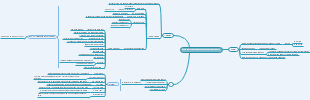
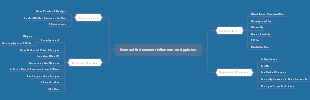
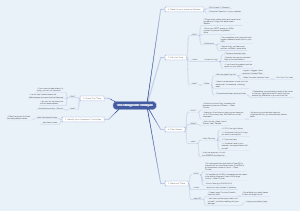
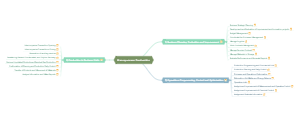
This mind map, created using EdrawMind, offers a detailed exploration of the Agile development process, encompassing its core principles, methodologies, roles, practices, tools, ceremonies, and the crucial aspects of continuous improvement and feedback iteration. It serves as a comprehensive guide for understanding and implementing Agile practices in software development, highlighting how each component interlinks to foster adaptability, efficiency, and customer satisfaction throughout the project lifecycle.
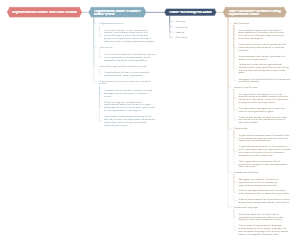
Edited at 2025-10-16 09:46:04This mind map, created using EdrawMind, provides a comprehensive overview of the Agile Development Process, covering key components such as iteration and increment, user stories, backlog management, sprint planning, daily standups, sprint review, retrospective meetings, continuous integration, testing practices, and collaboration tools. Each section details specific practices, purposes, and benefits, offering a structured guide to implementing Agile methodologies effectively in software development projects.
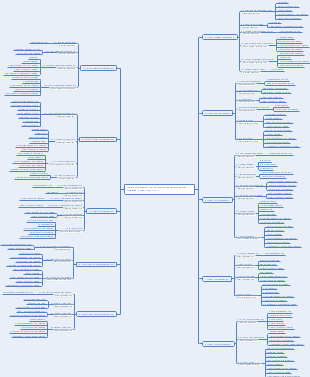
This mind map, created using EdrawMind, offers a detailed exploration of the Agile development process, encompassing its core principles, methodologies, roles, practices, tools, ceremonies, and the crucial aspects of continuous improvement and feedback iteration. It serves as a comprehensive guide for understanding and implementing Agile practices in software development, highlighting how each component interlinks to foster adaptability, efficiency, and customer satisfaction throughout the project lifecycle.
This mind map, created using EdrawMind, provides a comprehensive overview of the Agile Development Process, covering key components such as iteration and increment, user stories, backlog management, sprint planning, daily standups, sprint review, retrospective meetings, continuous integration, testing practices, and collaboration tools. Each section details specific practices, purposes, and benefits, offering a structured guide to implementing Agile methodologies effectively in software development projects.
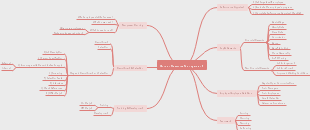
This mind map, created using EdrawMind, offers a detailed exploration of the Agile development process, encompassing its core principles, methodologies, roles, practices, tools, ceremonies, and the crucial aspects of continuous improvement and feedback iteration. It serves as a comprehensive guide for understanding and implementing Agile practices in software development, highlighting how each component interlinks to foster adaptability, efficiency, and customer satisfaction throughout the project lifecycle.
Agile development process
Principles of Agile
Customer satisfaction
Early and continuous delivery of valuable software
Promote collaborations with stakeholders
Aligns development with customer needs
Welcome changing requirements
Encourage flexibility even late in development
Value responding to change
Adapt to evolving market conditions
Deliver working software frequently
Short time intervals weeks rather than months
Prioritize regular customer feedback
Reduce the risk of project failures
Business and development must work together
Close cooperation between business people and developers
Share goals and priorities
Foster team collaboration
Motivated individuals
Build projects around motivated individuals
Trust team members to get the job done
Provide necessary support and environment
Facetoface communication
Prefer facetoface conversation over written documentation
Enhance clarity and build better relationships
Facilitate quick decisionmaking
Working software is the primary measure of progress
Focus on delivering functional software
Shift attention from activities to outcomes
Create transparent success metrics
Sustainable development
Promote a constant pace indefinitely
Balance workload to maintain quality
Avoid burnout for the team
Technical excellence and good design
Emphasize quality and maintainability
Invest in technical practices that support quality
Foster a culture of continuous technical improvement
Simplicity
Maximize the amount of work not done
Encourage minimalism in requirements and processes
Focus on delivering core functionalities
Selforganizing teams
Allow teams to organize work themselves
Enhance ownership and accountability
Foster creativity and innovation
Regular reflection and adjustment
Conduct regular retrospectives
Identify what works and what doesn’t
Empower teams to evolve and improve
Agile methodologies
Scrum
Framework for managing complex projects
Focus on iterative progress and feedback
Involves short cycles called sprints
Kanban
Visualize the workflow and limit work in progress
Use a Kanban board to track tasks
Improve efficiency through continuous delivery
Extreme Programming XP
Focus on engineering practices to improve software quality
Incorporate pair programming, testdriven development
Maintain close collaboration and customer involvement
Lean Software Development
Minimize waste while maximizing value
Focus on delivering customer value efficiently
Abandon nonessential processes
Roles in Agile
Product Owner
Represents the stakeholders
Prioritizes the product backlog
Defines the vision and goals
Scrum Master
Facilitates the Scrum process
Serves as a coach for the development team
Removes impediments to progress
Development Team
Crossfunctional group responsible for delivery
Collaborates to deliver increments of work
Selforganizing and accountable for their work
Agile planning
Release Planning
Outline the timeline for delivering increments
Define major features and milestones
Align plans with customer priorities
Iteration Planning
Establish goals for each iteration
Select user stories to complete
Estimate effort needed for tasks
Daily Standups
Brief daily meetings to synchronize work
Discuss progress, plans, and obstacles
Encourage transparency and accountability
Agile practices
Continuous integration
Merge code changes frequently
Detect errors quickly and improve software quality
Maintain an uptodate codebase
Testdriven development TDD
Write tests before writing code
Ensure that software meets requirements
Promote better design and reduce defects
Pair programming
Two developers work together on the same code
Enhance code quality through collaboration
Facilitate knowledge sharing and skills development
Refactoring
Improve existing code without changing its external behavior
Enhance readability, reduce complexity
Prevent technical debt accumulation
Agile tools
Jira
Popular tool for tracking Agile projects
Supports Scrum, Kanban, and reporting
Customizable workflows and dashboards
Trello
Visual task management tool using boards and cards
Suitable for small teams and projects
Easy collaboration and progress tracking
Asana
Project management tool focused on teamwork
Allows task assignments and due date tracking
Integrates with other tools for efficiency
Confluence
Collaboration and documentation tool
Store project documentation in a centralized place
Promote knowledge sharing among teams
Agile ceremonies
Sprint Planning
Meeting to prepare for the upcoming sprint
Select work items and define goals
Clarify task details and assignments
Daily Standup
Daily checkin meeting for team synchronization
Keep discussions focused and timeboxed
Share progress and highlight obstacles
Sprint Review
Demonstration at the end of a sprint
Present completed work to stakeholders
Gather feedback for future iterations
Sprint Retrospective
Reflective meeting postsprint
Discuss what went well and what to improve
Create actionable plans for the next sprint
Feedback and iteration
Collecting customer feedback
Utilize demonstrations and reviews
Engage stakeholders in evaluations
Adapt products based on input received
Iterative development
Incrementally build software over multiple iterations
Enables frequent reassessment of development goals
Encourage shortterm adaptation to changing needs
Continuous improvement
Embrace a culture of learning
Promote team retrospectives to identify improvements
Implement changes based on outcomes
Encourage ongoing skills development
Foster innovation
Allow teams time for exploration and creativity
Support experimentation and new ideas
Reward problemsolving and inventive thinking