MindMap Gallery IT Infrastructure R&R (Roles and Responsibilities)
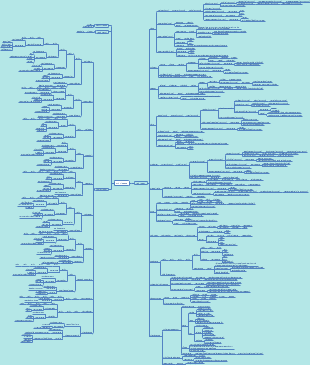
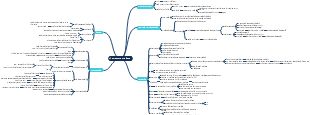
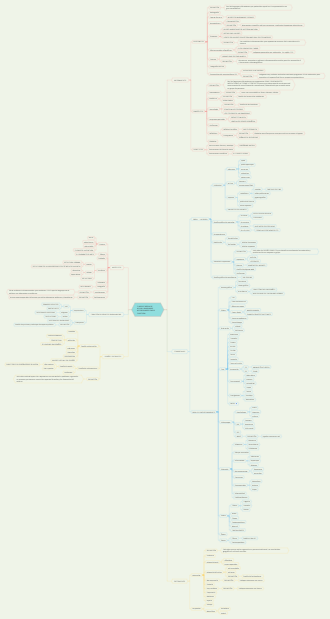
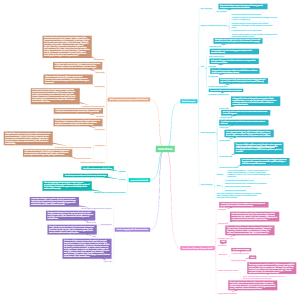
This mind map, created using EdrawMind, provides a comprehensive overview of IT infrastructure, covering types, components, cloud computing, security, management, emerging trends, challenges, and operational aspects. It details traditional, cloud, and edge infrastructures, and breaks down components like hardware, software, and network. The map also explores cloud computing models and deployment types, security measures, IT infrastructure management practices, and emerging trends such as AI and DevOps. Additionally, it addresses challenges like integration and security, along with operational duties including attach storage and patching.
Edited at 2025-11-25 18:50:52This mind map, created using EdrawMind, provides a comprehensive overview of IT infrastructure, covering types, components, cloud computing, security, management, emerging trends, challenges, and operational aspects. It details traditional, cloud, and edge infrastructures, and breaks down components like hardware, software, and network. The map also explores cloud computing models and deployment types, security measures, IT infrastructure management practices, and emerging trends such as AI and DevOps. Additionally, it addresses challenges like integration and security, along with operational duties including attach storage and patching.

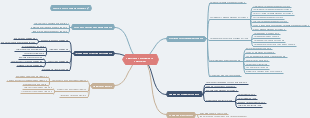
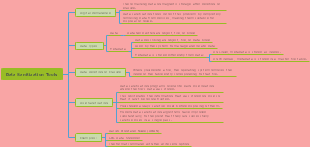
This mind map details Certificate Lifecycle Management (CLM) core functions: providing oversight for security/compliance, automating PKI/SSH key pairs, and managing public/private CAs. The framework highlights CLM's role as the nerve center of enterprise PKI infrastructure, demonstrating automated end-to-end management from issuance to revocation.
This mind map, created using EdrawMind, provides a comprehensive overview of IT infrastructure, covering types, components, cloud computing, security, management, emerging trends, challenges, and operational aspects. It details traditional, cloud, and edge infrastructures, and breaks down components like hardware, software, and network. The map also explores cloud computing models and deployment types, security measures, IT infrastructure management practices, and emerging trends such as AI and DevOps. Additionally, it addresses challenges like integration and security, along with operational duties including attach storage and patching.
This mind map details Certificate Lifecycle Management (CLM) core functions: providing oversight for security/compliance, automating PKI/SSH key pairs, and managing public/private CAs. The framework highlights CLM's role as the nerve center of enterprise PKI infrastructure, demonstrating automated end-to-end management from issuance to revocation.
ITO R&R
Types of IT Infrastructure
Traditional Infrastructure
On premise data centers
Physical Hardware
Cloud Infrastructure
Public cloud
Private cloud
Hybrid cloud
Edge Infrastructure
Edge computing
Internet of Things IoT
Components of IT infrastructure
Virtual Servers
Web servers
Application servers
Database servers
VM DataStore
Software
Type 1 hypervisor
Monitoring
Network
Server / Cable connection Point
Support to larger network efforts
Firewall rules for ITO based services only
Hardware
Computational Use
Blades
Rack Mount
Out of Bands (OOB)
Data storage
SAN
Hard disk drives
Solid state drives
Server / Cable connection Point
Network attached storage (NAS)
Cloud Computing
Models
Infrastructure as a Service IaaS
Platform as a Service PaaS
Software as a Service SaaS
Deployment types
Public cloud
Private cloud
Hybrid cloud
Security in IT Infrastructure
Components
Network security
Application security
Data security
Best practices
Regular updates
Access controls
Security audits
IT Infrastructure Management
Information Technology Infrastructure Library (ITIL)
Dictates a tiered support model where issues are escalated from general to specialized teams.
Monitoring
Server Performance monitoring
Server Network monitoring
System Fault alerts (hardware failure...)
Maintenance
Patch management
Backup and recovery
Optimization
Capacity planning
Resource allocation
TOGAF
Enterprise architecture, providing a blueprint for aligning an organization's IT capabilities with its business strategy,
IT Consulting & Strategy
Align to company's IT strategy
Digital transformation initiatives
IT project management.
ITO Architecture and project design
Emerging Trends
Automation
Infrastructure as Code IaC
Orchestration tools
AI and Machine Learning
Predictive analytics
Improved decision making
DevOps
Collaboration between development and operations
Continuous integration and delivery
Challenges
Integration
Legacy systems
New technologies
Scalability
Meeting growing demands
Cost considerations
Security
System Level remediation
Service Delivery
Contracted services KPI's
Performance metrics / SLA's
Uptime, response times, resolution times
Subtopic
Expertise and Innovation
Staying current with the latest technology
Access to specialized skills and advanced tools
Operational
OS install
Attach Storage
Current Security and BUG patches
Assistants of Other non-ITO software/applications.
Patching
OS
Security
BUG
Feature
Includes all base components installed By ITO for operational support of the server. Includes ITO and security required tools/agents/software Excludes Any software not commissioned by ITO or Security Excludes any 3rd party component installed as part of a application install. i.e. Log4J, mysql DB, Java, php/perl, Apache anything...etc.
BIOS
Security
BUG
Feature
BUR/DR setup
Setup appropriate server backup approach
Setup replicated SAN storage on servers
Build ITO infrastructure in DR
Reporting
Transparent communication
Regular progress reports, and performance reviews
Troubleshooting
If an application is running slowly, the Application Support team investigates. If their diagnostics show the issue is due to a server failure, overloaded network, or an operating system malfunction, the ticket is escalated to the ITO Support team.
If the ITO team confirms the underlying infrastructure is sound, but the application is still failing, the issue is directed back to the Application Support team (or higher tiers like developers/vendors) for an application-specific fix
ITO R&R
Types of IT Infrastructure
Traditional Infrastructure
On premise data centers
Physical Hardware
Cloud Infrastructure
Public cloud
Private cloud
Hybrid cloud
Edge Infrastructure
Edge computing
Internet of Things IoT
Components of IT infrastructure
Virtual Servers
Web servers
Application servers
Database servers
VM DataStore
Software
Type 1 hypervisor
Monitoring
Network
Server / Cable connection Point
Support to larger network efforts
Firewall rules for ITO based services only
Hardware
Computational Use
Blades
Rack Mount
Out of Bands (OOB)
Data storage
SAN
Hard disk drives
Solid state drives
Server / Cable connection Point
Network attached storage (NAS)
Cloud Computing
Models
Infrastructure as a Service IaaS
Platform as a Service PaaS
Software as a Service SaaS
Deployment types
Public cloud
Private cloud
Hybrid cloud
Security in IT Infrastructure
Components
Network security
Application security
Data security
Best practices
Regular updates
Access controls
Security audits
IT Infrastructure Management
Information Technology Infrastructure Library (ITIL)
Dictates a tiered support model where issues are escalated from general to specialized teams.
Monitoring
Server Performance monitoring
Server Network monitoring
System Fault alerts (hardware failure...)
Maintenance
Patch management
Backup and recovery
Optimization
Capacity planning
Resource allocation
TOGAF
Enterprise architecture, providing a blueprint for aligning an organization's IT capabilities with its business strategy,
IT Consulting & Strategy
Align to company's IT strategy
Digital transformation initiatives
IT project management.
ITO Architecture and project design
Emerging Trends
Automation
Infrastructure as Code IaC
Orchestration tools
AI and Machine Learning
Predictive analytics
Improved decision making
DevOps
Collaboration between development and operations
Continuous integration and delivery
Challenges
Integration
Legacy systems
New technologies
Scalability
Meeting growing demands
Cost considerations
Security
System Level remediation
Service Delivery
Contracted services KPI's
Performance metrics / SLA's
Uptime, response times, resolution times
Subtopic
Expertise and Innovation
Staying current with the latest technology
Access to specialized skills and advanced tools
Operational
OS install
Attach Storage
Current Security and BUG patches
Assistants of Other non-ITO software/applications.
Patching
OS
Security
BUG
Feature
Includes all base components installed By ITO for operational support of the server. Includes ITO and security required tools/agents/software Excludes Any software not commissioned by ITO or Security Excludes any 3rd party component installed as part of a application install. i.e. Log4J, mysql DB, Java, php/perl, Apache anything...etc.
BIOS
Security
BUG
Feature
BUR/DR setup
Setup appropriate server backup approach
Setup replicated SAN storage on servers
Build ITO infrastructure in DR
Reporting
Transparent communication
Regular progress reports, and performance reviews
Troubleshooting
If an application is running slowly, the Application Support team investigates. If their diagnostics show the issue is due to a server failure, overloaded network, or an operating system malfunction, the ticket is escalated to the ITO Support team.
If the ITO team confirms the underlying infrastructure is sound, but the application is still failing, the issue is directed back to the Application Support team (or higher tiers like developers/vendors) for an application-specific fix
ITO R&R
Types of IT Infrastructure
Traditional Infrastructure
On premise data centers
Physical Hardware
Cloud Infrastructure
Public cloud
Private cloud
Hybrid cloud
Edge Infrastructure
Edge computing
Internet of Things IoT
Components of IT infrastructure
Virtual Servers
Web servers
Application servers
Database servers
VM DataStore
Software
Type 1 hypervisor
Monitoring
Network
Server / Cable connection Point
Support to larger network efforts
Firewall rules for ITO based services only
Hardware
Computational Use
Blades
Rack Mount
Out of Bands (OOB)
Data storage
SAN
Hard disk drives
Solid state drives
Server / Cable connection Point
Network attached storage (NAS)
Cloud Computing
Models
Infrastructure as a Service IaaS
Platform as a Service PaaS
Software as a Service SaaS
Deployment types
Public cloud
Private cloud
Hybrid cloud
Security in IT Infrastructure
Components
Network security
Application security
Data security
Best practices
Regular updates
Access controls
Security audits
IT Infrastructure Management
Information Technology Infrastructure Library (ITIL)
Dictates a tiered support model where issues are escalated from general to specialized teams.
Monitoring
Server Performance monitoring
Server Network monitoring
System Fault alerts (hardware failure...)
Maintenance
Patch management
Backup and recovery
Optimization
Capacity planning
Resource allocation
TOGAF
Enterprise architecture, providing a blueprint for aligning an organization's IT capabilities with its business strategy,
IT Consulting & Strategy
Align to company's IT strategy
Digital transformation initiatives
IT project management.
ITO Architecture and project design
Emerging Trends
Automation
Infrastructure as Code IaC
Orchestration tools
AI and Machine Learning
Predictive analytics
Improved decision making
DevOps
Collaboration between development and operations
Continuous integration and delivery
Challenges
Integration
Legacy systems
New technologies
Scalability
Meeting growing demands
Cost considerations
Security
System Level remediation
Service Delivery
Contracted services KPI's
Performance metrics / SLA's
Uptime, response times, resolution times
Subtopic
Expertise and Innovation
Staying current with the latest technology
Access to specialized skills and advanced tools
Operational
OS install
Attach Storage
Current Security and BUG patches
Assistants of Other non-ITO software/applications.
Patching
OS
Security
BUG
Feature
Includes all base components installed By ITO for operational support of the server. Includes ITO and security required tools/agents/software Excludes Any software not commissioned by ITO or Security Excludes any 3rd party component installed as part of a application install. i.e. Log4J, mysql DB, Java, php/perl, Apache anything...etc.
BIOS
Security
BUG
Feature
BUR/DR setup
Setup appropriate server backup approach
Setup replicated SAN storage on servers
Build ITO infrastructure in DR
Reporting
Transparent communication
Regular progress reports, and performance reviews
Troubleshooting
If an application is running slowly, the Application Support team investigates. If their diagnostics show the issue is due to a server failure, overloaded network, or an operating system malfunction, the ticket is escalated to the ITO Support team.
If the ITO team confirms the underlying infrastructure is sound, but the application is still failing, the issue is directed back to the Application Support team (or higher tiers like developers/vendors) for an application-specific fix
ITO R&R
Types of IT Infrastructure
Traditional Infrastructure
On premise data centers
Physical Hardware
Cloud Infrastructure
Public cloud
Private cloud
Hybrid cloud
Edge Infrastructure
Edge computing
Internet of Things IoT
Components of IT infrastructure
Virtual Servers
Web servers
Application servers
Database servers
VM DataStore
Software
Type 1 hypervisor
Monitoring
Network
Server / Cable connection Point
Support to larger network efforts
Firewall rules for ITO based services only
Hardware
Computational Use
Blades
Rack Mount
Out of Bands (OOB)
Data storage
SAN
Hard disk drives
Solid state drives
Server / Cable connection Point
Network attached storage (NAS)
Cloud Computing
Models
Infrastructure as a Service IaaS
Platform as a Service PaaS
Software as a Service SaaS
Deployment types
Public cloud
Private cloud
Hybrid cloud
Security in IT Infrastructure
Components
Network security
Application security
Data security
Best practices
Regular updates
Access controls
Security audits
IT Infrastructure Management
Information Technology Infrastructure Library (ITIL)
Dictates a tiered support model where issues are escalated from general to specialized teams.
Monitoring
Server Performance monitoring
Server Network monitoring
System Fault alerts (hardware failure...)
Maintenance
Patch management
Backup and recovery
Optimization
Capacity planning
Resource allocation
TOGAF
Enterprise architecture, providing a blueprint for aligning an organization's IT capabilities with its business strategy,
IT Consulting & Strategy
Align to company's IT strategy
Digital transformation initiatives
IT project management.
ITO Architecture and project design
Emerging Trends
Automation
Infrastructure as Code IaC
Orchestration tools
AI and Machine Learning
Predictive analytics
Improved decision making
DevOps
Collaboration between development and operations
Continuous integration and delivery
Challenges
Integration
Legacy systems
New technologies
Scalability
Meeting growing demands
Cost considerations
Security
System Level remediation
Service Delivery
Contracted services KPI's
Performance metrics / SLA's
Uptime, response times, resolution times
Subtopic
Expertise and Innovation
Staying current with the latest technology
Access to specialized skills and advanced tools
Operational
OS install
Attach Storage
Current Security and BUG patches
Assistants of Other non-ITO software/applications.
Patching
OS
Security
BUG
Feature
Includes all base components installed By ITO for operational support of the server. Includes ITO and security required tools/agents/software Excludes Any software not commissioned by ITO or Security Excludes any 3rd party component installed as part of a application install. i.e. Log4J, mysql DB, Java, php/perl, Apache anything...etc.
BIOS
Security
BUG
Feature
BUR/DR setup
Setup appropriate server backup approach
Setup replicated SAN storage on servers
Build ITO infrastructure in DR
Reporting
Transparent communication
Regular progress reports, and performance reviews
Troubleshooting
If an application is running slowly, the Application Support team investigates. If their diagnostics show the issue is due to a server failure, overloaded network, or an operating system malfunction, the ticket is escalated to the ITO Support team.
If the ITO team confirms the underlying infrastructure is sound, but the application is still failing, the issue is directed back to the Application Support team (or higher tiers like developers/vendors) for an application-specific fix