MindMap Gallery Introduction to Indian Music
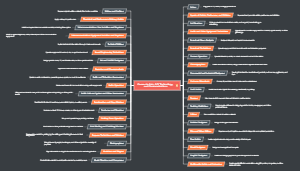
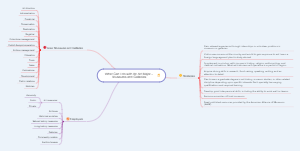
This detailed mind map, created using EdrawMind, provides a comprehensive overview of Indian music, covering its origin and evolution, the influence of the Bhakti movement, fundamental concepts, comparisons between Karnataka Carnatic and Hindustani classical music, its scope and relevance today, and a conclusion on its significance. The map explores historical periods, regional influences, key musical elements like ragas and talas, and the impact of the Bhakti movement on devotional music. It serves as an insightful guide for understanding the rich heritage and contemporary relevance of Indian music.
Edited at 2025-12-21 18:32:56This detailed mind map, created using EdrawMind, provides a comprehensive overview of Indian music, covering its origin and evolution, the influence of the Bhakti movement, fundamental concepts, comparisons between Karnataka Carnatic and Hindustani classical music, its scope and relevance today, and a conclusion on its significance. The map explores historical periods, regional influences, key musical elements like ragas and talas, and the impact of the Bhakti movement on devotional music. It serves as an insightful guide for understanding the rich heritage and contemporary relevance of Indian music.
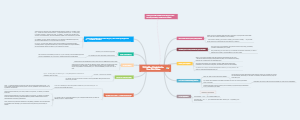
This mind map provides a comprehensive overview of neurotransmitters, detailing their definition, types, functions, and associated disorders. It categorizes neurotransmitters into excitatory, inhibitory, and modulatory types, each with specific functions and examples. The map further explores the roles of key neurotransmitters like glutamate, GABA, dopamine, and norepinephrine in learning, memory, anxiety, movement, and attention, as well as their implications in disorders such as Alzheimer's, ADHD, and anxiety disorders, offering a holistic understanding of neurotransmitter impact on brain function and mental health.
This detailed mind map, created using EdrawMind, provides a comprehensive overview of Indian music, covering its origin and evolution, the influence of the Bhakti movement, fundamental concepts, comparisons between Karnataka Carnatic and Hindustani classical music, its scope and relevance today, and a conclusion on its significance. The map explores historical periods, regional influences, key musical elements like ragas and talas, and the impact of the Bhakti movement on devotional music. It serves as an insightful guide for understanding the rich heritage and contemporary relevance of Indian music.
This mind map provides a comprehensive overview of neurotransmitters, detailing their definition, types, functions, and associated disorders. It categorizes neurotransmitters into excitatory, inhibitory, and modulatory types, each with specific functions and examples. The map further explores the roles of key neurotransmitters like glutamate, GABA, dopamine, and norepinephrine in learning, memory, anxiety, movement, and attention, as well as their implications in disorders such as Alzheimer's, ADHD, and anxiety disorders, offering a holistic understanding of neurotransmitter impact on brain function and mental health.
Introduction to Indian Music
1. Origin and Evolution of Indian Music
1.1 Music in the Vedic Period
● Sāmaveda as the root of Indian music
● Importance of chanting → swaras udātta, anudātta, svarita
● Ritual context
1.2 Ancient Texts and Theoretical Foundations
● Nātya Śāstra by Bharata Śruti, Svara, Tāla, Rasa
● Dattilam and early rāga concepts
1.3 Medieval Developments
● Court patronage
● Temple music South vs. Sufi and Mughal influence North
1.4 Modern Period
● Systematization of Carnatic Melakarta system, Trinity of Carnatic music
● Codification of Hindustani Thaat system by Bhatkhande
● Integration into cinema and global recognition
2. Influence of the Bhakti Movement on Indian Music
2.1 Philosophy of Bhakti
● Devotion as path to salvation
● Music as emotional offering
2.2 Bhakti in South India Carnatic side
● Role of Alvars and Nayanmars
● Purandaradasa his pedagogical system sarali varisai, geethams
● Tyagaraja’s kritis with example “Endaro Mahanubhavulu”
2.3 Bhakti in North India Hindustani side
● Sant poets Kabir, Mirabai, Surdas, Tulsidas
● Spread of bhajan and kirtan traditions
● Influence on dhrupad and khayal
2.4 Cross-regional Impact
● Folk + classical blend
● Example Mira bhajans sung in both Carnatic and Hindustani styles
3. Fundamental Concepts in Indian Music
3.1 Svara Notes
● Definition of swara
● The 12 swaras Sa, Re/Ri, Ga, Ma, Pa, Dha, Ni with shuddha, komal, tivra
● Fixed nature of Sa and Pa
● Example Arohana of Raga Shankarabharanam vs. Raga Bhairav
3.2 Laya Tempo
● Types Vilambit, Madhya, Drut
● Concept of tala–laya balance
● Example how a kriti in Adi Tala can begin in madhya laya
3.3 Rāga Melodic Framework
● Rules of rāga Arohana-avarohana, vadi-samvadi, pakad catch phrase, rasa
● Emotional evocation Raga Malkauns → serious, meditative
● Time theory of rāgas Raga Bhairav → early morning
● Comparison of Yaman Hindustani vs. Kalyani Carnatic
3.4 Tāla Rhythmic Cycle
● Tala as cyclic rhythm with claps/waves
● Hindustani talas Teentaal 16, Ektaal 12, Jhaptal 10
● Carnatic talas Adi 8, Rupaka 6, Misra Chapu 7
● Example Teentaal bols → Dha Dhin Dhin Dha Dha Dhin Dhin Dha Dha Tin Tin Ta Ta Dhin Dhin Dha
4. Comparison of Karnataka Carnatic and Hindustani Classical Music
4.1 Historical Evolution
● Carnatic Rooted in temples, devotional compositions
● Hindustani Persian/Mughal fusion
4.2 Compositional Styles
● Carnatic Kriti, Varnam, Ragam-Tanam-Pallavi
● Hindustani Dhrupad, Khayal, Thumri, Tarana
4.3 Rāga Systems
● Carnatic Melakarta scheme 72 parent rāgas
● Hindustani Bhatkhande’s thaat system 10 thaats
4.4 Tāla Systems
● Carnatic Sapta tala system, highly mathematical
● Hindustani fewer cycles but more improvisation freedom
4.5 Language and Lyrics
● Carnatic Telugu, Tamil, Sanskrit
● Hindustani Hindi, Urdu, Braj Bhasha
4.6 Instruments
● Carnatic Veena, Mridangam, Violin
● Hindustani Sitar, Sarod, Tabla
4.7 Example Case Study
● Raga Kalyani Carnatic vs. Raga Yaman Hindustani
5. The Scope and Relevance of Indian Music Today
● Role in meditation and therapy
● Integration in Bollywood and global fusion Ravi Shankar, AR Rahman
● Preservation through institutions and digital platforms
6. Conclusion
● Indian music as a spiritual and aesthetic tradition
● Bhakti → emotional depth
● Two classical systems → complementary streams
● Importance of fundamentals svara, laya, raga, tala in understanding both
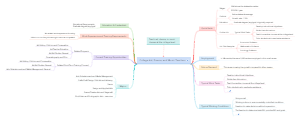
1. Origin and Evolution
● Ancient Roots
○ Indian music traces back to the Vedas 1500–500 BCE
○ The Sāmaveda contains hymns meant to be sung, laying the foundation of melodic chanting
○ Early music was connected to rituals, spirituality, and oral traditions
● Nātya Śāstra 2nd century BCE – 2nd century CE by Bharata is one of the earliest systematic treatises on music, dance, and drama
○ Describes Śruti microtones, Svara notes, Rāga melodic framework, and Tāla rhythm
● Over centuries, Indian music evolved through cultural exchanges
○ Bhakti Movement 8th–16th century brought devotional expression
○ Persian & Mughal influences 12th–18th century enriched music in North India, leading to the Hindustani style
○ South India retained more continuity with ancient traditions, forming Carnatic music
2. Influence of Bhakti Movement
● The Bhakti movement emphasized devotion bhakti over ritual, making music a spiritual medium accessible to everyone
● Saint-composers spread devotional songs in regional languages, allowing people to connect with divinity emotionally
● Examples
○ South India Carnatic Purandaradasa 1484–1564 → "Father of Carnatic Music"
○ North India Hindustani Sant Kabir, Mirabai, Surdas, Tulsidas composed bhajans that blended poetry with melody
● Bhakti music stressed emotional appeal bhava rather than technical display, shaping both classical and folk traditions
3. Basic Concepts of Indian Music
a Svara Musical Note
● The building blocks of melody
● Seven basic notes Saptasvara Sa, Ri/Re, Ga, Ma, Pa, Da/Dha, Ni
● Example The scale Sa-Ri-Ga-Ma-Pa-Dha-Ni-Sa in Carnatic = Sa-Re-Ga-Ma-Pa-Dha-Ni-Sa in Hindustani
b Laya Tempo/Speed
● Refers to the flow of time in music
● Three main types Vilambit slow, Madhya medium, Drut fast
● Example In a bhajan, the opening may be in vilambit laya slow, devotional
c Rāga Melodic Framework
● A rāga is not just a scale it is a framework for improvisation and mood creation
● Defined by Aroha–Avaroha, Vadi, Samvadi, Time of performance, Rasa
● Example Raga Yaman Hindustani → evening rāga, evokes devotion and peace
d Tāla Rhythmic Cycle
● Tāla = cyclic rhythm pattern, kept with claps, waves, and finger counts
● Hindustani system Popular tālas – Teentaal 16 beats, Ektaal 12 beats, Jhaptal 10 beats
● Carnatic system Uses Suladi Sapta Tāla system 7 families
4. Karnataka Carnatic vs. Hindustani Classical Music
Aspect
● Carnatic Retained more continuity with ancient Vedic traditions
● Hindustani Heavily influenced by Persian, Mughal & Sufi traditions
Compositions
● Carnatic Fixed, kriti-based
● Hindustani More improvisational
Language
● Carnatic Telugu, Sanskrit, Tamil
● Hindustani Hindi, Braj, Urdu, Persian
Rāga system
● Carnatic Melakarta system 72 parent rāgas
● Hindustani Bhatkhande’s thaat system 10 thaats
Tāla system
● Carnatic Highly codified
● Hindustani Fewer cycles but more improvisation freedom
Instruments
● Carnatic Veena, Mridangam, Violin
● Hindustani Sitar, Sarod, Tabla
5. Scope and Relevance of Indian Music Today
● Spiritual practice Many still see rāgas as meditative tools
● Therapeutic use Music therapy employs rāgas for healing
● Cinema Bollywood and South Indian film music draw heavily from rāgas
● Global stage Artists like Ravi Shankar, Zakir Hussain, AR Rahman have popularized Indian classical music worldwide
● Education Universities and online platforms now teach both Carnatic and Hindustani systems systematically
6. Conclusion
● Indian music is a living tradition rooted in spirituality, philosophy, and cultural evolution
● The Bhakti movement made it emotionally accessible
● The twin streams of Carnatic and Hindustani music show how regional and historical influences shaped two vibrant traditions
● Understanding svara, laya, raga, and tala provides the foundation for appreciating both systems