MindMap Gallery Freedom Movement (Revolt of 1857)
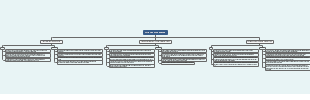
This mind map, created using EdrawMind, provides a comprehensive overview of the Revolt of 1857, a pivotal event in India's struggle for freedom. It covers key aspects such as the causes of the revolt, planning and mangal pandey's role, its spread across India, specific events in Gujarat, the revolt's end, reasons for its failure, and its long-term effects and consequences. The central image depicts the revolt, symbolizing the unified uprising against British rule. This visual aid is ideal for students and history enthusiasts seeking a structured understanding of this significant historical event.
Edited at 2026-01-05 02:46:13Freedom Movement (Revolt of 1857)
Causes of the Revolt
Social & Religious Causes
• Forced social reforms created fear and suspicion
• Belief that British wanted to destroy Indian culture/religion
• Orthodox society disliked changes in railways, jails, army
Economic Causes
• British policies made India poor to enrich England
• Heavy taxes and loss of land hurt peasants and landlords
• Widespread poverty led many to join the revolt
Political Causes
• British expansion through Subsidiary Alliance & Doctrine of Lapse
• Loss of kingdoms angered rulers like Rani Lakshmibai & Kunwar Singh
• Unfair annexations created deep resentment
Military Causes
• Discrimination in salary and promotion for Indian soldiers
• Ratio of Indian to British soldiers was 6:1
• Religious restrictions violated—sepoys forced to cross the sea
Immediate Cause
• Enfield rifle cartridges greased with cow & pig fat
• Offended both Hindus and Muslims
• 19th Battalion at Barrackpore refused and was disbanded
Planning & Mangal Pandey
Leaders & Planning
• Planned revolt date: 31st May 1857
• Leaders included Nana Saheb, Bahadur Shah Zafar, Tatya Tope
• Lotus and roti used as secret symbols of rebellion
Role of Mangal Pandey
• Opposed the greased cartridges openly
• Killed British officers and refused arrest
• Became first martyr after being hanged on 8 April 1857
Spread of the Revolt
Delhi – Bahadur Shah Zafar
• Soldiers from Meerut captured Delhi on 11 May
• Mughal emperor accepted leadership
• Spread nationalism across regions
Kanpur – Nana Saheb
• Revolt began on 4 June
• Led bravely but surrendered due to food and water shortage
• Later escaped to Nepal
Bihar – Kunwar Singh
• 70-year-old leader from Jagdishpur
• Fought bravely despite injury; amputated his arm
• Freed Jagdishpur before dying
Jhansi – Rani Laxmibai
• Joined revolt after annexation due to Doctrine of Lapse
• Trained women’s army and showed unmatched bravery
• Died fighting near Kalpi
Tatya Tope – Commander
• Trusted general of Nana Saheb
• Fought most battles in the revolt
• Continued struggle even after setbacks
Revolt in Gujarat
Ahmedabad & Panchmahal
• 7th battalion revolted but was suppressed
• Nayakadas continued rebellion for a year
• Local leaders supported sepoys against British
Garbad Das Patel
• Collected 2000 volunteers of Koli & Nayakada communities
• Supporters were executed brutally by the British
• Garbad Das was exiled to Andamans
Wagher Women of Bet Dwarka
• Showed heroic courage by cooling cannonballs with wet mattresses
• Enabled men to continue fighting safely
• Their bravery compared to Rani Laxmibai
End of the Revolt
Recapture by British
• British regained Banaras & Allahabad by June 1857
• Kanpur by July, Delhi by September
• Bahadur Shah Zafar exiled to Rangoon
Loss of Leaders
• Rani Laxmibai died in battle
• Tatya Tope captured (or escaped per other sources)
• Nana Saheb believed to have died in 1902
Final Collapse
• Lack of coordination and unity weakened the revolt
• British superior army ended the movement by 1859
Reasons for Failure
Weaknesses of the Rebels
• No central leadership or coordination
• Revolt began earlier than planned, alerting British
• Mainly limited to North India
Social & Regional Factors
• Reformers and intellectuals didn’t support the revolt
• Regional differences prevented national unity
• Some groups like Sikhs & Gurkhas supported British
Military Disadvantages
• British had superior weapons and supplies
• Rebels fought for personal kingdoms, not national freedom
Effects & Consequences
Political Changes
• Company rule abolished; British Crown took over India
• No more interference in princely states' internal matters
• British government introduced policy changes
Military Changes
• Better salary and facilities for Indian sepoys
• Army reorganized to reduce chances of rebellion
Rise of Nationalism
• 1857 revolt ignited national consciousness
• Became inspiration for future freedom fighters
• Marked the beginning of organized national movement
Freedom Movement (Revolt of 1857)
Causes of the Revolt
Social & Religious Causes
• Forced social reforms created fear and suspicion
• Belief that British wanted to destroy Indian culture/religion
• Orthodox society disliked changes in railways, jails, army
Economic Causes
• British policies made India poor to enrich England
• Heavy taxes and loss of land hurt peasants and landlords
• Widespread poverty led many to join the revolt
Political Causes
• British expansion through Subsidiary Alliance & Doctrine of Lapse
• Loss of kingdoms angered rulers like Rani Lakshmibai & Kunwar Singh
• Unfair annexations created deep resentment
Military Causes
• Discrimination in salary and promotion for Indian soldiers
• Ratio of Indian to British soldiers was 6:1
• Religious restrictions violated—sepoys forced to cross the sea
Immediate Cause
• Enfield rifle cartridges greased with cow & pig fat
• Offended both Hindus and Muslims
• 19th Battalion at Barrackpore refused and was disbanded
Planning & Mangal Pandey
Leaders & Planning
• Planned revolt date: 31st May 1857
• Leaders included Nana Saheb, Bahadur Shah Zafar, Tatya Tope
• Lotus and roti used as secret symbols of rebellion
Role of Mangal Pandey
• Opposed the greased cartridges openly
• Killed British officers and refused arrest
• Became first martyr after being hanged on 8 April 1857
Spread of the Revolt
Delhi – Bahadur Shah Zafar
• Soldiers from Meerut captured Delhi on 11 May
• Mughal emperor accepted leadership
• Spread nationalism across regions
Kanpur – Nana Saheb
• Revolt began on 4 June
• Led bravely but surrendered due to food and water shortage
• Later escaped to Nepal
Bihar – Kunwar Singh
• 70-year-old leader from Jagdishpur
• Fought bravely despite injury; amputated his arm
• Freed Jagdishpur before dying
Jhansi – Rani Laxmibai
• Joined revolt after annexation due to Doctrine of Lapse
• Trained women’s army and showed unmatched bravery
• Died fighting near Kalpi
Tatya Tope – Commander
• Trusted general of Nana Saheb
• Fought most battles in the revolt
• Continued struggle even after setbacks
Revolt in Gujarat
Ahmedabad & Panchmahal
• 7th battalion revolted but was suppressed
• Nayakadas continued rebellion for a year
• Local leaders supported sepoys against British
Garbad Das Patel
• Collected 2000 volunteers of Koli & Nayakada communities
• Supporters were executed brutally by the British
• Garbad Das was exiled to Andamans
Wagher Women of Bet Dwarka
• Showed heroic courage by cooling cannonballs with wet mattresses
• Enabled men to continue fighting safely
• Their bravery compared to Rani Laxmibai
End of the Revolt
Recapture by British
• British regained Banaras & Allahabad by June 1857
• Kanpur by July, Delhi by September
• Bahadur Shah Zafar exiled to Rangoon
Loss of Leaders
• Rani Laxmibai died in battle
• Tatya Tope captured (or escaped per other sources)
• Nana Saheb believed to have died in 1902
Final Collapse
• Lack of coordination and unity weakened the revolt
• British superior army ended the movement by 1859
Reasons for Failure
Weaknesses of the Rebels
• No central leadership or coordination
• Revolt began earlier than planned, alerting British
• Mainly limited to North India
Social & Regional Factors
• Reformers and intellectuals didn’t support the revolt
• Regional differences prevented national unity
• Some groups like Sikhs & Gurkhas supported British
Military Disadvantages
• British had superior weapons and supplies
• Rebels fought for personal kingdoms, not national freedom
Effects & Consequences
Political Changes
• Company rule abolished; British Crown took over India
• No more interference in princely states' internal matters
• British government introduced policy changes
Military Changes
• Better salary and facilities for Indian sepoys
• Army reorganized to reduce chances of rebellion
Rise of Nationalism
• 1857 revolt ignited national consciousness
• Became inspiration for future freedom fighters
• Marked the beginning of organized national movement
Freedom Movement (Revolt of 1857)
Causes of the Revolt
Social & Religious Causes
• Forced social reforms created fear and suspicion
• Belief that British wanted to destroy Indian culture/religion
• Orthodox society disliked changes in railways, jails, army
Economic Causes
• British policies made India poor to enrich England
• Heavy taxes and loss of land hurt peasants and landlords
• Widespread poverty led many to join the revolt
Political Causes
• British expansion through Subsidiary Alliance & Doctrine of Lapse
• Loss of kingdoms angered rulers like Rani Lakshmibai & Kunwar Singh
• Unfair annexations created deep resentment
Military Causes
• Discrimination in salary and promotion for Indian soldiers
• Ratio of Indian to British soldiers was 6:1
• Religious restrictions violated—sepoys forced to cross the sea
Immediate Cause
• Enfield rifle cartridges greased with cow & pig fat
• Offended both Hindus and Muslims
• 19th Battalion at Barrackpore refused and was disbanded
Planning & Mangal Pandey
Leaders & Planning
• Planned revolt date: 31st May 1857
• Leaders included Nana Saheb, Bahadur Shah Zafar, Tatya Tope
• Lotus and roti used as secret symbols of rebellion
Role of Mangal Pandey
• Opposed the greased cartridges openly
• Killed British officers and refused arrest
• Became first martyr after being hanged on 8 April 1857
Spread of the Revolt
Delhi – Bahadur Shah Zafar
• Soldiers from Meerut captured Delhi on 11 May
• Mughal emperor accepted leadership
• Spread nationalism across regions
Kanpur – Nana Saheb
• Revolt began on 4 June
• Led bravely but surrendered due to food and water shortage
• Later escaped to Nepal
Bihar – Kunwar Singh
• 70-year-old leader from Jagdishpur
• Fought bravely despite injury; amputated his arm
• Freed Jagdishpur before dying
Jhansi – Rani Laxmibai
• Joined revolt after annexation due to Doctrine of Lapse
• Trained women’s army and showed unmatched bravery
• Died fighting near Kalpi
Tatya Tope – Commander
• Trusted general of Nana Saheb
• Fought most battles in the revolt
• Continued struggle even after setbacks
Revolt in Gujarat
Ahmedabad & Panchmahal
• 7th battalion revolted but was suppressed
• Nayakadas continued rebellion for a year
• Local leaders supported sepoys against British
Garbad Das Patel
• Collected 2000 volunteers of Koli & Nayakada communities
• Supporters were executed brutally by the British
• Garbad Das was exiled to Andamans
Wagher Women of Bet Dwarka
• Showed heroic courage by cooling cannonballs with wet mattresses
• Enabled men to continue fighting safely
• Their bravery compared to Rani Laxmibai
End of the Revolt
Recapture by British
• British regained Banaras & Allahabad by June 1857
• Kanpur by July, Delhi by September
• Bahadur Shah Zafar exiled to Rangoon
Loss of Leaders
• Rani Laxmibai died in battle
• Tatya Tope captured (or escaped per other sources)
• Nana Saheb believed to have died in 1902
Final Collapse
• Lack of coordination and unity weakened the revolt
• British superior army ended the movement by 1859
Reasons for Failure
Weaknesses of the Rebels
• No central leadership or coordination
• Revolt began earlier than planned, alerting British
• Mainly limited to North India
Social & Regional Factors
• Reformers and intellectuals didn’t support the revolt
• Regional differences prevented national unity
• Some groups like Sikhs & Gurkhas supported British
Military Disadvantages
• British had superior weapons and supplies
• Rebels fought for personal kingdoms, not national freedom
Effects & Consequences
Political Changes
• Company rule abolished; British Crown took over India
• No more interference in princely states' internal matters
• British government introduced policy changes
Military Changes
• Better salary and facilities for Indian sepoys
• Army reorganized to reduce chances of rebellion
Rise of Nationalism
• 1857 revolt ignited national consciousness
• Became inspiration for future freedom fighters
• Marked the beginning of organized national movement