MindMap Gallery L6-Waste Management (WM)
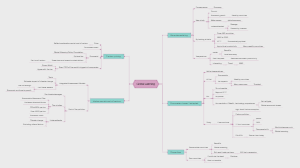
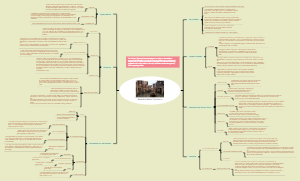
This mind map provides an educational overview of waste management, structured around key learning outcomes. It introduces waste management as a critical component of public health systems, explores the application of waste management hierarchies and circular economy principles, analyzes integrated waste management systems and treatment options, and evaluates the environmental, health, and governance implications of waste management practices. The visual serves as a comprehensive guide for understanding the multifaceted aspects of waste management in a societal context.
Edited at 2026-01-11 04:33:59This mind map provides an educational overview of waste management, structured around key learning outcomes. It introduces waste management as a critical component of public health systems, explores the application of waste management hierarchies and circular economy principles, analyzes integrated waste management systems and treatment options, and evaluates the environmental, health, and governance implications of waste management practices. The visual serves as a comprehensive guide for understanding the multifaceted aspects of waste management in a societal context.
The chain of infection is a critical concept in understanding the spread of infectious diseases. It outlines the sequential steps that must occur for an infection to be transmitted from one person to another. This concept is crucial in developing strategies to prevent and control the spread of diseases. A mind map about the chain of infection can help visualize and comprehend the various elements involved, including the infectious agent, reservoir, portal of exit, mode of transmission, portal of entry, and susceptible host. By visually mapping out these components and their interconnections, individuals can gain a deeper understanding of how infections are transmitted and identify potential points for intervention and prevention.
This mind map provides an educational overview of waste management, structured around key learning outcomes. It introduces waste management as a critical component of public health systems, explores the application of waste management hierarchies and circular economy principles, analyzes integrated waste management systems and treatment options, and evaluates the environmental, health, and governance implications of waste management practices. The visual serves as a comprehensive guide for understanding the multifaceted aspects of waste management in a societal context.
The chain of infection is a critical concept in understanding the spread of infectious diseases. It outlines the sequential steps that must occur for an infection to be transmitted from one person to another. This concept is crucial in developing strategies to prevent and control the spread of diseases. A mind map about the chain of infection can help visualize and comprehend the various elements involved, including the infectious agent, reservoir, portal of exit, mode of transmission, portal of entry, and susceptible host. By visually mapping out these components and their interconnections, individuals can gain a deeper understanding of how infections are transmitted and identify potential points for intervention and prevention.
L6-WASTE MANAGEMENT (WM)
LL Outcomes
Explain waste management as a public health system and its relevance to environmental sustainability and climate change. (C2)
Apply the waste management hierarchy and circular economy principles to guide sustainable waste management decisions. (C3)
Analyse integrated waste management systems and treatment options, including incineration, using a public health and risk-based perspective. (C4)
Evaluate the environmental, health, and governance implications of waste management practices and propose evidence-based interventions.(C5)
INTRODUCTION
DEFINITION
Waste
Any substance or object that the holder discards, intends to discard, or is required to discard, and which may pose risks to human health and the environment if not properly managed.
In a public health context, waste is defined not only by its disposal status, but by its potential to cause harm through physical injury, infection, chemical exposure, or environmental contamination
Waste Management
Waste management is the systematic process of segregating, collecting, transporting, treating, recycling, and finally disposing of waste in a manner that protects public health, preserves environmental quality, and promotes resource sustainability.
From a public health perspective, waste management aims to prevent disease, reduce environmental contamination, and minimise health risks associated with waste generation and disposal.
WHY MATTERS?
Protection of Public Health
Prevents spread of infectious diseases (e.g. diarrhoeal disease, dengue)
Reduces vector breeding (flies, mosquitoes, rodents)
Minimises injuries (sharps, broken glass)
Lowers exposure to toxic chemicals and hazardous waste
Environmental Protection
Prevents air pollution from open burning (PM2.5, toxic gases)
Protects water sources from leachate contamination
Prevents soil degradation and ecosystem damage
Reduces marine pollution, plastics, and microplastics
Climate Change Mitigation
Reduces methane emissions from landfills
Prevents black carbon emissions from burning
Supports low-carbon strategies (recycling, composting, circular economy)
Occupational Health & Safety
Protects waste workers from:
Sharps injuries
Infections
Heat stress
Chemical exposure
Promotes safer collection, transport, and treatment practices
Environmental Justice & Equity
Prevents disproportionate exposure of:
Low-income communities
Informal settlements
Communities near disposal sites
Supports fair and ethical waste governance
Resource Efficiency & Sustainability
Conserves natural resources through reuse and recycling
Reduces dependence on raw material extraction
Supports circular economy principles
Economic & Social Benefits
Reduces healthcare and environmental cleanup costs
Creates green jobs (recycling, composting, recovery)
Improves city cleanliness, tourism, and quality of life
TYPES of WASTE
Municipal Solid Waste (MSW)
Household, commercial, and institutional waste
Examples: food waste, paper, plastics, glass, metals, diapers
Public health relevance: vectors, injuries, air and water pollution if mismanaged
Hazardous Waste
Waste with toxic, corrosive, flammable, or reactive properties
Examples: chemicals, solvents, pesticides, heavy metals
Public health relevance: poisoning, cancer risk, environmental contamination
Healthcare Waste
Waste generated from healthcare facilities
Categories:
Infectious waste
Sharps
Pharmaceutical waste
Pathological waste
Public health relevance: infection risk, needle-stick injuries
Industrial waste
By-products of manufacturing and industrial processes
Examples: sludge, chemical residues, scrap materials
hazardous or non-hazardous
Public health relevance: occupational exposure, environmental pollution
Organic Waste
Waste that can decompose naturally
Examples: food scraps, yard waste, agricultural residues
Public health relevance: odour, vectors, methane generation if landfilled
E-Waste
Discarded electrical and electronic equipment
Examples: computers, phones, batteries, circuit boards
Contains heavy metals and flame retardants
Public health relevance: neurotoxicity, soil and water contamination
Construction and Demolition (C&D) Waste
Waste from construction, renovation, and demolition activities
Examples: concrete, wood, bricks, metals
Public health relevance: dust exposure, illegal dumping
Agricultural Waste
Waste from farming and livestock activities
Examples: crop residues, animal manure, pesticide containers
Public health relevance: water contamination, zoonotic risk
WASTE CHARACTERISTICS
Composition
Proportion of organics, plastics, paper, metals, glass, etc.
Determines suitability for recycling, composting, or incineration
Moisture
Amount of water present in waste
Affects:
Weight and transport cost
Calorific value
Suitability for Waste-to-Energy (WtE)
Hazard Potential
Toxicity, corrosiveness, flammability, reactivity, or infectious nature
Determines:
Worker safety requirements
Special treatment and disposal needs
Density
Mass per unit volume of waste
Influences:
Collection frequency
Storage and transport efficiency
Calorific Value
Amount of energy released during combustion
Important for:
Incineration
Waste-to-Energy feasibility
Biodegradability
Ability of waste to decompose biologically
Determines:
Composting and anaerobic digestion potential
Methane generation in landfills
Putrescibility
Tendency to decompose rapidly and produce odour
Linked to:
Vector attraction
Public nuisance and health risk
Particle Size / Physical Form
Size, shape, and form (solid, sludge)
Affects:
Handling
Treatment process efficiency
WASTE & CLIMATE CHANGE LINK
Greenhouse Gas Emissions
Decomposition of organic waste in landfills produces methane (CH₄), a potent greenhouse gas
Open dumping and uncontrolled landfills increase emissions
Open Burning
Releases black carbon, carbon dioxide, and other climate-forcing pollutants
Contributes to global warming and worsens air quality
Energy Use in Waste Systems
Collection, transport, and treatment consume fossil fuel energy
Inefficient systems increase carbon footprint
Resource Extraction & Production
Poor recycling leads to higher demand for virgin materials
Increased mining, manufacturing, and deforestation raise emissions
Landfills and Climate Vulnerability
Flooding and extreme weather
Damage landfills
Cause leachate overflow and gas release
Climate change increases risks from poorly designed disposal sites
Waste-to-Energy (WtE) and Emissions
Can reduce landfill volume and methane
Still produces CO₂ and air pollutants if not well controlled
Climate benefit depends on technology and waste composition
Circular Economy as Climate Mitigation
Waste prevention, reuse, and recycling:
Reduce emissions across product life cycles
Lower energy demand
Supports climate mitigation and health co-benefits
Co-benefits for Public Health
Reduced waste-related emissions → lower PM2.5 exposure
Fewer climate-related health impacts (heat stress, respiratory disease)
PRINCIPLES & CONCEPTUAL FRAMEWORKS
WASTE MANAGEMENT HIERARCHY
Prevention → Reuse → Recycling → Recovery → Disposal
WM SUSTAINABLE PRINCIPLES
Waste Prevention
Waste Management Hierarchy
Precautionary Principle
Polluter Pays Principle
Proximity Principle
Resource Efficiency and Recovery
Protection of Public Health
Environmental Protection
Integrated Solid Waste Management (ISWM)
Community Participation and Behaviour Change
LINEAR vs CIRCULAR ECONOMY
Linear Economy ((Traditional Model)
Take resources from nature
Make products
Use products briefly
Dispose as waste (landfill or incineration)
High resource extraction and energy use
Large volumes of waste generated
Greater environmental pollution and health risks
Unsustainable in the long term
Circular Economy ((Sustainable Model)
Design out waste and toxicity
Reduce material and energy use
Reuse, repair, refill products to extend lifespan
Recycle and recover materials and energy
Regenerate natural systems
Minimises waste generation
Conserves resources and reduces emissions
Protects public health and the environment
Supports long-term sustainability
CIRCULAR ECONOMY & HEALTH PROTECTION
Reduced Environmental Pollution
Prevention of Disease Transmission
Improved Air Quality
Climate Change Mitigation with Health Co-Benefits
. Safer Materials & Product Design
. Protection of Waste Workers
Food & Water System Protection
Reduced Community Health Inequities
Promotion of Healthy Behaviour & Lifestyles
EXTENDED PRODUCER RESPONSIBILITY (EPR)
(EPR) is a policy approach that makes producers responsible for the environmental impacts of their products, particularly at the post-consumer (waste) stage.
Core Objectives
Reduce waste generation at source
Increase recycling and recovery rates
Shift waste management costs from governments to producers
Encourage environmentally friendly product design
Features
Producer responsibility extends beyond manufacturing
Responsibilities
Financial (funding collection and recycling)
Physical (take-back and treatment systems)
Organisational (joining Producer Responsibility Organisations – PROs)
Common EPR Instruments
Product take-back schemes
Deposit–return systems (e.g. beverage containers)
Eco-fees or advance recycling fees
Mandatory recycling targets
Producer Responsibility Organisations (PROs)
Products Commonly Covered Under EPR
Packaging (plastics, paper, glass, metals)
Electrical and electronic equipment (E-waste)
Batteries
Tyres
Vehicles
Pharmaceuticals (in some countries)
EPR and Public Health Protection
Reduces illegal dumping and open burning
Improves safe handling of hazardous components
Lowers community exposure to toxic substances
Protects waste workers through formalised systems
EPR and Circular Economy
Encourages design for reuse, repair, and recycling
Promotes material recovery and resource efficiency
Supports transition from linear to circular economy
Benefits of EPR
Higher recycling rates
Reduced landfill dependency
Cost savings for municipalities
Innovation in sustainable product design
Challenges of EPR
Weak enforcement and monitoring
Free-rider problems
Limited recycling infrastructure
Public awareness and participation issues
WASTE MANAGEMENT SYSTEMS & OPERATIONS
INTEGRATED SOLID WASTE MANAGEMENT (ISWM)
Technical
Institutional
Financial
Social
Environmental
SYSTEM COMPONENTS
1.Segregation → 2.Collection →3. Treatment → 4.Disposal
TREATMENT OPTIONS
Recycling / Material Recovery Facility (MRF)
Composting
Anaerobic Digestion (AD)
Incineration / Waste-to-Energy
Sanitary landfill
OCCUPATIONAL SAFETY
INFORMAL WASTE SECTOR & HEALTH RISK
DISASTER & EMERGENCY WASTE MANAGEMENT
IMPACTS, GOVERNANCE & APPLICATION
IMPACT
Environmental impacts of poor waste management
Air
Water
Soil
Climate
Ecosystem
Pathways to disease
Water
Vector
Air
Occupational
Public health risk framework
Hazard → Exposure → Health outcome
GOVERNANCE
1.Policy & governance tools
Law & Regulations
Economic instruments
EPR
2. Monitoring & KPIs
3. Community engagement & behaviour change
APPLICATION
Malaysia context & challenges