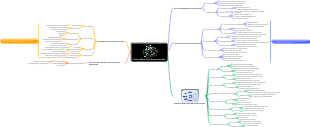
MindMap Gallery Criminal Minds Team Relationship Map
This mind map, titled Criminal Minds Team Relationship Map, provides a structured overview of the internal relationship network among the Behavioral Analysis Unit (BAU) team members in Criminal Minds, as well as the mechanisms linking cases to the team. The mind map begins with team dynamics (internal relationships), mapping the professional collaboration, emotional bonds, leadership hierarchies, mentorship ties, conflicts, and reconciliations among core members such as Hotchner, Rossi, Morgan, Reid, Garcia, JJ, and Prentiss. Case connections (how cases link to the team) explore how cases resonate on a deeper level with team members—not merely as professional pursuits, but as narratives that echo personal experiences, trigger psychological trauma, test team loyalty, or drive character growth. The overall team relationship map integrates internal dynamics with the impact of external cases, presenting how the BAU operates as both a professionally rigorous and emotionally bonded unit under high-pressure conditions. Designed for Criminal Minds enthusiasts, character study researchers, and team narrative analysts, this template offers a clear visual framework for understanding the layered interpersonal dynamics that define the series.
Edited at 2026-03-20 01:44:27中国のDouyin(抖音)ECサイトにおけるユーザープロファイル分析を深掘りします。本分析では、ユーザー属性を年齢層(Z世代、ミレニアル世代、中壮年層、シルバー層)や都市ランクに基づいて層別化し、消費能力と購買行動を多角的に考察します。興味タグや関心事(美容、グルメ、テクノロジー、ライフスタイル)を明らかにし、ユーザーのアクティブ時間帯や購買動機を分析します。また、コンテンツ嗜好やスタイル、コンバージョンパス、短動画の企画方向性についても詳述し、効果的なマーケティング戦略を探ります

天猫美妆の「価格が高い」という異議に対処し、商品の価値を再構築するための戦略をご紹介します。まず、顧客の心理的障壁を取り除くために、価格への共感とフレーミングを行います。次に、商品の機能的価値と情緒的価値を最大化し、具体的な効果を可視化します。プロモーションによるお得感を強調し、会員特典や期間限定の希少性も活用します。最後に、リスクを払拭し、購入の緊急性を促すことで成約を促進します。このアプローチにより、顧客は価格以上の価値を実感できるでしょう
淘宝(Taobao)の検索流量転化漏斗分析では、効果的なマーケティング戦略を探るための重要なステージを紹介します。まず、検索露出ステージでは、キーワードマッチングやユーザー属性タグの最適化が鍵となります。次に、クリックスルーステージでは、視覚的な要素や価格戦略がクリック率に影響します。続いて、検討・関心ステージでは、商品詳細ページの説得力やユーザーレビューが重要です。最終的なコンバージョンステージでは、決済プロセスの心理的障壁を取り除く工夫が求められます。また、最適化ノードとフィードバック構造により、データ分析を活用した継続的な改善が可能です
中国のDouyin(抖音)ECサイトにおけるユーザープロファイル分析を深掘りします。本分析では、ユーザー属性を年齢層(Z世代、ミレニアル世代、中壮年層、シルバー層)や都市ランクに基づいて層別化し、消費能力と購買行動を多角的に考察します。興味タグや関心事(美容、グルメ、テクノロジー、ライフスタイル)を明らかにし、ユーザーのアクティブ時間帯や購買動機を分析します。また、コンテンツ嗜好やスタイル、コンバージョンパス、短動画の企画方向性についても詳述し、効果的なマーケティング戦略を探ります
天猫美妆の「価格が高い」という異議に対処し、商品の価値を再構築するための戦略をご紹介します。まず、顧客の心理的障壁を取り除くために、価格への共感とフレーミングを行います。次に、商品の機能的価値と情緒的価値を最大化し、具体的な効果を可視化します。プロモーションによるお得感を強調し、会員特典や期間限定の希少性も活用します。最後に、リスクを払拭し、購入の緊急性を促すことで成約を促進します。このアプローチにより、顧客は価格以上の価値を実感できるでしょう
淘宝(Taobao)の検索流量転化漏斗分析では、効果的なマーケティング戦略を探るための重要なステージを紹介します。まず、検索露出ステージでは、キーワードマッチングやユーザー属性タグの最適化が鍵となります。次に、クリックスルーステージでは、視覚的な要素や価格戦略がクリック率に影響します。続いて、検討・関心ステージでは、商品詳細ページの説得力やユーザーレビューが重要です。最終的なコンバージョンステージでは、決済プロセスの心理的障壁を取り除く工夫が求められます。また、最適化ノードとフィードバック構造により、データ分析を活用した継続的な改善が可能です
Criminal Minds Team Relationship Map
Core Team (BAU - Behavioral Analysis Unit)
Unit Leadership & Oversight
Unit Chief / Supervisory Special Agent (SSA)
Leads investigations and profiling strategy
Assigns roles, manages priorities, approves operational decisions
Liaison with FBI leadership and other agencies
Supervisory Chain (FBI HQ)
Administrative approvals (resources, travel, jurisdiction)
Compliance, policy, and accountability
Profilers (Behavioral Analysts)
Lead Profiler(s)
Builds offender profile (motive, risk factors, signature vs. MO)
Directs interview strategy and behavioral interpretation
Coordinates theory refinement as new evidence emerges
Field Profiler(s)
Conducts interviews (witnesses, families, suspects)
Reconstructs timelines and victimology
Supports tactical planning using behavioral cues
Specialist Profiler(s)
Youth/Family focus (juvenile dynamics, caregiver patterns)
Sexual crimes focus (paraphilias, escalation indicators)
Organized/ritualistic focus (group behavior, ideology)
Technical & Analytical Support
Intelligence Analyst
Pattern recognition across cases (link analysis, series indicators)
Data fusion (reports, tips, databases, open-source intel)
Produces briefs, timelines, network charts
Forensic/Behavioral Consultant
Interprets crime scene behavior (staging, undoing, trophies)
Advises on offender stressors and escalation
Helps craft interrogation themes and triggers
Communications / Records Support
Warrants, subpoenas, case file management
Inter-agency information requests and documentation
Evidence chain-of-custody coordination
Field Operations & Coordination
Tactical/Arrest Coordination
Works with local SWAT/ERT as needed
Entry plans informed by offender risk profile
De-escalation and hostage-risk planning
Victim Services / Liaison
Family communication and trauma-informed engagement
Coordinates resources (support, safety planning)
Helps reduce misinformation and panic
Team Dynamics (Internal Relationships)
Leadership Relationships
Leader ↔ Team
Trust-building through transparency and consistent decision-making
Balancing autonomy (field judgment) with centralized strategy
After-action feedback loops (what worked, what failed, why)
Leader ↔ FBI Administration
Negotiates resources, jurisdictional authority, time pressure
Manages optics, media sensitivity, and political risk
Collaborative Pairings
Profiler ↔ Intelligence Analyst
Analyst validates hypotheses with data trends and linkage analysis
Profiler interprets data behaviorally to refine suspect pool
Profiler ↔ Forensic Consultant
Behavioral interpretation anchored to physical evidence
Iterative updates when lab results shift assumptions
Field Agents ↔ Local Detectives
Local knowledge (geography, community, prior offenders)
BAU brings comparative expertise (similar series, best practices)
High-performing pairs cycle between hypothesis → evidence check → operational adjustment.
Conflict Patterns & Resolution
Common friction points
Competing theories (behavioral vs. evidentiary emphasis)
Speed vs. certainty (urgent threat vs. careful validation)
Jurisdictional tension (federal involvement perception)
Resolution mechanisms
Structured case conferences (hypothesis, evidence, next steps)
Clear decision rights (who decides what under time constraints)
Debriefs and corrective actions after critical incidents
Trust, Safety, and Wellbeing
Exposure to trauma
Vicarious trauma and cumulative stress
Need for peer support and recovery protocols
Team resilience practices
Check-ins, workload balancing, rotation of high-intensity tasks
Encouraging dissenting views without undermining cohesion
Case Connections (How Cases Link to the Team)
Case Lifecycle
Intake & Triage
Referral sources (local PD, FBI field offices, task forces)
Threat assessment (active offender, escalation, victim risk)
Prioritization (multi-victim potential, child victims, public danger)
Initial Profile & Strategy
Victimology (who, why them, access points)
Geography (anchor points, comfort zone, travel corridors)
Behavioral timeline (cooling-off period, escalation curve)
Field Deployment
Crime scene review and local briefings
Interview operations (families, witnesses, prior suspects)
Media strategy (public tips vs. offender provocation risk)
Identification & Apprehension
Narrow suspect pool (behavioral + evidence + intel)
Interview/interrogation plan (themes, triggers, rapport tactics)
Arrest coordination and risk mitigation
Post-Case Review
Lessons learned (profiling accuracy, operational decisions)
Database updates for future linkage and trend detection
Case-to-Case Linkage Types
Behavioral Linkage
Signature behaviors (psychological needs expressed)
MO evolution (learning, adaptation to law enforcement pressure)
Rituals, souvenirs/trophies, communication patterns
Forensic Linkage
DNA, fingerprints, toolmarks, digital traces
Unique ligatures, bindings, trace evidence patterns
Geographic Linkage
Spatial clustering (hot spots), buffer zones
Disposal vs. abduction site patterns
Victimology Linkage
Shared vulnerability factors (routine activities, access)
Target preference consistency or deliberate shifts
Linkage confidence rises when behavioral + forensic + geographic + victimology signals converge.
Cross-Jurisdiction Coordination
Task force formation
Shared command structure and unified objectives
Information-sharing agreements and reporting cadence
Information pipelines
Bulletins to field offices and local agencies
Centralized tip triage and lead tracking
External Relationships (Operational Network)
Local Law Enforcement
Patrol and first responders
Scene preservation, initial witness canvass
Real-time updates from active scenes
Detectives and homicide/sex crimes units
Case history, local offender knowledge, informants
Joint interviews and coordinated warrants
Command staff
Resource allocation, public messaging approval
Federal Partners
FBI Field Offices
Local federal jurisdiction support and intelligence feeds
Surveillance resources and legal coordination
Specialized FBI units
Cyber/technological support (phones, online platforms)
Behavioral threat assessment specialists
Forensic & Medical Partners
Medical Examiner / Coroner
Time of death, injury interpretation, toxicology
Corroborates behavioral hypotheses with pathology
Crime Lab
Turnaround times and prioritization under threat conditions
Evidence interpretation limits and uncertainty
Prosecutors & Courts
US Attorney / DA liaison
Charging strategy, evidence thresholds, trial considerations
Witness protection and victim testimony planning
Judges (warrants/orders)
Search/seizure authorizations and constraints
Information Flows (Who Gives What to Whom)
From Field to BAU
Scene photos, reports, witness statements, evidence logs
Local offender lists and similar historical cases
From BAU to Field
Profile, suspect prioritization, interview guidance
Public safety recommendations and escalation predictions
Across Agencies
Bulletins, BOLOs, MO summaries, linkage alerts
Tip management dashboards and lead ownership tracking
Common Interaction Scenarios (Relationship “Edges”)
Case briefing
Leader sets objectives ↔ team proposes hypotheses and tasks
Crime scene walk-through
Profiler ↔ forensic partners align behavioral meaning with evidence
Interview room
Profiler ↔ interrogator coordinate themes, pacing, and leverage points
Press and public appeals
Leader ↔ local command balances transparency and operational security
Multi-case linkage meeting
Analyst ↔ all agencies reconcile data discrepancies and confirm linkages
Map Legend (How to Read the Relationship Map)
Relationship Types
Command/Reporting (authority, approvals)
Collaboration (shared tasks, co-analysis)
Consultation (advisory input, specialized expertise)
Coordination (timelines, resources, jurisdiction)
Conflict/Negotiation (priority disagreements, constraints)
Connection Strength Indicators
High-frequency collaboration (daily sync)
Event-driven collaboration (major breaks, critical incidents)
Indirect linkage (information passed through liaisons)
Case Connection Markers
Same offender/series
Similar signature/MO
Shared geography corridor
Shared victimology pattern