Wondershare EdrawMind
MindMap Gallery What Is Realism in Literature
What Is Realism in Literature
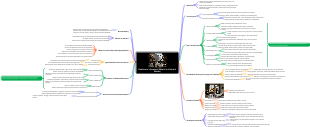
This mind map, titled Realism in Literature, provides a structured overview of the core claims, narrative strategies, and historical significance of realism as a major literary movement of the 19th century. The mind map begins with “What Is Realism in Literature,” defining its central commitment to faithfully representing everyday life, social detail, and psychological truth. Core purpose encompasses portraying contemporary society, examining social structures and human relationships, and revealing realities obscured by romanticism and classicism. Key characteristics include objective narration, precise detail, typical characters in typical environments, attention to middle and lower classes, and language approximating ordinary speech. Historical context and development trace its emergence amid industrial transformation, urban expansion, class stratification, and the influence of positivist thought. Typical literary techniques include exhaustive description, cohesive plotting centered on character causality, multiple perspectives, and naturalized dialogue. Common themes cluster around world, class, family, and the individual’s place within social structures. Notable authors and examples list Flaubert, Balzac, Dickens, Tolstoy, Turgenev, Henry James, and their key works. Realism vs. related modes distinguishes realism from romanticism (emotion and imagination), naturalism (deterministic tendencies), and modernism (formal experimentation). Why realism matters emphasizes its engagement with social issues, its validation of ordinary lives, and its foundational role for subsequent socially engaged and documentary literatures. Designed for students and researchers in literary history, narrative theory, and creative writing, this template offers a clear conceptual framework for understanding realism’s enduring commitment to representing the texture of lived experience.
Edited at 2026-03-20 01:45:51
- 中国のDouyin(抖音)ECサイトユーザープロファイルの分析
中国のDouyin(抖音)ECサイトにおけるユーザープロファイル分析を深掘りします。本分析では、ユーザー属性を年齢層(Z世代、ミレニアル世代、中壮年層、シルバー層)や都市ランクに基づいて層別化し、消費能力と購買行動を多角的に考察します。興味タグや関心事(美容、グルメ、テクノロジー、ライフスタイル)を明らかにし、ユーザーのアクティブ時間帯や購買動機を分析します。また、コンテンツ嗜好やスタイル、コンバージョンパス、短動画の企画方向性についても詳述し、効果的なマーケティング戦略を探ります
- 中国天猫美妆“价格太贵”异议拆解与价值重塑话术模板
天猫美妆の「価格が高い」という異議に対処し、商品の価値を再構築するための戦略をご紹介します。まず、顧客の心理的障壁を取り除くために、価格への共感とフレーミングを行います。次に、商品の機能的価値と情緒的価値を最大化し、具体的な効果を可視化します。プロモーションによるお得感を強調し、会員特典や期間限定の希少性も活用します。最後に、リスクを払拭し、購入の緊急性を促すことで成約を促進します。このアプローチにより、顧客は価格以上の価値を実感できるでしょう
- 淘宝(Taobao)搜索流量转化漏斗分析
淘宝(Taobao)の検索流量転化漏斗分析では、効果的なマーケティング戦略を探るための重要なステージを紹介します。まず、検索露出ステージでは、キーワードマッチングやユーザー属性タグの最適化が鍵となります。次に、クリックスルーステージでは、視覚的な要素や価格戦略がクリック率に影響します。続いて、検討・関心ステージでは、商品詳細ページの説得力やユーザーレビューが重要です。最終的なコンバージョンステージでは、決済プロセスの心理的障壁を取り除く工夫が求められます。また、最適化ノードとフィードバック構造により、データ分析を活用した継続的な改善が可能です
What Is Realism in Literature
- 中国のDouyin(抖音)ECサイトユーザープロファイルの分析
中国のDouyin(抖音)ECサイトにおけるユーザープロファイル分析を深掘りします。本分析では、ユーザー属性を年齢層(Z世代、ミレニアル世代、中壮年層、シルバー層)や都市ランクに基づいて層別化し、消費能力と購買行動を多角的に考察します。興味タグや関心事(美容、グルメ、テクノロジー、ライフスタイル)を明らかにし、ユーザーのアクティブ時間帯や購買動機を分析します。また、コンテンツ嗜好やスタイル、コンバージョンパス、短動画の企画方向性についても詳述し、効果的なマーケティング戦略を探ります
- 中国天猫美妆“价格太贵”异议拆解与价值重塑话术模板
天猫美妆の「価格が高い」という異議に対処し、商品の価値を再構築するための戦略をご紹介します。まず、顧客の心理的障壁を取り除くために、価格への共感とフレーミングを行います。次に、商品の機能的価値と情緒的価値を最大化し、具体的な効果を可視化します。プロモーションによるお得感を強調し、会員特典や期間限定の希少性も活用します。最後に、リスクを払拭し、購入の緊急性を促すことで成約を促進します。このアプローチにより、顧客は価格以上の価値を実感できるでしょう
- 淘宝(Taobao)搜索流量转化漏斗分析
淘宝(Taobao)の検索流量転化漏斗分析では、効果的なマーケティング戦略を探るための重要なステージを紹介します。まず、検索露出ステージでは、キーワードマッチングやユーザー属性タグの最適化が鍵となります。次に、クリックスルーステージでは、視覚的な要素や価格戦略がクリック率に影響します。続いて、検討・関心ステージでは、商品詳細ページの説得力やユーザーレビューが重要です。最終的なコンバージョンステージでは、決済プロセスの心理的障壁を取り除く工夫が求められます。また、最適化ノードとフィードバック構造により、データ分析を活用した継続的な改善が可能です
- Recommended to you
- Outline