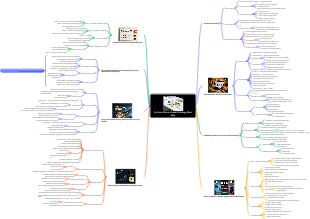
MindMap Gallery 创作者课程开发全流程脑图
Unlock the secrets to successful course creation with our comprehensive end-to-end mind map! This guide covers everything from selecting the perfect course topic to designing engaging content and assessing learner outcomes. 1. Course Topic Selection: Define your goals, research your audience, analyze the market, and validate your offer. 2. Course Outline & Instructional Design: Establish clear learning objectives, structure your curriculum, and implement effective pedagogical strategies. 3. Content Creation: Focus on scriptwriting, slide design, and creating hands-on exercises while ensuring accessibility. Join us to streamline your course development process and empower your learners!
Edited at 2026-03-20 07:04:37中国のDouyin(抖音)ECサイトにおけるユーザープロファイル分析を深掘りします。本分析では、ユーザー属性を年齢層(Z世代、ミレニアル世代、中壮年層、シルバー層)や都市ランクに基づいて層別化し、消費能力と購買行動を多角的に考察します。興味タグや関心事(美容、グルメ、テクノロジー、ライフスタイル)を明らかにし、ユーザーのアクティブ時間帯や購買動機を分析します。また、コンテンツ嗜好やスタイル、コンバージョンパス、短動画の企画方向性についても詳述し、効果的なマーケティング戦略を探ります

天猫美妆の「価格が高い」という異議に対処し、商品の価値を再構築するための戦略をご紹介します。まず、顧客の心理的障壁を取り除くために、価格への共感とフレーミングを行います。次に、商品の機能的価値と情緒的価値を最大化し、具体的な効果を可視化します。プロモーションによるお得感を強調し、会員特典や期間限定の希少性も活用します。最後に、リスクを払拭し、購入の緊急性を促すことで成約を促進します。このアプローチにより、顧客は価格以上の価値を実感できるでしょう
淘宝(Taobao)の検索流量転化漏斗分析では、効果的なマーケティング戦略を探るための重要なステージを紹介します。まず、検索露出ステージでは、キーワードマッチングやユーザー属性タグの最適化が鍵となります。次に、クリックスルーステージでは、視覚的な要素や価格戦略がクリック率に影響します。続いて、検討・関心ステージでは、商品詳細ページの説得力やユーザーレビューが重要です。最終的なコンバージョンステージでは、決済プロセスの心理的障壁を取り除く工夫が求められます。また、最適化ノードとフィードバック構造により、データ分析を活用した継続的な改善が可能です
中国のDouyin(抖音)ECサイトにおけるユーザープロファイル分析を深掘りします。本分析では、ユーザー属性を年齢層(Z世代、ミレニアル世代、中壮年層、シルバー層)や都市ランクに基づいて層別化し、消費能力と購買行動を多角的に考察します。興味タグや関心事(美容、グルメ、テクノロジー、ライフスタイル)を明らかにし、ユーザーのアクティブ時間帯や購買動機を分析します。また、コンテンツ嗜好やスタイル、コンバージョンパス、短動画の企画方向性についても詳述し、効果的なマーケティング戦略を探ります
天猫美妆の「価格が高い」という異議に対処し、商品の価値を再構築するための戦略をご紹介します。まず、顧客の心理的障壁を取り除くために、価格への共感とフレーミングを行います。次に、商品の機能的価値と情緒的価値を最大化し、具体的な効果を可視化します。プロモーションによるお得感を強調し、会員特典や期間限定の希少性も活用します。最後に、リスクを払拭し、購入の緊急性を促すことで成約を促進します。このアプローチにより、顧客は価格以上の価値を実感できるでしょう
淘宝(Taobao)の検索流量転化漏斗分析では、効果的なマーケティング戦略を探るための重要なステージを紹介します。まず、検索露出ステージでは、キーワードマッチングやユーザー属性タグの最適化が鍵となります。次に、クリックスルーステージでは、視覚的な要素や価格戦略がクリック率に影響します。続いて、検討・関心ステージでは、商品詳細ページの説得力やユーザーレビューが重要です。最終的なコンバージョンステージでは、決済プロセスの心理的障壁を取り除く工夫が求められます。また、最適化ノードとフィードバック構造により、データ分析を活用した継続的な改善が可能です
Creator Course Development End-to-End Mind Map
1) Course Topic Selection
Goal & Success Criteria
Business goal (revenue, leads, brand authority, community growth)
Learning goal (skills, mindset, outcomes)
Success metrics (enrollments, completion rate, NPS, refund rate, revenue, engagement)
Audience & Persona Research
Target persona(s): role, level, industry, motivations
Pain points, desired outcomes, common obstacles
Context of use (time available, devices, learning preferences)
Willingness to pay & budget constraints
Market & Competitor Analysis
Direct/indirect competitors (courses, books, YouTube, bootcamps)
Pricing models (one-time, subscription, cohort-based, bundles)
Differentiation gaps (depth, niche, frameworks, tools, support)
Trend and demand signals (search volume, communities, job postings)
Offer & Positioning
Unique value proposition (who it’s for, what they’ll achieve, why you)
Course promise and scope boundaries (what’s included/excluded)
Outcome statement (before → after transformation)
Level and prerequisites (beginner/intermediate/advanced)
Validation & Pre-Sell
Customer discovery interviews (10–30 calls)
Landing page MVP (problem, promise, outline, FAQ, CTA)
Waitlist / pre-order / cohort interest form
Prototype lesson or webinar to gauge interest
Validation thresholds (e.g., 100 waitlist signups, 20 pre-sales)
Feasibility Planning
Time, budget, team resources
Production constraints (studio, gear, editing)
Legal/compliance constraints (claims, certifications, data privacy)
Content sourcing feasibility (datasets, examples, case studies)
Choose a viable topic by aligning goals, audience demand, competitive gaps, a clear offer, and proof via pre-sell within real constraints.
2) Course Outline & Instructional Design
Learning Objectives
Define measurable objectives per module (Bloom’s taxonomy)
Map objectives to assessments and projects
Define mastery criteria (rubrics, checklists)
Curriculum Structure
Course format (self-paced, cohort, hybrid)
Module sequencing (foundation → application → mastery)
Lesson granularity (5–15 min videos; concept + demo)
Learning path options (core path, advanced track, electives)
Pedagogical Strategy
Explain → demonstrate → practice → feedback loop
Spaced repetition and recap lessons
Active learning (exercises, prompts, quizzes)
Scaffolding (templates, guided steps, progressive complexity)
Course Assets Plan
Worksheets, templates, cheat sheets, slides
Code/project files, datasets, examples
Reading lists and references
Community prompts and discussion guides
Assessment & Projects
Module quizzes (knowledge checks)
Hands-on exercises (short tasks)
Capstone project (real-world deliverable)
Peer review or instructor feedback (if cohort)
Learner Support Design
Office hours / Q&A cadence
Community platform structure (channels, rules, moderation)
Help desk process (support email, SLA)
Accessibility plan (captions, transcripts, readable PDFs)
Scope Control
Define “must-have” vs “nice-to-have” lessons
Cut list and future modules backlog
Versioning plan (v1 launch scope)
Detailed Syllabus & Lesson Map
Module titles, lesson titles, durations
Per-lesson: goal, key points, demo, exercise, takeaway
Dependencies between lessons
Recording order plan (batch by topic/tool)
3) Content Creation (Writing & Asset Production)
Scriptwriting & Lesson Design
Lesson hook (why it matters) and learning promise
Core explanation with clear structure (problem → concept → steps)
Examples and counterexamples
Summary, action item, and next-step preview
Slides & Visuals
Slide templates (consistent typography and color)
Diagrams, frameworks, process maps
On-screen callouts and highlights
Accessibility (contrast, font size, alt text where applicable)
Demonstrations & Case Studies
Select tools/software versions and environments
Build repeatable demo scripts (exact steps)
Realistic scenarios and data (anonymized if needed)
“Common mistakes” segments
Exercises & Assignments
Clear instructions, time estimates, deliverables
Starter files and solution keys
Rubrics for grading or self-check
Variations for different skill levels
Downloadables & Templates
Fillable worksheets (Google Docs/Notion/PDF)
Checklists and SOPs
Project templates (folders, naming conventions)
Content QA
Technical accuracy review (SME check)
Clarity review (non-expert test)
Consistency review (terminology, formatting)
Rights verification (images, music, code licenses)
Content Management
Repository structure (scripts, assets, exports)
File naming conventions and version control
Change log and decision log
4) Recording & Production
Pre-Production Setup
Recording environment (lighting, sound treatment, background)
Equipment checklist (mic, camera, capture card, tripod)
Screen recording settings (resolution, frame rate, cursor highlights)
Teleprompter or notes setup
Wardrobe and on-camera guidelines
Recording Workflow
Batch recording by module/topic
Clap sync markers and retake protocol
Energy, pacing, and clarity checks
Capture b-roll (tool usage, behind-the-scenes)
Audio & Video Quality Standards
Audio levels target and noise floor
White balance and exposure consistency
Framing and eye line
Brand intro/outro stingers
Post-Production (Editing)
Remove filler words, tighten pacing
Add overlays, callouts, zooms, highlights
Insert chapters, lower-thirds, on-screen steps
Color correction and audio normalization
Export settings per platform (bitrate, codec)
Captioning & Transcripts
Auto-captions + manual correction
Provide downloadable transcripts
Subtitle formats (SRT/VTT)
QA & Review
Watch-through checklist (audio pops, typos, broken links)
Content accuracy and UI changes in demos
Beta reviewer feedback incorporation
Asset Packaging
Bundle downloadable resources per lesson/module
Ensure links work and permissions are correct
Final folder structure for upload
5) Launch Preparation & Publishing (Go Live)
Platform & Tech Setup
Choose platform (LMS, marketplace, membership site)
Course structure in platform (modules, lessons, drip)
Payment processing, taxes/VAT, invoices
Integrations (email, CRM, analytics, community)
Product & Pricing Strategy
Offer tiers (basic, premium, cohort, VIP)
Bonuses (templates, office hours, audits)
Refund policy and guarantees
Coupons, bundles, and launch pricing
Sales Page & Messaging
Headline and transformation promise
Who it’s for / not for
Curriculum highlights and outcomes
Social proof (testimonials, case studies, metrics)
Objection handling FAQ
Clear CTA and checkout flow
Onboarding Experience
Welcome email sequence
“Start here” lesson and learning plan
Community invitation and rules
Tech requirements and troubleshooting guide
Legal & Compliance
Terms of service, privacy policy
IP notices and licensing terms for templates
Disclaimers (results, financial/health if relevant)
Accessibility conformance targets
Analytics & Tracking
Conversion tracking (UTM, pixels where applicable)
Funnel metrics (landing → checkout → purchase)
In-course engagement metrics (lesson views, drop-off)
Feedback capture (surveys, NPS)
Soft Launch / Beta
Limited cohort for feedback
Live Q&A sessions to identify confusion points
Measure completion and outcomes
Iterate messaging and curriculum before full launch
Full Launch Execution
Launch calendar (teasers, emails, lives, webinars)
Partner/affiliate outreach
PR/community posts and content syndication
Support readiness (inbox, moderation, FAQ)
6) Operations & Growth (Post-Launch)
Marketing Engine
Content marketing (YouTube, blog, podcast, short-form)
SEO strategy (pillar pages, lesson-based keywords)
Lead magnets (checklists, mini-course, webinar)
Email nurturing (value sequence, case studies, offers)
Sales & Funnel Optimization
A/B testing (headline, CTA, pricing, checkout)
Upsells and cross-sells (advanced course, coaching)
Retargeting ads and audiences
Cart recovery and follow-up sequences
Community & Support
Moderation guidelines and cadence
Weekly prompts, challenges, office hours
Support ticket triage and templates
Knowledge base and troubleshooting updates
Learner Engagement & Completion
Study plans and pacing reminders
Progress milestones and badges (if available)
Accountability groups or buddy system
Completion incentives and certificates (if applicable)
Partnerships & Distribution
Affiliates with tracking and payouts
Collaborations (guest lessons, joint webinars)
Corporate/team licensing
Marketplaces vs owned audience strategy
Reputation & Social Proof
Testimonial collection workflows
Case study interviews and write-ups
Review requests timed to “aha moments”
Showcase learner projects (with consent)
Financial & Admin Ops
Revenue tracking and cohort profitability
Refund analysis and policy tuning
Tax documentation and payouts
Vendor management (editors, designers)
7) Iteration & Continuous Improvement
Feedback Loops
Post-module surveys and in-lesson polls
NPS at key milestones (midpoint, completion)
Community insights and support ticket themes
1:1 interviews with completers and drop-offs
Data-Driven Course Optimization
Identify drop-off lessons (engagement analytics)
Improve unclear segments (re-record micro-lessons)
Tighten prerequisites or add bridging lessons
Update demos for tool/UI changes
Content Updates & Versioning
Minor updates (captions, links, downloads)
Major updates (new modules, restructured curriculum)
Maintain a change log visible to learners
Deprecate outdated lessons gracefully
Expansion Strategy
Add advanced modules and specialization tracks
Create companion products (templates pack, workbook)
Launch follow-on courses (course ladder)
Certification path (optional assessment and verification)
Quality & Compliance Maintenance
Regular audit schedule (quarterly/biannual)
Renew licenses and update attributions
Accessibility updates and caption accuracy checks
Roadmap & Prioritization
Backlog of learner requests
Impact vs effort scoring
Release cadence planning
Communicate roadmap to community
Supporting Systems (Cross-Cutting)
Project Management
Timeline with milestones (v1, beta, full launch)
Task ownership and SOPs
Risk management and contingency plans
Brand & Creative Consistency
Tone of voice and teaching style guide
Visual identity kit (slides, thumbnails)
Intro/outro and music policy
Documentation & SOPs
Recording checklist and editing checklist
Publishing checklist and QA checklist
Support macros and escalation rules
Tooling Stack
Script writing (Docs/Notion), asset storage (Drive)
Recording (screen capture, camera), editing (NLE)
LMS, email marketing, analytics, community platform
Team & Roles (if applicable)
Creator/instructor, editor, designer, VA, community manager
SME reviewers, QA testers, affiliate manager