MindMap Gallery ABB PESTLE Analysis
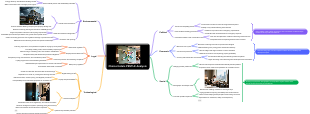
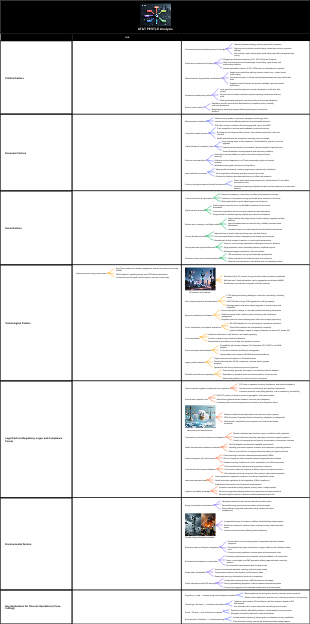
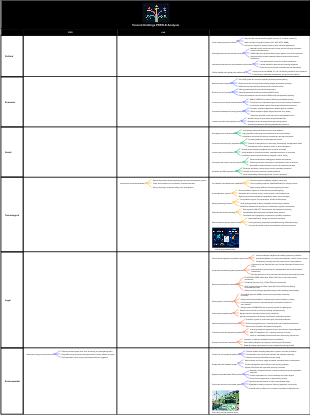
Discover the intricate landscape of ABB's PESTLE analysis, a vital tool for understanding the interplay between political, economic, and regulatory factors impacting the company. This analysis delves into key areas such as energy policies, industrial strategies, and geopolitical influences shaping ABB's operations. It examines macroeconomic trends, labor market dynamics, and supply chain challenges that affect capital expenditures across sectors. Additionally, the report highlights competitive pressures in drives, robotics, and electrification solutions, providing insights into how these elements collectively influence ABB's strategic decisions and market positioning. Join us to explore the critical factors that define ABB's business environment.
Edited at 2026-03-25 14:37:41ENHYPEN은 글로벌 팬덤을 형성하며 세계 무대에서 주목받는 그룹으로, 그들의 혈통과 운영 방식은 독특한 성공 사례로 자리 잡고 있습니다. 이 그룹은 BELIFT LAB 소속으로 HYBE와 CJ ENM의 합작 레이블에서 데뷔하였으며, 서바이벌 프로그램 I-LAND를 통해 결성되었습니다. 다국적 배경을 가진 멤버들은 다양한 언어와 문화를 활용하여 글로벌 콘텐츠를 확장하고 있습니다. ENGENE 팬덤은 아시아를 중심으로 북미, 유럽 등으로 확산되고 있으며, 유튜브와 SNS를 통한 실시간 소통이 이뤄집니다. HYBE와 CJ ENM의 협력으로 제작과 유통이 결합되어 글로벌 시장에서의 성공을 이끌고 있습니다.

여자)아이들 전소연의 프로듀서 중심제는 혁신적인 음악 제작 방식을 보여줍니다. 이 구조는 전소연을 중심으로 한 내부 프로듀싱 시스템을 기반으로 하며, 콘셉트 설계, 음악 제작, 프로젝트 운영까지 일관된 의사결정을 통해 이루어집니다. 멤버들은 공동 창작에 참여하며 각자의 개성을 트랙에 반영하여 팀의 통일감과 개인 캐릭터를 동시에 강화합니다. 전소연의 개인 스타일은 그룹의 음악과 결합되어 독창적인 사운드를 창출하며, 제작 프로세스는 체계적이고 효율적입니다. 이 시스템은 높은 완성도와 브랜드 강화를 가져오는 동시에 지속 가능한 발전을 위한 다양한 전략을 모색합니다.
팬 그룹 소통 일기는 팬들 간의 유대감을 강화하고 소중한 추억을 남기기 위한 기록입니다. 이 일기는 날짜, 참여자, 채널 등 기본 정보와 함께 소통 주제, 새로 알게 된 친구, 재미있는 토론, 따뜻했던 순간을 포함합니다. 템플릿을 통해 간단하게 오늘의 한 줄, 베스트 대화, 웃음 포인트 등을 작성할 수 있으며, 운영 방식으로는 매일 짧은 기록과 주간 요약을 제안합니다. 마지막으로 아카이브와 회고를 통해 소통의 하이라이트와 관계 지도를 정리하고 개선 포인트를 찾아갑니다.
ENHYPEN은 글로벌 팬덤을 형성하며 세계 무대에서 주목받는 그룹으로, 그들의 혈통과 운영 방식은 독특한 성공 사례로 자리 잡고 있습니다. 이 그룹은 BELIFT LAB 소속으로 HYBE와 CJ ENM의 합작 레이블에서 데뷔하였으며, 서바이벌 프로그램 I-LAND를 통해 결성되었습니다. 다국적 배경을 가진 멤버들은 다양한 언어와 문화를 활용하여 글로벌 콘텐츠를 확장하고 있습니다. ENGENE 팬덤은 아시아를 중심으로 북미, 유럽 등으로 확산되고 있으며, 유튜브와 SNS를 통한 실시간 소통이 이뤄집니다. HYBE와 CJ ENM의 협력으로 제작과 유통이 결합되어 글로벌 시장에서의 성공을 이끌고 있습니다.
여자)아이들 전소연의 프로듀서 중심제는 혁신적인 음악 제작 방식을 보여줍니다. 이 구조는 전소연을 중심으로 한 내부 프로듀싱 시스템을 기반으로 하며, 콘셉트 설계, 음악 제작, 프로젝트 운영까지 일관된 의사결정을 통해 이루어집니다. 멤버들은 공동 창작에 참여하며 각자의 개성을 트랙에 반영하여 팀의 통일감과 개인 캐릭터를 동시에 강화합니다. 전소연의 개인 스타일은 그룹의 음악과 결합되어 독창적인 사운드를 창출하며, 제작 프로세스는 체계적이고 효율적입니다. 이 시스템은 높은 완성도와 브랜드 강화를 가져오는 동시에 지속 가능한 발전을 위한 다양한 전략을 모색합니다.
팬 그룹 소통 일기는 팬들 간의 유대감을 강화하고 소중한 추억을 남기기 위한 기록입니다. 이 일기는 날짜, 참여자, 채널 등 기본 정보와 함께 소통 주제, 새로 알게 된 친구, 재미있는 토론, 따뜻했던 순간을 포함합니다. 템플릿을 통해 간단하게 오늘의 한 줄, 베스트 대화, 웃음 포인트 등을 작성할 수 있으며, 운영 방식으로는 매일 짧은 기록과 주간 요약을 제안합니다. 마지막으로 아카이브와 회고를 통해 소통의 하이라이트와 관계 지도를 정리하고 개선 포인트를 찾아갑니다.
ABB PESTLE Analysis
Political (Policies & Governance)
Energy policy and power-sector regulation
Grid modernization mandates (reliability, resilience, smart grid programs)
Renewable integration policies (targets, interconnection rules, curtailment frameworks)
Electrification incentives (EV charging, heat pumps, industrial electrification)
Nuclear policy impacts (life extensions, new builds, decommissioning needs)
Market design and tariffs (capacity markets, ancillary services, demand response)
Industrial policy and national strategies
Re-shoring/near-shoring incentives affecting automation demand
Critical infrastructure protection rules impacting substation and plant systems
Public procurement preferences (local content, security compliance)
Export promotion and financing (ECA-backed projects)
Geopolitics and trade policy
Sanctions and export controls affecting high-end drives, power electronics, and software
Tariffs and customs impacts on components and finished goods
Cross-border project risk (political instability, sovereign risk, payment risk)
Defense and dual-use scrutiny for advanced control systems
Regulatory compliance and standards
Electrical and safety standards (IEC/IEEE, UL, ATEX/IECEx, SIL)
Cybersecurity regulations for OT/critical infrastructure (e.g., NIS2-like regimes)
Data protection and sovereignty (hosting, cross-border data transfer constraints)
Product compliance (RoHS, REACH, conflict minerals reporting)
Permitting and infrastructure approvals
Transmission build-out delays driving demand for flexible grid solutions
Environmental impact approvals affecting project timelines and costs
Community/indigenous consultation requirements
Political stability and policy continuity
Election cycles affecting subsidy stability and infrastructure budgets
Risk of policy reversals for renewables, carbon pricing, or industrial incentives
Economic (Economic Trends & Market Dynamics)
Macroeconomic conditions
GDP growth influencing industrial capex and utility investments
Inflation pressure on project costs, wages, and service pricing
Interest rates affecting financing of large grid and industrial projects
Currency volatility impacting margins and competitiveness
Energy and commodity markets
Electricity price volatility driving efficiency and automation investments
Oil & gas price cycles affecting upstream/midstream automation budgets
Metals and semiconductor costs affecting drives, inverters, and switchgear pricing
Copper/aluminum price impact on electrification and cabling-heavy projects
Capital expenditure cycles by sector
Utilities: grid reinforcement, substation upgrades, HVDC and FACTS needs
Industry: modernization of plants (motors, drives, robotics, control systems)
Buildings and infrastructure: electrification, energy management, EV charging
Mining and metals: demand linked to battery minerals and infrastructure spending
Labor market and productivity
Skilled labor shortages increasing automation and remote operations demand
Wage growth and demographic trends accelerating robotics adoption
Safety-driven productivity investments in hazardous environments
Supply chain and logistics economics
Lead times for power electronics, transformers, switchgear, and semiconductors
Freight and logistics cost volatility influencing delivery and working capital
Supplier concentration risks and multi-sourcing strategies
Competitive environment and pricing
Intense competition in drives, PLC/SCADA, robotics, and electrification solutions
Customer procurement pressure for lifecycle cost and performance guarantees
Shift toward value-based pricing tied to energy savings and uptime
Business model economics
Growth in service contracts, retrofits, and installed-base monetization
Subscription and SaaS for asset performance management and analytics
Outcome-based offerings (availability, energy-efficiency KPIs)
Social (People, Workforce & Societal Expectations)
Sustainability expectations and stakeholder pressure
Customers demanding lower carbon footprints and transparent reporting
Investor focus on ESG performance and climate risk management
Public scrutiny on industrial safety and environmental incidents
Workforce transformation
Reskilling needs for digital/OT cybersecurity, analytics, robotics maintenance
Hybrid/remote operations and digital collaboration in engineering and service
Knowledge transfer challenges as experienced technicians retire
Health, safety, and well-being
Demand for safer automation (reduced human exposure in high-voltage, mining, offshore)
Compliance with strict HSE regimes in heavy industry and utilities
Ergonomics and operator-centered design in control rooms and HMIs
Urbanization and electrification lifestyles
Growing demand for reliable power, EV infrastructure, and efficient buildings
Microgrids and resilience expectations for communities and critical facilities
Customer buying behavior
Preference for integrated solutions (electrification + automation + software)
Lifecycle service and uptime guarantees valued over lowest upfront cost
Increased emphasis on supplier transparency and ethical sourcing
Social license to operate
Community impacts of grid expansion and industrial projects
Local employment expectations and supplier development commitments
Technological (Technological Developments in Power & Industrial Automation)
Power grid technologies
Smart grids: advanced distribution management, automation, and sensing
HVDC and power electronics (converter stations, grid interties, offshore wind)
FACTS and flexible resources for stability (STATCOM, SVC)
Digital substations (IEC 61850, process bus, condition monitoring)
Grid edge intelligence (reclosers, smart breakers, protection relays)
Industrial automation and control
Advanced DCS/PLC evolution and integration with edge computing
SCADA modernization, historian/OT data platforms
Robotics and machine automation (collaborative robots, flexible cells)
Motion control improvements (precision, energy efficiency, safety functions)
Electrification and energy efficiency
High-efficiency motors and variable speed drives for energy savings
Electrified process heating and e-boilers for decarbonizing industry
Industrial DC grids for efficiency and renewables integration
Power quality solutions (harmonics mitigation, UPS, voltage regulation)
Digitalization, software, and analytics
IIoT platforms and edge-to-cloud architectures
AI/ML for predictive maintenance and asset performance management
Digital twins for design, commissioning, and lifecycle optimization
Advanced visualization and AR-assisted maintenance
Integration with enterprise IT (ERP/MES) and data interoperability
Cybersecurity for OT
Secure-by-design controllers and devices
Network segmentation, zero trust approaches for industrial networks
Continuous monitoring, anomaly detection, and incident response readiness
Compliance alignment with critical infrastructure cybersecurity standards
Emerging technologies and disruption
Hydrogen value chain automation and electrification needs
Carbon capture utilization/storage (CCUS) instrumentation and power systems
Solid-state transformers and next-gen switchgear
Battery energy storage integration and grid-forming inverters
Quantum-safe cryptography considerations for long-lived grid assets
R&D and innovation ecosystem
Partnerships with utilities, OEMs, hyperscalers, and startups
Standards participation shaping interoperability and adoption
Patents and IP protection in competitive automation markets
Legal (Laws, Compliance, and Liability)
Product safety and certification
Electrical safety, functional safety (SIL), and machinery directives compliance
Hazardous location certifications (ATEX/IECEx) for industrial environments
EMC compliance and grid-code adherence for power electronics
Contracting and project delivery risk
EPC contract structures, performance guarantees, and penalties
Warranty terms, limitations of liability, and dispute resolution
Change orders and scope creep management in complex automation projects
Cybersecurity and data regulations
Mandatory reporting and breach notification requirements
Data residency rules affecting cloud analytics and remote support
Customer requirements for secure remote access and auditability
Environmental and chemical compliance
RoHS/REACH obligations, substance disclosure, and labeling
Waste handling obligations for electronics and batteries (WEEE-like regimes)
Labor and workplace law
Worker safety obligations and union regulations across jurisdictions
Contractor management compliance for field service and commissioning
Antitrust and competition law
Restrictions on bundling, pricing practices, and channel behavior
M&A scrutiny in automation and energy technology markets
Intellectual property and licensing
Software licensing compliance and enforcement
Protection against counterfeits and unauthorized spare parts
Environmental (Environmental Concerns & Climate Factors)
Climate change mitigation and decarbonization
Rising demand for electrification solutions that reduce fossil fuel dependence
Energy-efficiency retrofits (motors, drives, optimized control) as key lever
Enabling renewables integration (grid stability, storage, power electronics)
Scope 1–3 emissions management expectations across the value chain
Physical climate risks to operations and customers
Extreme weather impacts on grids (wildfires, floods, heatwaves, storms)
Need for resilient substations, hardened equipment, and redundancy
Temperature and humidity impacts on electronics reliability and cooling needs
Environmental compliance and reporting
Carbon accounting, product environmental declarations, and lifecycle assessments
Customer audits and sustainability scorecards in procurement
Alignment with frameworks and regulations (carbon disclosure, climate risk)
Resource efficiency and circularity
Design for durability, modularity, repairability, and upgrade paths
Remanufacturing and refurbishment for drives, motors, and automation hardware
Spare parts strategies to extend asset life and reduce waste
Packaging reduction and low-impact logistics initiatives
Pollution prevention and hazardous materials
Managing SF₆ alternatives in switchgear and minimizing leakage
Reducing hazardous substances in components and manufacturing processes
Noise and electromagnetic pollution considerations in urban installations
Water and biodiversity considerations
Water use and cooling implications in manufacturing and data centers
Biodiversity impacts of transmission corridors and industrial projects
Environmental opportunities for ABB offerings
Grid efficiency and loss reduction solutions
Electrified transport and EV charging infrastructure
Automation enabling process optimization and reduced waste
Monitoring and control systems that support regulatory compliance and reporting