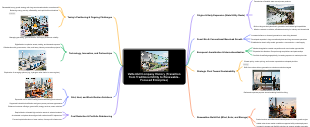
MindMap Gallery Vale Market Segmentation, Targeting and Positioning Analysis
Discover how Vale is strategically navigating the iron ore market while diversifying into metals for the energy transition. This analysis covers Vale's segmentation by customer type, geography, product quality, purchasing behavior, and sustainability expectations. Key targets include tier-1 Asian steelmakers and decarbonization-focused steel producers. The positioning emphasizes reliable, high-quality supply, sustainability partnerships, and customer-centric solutions. Vale aims to differentiate through its product mix, logistics capabilities, and innovation in low-carbon solutions, all while reducing cyclicality exposure and aligning with emerging market demands. Join us in exploring Vale's strategic approach to maintaining its leadership in the evolving steel industry.
Edited at 2026-03-25 14:38:02小紅書(RED)における「草もみ」から購買への転換パスを徹底分析しました。まず、コンテンツの露出や認知段階に焦点を当て、最適な露出チャネルやアルゴリズム推薦の重要性を探ります。続いて、ユーザーの関与を促進する要素や、コメントやQ&Aによる信頼構築について考察。購買段階では、シームレスな決済体験や主要決済手段との連携が鍵となります。最後に、購入後のUGC生成やハッシュタグキャンペーンによるブランド資産の構築についても触れます

Naver Shoppingの転換ファネル分析図は、顧客の購買プロセスを深く理解するための重要なツールです。まず、流入・集客フェーズでは、検索トラフィックやコンテンツディスカバリーを通じてユーザーを引き寄せます。次に、関心・検討フェーズでは、コンテンツとコマースの融合を活用し、情報比較を促進します。意思決定・転換フェーズでは、購入障壁の除去や決済の利便性を重視し、リピート購入を促進する保持・拡散フェーズでは、ユーザー生成コンテンツの循環を通じて新たな顧客を引き込む仕組みを構築しています
WooCommerceの転換パス最適化は、オンラインストアの成長を促進するための重要な戦略です。このプロセスは、集客からリテンションまでの各フェーズにおいて、効果的な施策を展開します。まず、集客・流入フェーズでは、SEOや有料広告を活用し、ランディングページの最適化を行います。次に、閲覧・検討フェーズでは、商品ページの改善と社会的証明を強調します。カート投入フェーズでは、放棄率を抑制し、決済・チェックアウトフェーズでは簡素化を図ります。購入完了後は、リテンション施策を通じて顧客を再度呼び戻し、データ分析を通じて継続的な改善を実施します
小紅書(RED)における「草もみ」から購買への転換パスを徹底分析しました。まず、コンテンツの露出や認知段階に焦点を当て、最適な露出チャネルやアルゴリズム推薦の重要性を探ります。続いて、ユーザーの関与を促進する要素や、コメントやQ&Aによる信頼構築について考察。購買段階では、シームレスな決済体験や主要決済手段との連携が鍵となります。最後に、購入後のUGC生成やハッシュタグキャンペーンによるブランド資産の構築についても触れます
Naver Shoppingの転換ファネル分析図は、顧客の購買プロセスを深く理解するための重要なツールです。まず、流入・集客フェーズでは、検索トラフィックやコンテンツディスカバリーを通じてユーザーを引き寄せます。次に、関心・検討フェーズでは、コンテンツとコマースの融合を活用し、情報比較を促進します。意思決定・転換フェーズでは、購入障壁の除去や決済の利便性を重視し、リピート購入を促進する保持・拡散フェーズでは、ユーザー生成コンテンツの循環を通じて新たな顧客を引き込む仕組みを構築しています
WooCommerceの転換パス最適化は、オンラインストアの成長を促進するための重要な戦略です。このプロセスは、集客からリテンションまでの各フェーズにおいて、効果的な施策を展開します。まず、集客・流入フェーズでは、SEOや有料広告を活用し、ランディングページの最適化を行います。次に、閲覧・検討フェーズでは、商品ページの改善と社会的証明を強調します。カート投入フェーズでは、放棄率を抑制し、決済・チェックアウトフェーズでは簡素化を図ります。購入完了後は、リテンション施策を通じて顧客を再度呼び戻し、データ分析を通じて継続的な改善を実施します
Schneider Electric SWOT Analysis
Strengths
Leading energy management and automation technology
Strong portfolio in energy efficiency, power distribution, industrial automation, and digital solutions
Advanced software and digital capabilities (IoT-enabled platforms, analytics, digital twins)
Integration of hardware, software, and services into end-to-end solutions
Strong intellectual property and engineering know-how across electrification and automation
Brand reputation and global presence
Recognized brand associated with reliability, safety, and sustainability
Broad geographic footprint across developed and emerging markets
Diversified customer base (industry, buildings, data centers, infrastructure, utilities)
Sustainability leadership and ESG positioning
Clear decarbonization and sustainability commitments aligned with customer needs
Strong positioning in energy efficiency solutions that reduce operating costs and emissions
Ability to win projects where ESG performance is a procurement requirement
Broad product and services ecosystem
Comprehensive offering: switchgear, UPS, drives, PLCs, SCADA, building management, microgrids
Strong partner network: system integrators, OEMs, contractors, distributors
After-sales services, maintenance, and lifecycle support improving customer retention
Financial resilience and scale advantages
Scale efficiencies in R&D, procurement, manufacturing, and distribution
Capacity to invest in innovation, acquisitions, and strategic partnerships
Diversification reduces exposure to downturns in any single segment
Strengths concentrate on end-to-end electrification+automation capability, trusted global reach, ESG credibility, ecosystem depth, and scale-enabled investment power
Weaknesses
Complex and capital-intensive operations
High fixed costs in manufacturing, R&D, and global supply chain infrastructure
Significant capex required to maintain production capacity, quality, and compliance
Complexity in managing multi-division, multi-region operations and product lines
Execution and integration challenges
Integration risk from acquisitions and platform consolidation
Complexity in harmonizing IT systems, processes, and product architectures globally
Risk of delays in large-scale project delivery and commissioning
Margin pressure from cost structure and competition
Exposure to raw material and component price volatility (copper, semiconductors)
Need for continuous investment in software and cybersecurity capabilities
Competitive pricing pressure in commoditized electrical distribution segments
Dependence on cyclical end markets
Sensitivity to industrial capex cycles, construction cycles, and infrastructure spending
Project-based revenue in certain segments can be lumpy and timing-dependent
Organizational and product portfolio complexity for customers
Large catalog and solution complexity can lengthen sales cycles
Higher training and change-management needs for customer adoption
Potential for overlapping solutions and internal complexity across platforms
Key weaknesses stem from operational/portfolio complexity, integration execution risk, margin sensitivity, and exposure to cyclical demand
Opportunities
Smart buildings growth
Rising demand for building automation, energy monitoring, and occupancy optimization
Retrofit market for energy efficiency upgrades in commercial and public buildings
Integration with smart city initiatives and connected infrastructure
Expansion of Building Management Systems (BMS) and digital services subscriptions
Green energy and electrification expansion
Growth in renewable integration (solar, wind) and grid modernization investments
Microgrids and distributed energy resources (DER) for resilience and cost optimization
Electrification of industrial processes to reduce fossil fuel dependence
Solutions for data center energy efficiency driven by cloud/AI growth
EV charging and energy infrastructure buildout
Electrical distribution upgrades in buildings and fleets to support charging demand
Opportunities in smart charging management, load balancing, and energy storage integration
Partnerships with utilities, real estate operators, and fleet managers
Industrial digital transformation (Industry 4.0)
Increased adoption of automation, robotics integration, and advanced process control
Software-led growth: predictive maintenance, asset performance management, analytics
Edge-to-cloud architectures for real-time monitoring and optimization
Regulatory and incentive tailwinds for decarbonization
Government incentives for energy efficiency and renewable integration
Corporate decarbonization targets driving demand for measurement, reporting, and optimization tools
Growth in consulting, auditing, and lifecycle services around compliance
Expansion in emerging markets
Urbanization and infrastructure development increasing demand for power distribution and automation
Opportunity to tailor cost-effective, scalable solutions for local market needs
Localization of manufacturing and partnerships to improve competitiveness
Threats
Regulatory and compliance pressures
Changing standards for electrical safety, emissions, and product certifications across regions
Increased compliance costs and potential delays in product approvals
Risk of penalties, recalls, or reputational damage from non-compliance incidents
Global competition and pricing pressure
Intense rivalry with major electrification and automation players and regional competitors
Commoditization in parts of electrical distribution driving margin erosion
Competitive pressure in software platforms and industrial IoT ecosystems
Supply chain disruptions and component shortages
Dependence on semiconductors, electronics, and critical raw materials
Geopolitical events, trade restrictions, and logistics volatility impacting lead times and costs
Risks of supplier concentration or quality issues affecting delivery performance
Cybersecurity risks in connected products and platforms
Increasing attack surface as solutions become more connected and software-driven
Potential operational disruptions for customers and liability/reputational impact
Ongoing costs to maintain security updates, certifications, and incident response
Macroeconomic and currency risks
Slowdowns affecting construction, industrial investment, and infrastructure spending
Interest rate changes impacting customer capex decisions and project financing
Currency volatility affecting international revenues, costs, and profitability
Technological disruption and shifting customer preferences
Rapid innovation cycles in automation software, AI, and energy management platforms
Risk of platform lock-in by competitors and ecosystem fragmentation
Need to continually modernize offerings to avoid obsolescence