MindMap Gallery Panasonic Market Segmentation, Targeting and Positioning Analysis
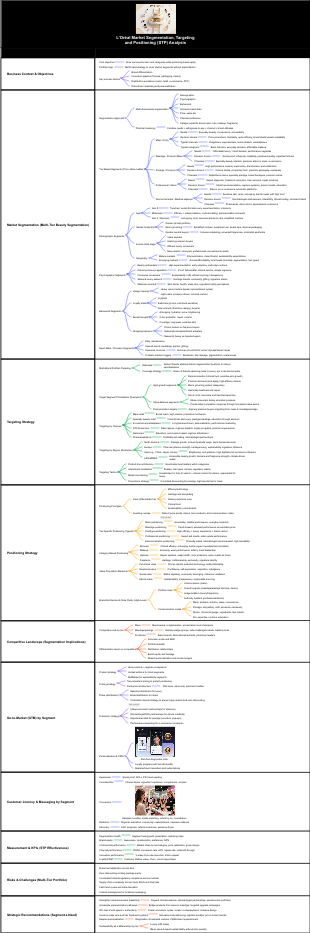
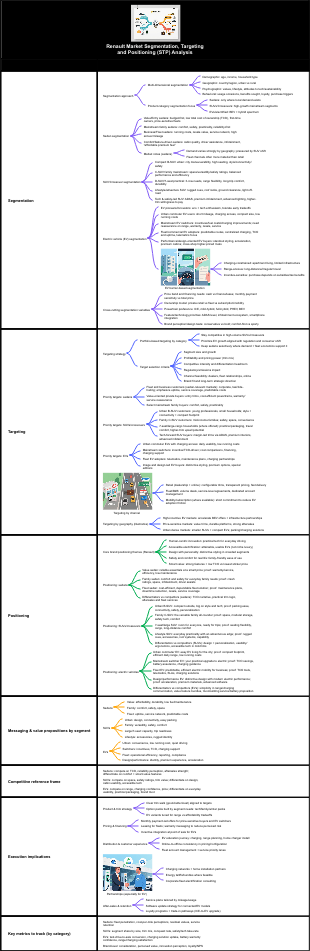
This analysis explores Panasonic’s comprehensive Market Segmentation, Targeting, and Positioning (STP) across household, business, and industrial segments, optimizing offerings for diverse customer needs. Household segmentation examines demographics (age, income, household size, homeownership), geographic preferences (climate, urban vs. rural, regional), psychographics (lifestyle: convenience-seekers, eco-conscious, tech-savvy, design-focused), and behavioral patterns (purchase triggers: replacement, renovation, new home; brand loyalty, price sensitivity). Household products include home appliances (refrigerators, washers, dishwashers, ovens, microwaves, vacuum cleaners, air purifiers) and consumer electronics (TVs, audio, cameras). Business segmentation addresses company size (SMB, mid-market, large enterprise), industry verticals (retail, hospitality, healthcare, office, education), and procurement behaviors (volume, frequency, contract vs. spot purchase). Business solutions include commercial appliances (kitchen equipment, laundry), HVAC, signage, projectors, and office automation. Industrial segmentation targets sectors by sector (manufacturing, automotive, electronics, logistics, energy) and operational requirements (automation, reliability, efficiency, safety, uptime). Industrial offerings include factory automation (robotics, controllers, sensors), automotive components (EV batteries, infotainment), electronic components (capacitors, relays), logistics solutions, and energy systems (solar, fuel cells, battery storage). Targeting priorities: households (value, premium, smart), businesses (reliability, cost-effectiveness), industrial (performance, customization). Positioning: Panasonic delivers quality, innovation, and sustainability tailored to segment-specific needs. This structured approach drives customer satisfaction and market success.
Edited at 2026-03-25 14:39:20이 마인드맵은 ENHYPEN의 그룹 정체성, HYBE·CJ ENM과의 협력 구조, 글로벌 운영 전략을 다각적으로 분석한 종합 리서치 자료입니다. 중앙에 핵심 주제인 「ENHYPEN 혈통과 글로벌 운영」을 배치하고, 그룹의 배경, 사업 구조, 글로벌 성장 전략 등을 체계적으로 구조화했습니다. 1. 그룹의 핵심 배경과 정체성 마인드맵 좌측 상단 영역은 ENHYPEN의 탄생과 정체성을 정의합니다. 오디션 프로그램 《I-LAND》를 통해 탄생한 7인조 보이그룹으로, HYBE의 프로듀싱 역량과 CJ ENM의 방송·마케팅 인프라가 결합된 하이브리드 프로젝트로, 데뷔 초부터 글로벌 팬덤을 기반으로 빠르게 성장한 K팝 차세대 대표 그룹임을 강조합니다. 또한 멤버들의 다국적 구성(한국·미국·일본 등)을 통해 글로벌 시장 공략의 유리한 조건을 갖춘 점을 분석했습니다. 2. HYBE와 CJ ENM의 협력 구조 좌측 하단 영역은 그룹의 사업적 뿌리인 HYBE×CJ ENM의 공동 투자·운영 구조를 분석합니다. HYBE가 음악 프로듀싱·아티스트 관리·글로벌 마케팅을 총괄하고, CJ ENM이 방송 콘텐츠·국내 마케팅·플랫폼 연계를 담당하는 분업 구조를 중심으로, 두 기업의 시너지를 통해 ENHYPEN의 빠른 성장을 이끈 전략을 설명했습니다. 또한 BELIFT Lab을 중심으로 한 전담 운영 체계가 그룹의 안정적인 활동을 뒷받침하는 핵심 요건임을 정리했습니다. 3. 글로벌 운영과 성장 전략 우측 하단 영역은 ENHYPEN의 글로벌 확장 전략을 정의합니다. 월드 투어·해외 차트 진입·글로벌 SNS 마케팅을 중심으로, 미국·유럽·일본 등 주요 시장에서의 입지를 강화하는 전략을 강조합니다. 또한 HYBE의 글로벌 네트워크를 활용한 현지화 전략과, 다국적 멤버들의 언어·문화 역량을 활용한 팬 소통 전략을 통해 글로벌 팬덤을 확장하는 방안을 분석했습니다. 4. 무대·콘텐츠와 브랜딩 전략 우측 상단 영역은 그룹의 핵심 경쟁력인 무대 퍼포먼스와 콘텐츠 브랜딩을 분석합니다. 강렬한 퍼포먼스·독창적인 콘셉트·고품질 뮤직비디오를 중심으로, 그룹의 시각적 아이덴티티를 구축하고 팬의 시각적 만족도를 높이는 전략을 강조합니다. 또한 다양한 예능·리얼리티 콘텐츠를 통해 멤버들의 개성을 부각하고, 장기적인 팬덤 충성도를 높이는 브랜딩 전략을 정리했습니다. 이 마인드맵은 ENHYPEN의 성장 배경과 글로벌 운영 전략을 명확히 보여줍니다. 이를 통해 K팝 보이그룹의 성공 모델을 이해하고, HYBE·CJ ENM의 협력 구조가 아티스트 성장에 미치는 영향을 분석하는 데 활용할 수 있습니다.

이 마인드맵은 K팝 걸그룹 (여자)아이들의 핵심 경쟁력인 전소연 중심의 자체 프로듀싱 시스템의 전체 구조·운영 방식·성공 전략·업계 영향을 종합 분석한 실용 가이드로, 아이돌 그룹의 인하우스 프로듀싱 모델·자급자족 성공 전략 연구에 활용할 수 있는 핵심 프레임워크입니다. 1. 시스템 개요: 전소연 중심의 자체 프로듀싱 1) 핵심 개념 (여자)아이들 시스템의 핵심은 리더 전소연을 중심으로 한 100% 자체 프로듀싱입니다. 그룹의 모든 타이틀곡·수록곡·앨범 기획을 전소연이 직접 작곡·작사·프로듀싱하며, 멤버들의 아이디어를 통합해 완성도 높은 결과물을 만드는 구조로, 외부 프로듀서에 의존하지 않고 그룹만의 독보적인 색깔을 구축하는 것이 특징입니다. 2) 그룹 배경 (여자)아이들은 2018년 큐브엔터테인먼트에서 데뷔한 5인조 걸그룹으로, 데뷔곡 「LATATA」부터 전소연의 자작곡으로 연속 히트를 기록하며 '자체 제작 걸그룹'의 대표로 성장했습니다. 2. 시스템 핵심 구성 요소 1) 제작 프로세스(흐름) 아이디어 발굴: 전소연의 중심 아이디어를 바탕으로 멤버들의 의견을 수렴·통합 곡 작업·프로듀싱: 전소연이 직접 작곡·작사·편곡을 진행하고, 멤버별 보컬 특성에 맞춘 파트 배분 녹음·최종 검수: 보컬 녹음 후 전소연과 멤버 전체가 최종 검수·수정·보완 공개·피드백 반영: 앨범 공개 후 팬 피드백을 반영해 다음 작업에 반영 2) 팀 내 분업과 협업 전소연의 총괄 프로듀싱: 앨범 전체 기획·곡 작업·무대 연출까지 총괄 멤버의 역량 극대화: 각 멤버의 강점을 살린 파트 배분·콘텐츠 기획 참여 민주적 의사결정: 멤버 모두가 의견을 내고 토론하는 방식으로 그룹 결정에 참여 3. 장점과 리스크 관리 1) 시스템의 핵심 장점 그룹만의 독보적인 색깔: 외부 의존도를 낮추고 그룹의 정체성을 일관되게 유지 지속 가능한 성장 선순환: 전소연의 프로듀싱 역량 성장에 따라 콘텐츠 완성도도 높아지는 구조 글로벌 경쟁력 강화: 독특한 음악 스타일로 빌보드 차트 진입·월드투어 성공 등 글로벌 인기 확보 2) 리스크와 관리 전략 전소연 의존도 리스크: 멤버들의 자작곡 참여·프로듀싱 역량 강화로 의존도 분산 창작 슬럼프 리스크: 전소연의 창작 활동 지원·멤버들의 아이디어 발굴로 지속적인 창작 동력 확보 일정 관리 리스크: 체계적인 제작 스케줄 관리로 안정적인 앨범 발매 4. 창작·멤버 역량 관리 1) 창작 활동 지원 자유로운 창작 환경 보장: 소속사가 전소연의 창작에 최대한 자율성을 부여 외부 전문가 협업: 필요시 외부 편곡가·엔지니어와 협업해 완성도 높임 2) 멤버 역량 강화 멤버별 프로듀싱 역량 육성: 전소연의 지도 아래 멤버들의 작곡·작사 역량 강화 다방면 역량 개발: 보컬·안무·예능 등 다방면 역량 강화로 그룹 시너지 극대화 5. 시장과 업계 영향 1) K팝 걸그룹의 새로운 성공 공식 (여자)아이들의 전소연 중심 자체 프로듀싱 시스템은 '자체 제작 걸그룹'의 성공 공식을 새로 정립한 대표 사례로, 이후 많은 걸그룹이 인하우스 프로듀싱을 추구하게 만들었습니다. 2) 업계에 미친 영향 여성 프로듀서의 위상 강화: 전소연의 성공으로 K팝 내 여성 프로듀서의 입지를 높이고, 여성 아이돌의 창작 역량을 재조명 자급자족 모델의 확산: 아이돌 그룹의 자체 제작 모델을 업계 표준으로 자리 잡게 함 6. 결론 이 마인드맵은 (여자)아이들의 전소연 중심 자체 프로듀싱 시스템을 종합 분석한 종합 가이드로, K팝 아이돌 그룹의 자체 제작 모델·성공 전략을 이해하는 데 필수적인 자료입니다. (여자)아이들의 혁신적인 시스템은 K팝 산업의 지속 가능한 성장을 위한 중요한 참고 사례로, 향후 아이돌 그룹의 운영 전략 수립에 활용할 수 있는 구체적인 인사이트를 제공합니다.
이 마인드맵은 아이돌 팬덤의 팬그룹 소통 운영을 체계적으로 정리한 종합 가이드로, 소통의 목표·전략·관리·수익화 등을 다각적으로 분석했습니다. 팬덤 운영자·기획사·아이돌 모두가 활용할 수 있는 실용 프레임워크로, 건강한 팬문화 구축과 효율적인 소통 관리에 필수적인 자료입니다. 1. 개요: 팬그룹 소통의 핵심 정의 마인드맵 중앙의 팬그룹 소통 입문은, 아이돌 팬덤 내에서 팬과 아이돌·기획사 간의 원활한 소통을 이끌고, 건강한 팬문화를 조성하며 팬덤의 결속력과 충성도를 극대화하는 것을 목표로 한 종합 가이드입니다. 주요 분석 범위로는 소통 목표·채널·전략·관리·수익화·리스크 관리 등을 포함하며, 팬덤 운영의 전 과정을 표준화하는 것을 목표로 설정합니다. 2. 핵심 분석 프레임워크 2.1 소통 목표와 원칙 핵심 목표: 팬과 아이돌 간의 신뢰 구축, 팬덤 결속력 강화, 건강한 팬문화 조성, 아이돌 활동 지원 운영 원칙: 공정성·투명성·존중을 기반으로, 차별 없는 소통, 팬의 의견 존중, 분쟁 예방과 중재 2.2 소통 채널과 운영 전략 주요 채널: 카카오톡 오픈채팅·디스코드·SNS·팬카페 등, 목적에 맞는 채널 분류와 운영 방안 소통 전략: 정기적인 공지·이벤트·투표·Q&A를 통한 팬 참여 유도, 아이돌 소식 공유, 팬 간 교류 활성화 콘텐츠 전략: 아이돌 비하인드·팬아트·이벤트 후기 등 팬 흥미 유발 콘텐츠 기획 2.3 운영 관리와 역할 분담 운영 팀 구조: 그룹장·부운영자·분야별 담당자의 역할 분담, 의사결정 프로세스 표준화 규칙 관리: 그룹 규칙 제정·공지·준수 관리, 위반 시 제재 절차 마련 분쟁 관리: 팬 간 갈등·의견 충돌 시 중재·해결 프로세스, 공정한 판단 기준 2.4 수익화와 사업화 전략 수익 모델: 굿즈 공동 구매·이벤트 대행·광고 협찬 등, 팬덤 기반 수익 창출 방안 사업화 전략: 팬덤 규모 확대·협찬 유치·브랜딩을 통한 지속 가능한 수익 구조 구축 투명 경영: 수익·지출 내역 공개, 팬 신뢰 유지 2.5 리스크 관리와 안정화 주요 리스크: 팬 간 갈등·정보 유출·규칙 위반·외부 악성 댓글 등 관리 전략: 모니터링 체계 구축·신속한 대응·예방 교육·안전한 소통 환경 조성 위기 대응: 이슈 발생 시 대응 매뉴얼, 팬과의 소통을 통한 신뢰 회복 3. 실무 적용과 전략적 인사이트 3.1 팬덤 운영자 활용 방안 초기 운영 가이드: 그룹 개설·규칙 제정·운영 팀 구성 등 입문 단계 실무 가이드 운영 효율화: 자동화 툴·템플릿 활용, 업무 분담을 통한 운영 부담 감소 팬 경험 향상: 맞춤형 소통·이벤트 기획을 통한 팬 만족도 극대화 3.2 기획사·아이돌 활용 방안 팬덤 관리: 팬 의견 수렴·소통 채널 확장을 통한 아이돌 활동 지원 브랜딩 강화: 팬덤을 통한 긍정적 이미지 구축, 아이돌 활동 홍보 리스크 관리: 팬덤 내 이슈 모니터링·사전 예방을 통한 아이돌 이미지 보호 4. 결론: 팬그룹 소통의 가치와 전망 이 마인드맵은 아이돌 팬덤의 팬그룹 소통 운영을 위한 표준화된 프레임워크로, 건강한 팬문화 조성과 효율적인 팬덤 관리에 필수적인 가이드입니다. 팬덤 운영의 전 과정을 체계적으로 정리해, 초보 운영자도 쉽게 따라할 수 있는 실용적인 내용을 담고 있으며, K팝 팬덤 문화의 건전한 발전에 기여하는 핵심 자료로 활용됩니다.1. 개요: 미국 시장 돌파의 핵심 정의 마인드맵 중앙의 미국 시장 돌파 이정표는, K팝 아이돌이 세계 최대 음악 시장인 미국에 성공적으로 진출하고 지속 가능한 성장을 이루기 위한 전 과정을 단계별로 관리하는 전략 문서입니다. 주요 분석 범위로는 진출 단계, 핵심 성과 지표, 성공 요인, 리스크 관리 등을 포함하며, 미국 시장에서의 브랜드 가치 극대화와 장기 성장을 목표로 설정합니다. 2. 진출 단계별 전략 2.1 초기 진출 단계 (BoA 마켓 진출) 시장 진입 목표: 미국 음악 시장에 첫 발을 내딛고, 기본적인 인지도를 구축하는 단계 핵심 전략: 영어 싱글 발매, 빌보드 차트 진입 목표, 미국 주요 음악 플랫폼(Spotify, Apple Music) 진출 주요 활동: 영어 앨범 발매, 미국 라디오
이 마인드맵은 ENHYPEN의 그룹 정체성, HYBE·CJ ENM과의 협력 구조, 글로벌 운영 전략을 다각적으로 분석한 종합 리서치 자료입니다. 중앙에 핵심 주제인 「ENHYPEN 혈통과 글로벌 운영」을 배치하고, 그룹의 배경, 사업 구조, 글로벌 성장 전략 등을 체계적으로 구조화했습니다. 1. 그룹의 핵심 배경과 정체성 마인드맵 좌측 상단 영역은 ENHYPEN의 탄생과 정체성을 정의합니다. 오디션 프로그램 《I-LAND》를 통해 탄생한 7인조 보이그룹으로, HYBE의 프로듀싱 역량과 CJ ENM의 방송·마케팅 인프라가 결합된 하이브리드 프로젝트로, 데뷔 초부터 글로벌 팬덤을 기반으로 빠르게 성장한 K팝 차세대 대표 그룹임을 강조합니다. 또한 멤버들의 다국적 구성(한국·미국·일본 등)을 통해 글로벌 시장 공략의 유리한 조건을 갖춘 점을 분석했습니다. 2. HYBE와 CJ ENM의 협력 구조 좌측 하단 영역은 그룹의 사업적 뿌리인 HYBE×CJ ENM의 공동 투자·운영 구조를 분석합니다. HYBE가 음악 프로듀싱·아티스트 관리·글로벌 마케팅을 총괄하고, CJ ENM이 방송 콘텐츠·국내 마케팅·플랫폼 연계를 담당하는 분업 구조를 중심으로, 두 기업의 시너지를 통해 ENHYPEN의 빠른 성장을 이끈 전략을 설명했습니다. 또한 BELIFT Lab을 중심으로 한 전담 운영 체계가 그룹의 안정적인 활동을 뒷받침하는 핵심 요건임을 정리했습니다. 3. 글로벌 운영과 성장 전략 우측 하단 영역은 ENHYPEN의 글로벌 확장 전략을 정의합니다. 월드 투어·해외 차트 진입·글로벌 SNS 마케팅을 중심으로, 미국·유럽·일본 등 주요 시장에서의 입지를 강화하는 전략을 강조합니다. 또한 HYBE의 글로벌 네트워크를 활용한 현지화 전략과, 다국적 멤버들의 언어·문화 역량을 활용한 팬 소통 전략을 통해 글로벌 팬덤을 확장하는 방안을 분석했습니다. 4. 무대·콘텐츠와 브랜딩 전략 우측 상단 영역은 그룹의 핵심 경쟁력인 무대 퍼포먼스와 콘텐츠 브랜딩을 분석합니다. 강렬한 퍼포먼스·독창적인 콘셉트·고품질 뮤직비디오를 중심으로, 그룹의 시각적 아이덴티티를 구축하고 팬의 시각적 만족도를 높이는 전략을 강조합니다. 또한 다양한 예능·리얼리티 콘텐츠를 통해 멤버들의 개성을 부각하고, 장기적인 팬덤 충성도를 높이는 브랜딩 전략을 정리했습니다. 이 마인드맵은 ENHYPEN의 성장 배경과 글로벌 운영 전략을 명확히 보여줍니다. 이를 통해 K팝 보이그룹의 성공 모델을 이해하고, HYBE·CJ ENM의 협력 구조가 아티스트 성장에 미치는 영향을 분석하는 데 활용할 수 있습니다.
이 마인드맵은 K팝 걸그룹 (여자)아이들의 핵심 경쟁력인 전소연 중심의 자체 프로듀싱 시스템의 전체 구조·운영 방식·성공 전략·업계 영향을 종합 분석한 실용 가이드로, 아이돌 그룹의 인하우스 프로듀싱 모델·자급자족 성공 전략 연구에 활용할 수 있는 핵심 프레임워크입니다. 1. 시스템 개요: 전소연 중심의 자체 프로듀싱 1) 핵심 개념 (여자)아이들 시스템의 핵심은 리더 전소연을 중심으로 한 100% 자체 프로듀싱입니다. 그룹의 모든 타이틀곡·수록곡·앨범 기획을 전소연이 직접 작곡·작사·프로듀싱하며, 멤버들의 아이디어를 통합해 완성도 높은 결과물을 만드는 구조로, 외부 프로듀서에 의존하지 않고 그룹만의 독보적인 색깔을 구축하는 것이 특징입니다. 2) 그룹 배경 (여자)아이들은 2018년 큐브엔터테인먼트에서 데뷔한 5인조 걸그룹으로, 데뷔곡 「LATATA」부터 전소연의 자작곡으로 연속 히트를 기록하며 '자체 제작 걸그룹'의 대표로 성장했습니다. 2. 시스템 핵심 구성 요소 1) 제작 프로세스(흐름) 아이디어 발굴: 전소연의 중심 아이디어를 바탕으로 멤버들의 의견을 수렴·통합 곡 작업·프로듀싱: 전소연이 직접 작곡·작사·편곡을 진행하고, 멤버별 보컬 특성에 맞춘 파트 배분 녹음·최종 검수: 보컬 녹음 후 전소연과 멤버 전체가 최종 검수·수정·보완 공개·피드백 반영: 앨범 공개 후 팬 피드백을 반영해 다음 작업에 반영 2) 팀 내 분업과 협업 전소연의 총괄 프로듀싱: 앨범 전체 기획·곡 작업·무대 연출까지 총괄 멤버의 역량 극대화: 각 멤버의 강점을 살린 파트 배분·콘텐츠 기획 참여 민주적 의사결정: 멤버 모두가 의견을 내고 토론하는 방식으로 그룹 결정에 참여 3. 장점과 리스크 관리 1) 시스템의 핵심 장점 그룹만의 독보적인 색깔: 외부 의존도를 낮추고 그룹의 정체성을 일관되게 유지 지속 가능한 성장 선순환: 전소연의 프로듀싱 역량 성장에 따라 콘텐츠 완성도도 높아지는 구조 글로벌 경쟁력 강화: 독특한 음악 스타일로 빌보드 차트 진입·월드투어 성공 등 글로벌 인기 확보 2) 리스크와 관리 전략 전소연 의존도 리스크: 멤버들의 자작곡 참여·프로듀싱 역량 강화로 의존도 분산 창작 슬럼프 리스크: 전소연의 창작 활동 지원·멤버들의 아이디어 발굴로 지속적인 창작 동력 확보 일정 관리 리스크: 체계적인 제작 스케줄 관리로 안정적인 앨범 발매 4. 창작·멤버 역량 관리 1) 창작 활동 지원 자유로운 창작 환경 보장: 소속사가 전소연의 창작에 최대한 자율성을 부여 외부 전문가 협업: 필요시 외부 편곡가·엔지니어와 협업해 완성도 높임 2) 멤버 역량 강화 멤버별 프로듀싱 역량 육성: 전소연의 지도 아래 멤버들의 작곡·작사 역량 강화 다방면 역량 개발: 보컬·안무·예능 등 다방면 역량 강화로 그룹 시너지 극대화 5. 시장과 업계 영향 1) K팝 걸그룹의 새로운 성공 공식 (여자)아이들의 전소연 중심 자체 프로듀싱 시스템은 '자체 제작 걸그룹'의 성공 공식을 새로 정립한 대표 사례로, 이후 많은 걸그룹이 인하우스 프로듀싱을 추구하게 만들었습니다. 2) 업계에 미친 영향 여성 프로듀서의 위상 강화: 전소연의 성공으로 K팝 내 여성 프로듀서의 입지를 높이고, 여성 아이돌의 창작 역량을 재조명 자급자족 모델의 확산: 아이돌 그룹의 자체 제작 모델을 업계 표준으로 자리 잡게 함 6. 결론 이 마인드맵은 (여자)아이들의 전소연 중심 자체 프로듀싱 시스템을 종합 분석한 종합 가이드로, K팝 아이돌 그룹의 자체 제작 모델·성공 전략을 이해하는 데 필수적인 자료입니다. (여자)아이들의 혁신적인 시스템은 K팝 산업의 지속 가능한 성장을 위한 중요한 참고 사례로, 향후 아이돌 그룹의 운영 전략 수립에 활용할 수 있는 구체적인 인사이트를 제공합니다.
이 마인드맵은 아이돌 팬덤의 팬그룹 소통 운영을 체계적으로 정리한 종합 가이드로, 소통의 목표·전략·관리·수익화 등을 다각적으로 분석했습니다. 팬덤 운영자·기획사·아이돌 모두가 활용할 수 있는 실용 프레임워크로, 건강한 팬문화 구축과 효율적인 소통 관리에 필수적인 자료입니다. 1. 개요: 팬그룹 소통의 핵심 정의 마인드맵 중앙의 팬그룹 소통 입문은, 아이돌 팬덤 내에서 팬과 아이돌·기획사 간의 원활한 소통을 이끌고, 건강한 팬문화를 조성하며 팬덤의 결속력과 충성도를 극대화하는 것을 목표로 한 종합 가이드입니다. 주요 분석 범위로는 소통 목표·채널·전략·관리·수익화·리스크 관리 등을 포함하며, 팬덤 운영의 전 과정을 표준화하는 것을 목표로 설정합니다. 2. 핵심 분석 프레임워크 2.1 소통 목표와 원칙 핵심 목표: 팬과 아이돌 간의 신뢰 구축, 팬덤 결속력 강화, 건강한 팬문화 조성, 아이돌 활동 지원 운영 원칙: 공정성·투명성·존중을 기반으로, 차별 없는 소통, 팬의 의견 존중, 분쟁 예방과 중재 2.2 소통 채널과 운영 전략 주요 채널: 카카오톡 오픈채팅·디스코드·SNS·팬카페 등, 목적에 맞는 채널 분류와 운영 방안 소통 전략: 정기적인 공지·이벤트·투표·Q&A를 통한 팬 참여 유도, 아이돌 소식 공유, 팬 간 교류 활성화 콘텐츠 전략: 아이돌 비하인드·팬아트·이벤트 후기 등 팬 흥미 유발 콘텐츠 기획 2.3 운영 관리와 역할 분담 운영 팀 구조: 그룹장·부운영자·분야별 담당자의 역할 분담, 의사결정 프로세스 표준화 규칙 관리: 그룹 규칙 제정·공지·준수 관리, 위반 시 제재 절차 마련 분쟁 관리: 팬 간 갈등·의견 충돌 시 중재·해결 프로세스, 공정한 판단 기준 2.4 수익화와 사업화 전략 수익 모델: 굿즈 공동 구매·이벤트 대행·광고 협찬 등, 팬덤 기반 수익 창출 방안 사업화 전략: 팬덤 규모 확대·협찬 유치·브랜딩을 통한 지속 가능한 수익 구조 구축 투명 경영: 수익·지출 내역 공개, 팬 신뢰 유지 2.5 리스크 관리와 안정화 주요 리스크: 팬 간 갈등·정보 유출·규칙 위반·외부 악성 댓글 등 관리 전략: 모니터링 체계 구축·신속한 대응·예방 교육·안전한 소통 환경 조성 위기 대응: 이슈 발생 시 대응 매뉴얼, 팬과의 소통을 통한 신뢰 회복 3. 실무 적용과 전략적 인사이트 3.1 팬덤 운영자 활용 방안 초기 운영 가이드: 그룹 개설·규칙 제정·운영 팀 구성 등 입문 단계 실무 가이드 운영 효율화: 자동화 툴·템플릿 활용, 업무 분담을 통한 운영 부담 감소 팬 경험 향상: 맞춤형 소통·이벤트 기획을 통한 팬 만족도 극대화 3.2 기획사·아이돌 활용 방안 팬덤 관리: 팬 의견 수렴·소통 채널 확장을 통한 아이돌 활동 지원 브랜딩 강화: 팬덤을 통한 긍정적 이미지 구축, 아이돌 활동 홍보 리스크 관리: 팬덤 내 이슈 모니터링·사전 예방을 통한 아이돌 이미지 보호 4. 결론: 팬그룹 소통의 가치와 전망 이 마인드맵은 아이돌 팬덤의 팬그룹 소통 운영을 위한 표준화된 프레임워크로, 건강한 팬문화 조성과 효율적인 팬덤 관리에 필수적인 가이드입니다. 팬덤 운영의 전 과정을 체계적으로 정리해, 초보 운영자도 쉽게 따라할 수 있는 실용적인 내용을 담고 있으며, K팝 팬덤 문화의 건전한 발전에 기여하는 핵심 자료로 활용됩니다.1. 개요: 미국 시장 돌파의 핵심 정의 마인드맵 중앙의 미국 시장 돌파 이정표는, K팝 아이돌이 세계 최대 음악 시장인 미국에 성공적으로 진출하고 지속 가능한 성장을 이루기 위한 전 과정을 단계별로 관리하는 전략 문서입니다. 주요 분석 범위로는 진출 단계, 핵심 성과 지표, 성공 요인, 리스크 관리 등을 포함하며, 미국 시장에서의 브랜드 가치 극대화와 장기 성장을 목표로 설정합니다. 2. 진출 단계별 전략 2.1 초기 진출 단계 (BoA 마켓 진출) 시장 진입 목표: 미국 음악 시장에 첫 발을 내딛고, 기본적인 인지도를 구축하는 단계 핵심 전략: 영어 싱글 발매, 빌보드 차트 진입 목표, 미국 주요 음악 플랫폼(Spotify, Apple Music) 진출 주요 활동: 영어 앨범 발매, 미국 라디오
Panasonic Market Segmentation, Targeting and Positioning (STP) Analysis
Segmentation
Household (B2C)
Demographic
Income tiers
Value-focused (entry/mid range buyers)
Mainstream (mid-range, feature-balanced)
Premium (high disposable income, flagship buyers)
Family lifecycle
Singles/young professionals (compact, connected devices)
Families (durable, safe, high-capacity appliances)
Seniors (easy-to-use, health-supporting products)
Geographic
Urban (space-saving, smart, energy-efficient)
Suburban (capacity, convenience, multi-room solutions)
Rural/semi-urban (reliability, serviceability, robust build)
Climate-driven needs
Hot/humid (air conditioning, dehumidification, ventilation)
Cold (heating solutions, insulation-related appliances)
Psychographic
Convenience seekers (automation, app control, minimal maintenance)
Health & wellness oriented (air/water quality, hygiene, grooming)
Sustainability minded (energy efficiency, long-life, recyclable materials)
Design/style conscious (minimalist aesthetics, premium finishes)
Behavioral
Usage intensity
Heavy users (durability, warranty, service network)
Light users (simplicity, cost control)
Benefit sought
Quiet operation
Energy savings
Safety and hygiene
Smart-home integration
Purchase triggers
Replacement cycle (breakdown/upgrade)
Seasonal demand (summer cooling, festive sales)
Life events (new home, marriage, baby)
Businesses (B2B)
Company size
SMBs (cost-effective, easy maintenance, financing)
Mid-market (balanced TCO, scalable deployments)
Enterprises (standardization, compliance, multi-site support)
Industry verticals
Retail & hospitality (in-store experience, signage, refrigeration, HVAC)
Offices & commercial real estate (building systems, energy management)
Healthcare (reliability, hygiene, compliance, uptime)
Education (durability, centralized management)
Food service (kitchen equipment, cold chain, safety)
Needs-based (job-to-be-done)
Reduce operating cost (energy efficiency, predictive maintenance)
Improve customer experience (comfort, displays, ambiance)
Ensure business continuity (service SLAs, redundancy)
Meet regulatory requirements (safety, emissions, certifications)
Procurement behavior
Tender/RFP driven vs relationship selling
CAPEX vs OPEX preferences (purchase vs lease/managed services)
Decision-making unit (facility managers, IT, finance, owners)
Service expectations
Installation complexity (single site vs multi-site rollout)
Support levels (standard warranty vs SLA/24-7)
Spare parts availability and response time
Industrial Clients (B2B/Industrial)
Sector segmentation
Manufacturing (automation, sensors, motors, drives)
Automotive & mobility (components, battery/energy systems, factory solutions)
Electronics/semiconductors (precision, cleanroom compatibility)
Logistics & warehousing (automation, power solutions)
Energy & utilities (storage, grid support, reliability)
Application-based
Factory automation (controls, robotics integration, safety systems)
Process optimization (monitoring, analytics, efficiency)
Quality assurance (inspection, traceability)
Power & energy management (batteries, UPS, storage)
Operational requirements
High uptime and reliability
Integration with existing systems (OT/IT interoperability)
Cybersecurity and safety standards
Lifecycle support (spares, long-term availability, upgrades)
Buying behavior
Long sales cycles and technical evaluation
Multi-stakeholder approval (engineering, procurement, compliance)
Pilot projects before scale deployment
Relationship model
Co-development/engineering partnerships
Key account management
Distributor/integrator ecosystems
Targeting
Targeting approach
Portfolio-based targeting by category
Consumer appliances and home solutions
Commercial building and business solutions
Industrial automation and energy solutions
Prioritization criteria
Market attractiveness (size, growth, profitability)
Competitive intensity and differentiation potential
Panasonic capabilities (technology, brand, service network)
Channel fit (retail, e-commerce, direct sales, integrators)
Strategic alignment (sustainability, energy, connected solutions)
Primary targets
Households
Mainstream families in urban/suburban areas
Demand: reliability, energy efficiency, safety, capacity
Offer: feature-rich mid-range with strong after-sales support
Premium urban professionals
Demand: smart, quiet, design-forward, connected ecosystems
Offer: premium lines, smart-home integration, superior UX
Health & wellness focused households
Demand: air/water quality, hygiene, personal care
Offer: purification, hygiene features, wellness positioning
Businesses
Multi-site retail/hospitality and commercial facilities
Demand: consistent experience, low downtime, efficient HVAC/AV
Offer: standardized solutions, centralized management, service SLAs
SMBs needing cost control and dependable service
Demand: good TCO, easy maintenance, financing options
Offer: value-driven bundles, strong local service partners
Regulated environments (e.g., healthcare)
Demand: compliance, reliability, hygiene, documentation
Offer: certified solutions, audit-ready support, uptime guarantees
Industrial clients
Manufacturers pursuing automation and productivity gains
Demand: high reliability, integration, safety
Offer: automation components, engineering support, lifecycle service
Energy storage and power management buyers
Demand: safety, performance, long life, total lifecycle value
Offer: battery/energy systems, monitoring, service and warranties
Primary targets cluster around reliability + efficiency + service-backed deployments, scaled from home to enterprise to factory.
Secondary targets
Emerging market households
Demand: durability, affordability, serviceability
Offer: robust entry lines, extended warranty, wide service footprint
Green building developers and property managers
Demand: energy compliance, building performance, tenant comfort
Offer: building systems, energy management solutions
OEM/Integrator partners
Demand: dependable supply, technical documentation, co-marketing
Offer: partner programs, reference designs, supply continuity
Positioning
Core positioning statement (umbrella)
“Reliable, energy-efficient, technology-driven solutions for homes, businesses, and industry—backed by strong quality and service.”
Positioning by segment
Households
Value proposition
Trusted quality and durability
Energy savings and quiet performance
User-friendly features and smart connectivity
Health, hygiene, and comfort enhancement
Key differentiators
Build quality and long lifespan
Energy-efficient engineering
After-sales service and warranty strength
Design that balances practicality and modern aesthetics
Reasons to believe
Brand heritage and engineering reputation
Broad service network and parts availability
Product certifications and performance ratings
Businesses
Value proposition
Lower total cost of ownership through efficiency and reliability
Consistent performance across multi-site deployments
Professional installation and service support
Key differentiators
Scalable solutions and centralized management
Strong maintenance ecosystem and SLAs
Compatibility with commercial standards and compliance needs
Proof points
Performance/efficiency metrics (energy, uptime)
Case studies in retail/hospitality/office deployments
Service response-time commitments
Industrial clients
Value proposition
High-reliability components and systems that improve productivity
Engineering partnership for integration and optimization
Lifecycle support for mission-critical operations
Key differentiators
Precision, safety, and uptime focus
Integration support with OT environments
Long-term supply and service assurance
Proof points
Qualification data, certifications, and testing
Reference architectures and pilot outcomes
Long-term maintenance and spare parts programs
Competitive positioning dimensions
Quality/reliability vs price
Positioned toward dependable mid-to-premium value rather than lowest cost
Innovation vs simplicity
Emphasis on practical innovation (useful features, not novelty)
Service support vs product-only competitors
Differentiation through installation, maintenance, and lifecycle care
Sustainability vs conventional
Strong focus on energy efficiency, lower emissions, and longevity
Messaging and value themes
“Comfort and care” for households (health, convenience, peace of mind)
“Efficiency and uptime” for businesses (TCO, service, consistency)
“Engineering partnership” for industry (integration, reliability, lifecycle)
Go-to-Market Implications (by segment)
Households
Channels
Retail and modern trade (experience zones, demos)
E-commerce (bundles, reviews, comparison tools)
Installer/contractor networks (HVAC, built-in appliances)
Promotions
Seasonal campaigns (cooling/heating peaks)
Trade-in/upgrade programs
Extended warranty and service bundles
Product/price architecture
Good-better-best tiers aligned to income segments
Feature differentiation (energy rating, noise, smart features)
Businesses
Channels
Direct sales to key accounts
System integrators and facility management partners
Distributor networks for SMB reach
Offers
TCO calculators and energy audits
Service contracts and preventive maintenance
Financing/leasing for CAPEX-sensitive customers
Industrial
Channels
Key account teams and solution engineers
Authorized distributors and automation integrators
Co-development with OEMs
Offers
Pilots/POCs, performance guarantees where feasible
Technical training and certification for partners
Long-term supply agreements and lifecycle management
Metrics to Validate STP Effectiveness
Household
Market share by category and price tier
Repeat purchase rate and warranty claims
NPS/CSAT and service turnaround time
Energy-efficiency perception and review sentiment
Business
Contract renewal rate and SLA compliance
Cost savings delivered (energy, downtime reduction)
Multi-site rollout penetration and account growth
Lead-to-win rate for RFPs
Industrial
Pilot-to-scale conversion rate
Uptime/MTBF improvements and defect rates
Attach rate of service/lifecycle contracts
Share of wallet in key accounts