MindMap Gallery Electrolux Market Segmentation, Targeting and Positioning Analysis
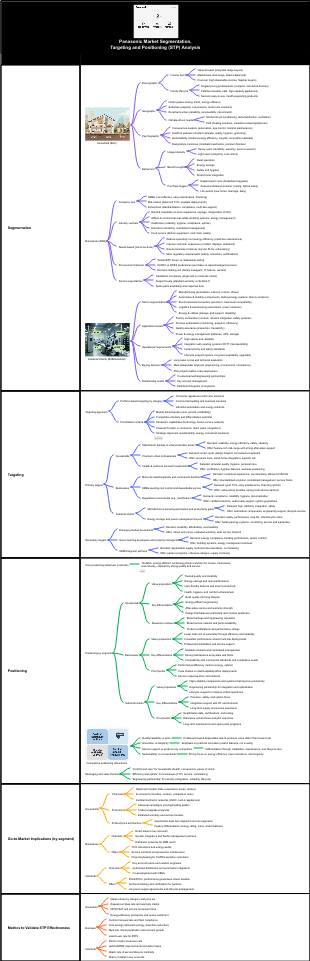
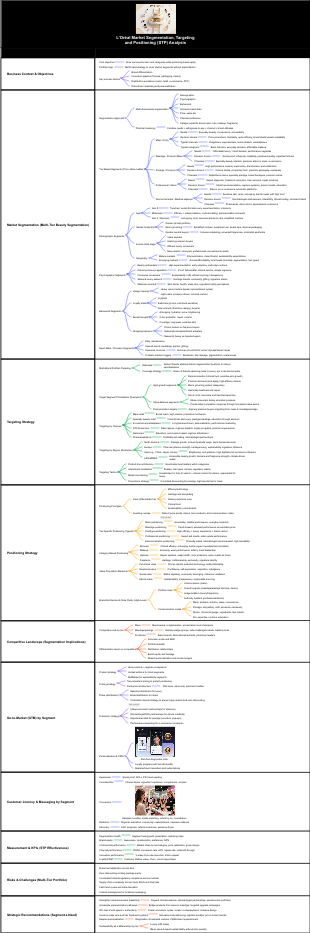
This analysis explores how Electrolux strategically segments, targets, and positions its products in the competitive appliance market, focusing on household and retail segments across major appliance categories (kitchen, laundry, floor care). Segmentation delves into demographic (age, income, household size, homeownership), geographic (urban vs. suburban, climate, regional preferences), psychographic (lifestyle: convenience-seekers, eco-conscious, design-focused, tech-savvy), and behavioral (usage patterns, brand loyalty, price sensitivity, replacement cycles) factors. Key consumer needs include energy efficiency, durability, smart features, ease of use, and after-sales service. Retail channel types include mass merchants (Walmart, Target), appliance specialty stores (Best Buy, Appliances Connection), department stores, e-commerce (Amazon, brand websites), home improvement centers (Home Depot, Lowe’s), and direct-to-consumer (brand flagship stores). Pricing tiers range from entry-level (basic functionality) to mid-range (energy efficiency, smart features) to premium (design, advanced technology). Targeting priorities: budget-conscious households (entry-level), families (mid-range, reliability), premium/design-conscious (high-end, brand prestige), eco-conscious (energy-efficient), and tech-savvy consumers (smart appliances). Positioning: Electrolux offers reliable, innovative, and energy-efficient appliances with a focus on user convenience, design, and sustainability. Differentiators include brand heritage, smart technology, and global service networks. This STP analysis enhances marketing effectiveness and brand positioning for diverse consumer segments.
Edited at 2026-03-25 14:40:00이 마인드맵은 ENHYPEN의 그룹 정체성, HYBE·CJ ENM과의 협력 구조, 글로벌 운영 전략을 다각적으로 분석한 종합 리서치 자료입니다. 중앙에 핵심 주제인 「ENHYPEN 혈통과 글로벌 운영」을 배치하고, 그룹의 배경, 사업 구조, 글로벌 성장 전략 등을 체계적으로 구조화했습니다. 1. 그룹의 핵심 배경과 정체성 마인드맵 좌측 상단 영역은 ENHYPEN의 탄생과 정체성을 정의합니다. 오디션 프로그램 《I-LAND》를 통해 탄생한 7인조 보이그룹으로, HYBE의 프로듀싱 역량과 CJ ENM의 방송·마케팅 인프라가 결합된 하이브리드 프로젝트로, 데뷔 초부터 글로벌 팬덤을 기반으로 빠르게 성장한 K팝 차세대 대표 그룹임을 강조합니다. 또한 멤버들의 다국적 구성(한국·미국·일본 등)을 통해 글로벌 시장 공략의 유리한 조건을 갖춘 점을 분석했습니다. 2. HYBE와 CJ ENM의 협력 구조 좌측 하단 영역은 그룹의 사업적 뿌리인 HYBE×CJ ENM의 공동 투자·운영 구조를 분석합니다. HYBE가 음악 프로듀싱·아티스트 관리·글로벌 마케팅을 총괄하고, CJ ENM이 방송 콘텐츠·국내 마케팅·플랫폼 연계를 담당하는 분업 구조를 중심으로, 두 기업의 시너지를 통해 ENHYPEN의 빠른 성장을 이끈 전략을 설명했습니다. 또한 BELIFT Lab을 중심으로 한 전담 운영 체계가 그룹의 안정적인 활동을 뒷받침하는 핵심 요건임을 정리했습니다. 3. 글로벌 운영과 성장 전략 우측 하단 영역은 ENHYPEN의 글로벌 확장 전략을 정의합니다. 월드 투어·해외 차트 진입·글로벌 SNS 마케팅을 중심으로, 미국·유럽·일본 등 주요 시장에서의 입지를 강화하는 전략을 강조합니다. 또한 HYBE의 글로벌 네트워크를 활용한 현지화 전략과, 다국적 멤버들의 언어·문화 역량을 활용한 팬 소통 전략을 통해 글로벌 팬덤을 확장하는 방안을 분석했습니다. 4. 무대·콘텐츠와 브랜딩 전략 우측 상단 영역은 그룹의 핵심 경쟁력인 무대 퍼포먼스와 콘텐츠 브랜딩을 분석합니다. 강렬한 퍼포먼스·독창적인 콘셉트·고품질 뮤직비디오를 중심으로, 그룹의 시각적 아이덴티티를 구축하고 팬의 시각적 만족도를 높이는 전략을 강조합니다. 또한 다양한 예능·리얼리티 콘텐츠를 통해 멤버들의 개성을 부각하고, 장기적인 팬덤 충성도를 높이는 브랜딩 전략을 정리했습니다. 이 마인드맵은 ENHYPEN의 성장 배경과 글로벌 운영 전략을 명확히 보여줍니다. 이를 통해 K팝 보이그룹의 성공 모델을 이해하고, HYBE·CJ ENM의 협력 구조가 아티스트 성장에 미치는 영향을 분석하는 데 활용할 수 있습니다.

이 마인드맵은 K팝 걸그룹 (여자)아이들의 핵심 경쟁력인 전소연 중심의 자체 프로듀싱 시스템의 전체 구조·운영 방식·성공 전략·업계 영향을 종합 분석한 실용 가이드로, 아이돌 그룹의 인하우스 프로듀싱 모델·자급자족 성공 전략 연구에 활용할 수 있는 핵심 프레임워크입니다. 1. 시스템 개요: 전소연 중심의 자체 프로듀싱 1) 핵심 개념 (여자)아이들 시스템의 핵심은 리더 전소연을 중심으로 한 100% 자체 프로듀싱입니다. 그룹의 모든 타이틀곡·수록곡·앨범 기획을 전소연이 직접 작곡·작사·프로듀싱하며, 멤버들의 아이디어를 통합해 완성도 높은 결과물을 만드는 구조로, 외부 프로듀서에 의존하지 않고 그룹만의 독보적인 색깔을 구축하는 것이 특징입니다. 2) 그룹 배경 (여자)아이들은 2018년 큐브엔터테인먼트에서 데뷔한 5인조 걸그룹으로, 데뷔곡 「LATATA」부터 전소연의 자작곡으로 연속 히트를 기록하며 '자체 제작 걸그룹'의 대표로 성장했습니다. 2. 시스템 핵심 구성 요소 1) 제작 프로세스(흐름) 아이디어 발굴: 전소연의 중심 아이디어를 바탕으로 멤버들의 의견을 수렴·통합 곡 작업·프로듀싱: 전소연이 직접 작곡·작사·편곡을 진행하고, 멤버별 보컬 특성에 맞춘 파트 배분 녹음·최종 검수: 보컬 녹음 후 전소연과 멤버 전체가 최종 검수·수정·보완 공개·피드백 반영: 앨범 공개 후 팬 피드백을 반영해 다음 작업에 반영 2) 팀 내 분업과 협업 전소연의 총괄 프로듀싱: 앨범 전체 기획·곡 작업·무대 연출까지 총괄 멤버의 역량 극대화: 각 멤버의 강점을 살린 파트 배분·콘텐츠 기획 참여 민주적 의사결정: 멤버 모두가 의견을 내고 토론하는 방식으로 그룹 결정에 참여 3. 장점과 리스크 관리 1) 시스템의 핵심 장점 그룹만의 독보적인 색깔: 외부 의존도를 낮추고 그룹의 정체성을 일관되게 유지 지속 가능한 성장 선순환: 전소연의 프로듀싱 역량 성장에 따라 콘텐츠 완성도도 높아지는 구조 글로벌 경쟁력 강화: 독특한 음악 스타일로 빌보드 차트 진입·월드투어 성공 등 글로벌 인기 확보 2) 리스크와 관리 전략 전소연 의존도 리스크: 멤버들의 자작곡 참여·프로듀싱 역량 강화로 의존도 분산 창작 슬럼프 리스크: 전소연의 창작 활동 지원·멤버들의 아이디어 발굴로 지속적인 창작 동력 확보 일정 관리 리스크: 체계적인 제작 스케줄 관리로 안정적인 앨범 발매 4. 창작·멤버 역량 관리 1) 창작 활동 지원 자유로운 창작 환경 보장: 소속사가 전소연의 창작에 최대한 자율성을 부여 외부 전문가 협업: 필요시 외부 편곡가·엔지니어와 협업해 완성도 높임 2) 멤버 역량 강화 멤버별 프로듀싱 역량 육성: 전소연의 지도 아래 멤버들의 작곡·작사 역량 강화 다방면 역량 개발: 보컬·안무·예능 등 다방면 역량 강화로 그룹 시너지 극대화 5. 시장과 업계 영향 1) K팝 걸그룹의 새로운 성공 공식 (여자)아이들의 전소연 중심 자체 프로듀싱 시스템은 '자체 제작 걸그룹'의 성공 공식을 새로 정립한 대표 사례로, 이후 많은 걸그룹이 인하우스 프로듀싱을 추구하게 만들었습니다. 2) 업계에 미친 영향 여성 프로듀서의 위상 강화: 전소연의 성공으로 K팝 내 여성 프로듀서의 입지를 높이고, 여성 아이돌의 창작 역량을 재조명 자급자족 모델의 확산: 아이돌 그룹의 자체 제작 모델을 업계 표준으로 자리 잡게 함 6. 결론 이 마인드맵은 (여자)아이들의 전소연 중심 자체 프로듀싱 시스템을 종합 분석한 종합 가이드로, K팝 아이돌 그룹의 자체 제작 모델·성공 전략을 이해하는 데 필수적인 자료입니다. (여자)아이들의 혁신적인 시스템은 K팝 산업의 지속 가능한 성장을 위한 중요한 참고 사례로, 향후 아이돌 그룹의 운영 전략 수립에 활용할 수 있는 구체적인 인사이트를 제공합니다.
이 마인드맵은 아이돌 팬덤의 팬그룹 소통 운영을 체계적으로 정리한 종합 가이드로, 소통의 목표·전략·관리·수익화 등을 다각적으로 분석했습니다. 팬덤 운영자·기획사·아이돌 모두가 활용할 수 있는 실용 프레임워크로, 건강한 팬문화 구축과 효율적인 소통 관리에 필수적인 자료입니다. 1. 개요: 팬그룹 소통의 핵심 정의 마인드맵 중앙의 팬그룹 소통 입문은, 아이돌 팬덤 내에서 팬과 아이돌·기획사 간의 원활한 소통을 이끌고, 건강한 팬문화를 조성하며 팬덤의 결속력과 충성도를 극대화하는 것을 목표로 한 종합 가이드입니다. 주요 분석 범위로는 소통 목표·채널·전략·관리·수익화·리스크 관리 등을 포함하며, 팬덤 운영의 전 과정을 표준화하는 것을 목표로 설정합니다. 2. 핵심 분석 프레임워크 2.1 소통 목표와 원칙 핵심 목표: 팬과 아이돌 간의 신뢰 구축, 팬덤 결속력 강화, 건강한 팬문화 조성, 아이돌 활동 지원 운영 원칙: 공정성·투명성·존중을 기반으로, 차별 없는 소통, 팬의 의견 존중, 분쟁 예방과 중재 2.2 소통 채널과 운영 전략 주요 채널: 카카오톡 오픈채팅·디스코드·SNS·팬카페 등, 목적에 맞는 채널 분류와 운영 방안 소통 전략: 정기적인 공지·이벤트·투표·Q&A를 통한 팬 참여 유도, 아이돌 소식 공유, 팬 간 교류 활성화 콘텐츠 전략: 아이돌 비하인드·팬아트·이벤트 후기 등 팬 흥미 유발 콘텐츠 기획 2.3 운영 관리와 역할 분담 운영 팀 구조: 그룹장·부운영자·분야별 담당자의 역할 분담, 의사결정 프로세스 표준화 규칙 관리: 그룹 규칙 제정·공지·준수 관리, 위반 시 제재 절차 마련 분쟁 관리: 팬 간 갈등·의견 충돌 시 중재·해결 프로세스, 공정한 판단 기준 2.4 수익화와 사업화 전략 수익 모델: 굿즈 공동 구매·이벤트 대행·광고 협찬 등, 팬덤 기반 수익 창출 방안 사업화 전략: 팬덤 규모 확대·협찬 유치·브랜딩을 통한 지속 가능한 수익 구조 구축 투명 경영: 수익·지출 내역 공개, 팬 신뢰 유지 2.5 리스크 관리와 안정화 주요 리스크: 팬 간 갈등·정보 유출·규칙 위반·외부 악성 댓글 등 관리 전략: 모니터링 체계 구축·신속한 대응·예방 교육·안전한 소통 환경 조성 위기 대응: 이슈 발생 시 대응 매뉴얼, 팬과의 소통을 통한 신뢰 회복 3. 실무 적용과 전략적 인사이트 3.1 팬덤 운영자 활용 방안 초기 운영 가이드: 그룹 개설·규칙 제정·운영 팀 구성 등 입문 단계 실무 가이드 운영 효율화: 자동화 툴·템플릿 활용, 업무 분담을 통한 운영 부담 감소 팬 경험 향상: 맞춤형 소통·이벤트 기획을 통한 팬 만족도 극대화 3.2 기획사·아이돌 활용 방안 팬덤 관리: 팬 의견 수렴·소통 채널 확장을 통한 아이돌 활동 지원 브랜딩 강화: 팬덤을 통한 긍정적 이미지 구축, 아이돌 활동 홍보 리스크 관리: 팬덤 내 이슈 모니터링·사전 예방을 통한 아이돌 이미지 보호 4. 결론: 팬그룹 소통의 가치와 전망 이 마인드맵은 아이돌 팬덤의 팬그룹 소통 운영을 위한 표준화된 프레임워크로, 건강한 팬문화 조성과 효율적인 팬덤 관리에 필수적인 가이드입니다. 팬덤 운영의 전 과정을 체계적으로 정리해, 초보 운영자도 쉽게 따라할 수 있는 실용적인 내용을 담고 있으며, K팝 팬덤 문화의 건전한 발전에 기여하는 핵심 자료로 활용됩니다.1. 개요: 미국 시장 돌파의 핵심 정의 마인드맵 중앙의 미국 시장 돌파 이정표는, K팝 아이돌이 세계 최대 음악 시장인 미국에 성공적으로 진출하고 지속 가능한 성장을 이루기 위한 전 과정을 단계별로 관리하는 전략 문서입니다. 주요 분석 범위로는 진출 단계, 핵심 성과 지표, 성공 요인, 리스크 관리 등을 포함하며, 미국 시장에서의 브랜드 가치 극대화와 장기 성장을 목표로 설정합니다. 2. 진출 단계별 전략 2.1 초기 진출 단계 (BoA 마켓 진출) 시장 진입 목표: 미국 음악 시장에 첫 발을 내딛고, 기본적인 인지도를 구축하는 단계 핵심 전략: 영어 싱글 발매, 빌보드 차트 진입 목표, 미국 주요 음악 플랫폼(Spotify, Apple Music) 진출 주요 활동: 영어 앨범 발매, 미국 라디오
이 마인드맵은 ENHYPEN의 그룹 정체성, HYBE·CJ ENM과의 협력 구조, 글로벌 운영 전략을 다각적으로 분석한 종합 리서치 자료입니다. 중앙에 핵심 주제인 「ENHYPEN 혈통과 글로벌 운영」을 배치하고, 그룹의 배경, 사업 구조, 글로벌 성장 전략 등을 체계적으로 구조화했습니다. 1. 그룹의 핵심 배경과 정체성 마인드맵 좌측 상단 영역은 ENHYPEN의 탄생과 정체성을 정의합니다. 오디션 프로그램 《I-LAND》를 통해 탄생한 7인조 보이그룹으로, HYBE의 프로듀싱 역량과 CJ ENM의 방송·마케팅 인프라가 결합된 하이브리드 프로젝트로, 데뷔 초부터 글로벌 팬덤을 기반으로 빠르게 성장한 K팝 차세대 대표 그룹임을 강조합니다. 또한 멤버들의 다국적 구성(한국·미국·일본 등)을 통해 글로벌 시장 공략의 유리한 조건을 갖춘 점을 분석했습니다. 2. HYBE와 CJ ENM의 협력 구조 좌측 하단 영역은 그룹의 사업적 뿌리인 HYBE×CJ ENM의 공동 투자·운영 구조를 분석합니다. HYBE가 음악 프로듀싱·아티스트 관리·글로벌 마케팅을 총괄하고, CJ ENM이 방송 콘텐츠·국내 마케팅·플랫폼 연계를 담당하는 분업 구조를 중심으로, 두 기업의 시너지를 통해 ENHYPEN의 빠른 성장을 이끈 전략을 설명했습니다. 또한 BELIFT Lab을 중심으로 한 전담 운영 체계가 그룹의 안정적인 활동을 뒷받침하는 핵심 요건임을 정리했습니다. 3. 글로벌 운영과 성장 전략 우측 하단 영역은 ENHYPEN의 글로벌 확장 전략을 정의합니다. 월드 투어·해외 차트 진입·글로벌 SNS 마케팅을 중심으로, 미국·유럽·일본 등 주요 시장에서의 입지를 강화하는 전략을 강조합니다. 또한 HYBE의 글로벌 네트워크를 활용한 현지화 전략과, 다국적 멤버들의 언어·문화 역량을 활용한 팬 소통 전략을 통해 글로벌 팬덤을 확장하는 방안을 분석했습니다. 4. 무대·콘텐츠와 브랜딩 전략 우측 상단 영역은 그룹의 핵심 경쟁력인 무대 퍼포먼스와 콘텐츠 브랜딩을 분석합니다. 강렬한 퍼포먼스·독창적인 콘셉트·고품질 뮤직비디오를 중심으로, 그룹의 시각적 아이덴티티를 구축하고 팬의 시각적 만족도를 높이는 전략을 강조합니다. 또한 다양한 예능·리얼리티 콘텐츠를 통해 멤버들의 개성을 부각하고, 장기적인 팬덤 충성도를 높이는 브랜딩 전략을 정리했습니다. 이 마인드맵은 ENHYPEN의 성장 배경과 글로벌 운영 전략을 명확히 보여줍니다. 이를 통해 K팝 보이그룹의 성공 모델을 이해하고, HYBE·CJ ENM의 협력 구조가 아티스트 성장에 미치는 영향을 분석하는 데 활용할 수 있습니다.
이 마인드맵은 K팝 걸그룹 (여자)아이들의 핵심 경쟁력인 전소연 중심의 자체 프로듀싱 시스템의 전체 구조·운영 방식·성공 전략·업계 영향을 종합 분석한 실용 가이드로, 아이돌 그룹의 인하우스 프로듀싱 모델·자급자족 성공 전략 연구에 활용할 수 있는 핵심 프레임워크입니다. 1. 시스템 개요: 전소연 중심의 자체 프로듀싱 1) 핵심 개념 (여자)아이들 시스템의 핵심은 리더 전소연을 중심으로 한 100% 자체 프로듀싱입니다. 그룹의 모든 타이틀곡·수록곡·앨범 기획을 전소연이 직접 작곡·작사·프로듀싱하며, 멤버들의 아이디어를 통합해 완성도 높은 결과물을 만드는 구조로, 외부 프로듀서에 의존하지 않고 그룹만의 독보적인 색깔을 구축하는 것이 특징입니다. 2) 그룹 배경 (여자)아이들은 2018년 큐브엔터테인먼트에서 데뷔한 5인조 걸그룹으로, 데뷔곡 「LATATA」부터 전소연의 자작곡으로 연속 히트를 기록하며 '자체 제작 걸그룹'의 대표로 성장했습니다. 2. 시스템 핵심 구성 요소 1) 제작 프로세스(흐름) 아이디어 발굴: 전소연의 중심 아이디어를 바탕으로 멤버들의 의견을 수렴·통합 곡 작업·프로듀싱: 전소연이 직접 작곡·작사·편곡을 진행하고, 멤버별 보컬 특성에 맞춘 파트 배분 녹음·최종 검수: 보컬 녹음 후 전소연과 멤버 전체가 최종 검수·수정·보완 공개·피드백 반영: 앨범 공개 후 팬 피드백을 반영해 다음 작업에 반영 2) 팀 내 분업과 협업 전소연의 총괄 프로듀싱: 앨범 전체 기획·곡 작업·무대 연출까지 총괄 멤버의 역량 극대화: 각 멤버의 강점을 살린 파트 배분·콘텐츠 기획 참여 민주적 의사결정: 멤버 모두가 의견을 내고 토론하는 방식으로 그룹 결정에 참여 3. 장점과 리스크 관리 1) 시스템의 핵심 장점 그룹만의 독보적인 색깔: 외부 의존도를 낮추고 그룹의 정체성을 일관되게 유지 지속 가능한 성장 선순환: 전소연의 프로듀싱 역량 성장에 따라 콘텐츠 완성도도 높아지는 구조 글로벌 경쟁력 강화: 독특한 음악 스타일로 빌보드 차트 진입·월드투어 성공 등 글로벌 인기 확보 2) 리스크와 관리 전략 전소연 의존도 리스크: 멤버들의 자작곡 참여·프로듀싱 역량 강화로 의존도 분산 창작 슬럼프 리스크: 전소연의 창작 활동 지원·멤버들의 아이디어 발굴로 지속적인 창작 동력 확보 일정 관리 리스크: 체계적인 제작 스케줄 관리로 안정적인 앨범 발매 4. 창작·멤버 역량 관리 1) 창작 활동 지원 자유로운 창작 환경 보장: 소속사가 전소연의 창작에 최대한 자율성을 부여 외부 전문가 협업: 필요시 외부 편곡가·엔지니어와 협업해 완성도 높임 2) 멤버 역량 강화 멤버별 프로듀싱 역량 육성: 전소연의 지도 아래 멤버들의 작곡·작사 역량 강화 다방면 역량 개발: 보컬·안무·예능 등 다방면 역량 강화로 그룹 시너지 극대화 5. 시장과 업계 영향 1) K팝 걸그룹의 새로운 성공 공식 (여자)아이들의 전소연 중심 자체 프로듀싱 시스템은 '자체 제작 걸그룹'의 성공 공식을 새로 정립한 대표 사례로, 이후 많은 걸그룹이 인하우스 프로듀싱을 추구하게 만들었습니다. 2) 업계에 미친 영향 여성 프로듀서의 위상 강화: 전소연의 성공으로 K팝 내 여성 프로듀서의 입지를 높이고, 여성 아이돌의 창작 역량을 재조명 자급자족 모델의 확산: 아이돌 그룹의 자체 제작 모델을 업계 표준으로 자리 잡게 함 6. 결론 이 마인드맵은 (여자)아이들의 전소연 중심 자체 프로듀싱 시스템을 종합 분석한 종합 가이드로, K팝 아이돌 그룹의 자체 제작 모델·성공 전략을 이해하는 데 필수적인 자료입니다. (여자)아이들의 혁신적인 시스템은 K팝 산업의 지속 가능한 성장을 위한 중요한 참고 사례로, 향후 아이돌 그룹의 운영 전략 수립에 활용할 수 있는 구체적인 인사이트를 제공합니다.
이 마인드맵은 아이돌 팬덤의 팬그룹 소통 운영을 체계적으로 정리한 종합 가이드로, 소통의 목표·전략·관리·수익화 등을 다각적으로 분석했습니다. 팬덤 운영자·기획사·아이돌 모두가 활용할 수 있는 실용 프레임워크로, 건강한 팬문화 구축과 효율적인 소통 관리에 필수적인 자료입니다. 1. 개요: 팬그룹 소통의 핵심 정의 마인드맵 중앙의 팬그룹 소통 입문은, 아이돌 팬덤 내에서 팬과 아이돌·기획사 간의 원활한 소통을 이끌고, 건강한 팬문화를 조성하며 팬덤의 결속력과 충성도를 극대화하는 것을 목표로 한 종합 가이드입니다. 주요 분석 범위로는 소통 목표·채널·전략·관리·수익화·리스크 관리 등을 포함하며, 팬덤 운영의 전 과정을 표준화하는 것을 목표로 설정합니다. 2. 핵심 분석 프레임워크 2.1 소통 목표와 원칙 핵심 목표: 팬과 아이돌 간의 신뢰 구축, 팬덤 결속력 강화, 건강한 팬문화 조성, 아이돌 활동 지원 운영 원칙: 공정성·투명성·존중을 기반으로, 차별 없는 소통, 팬의 의견 존중, 분쟁 예방과 중재 2.2 소통 채널과 운영 전략 주요 채널: 카카오톡 오픈채팅·디스코드·SNS·팬카페 등, 목적에 맞는 채널 분류와 운영 방안 소통 전략: 정기적인 공지·이벤트·투표·Q&A를 통한 팬 참여 유도, 아이돌 소식 공유, 팬 간 교류 활성화 콘텐츠 전략: 아이돌 비하인드·팬아트·이벤트 후기 등 팬 흥미 유발 콘텐츠 기획 2.3 운영 관리와 역할 분담 운영 팀 구조: 그룹장·부운영자·분야별 담당자의 역할 분담, 의사결정 프로세스 표준화 규칙 관리: 그룹 규칙 제정·공지·준수 관리, 위반 시 제재 절차 마련 분쟁 관리: 팬 간 갈등·의견 충돌 시 중재·해결 프로세스, 공정한 판단 기준 2.4 수익화와 사업화 전략 수익 모델: 굿즈 공동 구매·이벤트 대행·광고 협찬 등, 팬덤 기반 수익 창출 방안 사업화 전략: 팬덤 규모 확대·협찬 유치·브랜딩을 통한 지속 가능한 수익 구조 구축 투명 경영: 수익·지출 내역 공개, 팬 신뢰 유지 2.5 리스크 관리와 안정화 주요 리스크: 팬 간 갈등·정보 유출·규칙 위반·외부 악성 댓글 등 관리 전략: 모니터링 체계 구축·신속한 대응·예방 교육·안전한 소통 환경 조성 위기 대응: 이슈 발생 시 대응 매뉴얼, 팬과의 소통을 통한 신뢰 회복 3. 실무 적용과 전략적 인사이트 3.1 팬덤 운영자 활용 방안 초기 운영 가이드: 그룹 개설·규칙 제정·운영 팀 구성 등 입문 단계 실무 가이드 운영 효율화: 자동화 툴·템플릿 활용, 업무 분담을 통한 운영 부담 감소 팬 경험 향상: 맞춤형 소통·이벤트 기획을 통한 팬 만족도 극대화 3.2 기획사·아이돌 활용 방안 팬덤 관리: 팬 의견 수렴·소통 채널 확장을 통한 아이돌 활동 지원 브랜딩 강화: 팬덤을 통한 긍정적 이미지 구축, 아이돌 활동 홍보 리스크 관리: 팬덤 내 이슈 모니터링·사전 예방을 통한 아이돌 이미지 보호 4. 결론: 팬그룹 소통의 가치와 전망 이 마인드맵은 아이돌 팬덤의 팬그룹 소통 운영을 위한 표준화된 프레임워크로, 건강한 팬문화 조성과 효율적인 팬덤 관리에 필수적인 가이드입니다. 팬덤 운영의 전 과정을 체계적으로 정리해, 초보 운영자도 쉽게 따라할 수 있는 실용적인 내용을 담고 있으며, K팝 팬덤 문화의 건전한 발전에 기여하는 핵심 자료로 활용됩니다.1. 개요: 미국 시장 돌파의 핵심 정의 마인드맵 중앙의 미국 시장 돌파 이정표는, K팝 아이돌이 세계 최대 음악 시장인 미국에 성공적으로 진출하고 지속 가능한 성장을 이루기 위한 전 과정을 단계별로 관리하는 전략 문서입니다. 주요 분석 범위로는 진출 단계, 핵심 성과 지표, 성공 요인, 리스크 관리 등을 포함하며, 미국 시장에서의 브랜드 가치 극대화와 장기 성장을 목표로 설정합니다. 2. 진출 단계별 전략 2.1 초기 진출 단계 (BoA 마켓 진출) 시장 진입 목표: 미국 음악 시장에 첫 발을 내딛고, 기본적인 인지도를 구축하는 단계 핵심 전략: 영어 싱글 발매, 빌보드 차트 진입 목표, 미국 주요 음악 플랫폼(Spotify, Apple Music) 진출 주요 활동: 영어 앨범 발매, 미국 라디오
Electrolux Market Segmentation, Targeting and Positioning (STP) Analysis
Purpose & Scope
Segment household and retail markets for targeted marketing and brand positioning
Cover major appliance categories (kitchen, laundry, floor care) and service/consumables where relevant
Align segmentation to go-to-market (GTM): product, price, channel, communication, and after-sales
Market Segmentation
Household (B2C) Segmentation
Demographic Segments
Life stage
Young singles/couples (first-home buyers/renters)
New families (growing household needs)
Established families (upgrade cycle, capacity needs)
Empty nesters/seniors (ease of use, reliability)
Income/affordability
Value/entry (price sensitive, deal-driven)
Mid-market (balanced features and price)
Premium (design, performance, brand trust)
Luxury (built-in suites, bespoke aesthetics, top performance)
Household size & dwelling type
Small apartments/condos (compact, quiet, space-saving)
Suburban homes (standard size, reliability)
Large homes (capacity, multiple units, suite purchases)
Geographic Segments
Urban vs suburban vs rural (space constraints, distribution access)
Climate-driven needs
Humid/hot regions (cooling efficiency, ventilation, moisture control)
Cold regions (energy performance, durable materials)
Country/region regulatory context
Energy labeling and eco-standards shaping product specs and messaging
Psychographic Segments
Design-led consumers (aesthetics, integrated kitchens, brand story)
Eco-conscious consumers (energy/water efficiency, circularity claims)
Health & hygiene focused (steam, allergen reduction, filtration)
Convenience seekers (automation, self-cleaning, smart features)
Brand-loyal vs switchers (trust in heritage vs deal hunting)
Behavioral Segments
Purchase triggers
Replacement/repair avoidance (urgent need, fast delivery)
Renovation/remodel (bundle purchases, suite matching)
New home move-in (multiple categories, financing)
Usage intensity
Heavy users (families, frequent cooking/laundry)
Light users (single households, occasional use)
Decision drivers
Total cost of ownership (energy/water savings, durability)
Feature-value fit (must-have vs nice-to-have)
Warranty and service network confidence
Channel behavior
Research online, purchase in-store (showroom validation)
Online-first (reviews, comparisons, delivery speed)
Needs-Based Segments (Jobs-to-be-done)
“Make my home look cohesive” (suite design, built-in alignment)
“Save time and reduce chores” (auto programs, sensors)
“Lower bills and footprint” (efficiency, eco modes)
“Keep family safe/healthy” (hygiene cycles, low noise, safety locks)
“Dependable basics” (simplicity, robust performance)
Price-Tier Segments
Entry: essentials, strong promotions, high availability
Core: best-sellers, feature bundles, mainstream styling
Premium: advanced features, quieter operation, elevated design
High-end: integrated solutions, professional-grade performance
Retail/Trade (B2B) Segmentation
Retail Channel Types
Big-box electronics/appliance retailers (volume, promotions, assortment breadth)
Specialty appliance stores/showrooms (consultative selling, premium mix)
Home improvement retailers (project-based, installation focus)
Pure-play e-commerce marketplaces (price transparency, fast logistics)
Department stores/premium lifestyle retailers (brand experience, premium)
Trade Customer Segments
Builders/developers (bulk deals, standard specs, supply reliability)
Kitchen & bath designers (integrated appliances, aesthetic consistency)
Property management/landlords (durability, service, fleet pricing)
Hospitality (hotels, serviced apartments) (quiet, reliability, service SLAs)
Commercial laundry operators (capacity, uptime, maintenance)
Retailer Needs-Based Segments
Margin seekers (trade terms, promotional funding)
Differentiation seekers (exclusive models, design stories)
Service-led retailers (installation, after-sales, extended warranty attach)
Speed-to-market retailers (inventory availability, forecasting support)
Retailer Capability Segments
High-touch consultative vs self-serve
Strong omnichannel vs store-only
Advanced logistics/installation networks vs limited services
Targeting Strategy
Targeting Approach
Multi-segment targeting with tailored value propositions by tier and channel
Portfolio role clarity
Volume drivers (core models)
Margin drivers (premium suites and feature-led SKUs)
Strategic “halo” products (innovation/design flagships)
Prioritization criteria
Segment size and growth
Profitability and willingness to pay
Brand fit and competitive intensity
Channel ability to deliver experience (installation, service)
Cross-sell potential (kitchen suites, laundry pairs)
Priority Household Targets (Illustrative)
Premium design & renovation households
Profile: remodeling kitchens, prefer cohesive suites and built-in looks
Needs: aesthetics, quiet performance, premium materials, brand story
Offer focus: suite bundles, built-ins, premium finishes, consultative support
Eco-efficient value seekers
Profile: bill-conscious, sustainability motivated, comparison shoppers
Needs: energy/water savings, credible eco claims, durability
Offer focus: high-efficiency ratings, transparent TCO messaging, rebates
Convenience-first busy families
Profile: time-poor, high usage, want automation and reliability
Needs: large capacity, fast cycles, smart diagnostics, hygiene features
Offer focus: feature bundles that reduce chores, strong service/warranty
Value-oriented replacement buyers
Profile: urgent replacement, price-sensitive, promo-driven
Needs: availability, simple benefits, financing, delivery/installation
Offer focus: best-value SKUs, fast fulfillment, clear comparisons
Four priority B2C targets map to renovation design, efficiency economics, time-saving reliability, and urgent value replacement.
Priority Retail/Trade Targets (Illustrative)
Specialty retailers/showrooms (premium growth)
Goal: premium positioning and consultative sell-through
Support: trained advisors, merchandising, exclusive assortments
Big-box and omnichannel leaders (volume and reach)
Goal: scale, competitive promos, broad availability
Support: tiered lineup, promotional calendar, inventory planning
Builders/designers (project-based suites)
Goal: specification wins for new builds/remodels
Support: spec packs, trade pricing, consistent supply, design assets
E-commerce partners (digital shelf dominance)
Goal: capture online comparison shoppers
Support: rich content, reviews strategy, fast logistics, price discipline
Targeting by Category (Examples)
Cooking (ovens/cooktops/ranges)
Target: renovation/design-led and premium cooks
Drivers: design integration, precision, cleaning convenience
Refrigeration
Target: families needing capacity + premium buyers wanting design
Drivers: freshness tech, organization, energy efficiency
Laundry
Target: busy families and eco-efficient households
Drivers: fabric care, water/energy savings, time-saving cycles
Floor care (if applicable)
Target: allergy/hygiene and convenience seekers
Drivers: filtration, ease of use, compact storage
Positioning
Core Positioning Idea
A trusted, design-forward appliance brand delivering reliable performance, efficiency, and better everyday living through thoughtful innovation and strong service support
Positioning Pillars (What Electrolux stands for)
Thoughtful design
Cohesive aesthetics, intuitive interfaces, premium finishes
Performance & reliability
Consistent results, durable build, proven engineering
Sustainability & efficiency
Energy/water savings, responsible materials, repairability/service
Convenience & smart assistance
Automation, sensors, diagnostic support, easy maintenance
Service confidence
Warranty strength, installation support, parts availability, customer care
Value Proposition by Segment
Premium design & renovation
“Cohesive, elevated kitchen/laundry design with high performance and quiet operation”
Eco-efficient value
“Lower running costs with high-efficiency appliances that don’t compromise on results”
Busy families
“Time-saving features and large-capacity solutions backed by dependable service”
Replacement/value
“Trusted essentials available fast, easy to choose, easy to own”
Differentiation vs Competitors (Positioning Battlespaces)
Design and suite coherence vs feature-only competitors
Efficiency and credible sustainability vs greenwashing perceptions
Quiet performance and usability vs overly complex interfaces
Service experience and warranty trust vs low-cost brands
Balanced premium accessibility vs luxury-only players
Brand Architecture & Tiering (How to avoid confusion)
Clear ladder
Entry: essentials, dependable quality
Core: best-value feature bundles
Premium: design + advanced performance
Flagship: innovation halo, integrated suites
Naming and merchandising consistency across channels
Go-to-Market Implications (Marketing Mix)
Product Strategy
Modular feature sets aligned to segments
Hygiene/steam bundles for health-focused
Smart convenience packs for time-poor
Design suites (matching handles/finishes) for renovation
SKU rationalization by channel
Exclusive models for specialty retail to protect margin
Core SKUs for big-box to drive volume
Online-optimized SKUs with clear specs and ratings
Accessory and service attach
Filters, consumables, care kits, extended warranties, installation bundles
Pricing Strategy
Good-better-best ladder with clear feature justification
Promotional discipline
Limit deep discounting on premium; use value-add bundles instead
Financing options for high-ticket suites
TCO framing for efficiency-led segments
Channel Strategy
Omnichannel consistency
Unified pricing guardrails and content standards
Retail experience design
In-store displays: suite storytelling, demo features, comparison charts
Trade programs
Builder/designer incentives, spec tools, project support
E-commerce excellence
SEO, enhanced content, compatibility guides, delivery/haul-away options
Promotion & Messaging
Segment-tailored messaging
Renovation: “cohesive design + premium performance”
Eco: “measurable savings + responsible choices”
Family: “save time + hygiene + capacity”
Replacement: “fast availability + trusted basics”
Content strategy
How-to videos, maintenance tips, recipe/laundry care guidance
Proof points
Energy ratings, certifications, warranty terms, service coverage, reviews
After-Sales & Experience
Fast installation and haul-away for replacement buyers
Proactive maintenance reminders and smart diagnostics for connected models
Strong parts availability to reinforce reliability and sustainability claims
Service SLAs for trade/hospitality customers
Implementation Roadmap
Data & Insights
First-party data: registration, service records, CRM, web behavior
Retail data: sell-through, promo responsiveness, regional preferences
Voice of customer: reviews, NPS, service feedback, call center themes
Segment Activation
Define segment personas and buying journeys
Map channel roles per segment (where they research vs buy)
Create segment-specific creative, landing pages, and in-store toolkits
Organizational Alignment
Cross-functional GTM squads by category/segment
Training for retail associates and installers
Governance for pricing, promotions, and digital content
Measurement & KPIs
Segmentation health
Segment penetration, growth rate, share by tier/category
Brand positioning outcomes
Awareness, consideration, preference, premium perception
Commercial performance
Revenue, gross margin, ASP, promo ROI, attach rate (warranty/accessories)
Channel performance
Sell-through, inventory turns, online conversion rate, content quality score
Customer experience
NPS/CSAT, service resolution time, return rate, review ratings
Sustainability/efficiency impact (where applicable)
Efficiency mix share, estimated consumer savings, repair rate vs replace rate
Key Risks & Mitigations
Risk: Overlapping tiers causing shopper confusion
Mitigation: simplified good-better-best, clearer naming and feature gates
Risk: Promotion-heavy channels eroding premium equity
Mitigation: bundle value-add, control discount depth, channel-exclusive SKUs
Risk: Weak after-sales undermining “reliability” positioning
Mitigation: invest in service network, parts availability, transparent SLAs
Risk: Sustainability claims challenged
Mitigation: verified certifications, measurable proof points, transparent reporting