MindMap Gallery LG Electronics Company History
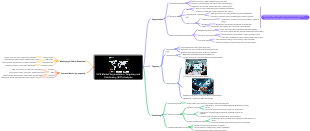
Discover the intricacies of Linde's market segmentation, targeting, and positioning (STP) analysis in the industrial gases sector. This comprehensive overview delves into how Linde strategically segments markets across industrial gases, healthcare gases, and engineering solutions, identifying customer needs and decision drivers. The analysis begins with Linde's core offerings and delivery modes, followed by a robust segmentation framework categorized by industry verticals, application, supply modality, customer size, geography, value sensitivity, and sustainability needs. Each segmentfrom large industrial customers to specialty gas applicationshighlights core needs, buying processes, decision drivers, and Linde's strengths in meeting those demands. Join us in exploring how Linde positions itself to effectively serve diverse market segments.
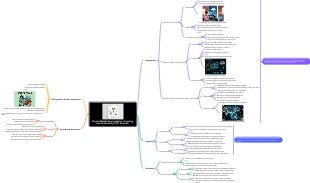
Edited at 2026-03-25 14:39:41이 마인드맵은 ENHYPEN의 그룹 정체성, HYBE·CJ ENM과의 협력 구조, 글로벌 운영 전략을 다각적으로 분석한 종합 리서치 자료입니다. 중앙에 핵심 주제인 「ENHYPEN 혈통과 글로벌 운영」을 배치하고, 그룹의 배경, 사업 구조, 글로벌 성장 전략 등을 체계적으로 구조화했습니다. 1. 그룹의 핵심 배경과 정체성 마인드맵 좌측 상단 영역은 ENHYPEN의 탄생과 정체성을 정의합니다. 오디션 프로그램 《I-LAND》를 통해 탄생한 7인조 보이그룹으로, HYBE의 프로듀싱 역량과 CJ ENM의 방송·마케팅 인프라가 결합된 하이브리드 프로젝트로, 데뷔 초부터 글로벌 팬덤을 기반으로 빠르게 성장한 K팝 차세대 대표 그룹임을 강조합니다. 또한 멤버들의 다국적 구성(한국·미국·일본 등)을 통해 글로벌 시장 공략의 유리한 조건을 갖춘 점을 분석했습니다. 2. HYBE와 CJ ENM의 협력 구조 좌측 하단 영역은 그룹의 사업적 뿌리인 HYBE×CJ ENM의 공동 투자·운영 구조를 분석합니다. HYBE가 음악 프로듀싱·아티스트 관리·글로벌 마케팅을 총괄하고, CJ ENM이 방송 콘텐츠·국내 마케팅·플랫폼 연계를 담당하는 분업 구조를 중심으로, 두 기업의 시너지를 통해 ENHYPEN의 빠른 성장을 이끈 전략을 설명했습니다. 또한 BELIFT Lab을 중심으로 한 전담 운영 체계가 그룹의 안정적인 활동을 뒷받침하는 핵심 요건임을 정리했습니다. 3. 글로벌 운영과 성장 전략 우측 하단 영역은 ENHYPEN의 글로벌 확장 전략을 정의합니다. 월드 투어·해외 차트 진입·글로벌 SNS 마케팅을 중심으로, 미국·유럽·일본 등 주요 시장에서의 입지를 강화하는 전략을 강조합니다. 또한 HYBE의 글로벌 네트워크를 활용한 현지화 전략과, 다국적 멤버들의 언어·문화 역량을 활용한 팬 소통 전략을 통해 글로벌 팬덤을 확장하는 방안을 분석했습니다. 4. 무대·콘텐츠와 브랜딩 전략 우측 상단 영역은 그룹의 핵심 경쟁력인 무대 퍼포먼스와 콘텐츠 브랜딩을 분석합니다. 강렬한 퍼포먼스·독창적인 콘셉트·고품질 뮤직비디오를 중심으로, 그룹의 시각적 아이덴티티를 구축하고 팬의 시각적 만족도를 높이는 전략을 강조합니다. 또한 다양한 예능·리얼리티 콘텐츠를 통해 멤버들의 개성을 부각하고, 장기적인 팬덤 충성도를 높이는 브랜딩 전략을 정리했습니다. 이 마인드맵은 ENHYPEN의 성장 배경과 글로벌 운영 전략을 명확히 보여줍니다. 이를 통해 K팝 보이그룹의 성공 모델을 이해하고, HYBE·CJ ENM의 협력 구조가 아티스트 성장에 미치는 영향을 분석하는 데 활용할 수 있습니다.

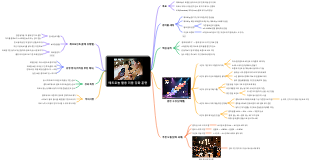
이 마인드맵은 K팝 걸그룹 (여자)아이들의 핵심 경쟁력인 전소연 중심의 자체 프로듀싱 시스템의 전체 구조·운영 방식·성공 전략·업계 영향을 종합 분석한 실용 가이드로, 아이돌 그룹의 인하우스 프로듀싱 모델·자급자족 성공 전략 연구에 활용할 수 있는 핵심 프레임워크입니다. 1. 시스템 개요: 전소연 중심의 자체 프로듀싱 1) 핵심 개념 (여자)아이들 시스템의 핵심은 리더 전소연을 중심으로 한 100% 자체 프로듀싱입니다. 그룹의 모든 타이틀곡·수록곡·앨범 기획을 전소연이 직접 작곡·작사·프로듀싱하며, 멤버들의 아이디어를 통합해 완성도 높은 결과물을 만드는 구조로, 외부 프로듀서에 의존하지 않고 그룹만의 독보적인 색깔을 구축하는 것이 특징입니다. 2) 그룹 배경 (여자)아이들은 2018년 큐브엔터테인먼트에서 데뷔한 5인조 걸그룹으로, 데뷔곡 「LATATA」부터 전소연의 자작곡으로 연속 히트를 기록하며 '자체 제작 걸그룹'의 대표로 성장했습니다. 2. 시스템 핵심 구성 요소 1) 제작 프로세스(흐름) 아이디어 발굴: 전소연의 중심 아이디어를 바탕으로 멤버들의 의견을 수렴·통합 곡 작업·프로듀싱: 전소연이 직접 작곡·작사·편곡을 진행하고, 멤버별 보컬 특성에 맞춘 파트 배분 녹음·최종 검수: 보컬 녹음 후 전소연과 멤버 전체가 최종 검수·수정·보완 공개·피드백 반영: 앨범 공개 후 팬 피드백을 반영해 다음 작업에 반영 2) 팀 내 분업과 협업 전소연의 총괄 프로듀싱: 앨범 전체 기획·곡 작업·무대 연출까지 총괄 멤버의 역량 극대화: 각 멤버의 강점을 살린 파트 배분·콘텐츠 기획 참여 민주적 의사결정: 멤버 모두가 의견을 내고 토론하는 방식으로 그룹 결정에 참여 3. 장점과 리스크 관리 1) 시스템의 핵심 장점 그룹만의 독보적인 색깔: 외부 의존도를 낮추고 그룹의 정체성을 일관되게 유지 지속 가능한 성장 선순환: 전소연의 프로듀싱 역량 성장에 따라 콘텐츠 완성도도 높아지는 구조 글로벌 경쟁력 강화: 독특한 음악 스타일로 빌보드 차트 진입·월드투어 성공 등 글로벌 인기 확보 2) 리스크와 관리 전략 전소연 의존도 리스크: 멤버들의 자작곡 참여·프로듀싱 역량 강화로 의존도 분산 창작 슬럼프 리스크: 전소연의 창작 활동 지원·멤버들의 아이디어 발굴로 지속적인 창작 동력 확보 일정 관리 리스크: 체계적인 제작 스케줄 관리로 안정적인 앨범 발매 4. 창작·멤버 역량 관리 1) 창작 활동 지원 자유로운 창작 환경 보장: 소속사가 전소연의 창작에 최대한 자율성을 부여 외부 전문가 협업: 필요시 외부 편곡가·엔지니어와 협업해 완성도 높임 2) 멤버 역량 강화 멤버별 프로듀싱 역량 육성: 전소연의 지도 아래 멤버들의 작곡·작사 역량 강화 다방면 역량 개발: 보컬·안무·예능 등 다방면 역량 강화로 그룹 시너지 극대화 5. 시장과 업계 영향 1) K팝 걸그룹의 새로운 성공 공식 (여자)아이들의 전소연 중심 자체 프로듀싱 시스템은 '자체 제작 걸그룹'의 성공 공식을 새로 정립한 대표 사례로, 이후 많은 걸그룹이 인하우스 프로듀싱을 추구하게 만들었습니다. 2) 업계에 미친 영향 여성 프로듀서의 위상 강화: 전소연의 성공으로 K팝 내 여성 프로듀서의 입지를 높이고, 여성 아이돌의 창작 역량을 재조명 자급자족 모델의 확산: 아이돌 그룹의 자체 제작 모델을 업계 표준으로 자리 잡게 함 6. 결론 이 마인드맵은 (여자)아이들의 전소연 중심 자체 프로듀싱 시스템을 종합 분석한 종합 가이드로, K팝 아이돌 그룹의 자체 제작 모델·성공 전략을 이해하는 데 필수적인 자료입니다. (여자)아이들의 혁신적인 시스템은 K팝 산업의 지속 가능한 성장을 위한 중요한 참고 사례로, 향후 아이돌 그룹의 운영 전략 수립에 활용할 수 있는 구체적인 인사이트를 제공합니다.
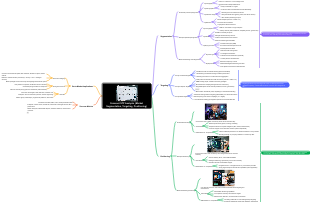
이 마인드맵은 아이돌 팬덤의 팬그룹 소통 운영을 체계적으로 정리한 종합 가이드로, 소통의 목표·전략·관리·수익화 등을 다각적으로 분석했습니다. 팬덤 운영자·기획사·아이돌 모두가 활용할 수 있는 실용 프레임워크로, 건강한 팬문화 구축과 효율적인 소통 관리에 필수적인 자료입니다. 1. 개요: 팬그룹 소통의 핵심 정의 마인드맵 중앙의 팬그룹 소통 입문은, 아이돌 팬덤 내에서 팬과 아이돌·기획사 간의 원활한 소통을 이끌고, 건강한 팬문화를 조성하며 팬덤의 결속력과 충성도를 극대화하는 것을 목표로 한 종합 가이드입니다. 주요 분석 범위로는 소통 목표·채널·전략·관리·수익화·리스크 관리 등을 포함하며, 팬덤 운영의 전 과정을 표준화하는 것을 목표로 설정합니다. 2. 핵심 분석 프레임워크 2.1 소통 목표와 원칙 핵심 목표: 팬과 아이돌 간의 신뢰 구축, 팬덤 결속력 강화, 건강한 팬문화 조성, 아이돌 활동 지원 운영 원칙: 공정성·투명성·존중을 기반으로, 차별 없는 소통, 팬의 의견 존중, 분쟁 예방과 중재 2.2 소통 채널과 운영 전략 주요 채널: 카카오톡 오픈채팅·디스코드·SNS·팬카페 등, 목적에 맞는 채널 분류와 운영 방안 소통 전략: 정기적인 공지·이벤트·투표·Q&A를 통한 팬 참여 유도, 아이돌 소식 공유, 팬 간 교류 활성화 콘텐츠 전략: 아이돌 비하인드·팬아트·이벤트 후기 등 팬 흥미 유발 콘텐츠 기획 2.3 운영 관리와 역할 분담 운영 팀 구조: 그룹장·부운영자·분야별 담당자의 역할 분담, 의사결정 프로세스 표준화 규칙 관리: 그룹 규칙 제정·공지·준수 관리, 위반 시 제재 절차 마련 분쟁 관리: 팬 간 갈등·의견 충돌 시 중재·해결 프로세스, 공정한 판단 기준 2.4 수익화와 사업화 전략 수익 모델: 굿즈 공동 구매·이벤트 대행·광고 협찬 등, 팬덤 기반 수익 창출 방안 사업화 전략: 팬덤 규모 확대·협찬 유치·브랜딩을 통한 지속 가능한 수익 구조 구축 투명 경영: 수익·지출 내역 공개, 팬 신뢰 유지 2.5 리스크 관리와 안정화 주요 리스크: 팬 간 갈등·정보 유출·규칙 위반·외부 악성 댓글 등 관리 전략: 모니터링 체계 구축·신속한 대응·예방 교육·안전한 소통 환경 조성 위기 대응: 이슈 발생 시 대응 매뉴얼, 팬과의 소통을 통한 신뢰 회복 3. 실무 적용과 전략적 인사이트 3.1 팬덤 운영자 활용 방안 초기 운영 가이드: 그룹 개설·규칙 제정·운영 팀 구성 등 입문 단계 실무 가이드 운영 효율화: 자동화 툴·템플릿 활용, 업무 분담을 통한 운영 부담 감소 팬 경험 향상: 맞춤형 소통·이벤트 기획을 통한 팬 만족도 극대화 3.2 기획사·아이돌 활용 방안 팬덤 관리: 팬 의견 수렴·소통 채널 확장을 통한 아이돌 활동 지원 브랜딩 강화: 팬덤을 통한 긍정적 이미지 구축, 아이돌 활동 홍보 리스크 관리: 팬덤 내 이슈 모니터링·사전 예방을 통한 아이돌 이미지 보호 4. 결론: 팬그룹 소통의 가치와 전망 이 마인드맵은 아이돌 팬덤의 팬그룹 소통 운영을 위한 표준화된 프레임워크로, 건강한 팬문화 조성과 효율적인 팬덤 관리에 필수적인 가이드입니다. 팬덤 운영의 전 과정을 체계적으로 정리해, 초보 운영자도 쉽게 따라할 수 있는 실용적인 내용을 담고 있으며, K팝 팬덤 문화의 건전한 발전에 기여하는 핵심 자료로 활용됩니다.1. 개요: 미국 시장 돌파의 핵심 정의 마인드맵 중앙의 미국 시장 돌파 이정표는, K팝 아이돌이 세계 최대 음악 시장인 미국에 성공적으로 진출하고 지속 가능한 성장을 이루기 위한 전 과정을 단계별로 관리하는 전략 문서입니다. 주요 분석 범위로는 진출 단계, 핵심 성과 지표, 성공 요인, 리스크 관리 등을 포함하며, 미국 시장에서의 브랜드 가치 극대화와 장기 성장을 목표로 설정합니다. 2. 진출 단계별 전략 2.1 초기 진출 단계 (BoA 마켓 진출) 시장 진입 목표: 미국 음악 시장에 첫 발을 내딛고, 기본적인 인지도를 구축하는 단계 핵심 전략: 영어 싱글 발매, 빌보드 차트 진입 목표, 미국 주요 음악 플랫폼(Spotify, Apple Music) 진출 주요 활동: 영어 앨범 발매, 미국 라디오
이 마인드맵은 ENHYPEN의 그룹 정체성, HYBE·CJ ENM과의 협력 구조, 글로벌 운영 전략을 다각적으로 분석한 종합 리서치 자료입니다. 중앙에 핵심 주제인 「ENHYPEN 혈통과 글로벌 운영」을 배치하고, 그룹의 배경, 사업 구조, 글로벌 성장 전략 등을 체계적으로 구조화했습니다. 1. 그룹의 핵심 배경과 정체성 마인드맵 좌측 상단 영역은 ENHYPEN의 탄생과 정체성을 정의합니다. 오디션 프로그램 《I-LAND》를 통해 탄생한 7인조 보이그룹으로, HYBE의 프로듀싱 역량과 CJ ENM의 방송·마케팅 인프라가 결합된 하이브리드 프로젝트로, 데뷔 초부터 글로벌 팬덤을 기반으로 빠르게 성장한 K팝 차세대 대표 그룹임을 강조합니다. 또한 멤버들의 다국적 구성(한국·미국·일본 등)을 통해 글로벌 시장 공략의 유리한 조건을 갖춘 점을 분석했습니다. 2. HYBE와 CJ ENM의 협력 구조 좌측 하단 영역은 그룹의 사업적 뿌리인 HYBE×CJ ENM의 공동 투자·운영 구조를 분석합니다. HYBE가 음악 프로듀싱·아티스트 관리·글로벌 마케팅을 총괄하고, CJ ENM이 방송 콘텐츠·국내 마케팅·플랫폼 연계를 담당하는 분업 구조를 중심으로, 두 기업의 시너지를 통해 ENHYPEN의 빠른 성장을 이끈 전략을 설명했습니다. 또한 BELIFT Lab을 중심으로 한 전담 운영 체계가 그룹의 안정적인 활동을 뒷받침하는 핵심 요건임을 정리했습니다. 3. 글로벌 운영과 성장 전략 우측 하단 영역은 ENHYPEN의 글로벌 확장 전략을 정의합니다. 월드 투어·해외 차트 진입·글로벌 SNS 마케팅을 중심으로, 미국·유럽·일본 등 주요 시장에서의 입지를 강화하는 전략을 강조합니다. 또한 HYBE의 글로벌 네트워크를 활용한 현지화 전략과, 다국적 멤버들의 언어·문화 역량을 활용한 팬 소통 전략을 통해 글로벌 팬덤을 확장하는 방안을 분석했습니다. 4. 무대·콘텐츠와 브랜딩 전략 우측 상단 영역은 그룹의 핵심 경쟁력인 무대 퍼포먼스와 콘텐츠 브랜딩을 분석합니다. 강렬한 퍼포먼스·독창적인 콘셉트·고품질 뮤직비디오를 중심으로, 그룹의 시각적 아이덴티티를 구축하고 팬의 시각적 만족도를 높이는 전략을 강조합니다. 또한 다양한 예능·리얼리티 콘텐츠를 통해 멤버들의 개성을 부각하고, 장기적인 팬덤 충성도를 높이는 브랜딩 전략을 정리했습니다. 이 마인드맵은 ENHYPEN의 성장 배경과 글로벌 운영 전략을 명확히 보여줍니다. 이를 통해 K팝 보이그룹의 성공 모델을 이해하고, HYBE·CJ ENM의 협력 구조가 아티스트 성장에 미치는 영향을 분석하는 데 활용할 수 있습니다.
이 마인드맵은 K팝 걸그룹 (여자)아이들의 핵심 경쟁력인 전소연 중심의 자체 프로듀싱 시스템의 전체 구조·운영 방식·성공 전략·업계 영향을 종합 분석한 실용 가이드로, 아이돌 그룹의 인하우스 프로듀싱 모델·자급자족 성공 전략 연구에 활용할 수 있는 핵심 프레임워크입니다. 1. 시스템 개요: 전소연 중심의 자체 프로듀싱 1) 핵심 개념 (여자)아이들 시스템의 핵심은 리더 전소연을 중심으로 한 100% 자체 프로듀싱입니다. 그룹의 모든 타이틀곡·수록곡·앨범 기획을 전소연이 직접 작곡·작사·프로듀싱하며, 멤버들의 아이디어를 통합해 완성도 높은 결과물을 만드는 구조로, 외부 프로듀서에 의존하지 않고 그룹만의 독보적인 색깔을 구축하는 것이 특징입니다. 2) 그룹 배경 (여자)아이들은 2018년 큐브엔터테인먼트에서 데뷔한 5인조 걸그룹으로, 데뷔곡 「LATATA」부터 전소연의 자작곡으로 연속 히트를 기록하며 '자체 제작 걸그룹'의 대표로 성장했습니다. 2. 시스템 핵심 구성 요소 1) 제작 프로세스(흐름) 아이디어 발굴: 전소연의 중심 아이디어를 바탕으로 멤버들의 의견을 수렴·통합 곡 작업·프로듀싱: 전소연이 직접 작곡·작사·편곡을 진행하고, 멤버별 보컬 특성에 맞춘 파트 배분 녹음·최종 검수: 보컬 녹음 후 전소연과 멤버 전체가 최종 검수·수정·보완 공개·피드백 반영: 앨범 공개 후 팬 피드백을 반영해 다음 작업에 반영 2) 팀 내 분업과 협업 전소연의 총괄 프로듀싱: 앨범 전체 기획·곡 작업·무대 연출까지 총괄 멤버의 역량 극대화: 각 멤버의 강점을 살린 파트 배분·콘텐츠 기획 참여 민주적 의사결정: 멤버 모두가 의견을 내고 토론하는 방식으로 그룹 결정에 참여 3. 장점과 리스크 관리 1) 시스템의 핵심 장점 그룹만의 독보적인 색깔: 외부 의존도를 낮추고 그룹의 정체성을 일관되게 유지 지속 가능한 성장 선순환: 전소연의 프로듀싱 역량 성장에 따라 콘텐츠 완성도도 높아지는 구조 글로벌 경쟁력 강화: 독특한 음악 스타일로 빌보드 차트 진입·월드투어 성공 등 글로벌 인기 확보 2) 리스크와 관리 전략 전소연 의존도 리스크: 멤버들의 자작곡 참여·프로듀싱 역량 강화로 의존도 분산 창작 슬럼프 리스크: 전소연의 창작 활동 지원·멤버들의 아이디어 발굴로 지속적인 창작 동력 확보 일정 관리 리스크: 체계적인 제작 스케줄 관리로 안정적인 앨범 발매 4. 창작·멤버 역량 관리 1) 창작 활동 지원 자유로운 창작 환경 보장: 소속사가 전소연의 창작에 최대한 자율성을 부여 외부 전문가 협업: 필요시 외부 편곡가·엔지니어와 협업해 완성도 높임 2) 멤버 역량 강화 멤버별 프로듀싱 역량 육성: 전소연의 지도 아래 멤버들의 작곡·작사 역량 강화 다방면 역량 개발: 보컬·안무·예능 등 다방면 역량 강화로 그룹 시너지 극대화 5. 시장과 업계 영향 1) K팝 걸그룹의 새로운 성공 공식 (여자)아이들의 전소연 중심 자체 프로듀싱 시스템은 '자체 제작 걸그룹'의 성공 공식을 새로 정립한 대표 사례로, 이후 많은 걸그룹이 인하우스 프로듀싱을 추구하게 만들었습니다. 2) 업계에 미친 영향 여성 프로듀서의 위상 강화: 전소연의 성공으로 K팝 내 여성 프로듀서의 입지를 높이고, 여성 아이돌의 창작 역량을 재조명 자급자족 모델의 확산: 아이돌 그룹의 자체 제작 모델을 업계 표준으로 자리 잡게 함 6. 결론 이 마인드맵은 (여자)아이들의 전소연 중심 자체 프로듀싱 시스템을 종합 분석한 종합 가이드로, K팝 아이돌 그룹의 자체 제작 모델·성공 전략을 이해하는 데 필수적인 자료입니다. (여자)아이들의 혁신적인 시스템은 K팝 산업의 지속 가능한 성장을 위한 중요한 참고 사례로, 향후 아이돌 그룹의 운영 전략 수립에 활용할 수 있는 구체적인 인사이트를 제공합니다.
이 마인드맵은 아이돌 팬덤의 팬그룹 소통 운영을 체계적으로 정리한 종합 가이드로, 소통의 목표·전략·관리·수익화 등을 다각적으로 분석했습니다. 팬덤 운영자·기획사·아이돌 모두가 활용할 수 있는 실용 프레임워크로, 건강한 팬문화 구축과 효율적인 소통 관리에 필수적인 자료입니다. 1. 개요: 팬그룹 소통의 핵심 정의 마인드맵 중앙의 팬그룹 소통 입문은, 아이돌 팬덤 내에서 팬과 아이돌·기획사 간의 원활한 소통을 이끌고, 건강한 팬문화를 조성하며 팬덤의 결속력과 충성도를 극대화하는 것을 목표로 한 종합 가이드입니다. 주요 분석 범위로는 소통 목표·채널·전략·관리·수익화·리스크 관리 등을 포함하며, 팬덤 운영의 전 과정을 표준화하는 것을 목표로 설정합니다. 2. 핵심 분석 프레임워크 2.1 소통 목표와 원칙 핵심 목표: 팬과 아이돌 간의 신뢰 구축, 팬덤 결속력 강화, 건강한 팬문화 조성, 아이돌 활동 지원 운영 원칙: 공정성·투명성·존중을 기반으로, 차별 없는 소통, 팬의 의견 존중, 분쟁 예방과 중재 2.2 소통 채널과 운영 전략 주요 채널: 카카오톡 오픈채팅·디스코드·SNS·팬카페 등, 목적에 맞는 채널 분류와 운영 방안 소통 전략: 정기적인 공지·이벤트·투표·Q&A를 통한 팬 참여 유도, 아이돌 소식 공유, 팬 간 교류 활성화 콘텐츠 전략: 아이돌 비하인드·팬아트·이벤트 후기 등 팬 흥미 유발 콘텐츠 기획 2.3 운영 관리와 역할 분담 운영 팀 구조: 그룹장·부운영자·분야별 담당자의 역할 분담, 의사결정 프로세스 표준화 규칙 관리: 그룹 규칙 제정·공지·준수 관리, 위반 시 제재 절차 마련 분쟁 관리: 팬 간 갈등·의견 충돌 시 중재·해결 프로세스, 공정한 판단 기준 2.4 수익화와 사업화 전략 수익 모델: 굿즈 공동 구매·이벤트 대행·광고 협찬 등, 팬덤 기반 수익 창출 방안 사업화 전략: 팬덤 규모 확대·협찬 유치·브랜딩을 통한 지속 가능한 수익 구조 구축 투명 경영: 수익·지출 내역 공개, 팬 신뢰 유지 2.5 리스크 관리와 안정화 주요 리스크: 팬 간 갈등·정보 유출·규칙 위반·외부 악성 댓글 등 관리 전략: 모니터링 체계 구축·신속한 대응·예방 교육·안전한 소통 환경 조성 위기 대응: 이슈 발생 시 대응 매뉴얼, 팬과의 소통을 통한 신뢰 회복 3. 실무 적용과 전략적 인사이트 3.1 팬덤 운영자 활용 방안 초기 운영 가이드: 그룹 개설·규칙 제정·운영 팀 구성 등 입문 단계 실무 가이드 운영 효율화: 자동화 툴·템플릿 활용, 업무 분담을 통한 운영 부담 감소 팬 경험 향상: 맞춤형 소통·이벤트 기획을 통한 팬 만족도 극대화 3.2 기획사·아이돌 활용 방안 팬덤 관리: 팬 의견 수렴·소통 채널 확장을 통한 아이돌 활동 지원 브랜딩 강화: 팬덤을 통한 긍정적 이미지 구축, 아이돌 활동 홍보 리스크 관리: 팬덤 내 이슈 모니터링·사전 예방을 통한 아이돌 이미지 보호 4. 결론: 팬그룹 소통의 가치와 전망 이 마인드맵은 아이돌 팬덤의 팬그룹 소통 운영을 위한 표준화된 프레임워크로, 건강한 팬문화 조성과 효율적인 팬덤 관리에 필수적인 가이드입니다. 팬덤 운영의 전 과정을 체계적으로 정리해, 초보 운영자도 쉽게 따라할 수 있는 실용적인 내용을 담고 있으며, K팝 팬덤 문화의 건전한 발전에 기여하는 핵심 자료로 활용됩니다.1. 개요: 미국 시장 돌파의 핵심 정의 마인드맵 중앙의 미국 시장 돌파 이정표는, K팝 아이돌이 세계 최대 음악 시장인 미국에 성공적으로 진출하고 지속 가능한 성장을 이루기 위한 전 과정을 단계별로 관리하는 전략 문서입니다. 주요 분석 범위로는 진출 단계, 핵심 성과 지표, 성공 요인, 리스크 관리 등을 포함하며, 미국 시장에서의 브랜드 가치 극대화와 장기 성장을 목표로 설정합니다. 2. 진출 단계별 전략 2.1 초기 진출 단계 (BoA 마켓 진출) 시장 진입 목표: 미국 음악 시장에 첫 발을 내딛고, 기본적인 인지도를 구축하는 단계 핵심 전략: 영어 싱글 발매, 빌보드 차트 진입 목표, 미국 주요 음악 플랫폼(Spotify, Apple Music) 진출 주요 활동: 영어 앨범 발매, 미국 라디오
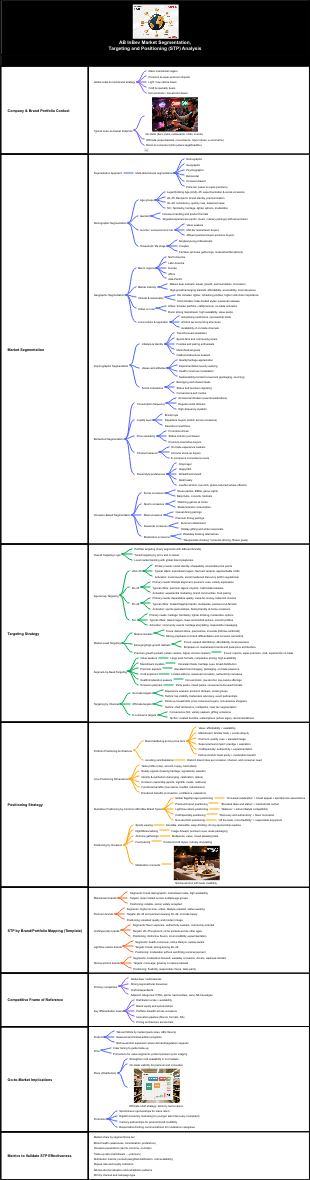
Linde Market Segmentation, Targeting and Positioning (STP) Analysis
Purpose & Scope
Analyze how Linde segments markets across industrial gases, healthcare gases, engineering solutions
Define targeting priorities and positioning themes by segment
Identify customer needs, decision drivers, and differentiators
Company Context (High-Level)
Core offerings
Atmospheric gases (O2, N2, Ar)
Process/specialty gases (H2, CO2, rare gases, electronics/specialty)
Medical gases and healthcare services
Engineering, plant design, and build/operate solutions
Delivery modes (go-to-market enablers)
On-site production (ASUs, hydrogen plants)
Merchant bulk (liquid deliveries)
Packaged gases (cylinders)
Pipelines (industrial clusters)
Engineering projects and lifecycle services
Segmentation Framework (How Linde Can Segment)
By customer industry vertical
Metals, chemicals, refining, energy, electronics, healthcare, food & beverage
By application/use-case
Inerting, blanketing, welding, freezing, MAP packaging, semiconductor fabrication, respiratory therapy
By supply modality & contract structure
On-site long-term contracts vs spot/short-term packaged supply
By customer size & operational complexity
Global/key accounts vs regional mid-market vs small businesses
By geography & regulatory environment
Mature markets vs high-growth emerging markets
Medical and environmental compliance intensity
By value sensitivity
Cost-driven commodity demand vs high-spec reliability/purity demand
By sustainability needs
Decarbonization targets, low-carbon hydrogen, CCUS integration
Market Segmentation: Industrial Gases
Segment 1: Large Industrial / On-Site & Pipeline Customers
Typical customers
Steel mills, large chemical plants, refineries, large glass/paper plants
Industrial clusters requiring continuous supply
Core needs
High-volume, uninterrupted supply; safety; uptime guarantees
Long-term pricing stability; energy efficiency
Buying process
Multi-year contracts; technical due diligence; risk and reliability focus
Key decision drivers
Total cost of supply, uptime SLAs, redundancy, permitting capability
Linde strengths fit
Build-own-operate expertise; pipeline networks; operational excellence
Segment 2: Merchant Bulk (Liquids) Customers
Typical customers
Mid-to-large manufacturers, food processors, fabrication shops
Core needs
Reliable deliveries, inventory management, flexible volumes
Buying process
Mix of contracts and negotiated supply; service responsiveness matters
Key decision drivers
Delivery reliability, logistics footprint, pricing, tank management
Linde strengths fit
Distribution network scale; telemetry; route optimization; service teams
Segment 3: Packaged Gases (Cylinders) SMB
Typical customers
Welding/fabrication, labs, workshops, small manufacturers
Core needs
Convenience, availability, safety training, easy ordering
Buying process
Distributor/channel-driven; frequent repurchase; switching costs moderate
Key decision drivers
Local availability, breadth of portfolio, rental terms, service support
Linde strengths fit
Retail/distribution presence; standardized safety; broad SKU portfolio
Segment 4: Specialty & High-Purity Gases
Typical customers
Electronics, laboratories, specialty chemicals, pharma manufacturing
Core needs
Ultra-high purity, traceability, contamination control, documentation
Buying process
Qualification cycles; audits; stringent specs; vendor approval lists
Key decision drivers
Purity specs, QA/QC systems, supply continuity, compliance records
Linde strengths fit
Advanced purification, analytical capability, certified quality systems
Segment 5: Hydrogen & Decarbonization Solutions
Typical customers
Refining, ammonia/methanol, heavy transport, industrial decarbonization projects
Core needs
Low/zero-carbon options, project integration, scale, long-term economics
Buying process
Complex project finance; partnerships; policy/regulatory alignment
Key decision drivers
LCOH, carbon intensity, offtake security, infrastructure readiness
Linde strengths fit
Large-scale hydrogen production, engineering + operations, partnerships
Segment 6: Food & Beverage Applications
Typical customers
Beverage carbonation, breweries, meat processing, cold chain
Core needs
Food-grade compliance, consistent quality, reliability, safety
Buying process
Compliance-heavy procurement; audits; seasonal demand planning
Key decision drivers
Certification, product consistency, service responsiveness
Linde strengths fit
Food-grade QA; supply security; application know-how
Industrial segmentation splits by supply modality and criticality, with premium value in continuous supply, high purity, and decarbonization-led projects
Market Segmentation: Healthcare Gases
Segment 1: Hospitals & Integrated Delivery Networks (IDNs)
Typical customers
Acute care hospitals, multi-hospital systems
Core needs
Medical O2 reliability, compliance, pipeline system integrity, emergency readiness
Buying process
RFPs, clinical engineering input, compliance and safety committees
Key decision drivers
Patient safety, regulatory compliance, redundancy, service SLAs, training
Linde strengths fit
Medical gas supply + pipeline services + compliance programs
Segment 2: Home Healthcare & Respiratory Care
Typical customers
Home oxygen therapy patients via providers; chronic care programs
Core needs
Convenience, device support, patient education, delivery scheduling
Buying process
Payer/insurance influence; provider networks; service quality critical
Key decision drivers
Service coverage, device portfolio, patient adherence support, cost controls
Linde strengths fit
Distribution/service network; integrated respiratory services (where offered)
Segment 3: Clinics, Dental, Ambulatory Surgery Centers
Typical customers
Smaller care sites with steady but lower volumes
Core needs
Packaged medical gases, compliance documentation, dependable delivery
Buying process
Price + reliability; distributor relationships
Key decision drivers
Availability, safe handling, simple ordering, certification
Linde strengths fit
Packaged supply + compliance support
Segment 4: Medical Gas Pipeline Systems & Facility Engineering
Typical customers
Hospitals needing installation, inspection, upgrades, maintenance
Core needs
Code compliance, certified installers, lifecycle management, audits
Buying process
Project-based bidding; strong credential requirements
Key decision drivers
Accreditation readiness, quality records, response times, technical expertise
Linde strengths fit
Engineering/service capability and compliance processes
Segment 5: Pharmaceutical & Biotech (Healthcare-Adjacent)
Typical customers
Sterile manufacturing, API plants, R&D labs
Core needs
High purity gases, validated supply, documentation, change control
Buying process
Qualification, validation, audits
Key decision drivers
GMP compliance, traceability, supply continuity
Linde strengths fit
Specialty gases + quality management systems
Healthcare segmentation is driven by site-of-care and compliance intensity, with hospital systems anchoring the highest criticality and loyalty
Market Segmentation: Engineering Solutions
Segment 1: Large Air Separation Units (ASU) Projects
Typical customers
Steel, chemicals, industrial parks
Customer needs
Capex efficiency, energy optimization, uptime, integration with site utilities
Decision drivers
EPC capability, performance guarantees, schedule certainty
Linde fit
Proprietary process technology + execution track record
Segment 2: Hydrogen & Syngas Plants (incl. low-carbon designs)
Typical customers
Refining, ammonia, methanol, emerging hydrogen hubs
Customer needs
High efficiency, carbon management integration, safe operation
Decision drivers
Technology, lifecycle cost, emissions performance, financing feasibility
Linde fit
Tech + ability to operate assets and structure long-term offtake
Segment 3: LNG, Gas Processing, and Petrochemical Engineering
Typical customers
Energy producers, petrochemical complexes
Customer needs
Throughput, safety, reliability, debottlenecking
Decision drivers
Technical credibility, project governance, HSE performance
Linde fit
Large-project engineering pedigree
Segment 4: Electronics & Specialty Gas Systems
Typical customers
Semiconductor fabs, display manufacturing, high-tech sites
Customer needs
Ultra-clean systems, on-site gas management, contamination control
Decision drivers
Qualification, reliability, compliance, service responsiveness
Linde fit
High-purity supply + engineered delivery systems
Segment 5: Plant Lifecycle Services
Typical customers
Owners of gas plants needing upgrades, maintenance, optimization
Customer needs
Reliability improvement, energy savings, compliance updates
Decision drivers
Service capability, parts availability, downtime minimization
Linde fit
Installed base expertise; operational best practices
Engineering segmentation clusters into mega-capital plants, high-spec systems, and recurring lifecycle services where bankability and guarantees matter
Targeting Strategy (Where Linde Focuses and Why)
Targeting priorities by attractiveness
High attractiveness
Large on-site & pipeline customers (stable, high volume, sticky contracts)
Electronics/specialty gases (high margin, high switching costs)
Healthcare hospitals/IDNs (criticality + compliance-driven loyalty)
Hydrogen/decarbonization projects (strategic growth, long-term relevance)
Medium attractiveness
Merchant bulk (scale advantages, more price competition)
Pharma/biotech (attractive, but qualification and volatility factors)
Lifecycle services (recurring revenue, depends on installed base)
Lower attractiveness (selective participation)
Packaged gases SMB where price competition is intense
One-off engineering projects without lifecycle tie-ins
Target selection criteria
Contract duration and retention likelihood
Margin potential (value-added specs, service intensity)
Operational fit (logistics footprint, plant utilization)
Risk profile (credit, safety, regulatory, geopolitical)
Strategic alignment (decarbonization, technology leadership, cluster expansion)
Go-to-market approaches by target type
Key accounts / global enterprises
Centralized account management; tailored SLAs; co-investment models
Mid-market industrials
Bundled supply + service; reliability-led differentiation
SMB packaged segment
Channel/distributor optimization; digital ordering; standardized offers
Healthcare institutions
Compliance-first selling; clinical engineering partnerships; emergency preparedness
Engineering megaprojects
Consortiums/partnerships; staged project gates; performance guarantees
Positioning (How Linde Competes in Each Area)
Master brand positioning themes
Safety and reliability as non-negotiable differentiators
Engineering and technology leadership
Global scale with local execution
End-to-end solutions (produce → distribute → manage → service)
Decarbonization partner (low-carbon gases, hydrogen, CCUS integration)
Positioning by business line
Industrial gases
Most reliable continuous supply with optimized total cost and uptime
Differentiators
Network density, plant reliability, redundancy, operations excellence
Application engineering support to improve customer processes
Healthcare gases
Patient-safety-first medical gas partner with compliance and lifecycle support
Differentiators
Regulatory expertise, audit readiness, emergency response capability
Pipeline system services and training
Engineering solutions
Proven, bankable process technology and project execution with lifecycle optionality
Differentiators
Performance guarantees, process IP, execution track record
Ability to operate assets post-build (BOO/BOT models)
Positioning by key segments (examples)
Electronics/specialty
Ultra-high purity + traceability + contamination control at global scale
Hydrogen/decarbonization
Scale, safety, and bankability for low-carbon hydrogen and integrated plants
Merchant bulk
Best-in-class logistics reliability and supply continuity
Differentiation & Competitive Levers
Structural advantages
Asset base and pipeline/plant network
Long-term customer relationships and embedded operations
Operational advantages
Reliability engineering, predictive maintenance, remote monitoring
Logistics optimization and inventory telemetry
Commercial advantages
Solution bundling (gas + equipment + service)
Contracting expertise (SLAs, indexation, take-or-pay structures)
Innovation advantages
Process improvements, energy efficiency, purity/analytical capability
Decarbonization technologies and integrations
Customer Value Propositions (By Need State)
Cost optimization
Energy-efficient plants, optimized delivery routes, stable contracts
Risk reduction
Redundant supply, safety programs, compliance documentation
Performance improvement
Application engineering that improves yield/throughput/quality
Convenience & service
Digital ordering, telemetry, responsive field service
Sustainability
Low-carbon hydrogen, process optimization, emissions reduction pathways
Messaging & Proof Points (What to Demonstrate)
Reliability proof
Uptime performance metrics, redundancy designs, incident prevention programs
Safety proof
Training programs, certifications, HSE track record
Compliance proof (especially healthcare)
Documentation, audit support, standards adherence
Technical proof (engineering)
Reference projects, guarantees, technology credentials
Sustainability proof
Carbon intensity reporting, lifecycle assessments, verified reductions
Risks, Constraints, and Watchouts
Industrial gases
Energy cost volatility; plant outages; commodity price pressure in packaged segments
Healthcare gases
Regulatory scrutiny; critical supply continuity; reputational risk from failures
Engineering solutions
Project execution risk (schedule/cost); supply chain; permitting delays
Hydrogen/decarbonization
Policy uncertainty; infrastructure gaps; offtake and financing complexity
Strategic Opportunities (Cross-Segment)
Expand industrial clusters and pipeline footprints
Attach lifecycle services to engineering projects for recurring revenue
Grow electronics/specialty portfolios with qualification-led strategies
Build integrated healthcare offerings (gas + pipeline services + compliance)
Scale low-carbon hydrogen projects via partnerships and long-term offtakes
Digitize customer experience (ordering, telemetry, predictive service)
Summary (Segmentation → Targeting → Positioning)
Segmentation
Industrial gases: volume/modality + industry + purity + sustainability
Healthcare gases: site type + compliance intensity + service model
Engineering: project type + scale + lifecycle service attachment
Targeting
Prioritize sticky, high-value segments (on-site/pipeline, specialty, hospitals, hydrogen)
Positioning
Lead with safety, reliability, technology, global scale, and decarbonization partnership