MindMap Gallery 3M Market Segmentation, Targeting and Positioning Analysis
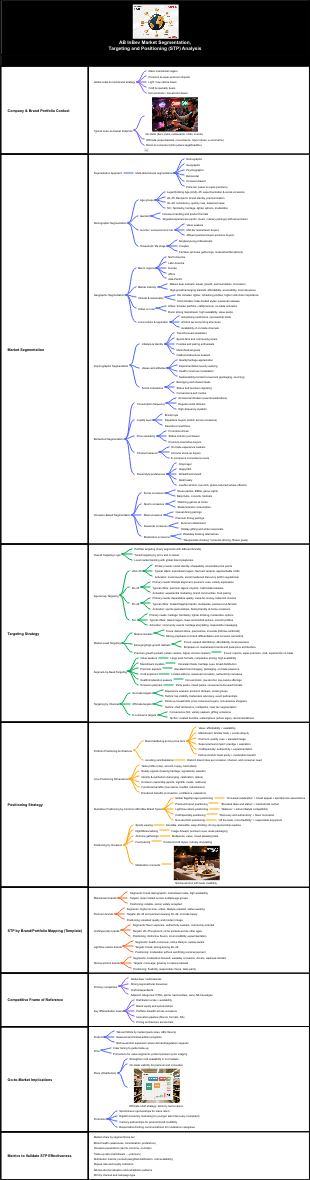
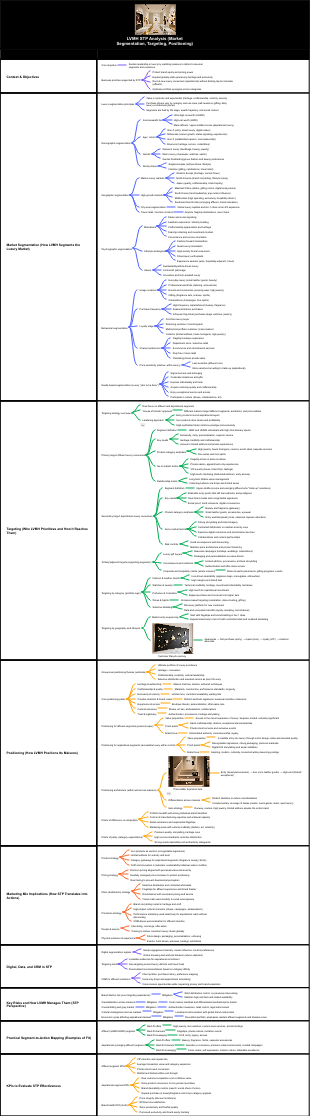
Discover the strategic insights behind 3M's Market Segmentation, Targeting, and Positioning (STP) Analysis. This comprehensive overview begins with an introduction to 3M as a diversified global manufacturer renowned for its innovation and R&D capabilities. The objective of STP is to identify distinct customer groups, prioritize high-potential segments, and define tailored value propositions. The analysis covers three primary markets: industrial, healthcare, and consumer. It delves into multi-level segmentation approachesmacro, meso, and microhighlighting various bases such as demographic, behavioral, needs-based, and psychographic factors. Each market segment is explored in detail, showcasing the unique characteristics and requirements of different industries, care settings, and consumer needs. Join us in understanding how 3M effectively aligns its offerings with customer demands.
Edited at 2026-03-25 14:36:49이 마인드맵은 ENHYPEN의 그룹 정체성, HYBE·CJ ENM과의 협력 구조, 글로벌 운영 전략을 다각적으로 분석한 종합 리서치 자료입니다. 중앙에 핵심 주제인 「ENHYPEN 혈통과 글로벌 운영」을 배치하고, 그룹의 배경, 사업 구조, 글로벌 성장 전략 등을 체계적으로 구조화했습니다. 1. 그룹의 핵심 배경과 정체성 마인드맵 좌측 상단 영역은 ENHYPEN의 탄생과 정체성을 정의합니다. 오디션 프로그램 《I-LAND》를 통해 탄생한 7인조 보이그룹으로, HYBE의 프로듀싱 역량과 CJ ENM의 방송·마케팅 인프라가 결합된 하이브리드 프로젝트로, 데뷔 초부터 글로벌 팬덤을 기반으로 빠르게 성장한 K팝 차세대 대표 그룹임을 강조합니다. 또한 멤버들의 다국적 구성(한국·미국·일본 등)을 통해 글로벌 시장 공략의 유리한 조건을 갖춘 점을 분석했습니다. 2. HYBE와 CJ ENM의 협력 구조 좌측 하단 영역은 그룹의 사업적 뿌리인 HYBE×CJ ENM의 공동 투자·운영 구조를 분석합니다. HYBE가 음악 프로듀싱·아티스트 관리·글로벌 마케팅을 총괄하고, CJ ENM이 방송 콘텐츠·국내 마케팅·플랫폼 연계를 담당하는 분업 구조를 중심으로, 두 기업의 시너지를 통해 ENHYPEN의 빠른 성장을 이끈 전략을 설명했습니다. 또한 BELIFT Lab을 중심으로 한 전담 운영 체계가 그룹의 안정적인 활동을 뒷받침하는 핵심 요건임을 정리했습니다. 3. 글로벌 운영과 성장 전략 우측 하단 영역은 ENHYPEN의 글로벌 확장 전략을 정의합니다. 월드 투어·해외 차트 진입·글로벌 SNS 마케팅을 중심으로, 미국·유럽·일본 등 주요 시장에서의 입지를 강화하는 전략을 강조합니다. 또한 HYBE의 글로벌 네트워크를 활용한 현지화 전략과, 다국적 멤버들의 언어·문화 역량을 활용한 팬 소통 전략을 통해 글로벌 팬덤을 확장하는 방안을 분석했습니다. 4. 무대·콘텐츠와 브랜딩 전략 우측 상단 영역은 그룹의 핵심 경쟁력인 무대 퍼포먼스와 콘텐츠 브랜딩을 분석합니다. 강렬한 퍼포먼스·독창적인 콘셉트·고품질 뮤직비디오를 중심으로, 그룹의 시각적 아이덴티티를 구축하고 팬의 시각적 만족도를 높이는 전략을 강조합니다. 또한 다양한 예능·리얼리티 콘텐츠를 통해 멤버들의 개성을 부각하고, 장기적인 팬덤 충성도를 높이는 브랜딩 전략을 정리했습니다. 이 마인드맵은 ENHYPEN의 성장 배경과 글로벌 운영 전략을 명확히 보여줍니다. 이를 통해 K팝 보이그룹의 성공 모델을 이해하고, HYBE·CJ ENM의 협력 구조가 아티스트 성장에 미치는 영향을 분석하는 데 활용할 수 있습니다.

이 마인드맵은 K팝 걸그룹 (여자)아이들의 핵심 경쟁력인 전소연 중심의 자체 프로듀싱 시스템의 전체 구조·운영 방식·성공 전략·업계 영향을 종합 분석한 실용 가이드로, 아이돌 그룹의 인하우스 프로듀싱 모델·자급자족 성공 전략 연구에 활용할 수 있는 핵심 프레임워크입니다. 1. 시스템 개요: 전소연 중심의 자체 프로듀싱 1) 핵심 개념 (여자)아이들 시스템의 핵심은 리더 전소연을 중심으로 한 100% 자체 프로듀싱입니다. 그룹의 모든 타이틀곡·수록곡·앨범 기획을 전소연이 직접 작곡·작사·프로듀싱하며, 멤버들의 아이디어를 통합해 완성도 높은 결과물을 만드는 구조로, 외부 프로듀서에 의존하지 않고 그룹만의 독보적인 색깔을 구축하는 것이 특징입니다. 2) 그룹 배경 (여자)아이들은 2018년 큐브엔터테인먼트에서 데뷔한 5인조 걸그룹으로, 데뷔곡 「LATATA」부터 전소연의 자작곡으로 연속 히트를 기록하며 '자체 제작 걸그룹'의 대표로 성장했습니다. 2. 시스템 핵심 구성 요소 1) 제작 프로세스(흐름) 아이디어 발굴: 전소연의 중심 아이디어를 바탕으로 멤버들의 의견을 수렴·통합 곡 작업·프로듀싱: 전소연이 직접 작곡·작사·편곡을 진행하고, 멤버별 보컬 특성에 맞춘 파트 배분 녹음·최종 검수: 보컬 녹음 후 전소연과 멤버 전체가 최종 검수·수정·보완 공개·피드백 반영: 앨범 공개 후 팬 피드백을 반영해 다음 작업에 반영 2) 팀 내 분업과 협업 전소연의 총괄 프로듀싱: 앨범 전체 기획·곡 작업·무대 연출까지 총괄 멤버의 역량 극대화: 각 멤버의 강점을 살린 파트 배분·콘텐츠 기획 참여 민주적 의사결정: 멤버 모두가 의견을 내고 토론하는 방식으로 그룹 결정에 참여 3. 장점과 리스크 관리 1) 시스템의 핵심 장점 그룹만의 독보적인 색깔: 외부 의존도를 낮추고 그룹의 정체성을 일관되게 유지 지속 가능한 성장 선순환: 전소연의 프로듀싱 역량 성장에 따라 콘텐츠 완성도도 높아지는 구조 글로벌 경쟁력 강화: 독특한 음악 스타일로 빌보드 차트 진입·월드투어 성공 등 글로벌 인기 확보 2) 리스크와 관리 전략 전소연 의존도 리스크: 멤버들의 자작곡 참여·프로듀싱 역량 강화로 의존도 분산 창작 슬럼프 리스크: 전소연의 창작 활동 지원·멤버들의 아이디어 발굴로 지속적인 창작 동력 확보 일정 관리 리스크: 체계적인 제작 스케줄 관리로 안정적인 앨범 발매 4. 창작·멤버 역량 관리 1) 창작 활동 지원 자유로운 창작 환경 보장: 소속사가 전소연의 창작에 최대한 자율성을 부여 외부 전문가 협업: 필요시 외부 편곡가·엔지니어와 협업해 완성도 높임 2) 멤버 역량 강화 멤버별 프로듀싱 역량 육성: 전소연의 지도 아래 멤버들의 작곡·작사 역량 강화 다방면 역량 개발: 보컬·안무·예능 등 다방면 역량 강화로 그룹 시너지 극대화 5. 시장과 업계 영향 1) K팝 걸그룹의 새로운 성공 공식 (여자)아이들의 전소연 중심 자체 프로듀싱 시스템은 '자체 제작 걸그룹'의 성공 공식을 새로 정립한 대표 사례로, 이후 많은 걸그룹이 인하우스 프로듀싱을 추구하게 만들었습니다. 2) 업계에 미친 영향 여성 프로듀서의 위상 강화: 전소연의 성공으로 K팝 내 여성 프로듀서의 입지를 높이고, 여성 아이돌의 창작 역량을 재조명 자급자족 모델의 확산: 아이돌 그룹의 자체 제작 모델을 업계 표준으로 자리 잡게 함 6. 결론 이 마인드맵은 (여자)아이들의 전소연 중심 자체 프로듀싱 시스템을 종합 분석한 종합 가이드로, K팝 아이돌 그룹의 자체 제작 모델·성공 전략을 이해하는 데 필수적인 자료입니다. (여자)아이들의 혁신적인 시스템은 K팝 산업의 지속 가능한 성장을 위한 중요한 참고 사례로, 향후 아이돌 그룹의 운영 전략 수립에 활용할 수 있는 구체적인 인사이트를 제공합니다.
이 마인드맵은 아이돌 팬덤의 팬그룹 소통 운영을 체계적으로 정리한 종합 가이드로, 소통의 목표·전략·관리·수익화 등을 다각적으로 분석했습니다. 팬덤 운영자·기획사·아이돌 모두가 활용할 수 있는 실용 프레임워크로, 건강한 팬문화 구축과 효율적인 소통 관리에 필수적인 자료입니다. 1. 개요: 팬그룹 소통의 핵심 정의 마인드맵 중앙의 팬그룹 소통 입문은, 아이돌 팬덤 내에서 팬과 아이돌·기획사 간의 원활한 소통을 이끌고, 건강한 팬문화를 조성하며 팬덤의 결속력과 충성도를 극대화하는 것을 목표로 한 종합 가이드입니다. 주요 분석 범위로는 소통 목표·채널·전략·관리·수익화·리스크 관리 등을 포함하며, 팬덤 운영의 전 과정을 표준화하는 것을 목표로 설정합니다. 2. 핵심 분석 프레임워크 2.1 소통 목표와 원칙 핵심 목표: 팬과 아이돌 간의 신뢰 구축, 팬덤 결속력 강화, 건강한 팬문화 조성, 아이돌 활동 지원 운영 원칙: 공정성·투명성·존중을 기반으로, 차별 없는 소통, 팬의 의견 존중, 분쟁 예방과 중재 2.2 소통 채널과 운영 전략 주요 채널: 카카오톡 오픈채팅·디스코드·SNS·팬카페 등, 목적에 맞는 채널 분류와 운영 방안 소통 전략: 정기적인 공지·이벤트·투표·Q&A를 통한 팬 참여 유도, 아이돌 소식 공유, 팬 간 교류 활성화 콘텐츠 전략: 아이돌 비하인드·팬아트·이벤트 후기 등 팬 흥미 유발 콘텐츠 기획 2.3 운영 관리와 역할 분담 운영 팀 구조: 그룹장·부운영자·분야별 담당자의 역할 분담, 의사결정 프로세스 표준화 규칙 관리: 그룹 규칙 제정·공지·준수 관리, 위반 시 제재 절차 마련 분쟁 관리: 팬 간 갈등·의견 충돌 시 중재·해결 프로세스, 공정한 판단 기준 2.4 수익화와 사업화 전략 수익 모델: 굿즈 공동 구매·이벤트 대행·광고 협찬 등, 팬덤 기반 수익 창출 방안 사업화 전략: 팬덤 규모 확대·협찬 유치·브랜딩을 통한 지속 가능한 수익 구조 구축 투명 경영: 수익·지출 내역 공개, 팬 신뢰 유지 2.5 리스크 관리와 안정화 주요 리스크: 팬 간 갈등·정보 유출·규칙 위반·외부 악성 댓글 등 관리 전략: 모니터링 체계 구축·신속한 대응·예방 교육·안전한 소통 환경 조성 위기 대응: 이슈 발생 시 대응 매뉴얼, 팬과의 소통을 통한 신뢰 회복 3. 실무 적용과 전략적 인사이트 3.1 팬덤 운영자 활용 방안 초기 운영 가이드: 그룹 개설·규칙 제정·운영 팀 구성 등 입문 단계 실무 가이드 운영 효율화: 자동화 툴·템플릿 활용, 업무 분담을 통한 운영 부담 감소 팬 경험 향상: 맞춤형 소통·이벤트 기획을 통한 팬 만족도 극대화 3.2 기획사·아이돌 활용 방안 팬덤 관리: 팬 의견 수렴·소통 채널 확장을 통한 아이돌 활동 지원 브랜딩 강화: 팬덤을 통한 긍정적 이미지 구축, 아이돌 활동 홍보 리스크 관리: 팬덤 내 이슈 모니터링·사전 예방을 통한 아이돌 이미지 보호 4. 결론: 팬그룹 소통의 가치와 전망 이 마인드맵은 아이돌 팬덤의 팬그룹 소통 운영을 위한 표준화된 프레임워크로, 건강한 팬문화 조성과 효율적인 팬덤 관리에 필수적인 가이드입니다. 팬덤 운영의 전 과정을 체계적으로 정리해, 초보 운영자도 쉽게 따라할 수 있는 실용적인 내용을 담고 있으며, K팝 팬덤 문화의 건전한 발전에 기여하는 핵심 자료로 활용됩니다.1. 개요: 미국 시장 돌파의 핵심 정의 마인드맵 중앙의 미국 시장 돌파 이정표는, K팝 아이돌이 세계 최대 음악 시장인 미국에 성공적으로 진출하고 지속 가능한 성장을 이루기 위한 전 과정을 단계별로 관리하는 전략 문서입니다. 주요 분석 범위로는 진출 단계, 핵심 성과 지표, 성공 요인, 리스크 관리 등을 포함하며, 미국 시장에서의 브랜드 가치 극대화와 장기 성장을 목표로 설정합니다. 2. 진출 단계별 전략 2.1 초기 진출 단계 (BoA 마켓 진출) 시장 진입 목표: 미국 음악 시장에 첫 발을 내딛고, 기본적인 인지도를 구축하는 단계 핵심 전략: 영어 싱글 발매, 빌보드 차트 진입 목표, 미국 주요 음악 플랫폼(Spotify, Apple Music) 진출 주요 활동: 영어 앨범 발매, 미국 라디오
이 마인드맵은 ENHYPEN의 그룹 정체성, HYBE·CJ ENM과의 협력 구조, 글로벌 운영 전략을 다각적으로 분석한 종합 리서치 자료입니다. 중앙에 핵심 주제인 「ENHYPEN 혈통과 글로벌 운영」을 배치하고, 그룹의 배경, 사업 구조, 글로벌 성장 전략 등을 체계적으로 구조화했습니다. 1. 그룹의 핵심 배경과 정체성 마인드맵 좌측 상단 영역은 ENHYPEN의 탄생과 정체성을 정의합니다. 오디션 프로그램 《I-LAND》를 통해 탄생한 7인조 보이그룹으로, HYBE의 프로듀싱 역량과 CJ ENM의 방송·마케팅 인프라가 결합된 하이브리드 프로젝트로, 데뷔 초부터 글로벌 팬덤을 기반으로 빠르게 성장한 K팝 차세대 대표 그룹임을 강조합니다. 또한 멤버들의 다국적 구성(한국·미국·일본 등)을 통해 글로벌 시장 공략의 유리한 조건을 갖춘 점을 분석했습니다. 2. HYBE와 CJ ENM의 협력 구조 좌측 하단 영역은 그룹의 사업적 뿌리인 HYBE×CJ ENM의 공동 투자·운영 구조를 분석합니다. HYBE가 음악 프로듀싱·아티스트 관리·글로벌 마케팅을 총괄하고, CJ ENM이 방송 콘텐츠·국내 마케팅·플랫폼 연계를 담당하는 분업 구조를 중심으로, 두 기업의 시너지를 통해 ENHYPEN의 빠른 성장을 이끈 전략을 설명했습니다. 또한 BELIFT Lab을 중심으로 한 전담 운영 체계가 그룹의 안정적인 활동을 뒷받침하는 핵심 요건임을 정리했습니다. 3. 글로벌 운영과 성장 전략 우측 하단 영역은 ENHYPEN의 글로벌 확장 전략을 정의합니다. 월드 투어·해외 차트 진입·글로벌 SNS 마케팅을 중심으로, 미국·유럽·일본 등 주요 시장에서의 입지를 강화하는 전략을 강조합니다. 또한 HYBE의 글로벌 네트워크를 활용한 현지화 전략과, 다국적 멤버들의 언어·문화 역량을 활용한 팬 소통 전략을 통해 글로벌 팬덤을 확장하는 방안을 분석했습니다. 4. 무대·콘텐츠와 브랜딩 전략 우측 상단 영역은 그룹의 핵심 경쟁력인 무대 퍼포먼스와 콘텐츠 브랜딩을 분석합니다. 강렬한 퍼포먼스·독창적인 콘셉트·고품질 뮤직비디오를 중심으로, 그룹의 시각적 아이덴티티를 구축하고 팬의 시각적 만족도를 높이는 전략을 강조합니다. 또한 다양한 예능·리얼리티 콘텐츠를 통해 멤버들의 개성을 부각하고, 장기적인 팬덤 충성도를 높이는 브랜딩 전략을 정리했습니다. 이 마인드맵은 ENHYPEN의 성장 배경과 글로벌 운영 전략을 명확히 보여줍니다. 이를 통해 K팝 보이그룹의 성공 모델을 이해하고, HYBE·CJ ENM의 협력 구조가 아티스트 성장에 미치는 영향을 분석하는 데 활용할 수 있습니다.
이 마인드맵은 K팝 걸그룹 (여자)아이들의 핵심 경쟁력인 전소연 중심의 자체 프로듀싱 시스템의 전체 구조·운영 방식·성공 전략·업계 영향을 종합 분석한 실용 가이드로, 아이돌 그룹의 인하우스 프로듀싱 모델·자급자족 성공 전략 연구에 활용할 수 있는 핵심 프레임워크입니다. 1. 시스템 개요: 전소연 중심의 자체 프로듀싱 1) 핵심 개념 (여자)아이들 시스템의 핵심은 리더 전소연을 중심으로 한 100% 자체 프로듀싱입니다. 그룹의 모든 타이틀곡·수록곡·앨범 기획을 전소연이 직접 작곡·작사·프로듀싱하며, 멤버들의 아이디어를 통합해 완성도 높은 결과물을 만드는 구조로, 외부 프로듀서에 의존하지 않고 그룹만의 독보적인 색깔을 구축하는 것이 특징입니다. 2) 그룹 배경 (여자)아이들은 2018년 큐브엔터테인먼트에서 데뷔한 5인조 걸그룹으로, 데뷔곡 「LATATA」부터 전소연의 자작곡으로 연속 히트를 기록하며 '자체 제작 걸그룹'의 대표로 성장했습니다. 2. 시스템 핵심 구성 요소 1) 제작 프로세스(흐름) 아이디어 발굴: 전소연의 중심 아이디어를 바탕으로 멤버들의 의견을 수렴·통합 곡 작업·프로듀싱: 전소연이 직접 작곡·작사·편곡을 진행하고, 멤버별 보컬 특성에 맞춘 파트 배분 녹음·최종 검수: 보컬 녹음 후 전소연과 멤버 전체가 최종 검수·수정·보완 공개·피드백 반영: 앨범 공개 후 팬 피드백을 반영해 다음 작업에 반영 2) 팀 내 분업과 협업 전소연의 총괄 프로듀싱: 앨범 전체 기획·곡 작업·무대 연출까지 총괄 멤버의 역량 극대화: 각 멤버의 강점을 살린 파트 배분·콘텐츠 기획 참여 민주적 의사결정: 멤버 모두가 의견을 내고 토론하는 방식으로 그룹 결정에 참여 3. 장점과 리스크 관리 1) 시스템의 핵심 장점 그룹만의 독보적인 색깔: 외부 의존도를 낮추고 그룹의 정체성을 일관되게 유지 지속 가능한 성장 선순환: 전소연의 프로듀싱 역량 성장에 따라 콘텐츠 완성도도 높아지는 구조 글로벌 경쟁력 강화: 독특한 음악 스타일로 빌보드 차트 진입·월드투어 성공 등 글로벌 인기 확보 2) 리스크와 관리 전략 전소연 의존도 리스크: 멤버들의 자작곡 참여·프로듀싱 역량 강화로 의존도 분산 창작 슬럼프 리스크: 전소연의 창작 활동 지원·멤버들의 아이디어 발굴로 지속적인 창작 동력 확보 일정 관리 리스크: 체계적인 제작 스케줄 관리로 안정적인 앨범 발매 4. 창작·멤버 역량 관리 1) 창작 활동 지원 자유로운 창작 환경 보장: 소속사가 전소연의 창작에 최대한 자율성을 부여 외부 전문가 협업: 필요시 외부 편곡가·엔지니어와 협업해 완성도 높임 2) 멤버 역량 강화 멤버별 프로듀싱 역량 육성: 전소연의 지도 아래 멤버들의 작곡·작사 역량 강화 다방면 역량 개발: 보컬·안무·예능 등 다방면 역량 강화로 그룹 시너지 극대화 5. 시장과 업계 영향 1) K팝 걸그룹의 새로운 성공 공식 (여자)아이들의 전소연 중심 자체 프로듀싱 시스템은 '자체 제작 걸그룹'의 성공 공식을 새로 정립한 대표 사례로, 이후 많은 걸그룹이 인하우스 프로듀싱을 추구하게 만들었습니다. 2) 업계에 미친 영향 여성 프로듀서의 위상 강화: 전소연의 성공으로 K팝 내 여성 프로듀서의 입지를 높이고, 여성 아이돌의 창작 역량을 재조명 자급자족 모델의 확산: 아이돌 그룹의 자체 제작 모델을 업계 표준으로 자리 잡게 함 6. 결론 이 마인드맵은 (여자)아이들의 전소연 중심 자체 프로듀싱 시스템을 종합 분석한 종합 가이드로, K팝 아이돌 그룹의 자체 제작 모델·성공 전략을 이해하는 데 필수적인 자료입니다. (여자)아이들의 혁신적인 시스템은 K팝 산업의 지속 가능한 성장을 위한 중요한 참고 사례로, 향후 아이돌 그룹의 운영 전략 수립에 활용할 수 있는 구체적인 인사이트를 제공합니다.
이 마인드맵은 아이돌 팬덤의 팬그룹 소통 운영을 체계적으로 정리한 종합 가이드로, 소통의 목표·전략·관리·수익화 등을 다각적으로 분석했습니다. 팬덤 운영자·기획사·아이돌 모두가 활용할 수 있는 실용 프레임워크로, 건강한 팬문화 구축과 효율적인 소통 관리에 필수적인 자료입니다. 1. 개요: 팬그룹 소통의 핵심 정의 마인드맵 중앙의 팬그룹 소통 입문은, 아이돌 팬덤 내에서 팬과 아이돌·기획사 간의 원활한 소통을 이끌고, 건강한 팬문화를 조성하며 팬덤의 결속력과 충성도를 극대화하는 것을 목표로 한 종합 가이드입니다. 주요 분석 범위로는 소통 목표·채널·전략·관리·수익화·리스크 관리 등을 포함하며, 팬덤 운영의 전 과정을 표준화하는 것을 목표로 설정합니다. 2. 핵심 분석 프레임워크 2.1 소통 목표와 원칙 핵심 목표: 팬과 아이돌 간의 신뢰 구축, 팬덤 결속력 강화, 건강한 팬문화 조성, 아이돌 활동 지원 운영 원칙: 공정성·투명성·존중을 기반으로, 차별 없는 소통, 팬의 의견 존중, 분쟁 예방과 중재 2.2 소통 채널과 운영 전략 주요 채널: 카카오톡 오픈채팅·디스코드·SNS·팬카페 등, 목적에 맞는 채널 분류와 운영 방안 소통 전략: 정기적인 공지·이벤트·투표·Q&A를 통한 팬 참여 유도, 아이돌 소식 공유, 팬 간 교류 활성화 콘텐츠 전략: 아이돌 비하인드·팬아트·이벤트 후기 등 팬 흥미 유발 콘텐츠 기획 2.3 운영 관리와 역할 분담 운영 팀 구조: 그룹장·부운영자·분야별 담당자의 역할 분담, 의사결정 프로세스 표준화 규칙 관리: 그룹 규칙 제정·공지·준수 관리, 위반 시 제재 절차 마련 분쟁 관리: 팬 간 갈등·의견 충돌 시 중재·해결 프로세스, 공정한 판단 기준 2.4 수익화와 사업화 전략 수익 모델: 굿즈 공동 구매·이벤트 대행·광고 협찬 등, 팬덤 기반 수익 창출 방안 사업화 전략: 팬덤 규모 확대·협찬 유치·브랜딩을 통한 지속 가능한 수익 구조 구축 투명 경영: 수익·지출 내역 공개, 팬 신뢰 유지 2.5 리스크 관리와 안정화 주요 리스크: 팬 간 갈등·정보 유출·규칙 위반·외부 악성 댓글 등 관리 전략: 모니터링 체계 구축·신속한 대응·예방 교육·안전한 소통 환경 조성 위기 대응: 이슈 발생 시 대응 매뉴얼, 팬과의 소통을 통한 신뢰 회복 3. 실무 적용과 전략적 인사이트 3.1 팬덤 운영자 활용 방안 초기 운영 가이드: 그룹 개설·규칙 제정·운영 팀 구성 등 입문 단계 실무 가이드 운영 효율화: 자동화 툴·템플릿 활용, 업무 분담을 통한 운영 부담 감소 팬 경험 향상: 맞춤형 소통·이벤트 기획을 통한 팬 만족도 극대화 3.2 기획사·아이돌 활용 방안 팬덤 관리: 팬 의견 수렴·소통 채널 확장을 통한 아이돌 활동 지원 브랜딩 강화: 팬덤을 통한 긍정적 이미지 구축, 아이돌 활동 홍보 리스크 관리: 팬덤 내 이슈 모니터링·사전 예방을 통한 아이돌 이미지 보호 4. 결론: 팬그룹 소통의 가치와 전망 이 마인드맵은 아이돌 팬덤의 팬그룹 소통 운영을 위한 표준화된 프레임워크로, 건강한 팬문화 조성과 효율적인 팬덤 관리에 필수적인 가이드입니다. 팬덤 운영의 전 과정을 체계적으로 정리해, 초보 운영자도 쉽게 따라할 수 있는 실용적인 내용을 담고 있으며, K팝 팬덤 문화의 건전한 발전에 기여하는 핵심 자료로 활용됩니다.1. 개요: 미국 시장 돌파의 핵심 정의 마인드맵 중앙의 미국 시장 돌파 이정표는, K팝 아이돌이 세계 최대 음악 시장인 미국에 성공적으로 진출하고 지속 가능한 성장을 이루기 위한 전 과정을 단계별로 관리하는 전략 문서입니다. 주요 분석 범위로는 진출 단계, 핵심 성과 지표, 성공 요인, 리스크 관리 등을 포함하며, 미국 시장에서의 브랜드 가치 극대화와 장기 성장을 목표로 설정합니다. 2. 진출 단계별 전략 2.1 초기 진출 단계 (BoA 마켓 진출) 시장 진입 목표: 미국 음악 시장에 첫 발을 내딛고, 기본적인 인지도를 구축하는 단계 핵심 전략: 영어 싱글 발매, 빌보드 차트 진입 목표, 미국 주요 음악 플랫폼(Spotify, Apple Music) 진출 주요 활동: 영어 앨범 발매, 미국 라디오
3M Market Segmentation, Targeting and Positioning (STP) Analysis
Context & Scope
Company overview
Diversified global manufacturer and innovation-driven brand
Strong R&D, patents, and material science capabilities
Objective of STP
Identify distinct customer groups
Prioritize segments with best fit and returns
Define differentiated value propositions per segment
Markets covered
Industrial markets
Healthcare markets
Consumer markets
Segmentation
Segmentation approach
Multi-level segmentation
Macro: industry/market category (Industrial, Healthcare, Consumer)
Meso: application/use-case and buying center
Micro: needs, behaviors, value drivers, willingness to pay
Common segmentation bases
Demographic/Firmographic
Industry, company size, geography, regulatory environment
Behavioral
Purchase frequency, channel preference, product usage intensity
Needs-based
Performance requirements, total cost of ownership, compliance, safety
Psychographic (mainly consumer)
Lifestyle, values, DIY orientation, brand trust
Industrial market segmentation
By industry vertical
Automotive & transportation
Aerospace & defense
Electronics & semiconductors
Construction & infrastructure
Energy & utilities
Manufacturing & general industrial
By application / job-to-be-done
Adhesives, tapes, bonding & sealing
Abrasives & surface finishing
Filtration & purification
PPE & worker safety
Electrical insulation & connectivity
Packaging and materials protection
By buyer role / buying center
Procurement (cost, continuity)
Engineering/R&D (performance, specs)
EHS/operations (safety, compliance)
Plant management (uptime, productivity)
By operating model
OEMs vs MRO (maintenance, repair, operations)
High-volume standardized vs high-mix custom needs
By value sensitivity
Performance-first (mission-critical)
Balanced (performance + cost)
Cost-first (commoditized alternatives)
Healthcare market segmentation
By care setting
Acute care hospitals
Ambulatory/outpatient clinics
Dental offices and labs
Home health and long-term care
Emergency/EMS
By specialty / clinical application
Infection prevention and sterilization workflows
Wound care and skin integrity
Medical tapes and securement
Dental restoratives and orthodontics
Health information/clinical documentation solutions (where applicable)
By stakeholder group
Clinicians (ease-of-use, outcomes)
Infection control/Epidemiology (protocol adherence)
Supply chain/procurement (standardization, contracts)
Administrators/finance (value-based care, cost control)
By regulatory and evidence requirements
High evidence threshold (clinical studies, guidelines)
Moderate evidence threshold (workflow and safety validation)
By purchasing model
Group purchasing organizations (GPOs)
IDNs and centralized procurement
Local/hospital-level decisions
Consumer market segmentation
By product category
Home improvement and DIY (tapes, adhesives, abrasives)
Home care and cleaning
Stationery and office supplies
Personal safety (respirators, hearing protection)
Automotive care accessories
By consumer needs and occasions
Quick repair and convenience
Durability and premium performance
Aesthetics/finish quality
Safety and protection
Organization and productivity
By shopper behavior
DIY enthusiasts vs casual users
Brand-loyal vs price-driven
Online-first vs store-first
Planned purchases vs impulse buys
By channel segmentation
Big-box retail (home improvement)
Mass merchandisers and supermarkets
E-commerce marketplaces and DTC
Specialty retailers (auto, office, craft)
By geography and seasonality
Weather-driven use cases (insulation, repairs)
Regional preferences and retailer mix
Targeting
Targeting strategy overview
Differentiated targeting across the three macro markets
Portfolio-based targeting
Focus on categories with strong technical differentiation
Scale winners globally; prune or defend commoditized lines
Account-based targeting (Industrial, Healthcare)
Prioritize strategic accounts with high lifetime value
Expand share-of-wallet via cross-selling
Target selection criteria
Market attractiveness
Size, growth rate, margin potential
Competitive intensity and substitution risk
Fit with 3M capabilities
Material science advantage, IP, manufacturing scale
Ability to meet compliance and quality requirements
Customer economics
LTV, retention likelihood, service cost to serve
Price sensitivity and switching costs
Strategic risk considerations
Regulatory exposure, reputational risk
Supply chain constraints and sustainability expectations
Priority targets: Industrial
High-value segments
OEMs needing engineered materials and performance bonding
Electronics/semiconductor customers needing precision and reliability
Safety-focused enterprises investing in PPE and compliance
Target account profiles
Global manufacturers with multi-site standardization needs
Engineering-led decision processes valuing technical support
Complex applications where failure costs are high
Go-to-market focus
Technical sales + application engineering
Co-development and specification-in at design stage
Distributor enablement for MRO and broad reach
Priority targets: Healthcare
High-value segments
Hospitals and IDNs prioritizing infection prevention outcomes
Dental practices/labs seeking reliable clinical performance
Systems standardizing consumables to reduce variability
Target account profiles
Institutions with strong protocol adherence and training programs
Centralized purchasing with multi-year contracts
Evidence-driven committees and value analysis teams
Go-to-market focus
Clinical education and outcomes-based selling
Contracting via GPO/IDN with compliance support
Product training and workflow integration
Priority targets: Consumer
High-value segments
DIY and prosumer users willing to pay for premium performance
Safety-conscious households buying trusted protection products
Organization/productivity buyers in stationery and office categories
Target shopper profiles
Online researchers seeking reviews and demonstrations
Repeat purchasers for replenishable items
Retail shoppers influenced by shelf visibility and branding
Go-to-market focus
Strong retail partnerships and merchandising
Digital marketing, how-to content, influencer/creator demos
Assortment optimization by retailer and region
Positioning
Positioning framework
Core brand promise
Science-based innovation that improves performance, safety, and quality of life
Differentiation pillars
Proven performance and reliability
Technical expertise and application support
Trust, safety, and quality standards
Breadth of portfolio enabling one-stop solutions
Value communication themes
Total cost of ownership (durability, fewer failures, less downtime)
Productivity gains (faster processes, easier application)
Risk reduction (compliance, safety, infection control)
Positioning: Industrial
Target customer
Engineers, operations leaders, and procurement in industrial firms
Positioning statement (industrial)
High-performance engineered solutions backed by deep application expertise to improve uptime, quality, and safety
Key differentiators
Specification-grade materials with validated performance
Co-development support and rapid problem-solving
Consistency at scale across plants and geographies
Proof points to emphasize
Technical data, certifications, testing and validation
Case studies on yield improvement and downtime reduction
Sustainability/efficiency benefits where measurable
Competitive frame
Competes vs specialized industrial suppliers and lower-cost commodity alternatives
Wins when performance, reliability, and support matter most
Positioning: Healthcare
Target customer
Clinicians, infection control teams, and value analysis committees
Positioning statement (healthcare)
Clinically trusted solutions that support safer care, better adherence to protocols, and improved patient outcomes
Key differentiators
Evidence-based performance and safety
Workflow-friendly design to improve compliance
Training and clinical support resources
Proof points to emphasize
Clinical evidence summaries and guideline alignment
Hospital outcomes and protocol adherence improvements
Quality and regulatory compliance credentials
Competitive frame
Competes vs medical device/consumable leaders and private-label options
Wins on trust, evidence, and ease-of-use in real clinical workflows
Positioning: Consumer
Target customer
DIY users, families, and everyday problem-solvers
Positioning statement (consumer)
Trusted, easy-to-use products that deliver professional-grade results at home
Key differentiators
Reliable performance, simplicity, and strong brand credibility
Wide availability and clear use-case labeling
Demonstrable results via how-to content
Proof points to emphasize
Product demos, reviews, and before/after examples
Clear claims (durability, strength, safety) supported by testing
Awards, brand heritage, and retailer endorsements
Competitive frame
Competes vs store brands and niche direct-to-consumer brands
Wins on trust, performance, and convenience
Integrated Go-to-Market Implications
Product strategy
Modular platforms tailored by segment
Packaging and labeling customized by channel and user sophistication
Lifecycle management
Innovation pipeline for premium segments
Cost optimization for value segments
Pricing strategy
Value-based pricing for performance-critical industrial/healthcare uses
Good-better-best tiers in consumer categories
Contract pricing and rebates for enterprise healthcare/industrial accounts
Channel strategy
Industrial
Direct sales for strategic OEM accounts
Distributors for MRO breadth and small/medium customers
Healthcare
GPO/IDN contracting, specialized distributors
Clinical educators and field support
Consumer
Big-box and mass retail + e-commerce marketplaces
Retail media and search optimization
Promotion and messaging
Industrial
Technical specs, ROI calculators, engineering webinars
Healthcare
Clinical evidence, protocol training, outcomes narratives
Consumer
How-to videos, in-store displays, seasonal campaigns
Sales enablement
Segment-specific playbooks and objection handling
Tools
Application guides, compliance documentation, comparison charts
Cross-selling motions using portfolio breadth
Measurement & Optimization
KPIs by market
Industrial
Design-wins/spec-in rate, share-of-wallet, contract renewal, margin by account
Healthcare
Contract adoption, formulary placement, protocol compliance impact, retention
Consumer
Market share by category, repeat rate, online conversion, shelf velocity
Customer feedback loops
Voice of customer programs and field insights
Post-launch performance monitoring and rapid iterations
Portfolio review cadence
Segment profitability and growth tracking
Reposition, invest, or exit decisions based on evidence
Risks & Constraints (Segment-Specific)
Industrial
Commoditization pressure in mature categories
Supply continuity and qualification cycles
Healthcare
Regulatory scrutiny and evidence expectations
Switching barriers and long procurement cycles
Consumer
Private-label price competition
Channel power dynamics and promotional cost inflation
Industrial risks center on price commoditization and supply qualification; Healthcare on regulation and slow switching; Consumer on retailer power and private-label pressure.
Summary: Segment-to-Target-to-Position Mapping
Industrial
Segments: verticals + applications + buying centers
Targets: performance-critical OEMs and safety-focused enterprises
Positioning: engineered reliability + technical partnership
Healthcare
Segments: care settings + specialties + stakeholders
Targets: hospitals/IDNs and dental channels valuing evidence and standardization
Positioning: clinically trusted, workflow-ready safety and outcomes
Consumer
Segments: DIY, safety, home/office categories + channels
Targets: DIY/prosumer and safety-conscious households
Positioning: trusted brand delivering pro-grade results at home