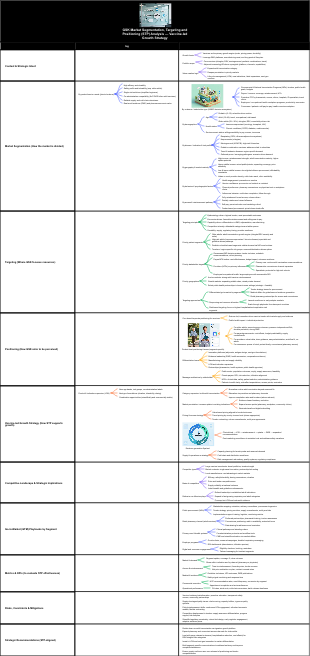
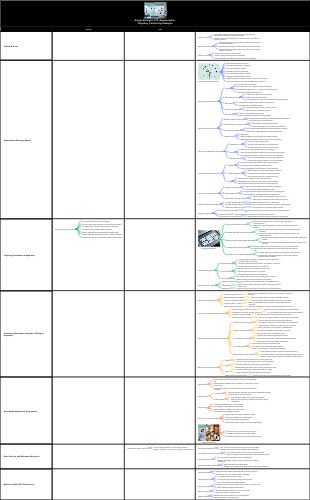
MindMap Gallery LVMH Market Segmentation, Targeting and Positioning Analysis
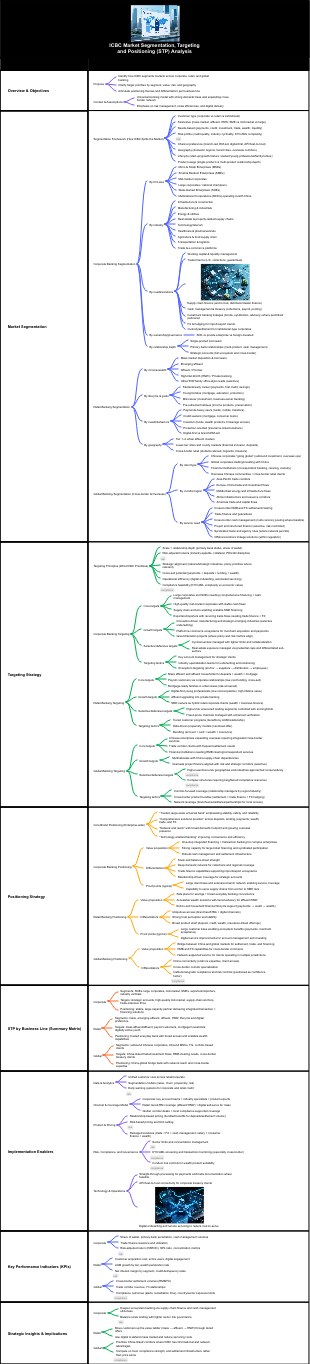
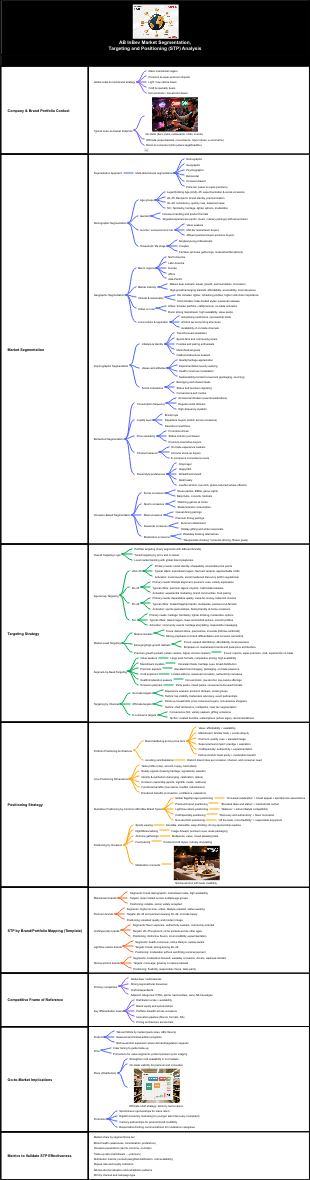
This analysis explores how LVMH navigates the luxury market through meticulous STP (Segmentation, Targeting, Positioning), aligning its maisons with distinct consumer segments and occasions. Core objective: sustaining leadership by protecting brand equity, expanding globally, and recruiting new luxury consumers without diluting exclusivity. Market segmentation: Demographic: age (Gen X, Millennials, Gen Z), income (ultra-high-net-worth $10M+, high-net-worth $1M–$10M, aspirational $200k–$1M), occupation (entrepreneurs, executives, creatives, professionals). Geographic: mature (Europe, US, Japan), high-growth (China, Middle East, India), emerging (Brazil, Southeast Asia). Climate, culture, and travel patterns influence product categories (watches, fragrance, leather goods). Psychographic: values (craftsmanship, status, authenticity, creativity), lifestyle (global travelers, art collectors, fashion followers), self-concept (successful, sophisticated, discerning). Behavioral: purchase frequency (collectors, occasion-based, one-time), loyalty (brand loyal vs. fashion seekers), usage (daily watch, evening bag, special occasion). Consumer segments: Ultra-high-net-worth individuals (top 0.1%): haute couture, high jewelry, limited editions, private appointments. Affluent consumers (top 1–5%): ready-to-wear, leather goods, watches, fine fragrance. Aspirational luxury buyers (top 10–20%): beauty, small leather goods, entry watches, fragrance. Occasional gifters (fragrance, wallets, scarves). Targeting: each maison targets specific segments (Louis Vuitton: aspirational to affluent; Dior: affluent to ultra; Bulgari: high jewelry for ultra; Sephora: beauty for aspirational). Positioning: LVMH maintains prestige through scarcity, craftsmanship, heritage, and controlled distribution. This approach balances exclusivity with growth, catering to diverse luxury motivations (status, artistry, investment, self-expression).
Edited at 2026-03-25 15:08:17Diese Vorlage ist ein umfassendes Managementtool für die systematische Gestaltung von funktionsübergreifender und interkultureller Zusammenarbeit in Unternehmen, entwickelt für Projektmanager, Teamleiter und Transformationsberater. Sie gliedert den gesamten Kooperationsprozess in drei zentrale, aufeinander aufbauende Module, beginnend mit Kooperationsmechanismen zur Festlegung gemeinsamer OKRs/KPIs, Kommunikationskadenz und Schlüsselwörter zur Schaffung einer gemeinsamen Arbeitsgrundlage, gefolgt von Regeln zur Konfliktlösung zur Definition von Eskalationsmatrizen und Beschlussrahmen für die strukturierte Lösung abteilungs- und kulturübergreifender Konflikte, sowie abschließend kulturelle Integration & Ausbildung zur Planung von Kulturbewusstseinsworkshops und Teambindungsinitiativen für die nachhaltige Integration unterschiedlicher Kulturen und Teams. Ergänzt werden die Module durch Felder zur Festlegung von Titel Case-Eigentümer, Bewertung Cadence und nächstem Checkpoint, um die kontinuierliche Überwachung und Optimierung der Zusammenarbeit zu gewährleisten. Die Vorlage standardisiert die abteilungsübergreifende Zusammenarbeit, reduziert Konflikte, maximiert die Teamleistung und unterstützt eine nachhaltige interkulturelle Integration, wobei sie flexibel anpassbar für Unternehmen jeder Größe und Branchen ist.

Diese Vorlage ist ein umfassendes Managementtool für die systematische Planung und Umsetzung von Stakeholder-Management in Projekten, entwickelt für Projektmanager, PMO und Unternehmensleitungen. Sie kombiniert ein strukturiertes 4-Quadranten-Modell zur Klassifizierung von Stakeholdern nach Einfluss und Interesse mit typischen Beispielen und passenden Strategien für jede Kategorie, darunter Bleiben Sie zufrieden für Stakeholder mit hohem Einfluss und geringem Interesse, Enge Verwaltung für Schlüsselkunden und Projektsponsoren mit hohem Einfluss und hohem Interesse, Überwachung für allgemeine Öffentlichkeit mit geringem Einfluss und geringem Interesse sowie Bleiben Sie auf dem Laufenden für Endbenutzer und Interessengruppen mit geringem Einfluss und hohem Interesse, ergänzt durch Freifelder zur individuellen Anpassung. Darüber hinaus enthält die Vorlage einen detaillierten Kommunikationsplan zur systematischen Planung von Kommunikation für alle Interessengruppen, mit Feldern für Bedürfnisse, Kanäle, Frequenz, Eigentümer und Format, um eine transparente und zielgerichtete Kommunikation zu gewährleisten. Die Vorlage standardisiert das Stakeholder-Management, maximiert die Stakeholder-Unterstützung und minimiert Projekt-Risiken durch unzureichende Kommunikation, wobei sie flexibel anpassbar für Projekte jeder Größe und Branchen ist.
Diese Vorlage ist ein umfassendes Managementtool für die systematische Machbarkeitsprüfung und Initiationsentscheidung von Projekten, entwickelt für Projektmanager, Entscheidungsträger und PMO. Sie gliedert den gesamten Entscheidungsprozess in klar strukturierte Module, beginnend mit der Projektübersicht zur Festlegung von Budget Cap, Go-Live-Dauer, ROI-Ziel, Risikokonzept und Entscheidungsstatus, gefolgt von Hintergrund und Schmerzpunkten sowie messbaren Projektzielen zur Definition der Projektgrundlage. Der Kern der Vorlage bildet die Entscheidungsmatrix zur gewichteten Bewertung von Projektoptionen nach Kriterien wie Wertbeitrag, Kosten, Technische, Risikolevel und Skalierbarkeit, ergänzt durch Wahrscheinlichkeit x Auswirkungsregeln zur Analyse von Projektoptionen und Triggerbedingungen, sowie Hauptrisken und Schlüsselabhängigkeiten zur Erfassung und Minderung von Projekt-Risiken und Abhängigkeiten. Abgerundet wird die Vorlage durch eine Validierungscheckliste und Aktionsgegenstände zur Planung von Validierungsmaßnahmen und Aktionen zur Projektumsetzung, sowie Felder zur Festlegung von Beschlussstreffen, Genehmigern und Version. Die Vorlage standardisiert die Projektinitiierung, unterstützt datengetriebene Projektentscheidungen und minimiert Risiken durch unzureichende Projektprüfung, wobei sie flexibel anpassbar für Projekte jeder Größe und Branchen ist.
Diese Vorlage ist ein umfassendes Managementtool für die systematische Gestaltung von funktionsübergreifender und interkultureller Zusammenarbeit in Unternehmen, entwickelt für Projektmanager, Teamleiter und Transformationsberater. Sie gliedert den gesamten Kooperationsprozess in drei zentrale, aufeinander aufbauende Module, beginnend mit Kooperationsmechanismen zur Festlegung gemeinsamer OKRs/KPIs, Kommunikationskadenz und Schlüsselwörter zur Schaffung einer gemeinsamen Arbeitsgrundlage, gefolgt von Regeln zur Konfliktlösung zur Definition von Eskalationsmatrizen und Beschlussrahmen für die strukturierte Lösung abteilungs- und kulturübergreifender Konflikte, sowie abschließend kulturelle Integration & Ausbildung zur Planung von Kulturbewusstseinsworkshops und Teambindungsinitiativen für die nachhaltige Integration unterschiedlicher Kulturen und Teams. Ergänzt werden die Module durch Felder zur Festlegung von Titel Case-Eigentümer, Bewertung Cadence und nächstem Checkpoint, um die kontinuierliche Überwachung und Optimierung der Zusammenarbeit zu gewährleisten. Die Vorlage standardisiert die abteilungsübergreifende Zusammenarbeit, reduziert Konflikte, maximiert die Teamleistung und unterstützt eine nachhaltige interkulturelle Integration, wobei sie flexibel anpassbar für Unternehmen jeder Größe und Branchen ist.
Diese Vorlage ist ein umfassendes Managementtool für die systematische Planung und Umsetzung von Stakeholder-Management in Projekten, entwickelt für Projektmanager, PMO und Unternehmensleitungen. Sie kombiniert ein strukturiertes 4-Quadranten-Modell zur Klassifizierung von Stakeholdern nach Einfluss und Interesse mit typischen Beispielen und passenden Strategien für jede Kategorie, darunter Bleiben Sie zufrieden für Stakeholder mit hohem Einfluss und geringem Interesse, Enge Verwaltung für Schlüsselkunden und Projektsponsoren mit hohem Einfluss und hohem Interesse, Überwachung für allgemeine Öffentlichkeit mit geringem Einfluss und geringem Interesse sowie Bleiben Sie auf dem Laufenden für Endbenutzer und Interessengruppen mit geringem Einfluss und hohem Interesse, ergänzt durch Freifelder zur individuellen Anpassung. Darüber hinaus enthält die Vorlage einen detaillierten Kommunikationsplan zur systematischen Planung von Kommunikation für alle Interessengruppen, mit Feldern für Bedürfnisse, Kanäle, Frequenz, Eigentümer und Format, um eine transparente und zielgerichtete Kommunikation zu gewährleisten. Die Vorlage standardisiert das Stakeholder-Management, maximiert die Stakeholder-Unterstützung und minimiert Projekt-Risiken durch unzureichende Kommunikation, wobei sie flexibel anpassbar für Projekte jeder Größe und Branchen ist.
Diese Vorlage ist ein umfassendes Managementtool für die systematische Machbarkeitsprüfung und Initiationsentscheidung von Projekten, entwickelt für Projektmanager, Entscheidungsträger und PMO. Sie gliedert den gesamten Entscheidungsprozess in klar strukturierte Module, beginnend mit der Projektübersicht zur Festlegung von Budget Cap, Go-Live-Dauer, ROI-Ziel, Risikokonzept und Entscheidungsstatus, gefolgt von Hintergrund und Schmerzpunkten sowie messbaren Projektzielen zur Definition der Projektgrundlage. Der Kern der Vorlage bildet die Entscheidungsmatrix zur gewichteten Bewertung von Projektoptionen nach Kriterien wie Wertbeitrag, Kosten, Technische, Risikolevel und Skalierbarkeit, ergänzt durch Wahrscheinlichkeit x Auswirkungsregeln zur Analyse von Projektoptionen und Triggerbedingungen, sowie Hauptrisken und Schlüsselabhängigkeiten zur Erfassung und Minderung von Projekt-Risiken und Abhängigkeiten. Abgerundet wird die Vorlage durch eine Validierungscheckliste und Aktionsgegenstände zur Planung von Validierungsmaßnahmen und Aktionen zur Projektumsetzung, sowie Felder zur Festlegung von Beschlussstreffen, Genehmigern und Version. Die Vorlage standardisiert die Projektinitiierung, unterstützt datengetriebene Projektentscheidungen und minimiert Risiken durch unzureichende Projektprüfung, wobei sie flexibel anpassbar für Projekte jeder Größe und Branchen ist.
LVMH STP Analysis (Market Segmentation, Targeting, Positioning)
Context & Objectives
Core objective
Sustain leadership in luxury by matching maisons to distinct consumer segments and occasions
Business priorities supported by STP
Protect brand equity and pricing power
Expand globally while preserving heritage and exclusivity
Recruit new luxury consumers (aspirational) without diluting top-tier clientele (affluent)
Optimize portfolio synergies across categories
Market Segmentation (How LVMH Segments the Luxury Market)
Luxury segmentation principles
Value is symbolic and experiential (heritage, craftsmanship, scarcity, service)
Purchase drivers vary by category and use case (self-reward vs gifting; daily luxury vs statement pieces)
Segments are fluid by life stage, wealth trajectory, and social context
Demographic segmentation
Income/wealth tier
Ultra-high-net-worth (UHNW)
High-net-worth (HNW)
Mass affluent / upper-middle income (aspirational luxury)
Age / cohort
Gen Z (entry, street-luxury, digital-native)
Millennials (career growth, status signaling, experiences)
Gen X (established earners, connoisseurship)
Boomers (heritage, service, collectibles)
Gender
Women’s luxury (handbags, beauty, jewelry)
Men’s luxury (menswear, watches, spirits)
Gender-fluid/androgynous fashion and beauty preferences
Family status
Singles/couples (self-purchase, lifestyle)
Families (gifting, celebrations, travel retail)
Geographic segmentation
Mature luxury markets
Western Europe (heritage, tourism flows)
North America (brand storytelling, lifestyle luxury)
Japan (quality, craftsmanship, brand loyalty)
High-growth markets
Mainland China (status, gifting norms, digital ecosystems)
South Korea (trend leadership, pop-culture influence)
Middle East (high spending, exclusivity, hospitality-driven)
Southeast Asia & India (emerging affluent, brand education)
City-level segmentation
Global luxury capitals and tier-1 cities vs tier-2/3 expansion
Travel retail / tourism corridors
Airports, flagship destinations, resort hubs
Psychographic segmentation
Motivations
Status and social signaling
Aesthetic expression / identity building
Craftsmanship appreciation and heritage
Scarcity/collecting and investment mindset
Convenience and service orientation
Lifestyle archetypes
Fashion-forward trendsetters
Quiet-luxury minimalists
High-society formal consumers
Street-luxury enthusiasts
Experience seekers (wine, hospitality-adjacent, travel)
Values
Sustainability/ethics-driven luxury
Culture/art patronage
Innovation and tech-enabled luxury
Behavioral segmentation
Usage occasion
Everyday luxury (small leather goods, beauty)
Professional wardrobe (tailoring, accessories)
Events and ceremonies (evening wear, high jewelry)
Gifting (fragrance sets, scarves, spirits)
Celebrations (champagne, fine spirits)
Purchase frequency
High-frequency replenishment (beauty, fragrance)
Seasonal fashion purchases
Infrequent big-ticket purchases (bags, watches, jewelry)
Loyalty stage
First-time luxury buyer
Returning customer / brand loyalist
Multi-brand portfolio customer (cross-maison)
Collector (limited editions, haute horlogerie, high jewelry)
Channel preference
Flagship boutique experience
Department store / selective retail
E-commerce and omnichannel services
Duty-free / travel retail
Clienteling-driven private sales
Price sensitivity (relative, within luxury)
Less sensitive (affluent core)
More sensitive but willing to trade up (aspirational)
Needs-based segmentation (Luxury “jobs to be done”)
Signal success and belonging
Celebrate milestones and gifts
Express individuality and taste
Acquire enduring quality and craftsmanship
Enjoy exceptional service and access
Participate in culture (shows, collaborations, art)
Targeting (Who LVMH Prioritizes and How It Reaches Them)
Targeting strategy overview
Dual focus on affluent and aspirational segments
“House of brands” approach
Different maisons target different segments, aesthetics, and price ladders
Laddering approach
Entry products recruit aspirational buyers
Icon products drive desire and profitability
High-end/limited items reinforce prestige and exclusivity
Primary target: Affluent luxury consumers
Segment definition
HNW and UHNW individuals with high discretionary spend
Key needs
Exclusivity, rarity, personalization, superior service
Heritage credibility and craftsmanship
Access to limited editions and private experiences
Product-category emphasis
High jewelry, haute horlogerie, couture, exotic skins, bespoke services
Fine wines and rare spirits
Go-to-market tactics
Flagship stores in prime locations
Private salons, appointment-only experiences
VIP events (shows, brand trips, tastings)
High-touch clienteling (dedicated advisors, early access)
Relationship model
Long-term lifetime value management
Collecting behavior via drops and limited series
Secondary target: Aspirational luxury consumers
Segment definition
Upper-middle income and emerging affluent who “trade up” selectively
Key needs
Attainable entry points that still feel authentic and prestigious
Clear brand codes and recognizable signatures
Social proof, trend relevance, digital convenience
Product-category emphasis
Beauty and fragrance (gateway)
Small leather goods, accessories, eyewear
Entry watches/jewelry lines, seasonal capsule collections
Go-to-market tactics
Strong storytelling and brand imagery
Controlled distribution to maintain scarcity cues
Selective digital commerce and omnichannel services
Collaborations and cultural partnerships
Risk controls
Avoid overexposure and discounting
Maintain price architecture and product hierarchy
Tertiary/adjacent targets (supporting segments)
Luxury gift buyers
Seasonal campaigns (holidays, weddings, celebrations)
Packaging and personalization as value drivers
Connoisseurs and collectors
Limited editions, provenance, archival storytelling
Authentication and after-sales service
Corporate and hospitality clients (where relevant)
Wines & spirits placements, gifting programs, events
Targeting by category (portfolio logic)
Fashion & Leather Goods
Icon-driven desirability (signature bags, monograms, silhouettes)
High margins and brand halo
Watches & Jewelry
Technical credibility, heritage, investment/collectability narratives
Perfumes & Cosmetics
High reach for aspirational recruitment
Repeat purchase and cross-sell into higher tiers
Wines & Spirits
Occasion-based targeting (celebration, status hosting, gifting)
Selective Retailing
Discovery platform for new customers
Data and ecosystem benefits (loyalty, sampling, omnichannel)
Targeting by geography and lifecycle
Market entry sequencing
Start with flagships and brand-building in tier-1 cities
Expand selectively to tier-2/3 with controlled retail and localized marketing
Customer lifecycle journey
Awareness → first purchase (entry) → repeat (icon) → loyalty (VIP) → collector/advocate
Positioning (How LVMH Positions Its Maisons)
Group-level positioning themes (umbrella)
Ultimate portfolio of luxury excellence
Heritage + innovation
Craftsmanship, creativity, cultural leadership
Selective distribution and elevated service as proof of luxury
Core positioning pillars
Heritage & authenticity
Maison histories, ateliers, artisanal techniques
Craftsmanship & quality
Materials, construction, performance standards, longevity
Exclusivity & scarcity
Limited runs, controlled availability, waiting lists
Creative direction & brand codes
Distinct aesthetic signatures; seasonal narrative coherence
Experience & service
Boutique theater, personalization, after-sales care
Cultural relevance
Shows, art ties, ambassadors, collaborations
Trust & legitimacy
Authentication, provenance, heritage storytelling
Positioning for affluent segments (premium apex)
Value proposition
Access to the rarest expression of luxury: bespoke, limited, culturally significant
Proof points
Haute craftsmanship, ateliers, exceptional stones/materials
Private client services and exclusive events
Brand tone
Understated authority, connoisseurship, legacy
Positioning for aspirational segments (accessible luxury within control)
Value proposition
A credible entry into luxury through iconic design codes and elevated quality
Proof points
Recognizable signatures, strong packaging, premium materials
Digital-first storytelling and social validation
Brand tone
Inspiring, modern, culturally connected while preserving prestige
Positioning architecture (within and across maisons)
Price ladder & product tiers
Entry (beauty/accessories) → Icon (core leather goods) → High-end (limited/exceptional)
Differentiation across maisons
Distinct identities to reduce cannibalization
Complementary coverage of tastes (classic, avant-garde, street, quiet luxury)
Halo strategy
Runway, couture, high jewelry, limited editions elevate the entire brand
Points of difference vs competitors
Portfolio breadth with strong individual brand identities
Control of manufacturing expertise and artisanal capacity
Retail excellence and experiential flagships
Marketing scale with cultural credibility (fashion, art, celebrity)
Points of parity (category expectations)
Premium quality, storytelling, heritage cues
High service standards, selective distribution
Strong resale desirability and authenticity safeguards
Marketing Mix Implications (How STP Translates into Actions)
Product strategy
Icon products as anchors (recognizable signatures)
Limited editions for scarcity and buzz
Category gateways for aspirational segments (fragrance, beauty, SLGs)
Craft and innovation in materials, sustainability initiatives where credible
Pricing strategy
Premium pricing aligned with perceived value and scarcity
Carefully managed price increases to protect positioning
Clear tiering to prevent downmarket perception
Place (distribution) strategy
Selective distribution and controlled wholesale
Flagships for affluent experience and brand theater
Omnichannel with consistent pricing and service
Travel retail used carefully to avoid overexposure
Promotion strategy
Brand storytelling rooted in heritage and craft
High-impact cultural moments (shows, campaigns, ambassadors)
Performance marketing used selectively for aspirational reach without discounting
CRM-driven personalization for affluent retention
People & service
Clienteling, concierge, after-sales
Training to deliver consistent luxury rituals globally
Physical evidence & experience
Store design, packaging, personalization, unboxing
Events: trunk shows, previews, tastings, exhibitions
Digital, Data, and CRM in STP
Digital segmentation signals
Social engagement intensity, creator influence, content preferences
Online browsing and wish-list behavior (where captured)
Targeting tools
Lookalike audiences for aspirational recruitment
Geo-targeting around luxury districts and travel hubs
Personalized recommendations based on category affinity
CRM for affluent customers
Client profiles, purchase history, preference mapping
Invite-only drops and appointment scheduling
Cross-maison opportunities while respecting privacy and brand separation
Key Risks and How LVMH Manages Them (STP Perspective)
Brand dilution risk (over-targeting aspirational)
Mitigation
Strict distribution control, no pervasive discounting
Maintain high-end halo and limited availability
Cannibalization across maisons
Mitigation
Clear maison identities and differentiated aesthetics/price bands
Counterfeiting and grey market
Mitigation
Authentication measures, retail control, legal enforcement
Cultural misalignment across markets
Mitigation
Localized communication with global brand codes intact
Economic cycles affecting aspirational demand
Mitigation
Diversified portfolio; emphasize resilient affluent segments and timeless icons
Practical Segment-to-Action Mapping (Examples of Fit)
Affluent (HNW/UHNW) segment
Best-fit offers
High jewelry, rare watches, couture-level services, private tastings
Best-fit channels
Flagships, private salons, invitation events
Best-fit messaging
Craft, rarity, legacy, access
Aspirational (emerging affluent) segment
Best-fit offers
Beauty, fragrance, SLGs, seasonal accessories
Best-fit channels
Selective e-commerce, premium retail environments, curated campaigns
Best-fit messaging
Iconic codes, self-expression, modern culture, attainable excellence
KPIs to Evaluate STP Effectiveness
Affluent segment KPIs
VIP retention and repeat rate
Average transaction value and category expansion
Private client event conversion
Waitlist and limited-edition sell-through
Aspirational segment KPIs
New customer acquisition cost vs lifetime value
Entry-product conversion to icon-product purchase
Brand desirability metrics (search, social share of voice)
Repeat purchase in beauty/fragrance and cross-category upgrade
Brand health KPIs (both)
Price integrity (discount incidence)
NPS/service satisfaction
Store productivity and footfall quality
Perceived exclusivity and brand equity tracking