MindMap Gallery Berkshire Hathaway Market Segmentation, Targeting and Positioning Analysis
This analysis explores how Berkshire Hathaway strategically segments, targets, and positions its diverse offerings across various sectors, offering a comprehensive framework for understanding one of the world’s most distinctive conglomerates’ approach to markets. It provides valuable insights into the principles that guide Berkshire’s portfolio of wholly-owned businesses and how each subsidiary navigates its competitive landscape. The analysis delves into Berkshire’s decentralized model, which fundamentally shapes its STP approach. Unlike centralized corporations that impose uniform segmentation strategies across divisions, Berkshire empowers its subsidiaries to develop market strategies suited to their specific industries, customer bases, and competitive dynamics. This autonomy enables each business to respond nimbly to its market while benefiting from Berkshire’s core assets: a strong balance sheet that provides financial stability and the ability to invest through cycles, and a reputation for integrity that signals long-term commitment to customers, employees, and partners. The segmentation framework across Berkshire’s portfolio encompasses multiple dimensions. Customer types range from individual consumers purchasing GEICO auto insurance or See’s Candies, to industrial clients served by Precision Castparts or Lubrizol, to commercial and agricultural customers relying on BNSF’s rail network. Needs-based segmentation varies significantly across sectors—insurance customers prioritize price and claims service; rail customers seek reliability and capacity; consumer goods customers value quality and brand trust. Behavioral segmentation considers purchasing patterns, loyalty, and decision-making processes unique to each industry. Geographic areas reflect the regional and global footprint of different subsidiaries, from BNSF’s North American rail network to Berkshire Hathaway Energy’s regulated utilities across multiple states. Industry verticals encompass insurance,
Edited at 2026-03-25 03:30:10Diese Vorlage ist ein umfassendes Managementtool für die systematische Planung und Umsetzung von Projektrisikomanagement, entwickelt für Projektmanager, Risikomanager und PMO. Sie kombiniert eine Risiko-Heatmap zur visuellen Klassifizierung von Risiken nach Wahrscheinlichkeit und Impact, mit klar definierten Risikostufen von Low bis Kritisch, sowie die vier zentralen Risikobehandlungsstrategien Avoid, Transfer, Mitigate und Accept, um eine strukturierte Risikobewertung und -steuerung zu gewährleisten. Ergänzt werden die Module durch Felder zur Festlegung von Version, Projekt/Paket und Zeitraum, um die kontinuierliche Überwachung und Anpassung der Risikostrategie zu ermöglichen. Die Vorlage standardisiert das Projektrisikomanagement, minimiert Projekt-Risiken durch unzureichende Risikosteuerung und unterstützt eine nachhaltige Projektstabilität, wobei sie flexibel anpassbar für Projekte jeder Größe und Branchen ist.

Diese Vorlage ist ein umfassendes Managementtool für die systematische Kontrolle und Analyse von Projektumfang, entwickelt für Projektmanager, PMO und Scope Manager. Sie gliedert das gesamte Umfangsmanagement in zwei zentrale Module, beginnend mit WBS Umfangsabschlüsselung zur hierarchischen Strukturierung des Projektumfangs in Lieferbare und zugehörige Arbeitspakete, um eine transparente und nachvollziehbare Projektstruktur zu schaffen, gefolgt von Geltungsbereichsgrenze / Ausschlüsse zur Definition von im Geltungsbereich befindlichen und ausgeschlossenen Inhalten, Annahmen, Einschränkungen sowie Schnittstellen und Abhängigkeiten, um Scope Creep und unkontrollierte Projektveränderungen zu verhindern. Ergänzt werden die Module durch Felder zur Festlegung von Version, Projekt und Ausgangsdatum, um die kontinuierliche Überwachung und Anpassung des Projektumfangs zu gewährleisten. Die Vorlage standardisiert das Umfangsmanagement, maximiert die Projekttransparenz und minimiert Risiken durch unzureichende Umfangssteuerung, wobei sie flexibel anpassbar für Projekte jeder Größe und Branchen ist.
Diese Vorlage ist ein umfassendes Managementtool für die systematische Planung und Umsetzung von Beschaffungs- und Vertragsmanagement in Projekten, entwickelt für Einkaufsmanager, Projektmanager und Vertragsmanager. Sie gliedert das gesamte Beschaffungsmanagement in zwei zentrale Module, beginnend mit End-to-End Phasenfluss zur strukturierten Abbildung des gesamten Beschaffungsprozesses von Lieferanten Sourcing über Präqualifizierung, Verhandlungen, Vertragsausarbeitung, Änderungskontrolle bis hin zu Akzeptanz und Closeout, um eine transparente und nachvollziehbare Beschaffungsabwicklung zu gewährleisten, gefolgt von Risiko- und Compliance-Checkpoints zur Festlegung von zentralen Prüfpunkten wie genehmigte Lieferantenliste, Kapazitätsprüfung, Umfangsklärungstor, Genehmigung von Variationsbestellung und Schließung der Punch List, um Beschaffungsrisiken und Compliance-Verstöße zu minimieren. Ergänzt werden die Module durch Felder zur Festlegung von Version, Paket/Umfang und Zeitraum, um die kontinuierliche Überwachung und Optimierung der Beschaffungsstrategie zu ermöglichen. Die Vorlage standardisiert das Beschaffungs- und Vertragsmanagement, maximiert die Lieferantenzusammenarbeit und minimiert Beschaffungsrisiken, wobei sie flexibel anpassbar für Unternehmen jeder Größe und Branchen ist.
Diese Vorlage ist ein umfassendes Managementtool für die systematische Planung und Umsetzung von Projektrisikomanagement, entwickelt für Projektmanager, Risikomanager und PMO. Sie kombiniert eine Risiko-Heatmap zur visuellen Klassifizierung von Risiken nach Wahrscheinlichkeit und Impact, mit klar definierten Risikostufen von Low bis Kritisch, sowie die vier zentralen Risikobehandlungsstrategien Avoid, Transfer, Mitigate und Accept, um eine strukturierte Risikobewertung und -steuerung zu gewährleisten. Ergänzt werden die Module durch Felder zur Festlegung von Version, Projekt/Paket und Zeitraum, um die kontinuierliche Überwachung und Anpassung der Risikostrategie zu ermöglichen. Die Vorlage standardisiert das Projektrisikomanagement, minimiert Projekt-Risiken durch unzureichende Risikosteuerung und unterstützt eine nachhaltige Projektstabilität, wobei sie flexibel anpassbar für Projekte jeder Größe und Branchen ist.
Diese Vorlage ist ein umfassendes Managementtool für die systematische Kontrolle und Analyse von Projektumfang, entwickelt für Projektmanager, PMO und Scope Manager. Sie gliedert das gesamte Umfangsmanagement in zwei zentrale Module, beginnend mit WBS Umfangsabschlüsselung zur hierarchischen Strukturierung des Projektumfangs in Lieferbare und zugehörige Arbeitspakete, um eine transparente und nachvollziehbare Projektstruktur zu schaffen, gefolgt von Geltungsbereichsgrenze / Ausschlüsse zur Definition von im Geltungsbereich befindlichen und ausgeschlossenen Inhalten, Annahmen, Einschränkungen sowie Schnittstellen und Abhängigkeiten, um Scope Creep und unkontrollierte Projektveränderungen zu verhindern. Ergänzt werden die Module durch Felder zur Festlegung von Version, Projekt und Ausgangsdatum, um die kontinuierliche Überwachung und Anpassung des Projektumfangs zu gewährleisten. Die Vorlage standardisiert das Umfangsmanagement, maximiert die Projekttransparenz und minimiert Risiken durch unzureichende Umfangssteuerung, wobei sie flexibel anpassbar für Projekte jeder Größe und Branchen ist.
Diese Vorlage ist ein umfassendes Managementtool für die systematische Planung und Umsetzung von Beschaffungs- und Vertragsmanagement in Projekten, entwickelt für Einkaufsmanager, Projektmanager und Vertragsmanager. Sie gliedert das gesamte Beschaffungsmanagement in zwei zentrale Module, beginnend mit End-to-End Phasenfluss zur strukturierten Abbildung des gesamten Beschaffungsprozesses von Lieferanten Sourcing über Präqualifizierung, Verhandlungen, Vertragsausarbeitung, Änderungskontrolle bis hin zu Akzeptanz und Closeout, um eine transparente und nachvollziehbare Beschaffungsabwicklung zu gewährleisten, gefolgt von Risiko- und Compliance-Checkpoints zur Festlegung von zentralen Prüfpunkten wie genehmigte Lieferantenliste, Kapazitätsprüfung, Umfangsklärungstor, Genehmigung von Variationsbestellung und Schließung der Punch List, um Beschaffungsrisiken und Compliance-Verstöße zu minimieren. Ergänzt werden die Module durch Felder zur Festlegung von Version, Paket/Umfang und Zeitraum, um die kontinuierliche Überwachung und Optimierung der Beschaffungsstrategie zu ermöglichen. Die Vorlage standardisiert das Beschaffungs- und Vertragsmanagement, maximiert die Lieferantenzusammenarbeit und minimiert Beschaffungsrisiken, wobei sie flexibel anpassbar für Unternehmen jeder Größe und Branchen ist.
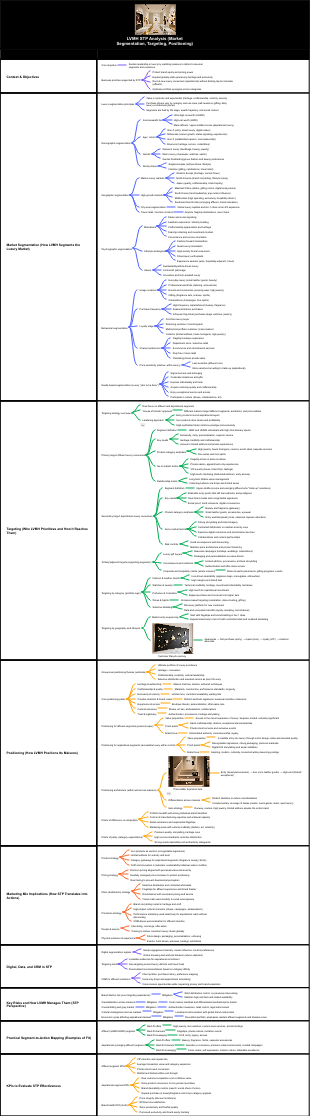
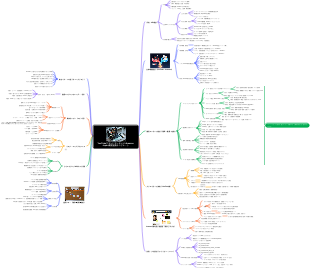
Berkshire Hathaway Market Segmentation, Targeting & Positioning (STP) Analysis
Purpose & Scope
Analyze how Berkshire segments markets, selects targets, and positions offerings
Covered sectors
Insurance
Railroads
Investments (capital allocation / ownership stakes)
Company Context (STP Lens)
Multi-business conglomerate with decentralized operating model
Core strategic assets
Permanent capital base (insurance float, retained earnings)
Long time horizon and low turnover ownership
Strong balance sheet and creditworthiness
Reputation for integrity and deal certainty
Implication for STP
Segmenting occurs by operating subsidiary/industry
Targeting emphasizes high-quality, durable economics
Positioning emphasizes trust, stability, and long-term partnership
Segmentation Framework (How Markets Are Split)
Segmentation variables
Customer type
Individual consumers
Small and mid-sized businesses
Large corporates
Government / public agencies
Institutional investors / shareholders
Needs-based segments
Risk transfer and risk management needs
Reliability, safety, and compliance needs
Cost efficiency and scale needs
Long-term capital and stewardship needs
Behavioral segments
Price sensitivity vs value sensitivity
Renewal/retention propensity
Claims frequency and severity profile
Shipping volume regularity (rail)
Investment holding period and turnover (investments)
Geographic segments
U.S. national footprint
Regional corridors (rail)
Global reinsurance markets
Global equity markets (investments)
Industry/vertical segments
Energy, chemicals, agriculture, automotive, consumer goods (rail freight)
Specialty insurance verticals (e.g., medical malpractice, aviation, workers’ comp)
Public sector and municipal (insurance/rail)
Targeting Strategy (Where Berkshire Competes Most Aggressively)
Overarching targeting principles
Large, durable markets with rational pricing potential
Situations where balance sheet strength is a differentiator
High switching costs or relationship-driven repeat business
Businesses with strong management teams and autonomy fit
Target selection criteria (applies across sectors)
Economics
Stable cash flows, strong unit economics
Pricing power or defensible cost advantage
Low capital intensity or high returns on incremental capital (varies by sector)
Risk
Underwriteable risk with measurable exposure
Downside protected by diversification and liquidity
Fit
Cultural fit: long-term, decentralized, no forced synergies
Regulatory and reputational compatibility
Positioning Strategy (How Berkshire Wants to Be Perceived)
Corporate-level positioning
Trusted long-term owner with unparalleled financial strength
Deal certainty, speed, and permanence
Decentralized autonomy for managers; minimal bureaucracy
Proof points used in positioning
Massive liquidity and conservative leverage
Long track record across cycles
Strong credit ratings at key subsidiaries
Ability to write very large checks / take large risks when priced correctly
Sector Deep Dive: Insurance (GEICO, Reinsurance, Specialty/Primary)
Market Segmentation (Insurance)
Personal lines (primarily auto)
Drivers segmented by
Risk profile (age, driving history, vehicle type)
Coverage needs (liability-only vs full coverage)
Channel preference (direct online/phone vs agent)
Price sensitivity and shopping behavior
Commercial lines
SMEs vs large enterprises
Industry vertical risk (construction, healthcare, transportation, etc.)
Coverage complexity (standard packages vs tailored programs)
Reinsurance
Cedents segmented by
Size (regional insurer vs global carrier)
Capital needs (peak risk transfer, earnings smoothing, solvency relief)
Risk type (property-cat, casualty, life/health)
Contract type (quota share, excess of loss, retrocession)
Specialty lines
High-severity/low-frequency risks (e.g., catastrophe, aviation)
Professional liability (e.g., medical malpractice)
Program business / delegated underwriting segments
Targeting (Insurance)
GEICO-style personal auto targets
Mass-market drivers seeking value and convenience
Customers comfortable with direct purchasing and self-service
Segments with favorable loss ratios and retention potential
Reinsurance targets
Large cedents needing sizable capacity
Complex/large-limit risks where financial strength matters most
Opportunistic targeting during hard markets (higher pricing)
Specialty/commercial targets
Niche markets with underwriting expertise advantage
Accounts valuing claims-paying ability and tailored coverage
Positioning (Insurance)
GEICO positioning
Value-oriented, low-cost provider via direct model
Convenience and fast quoting/servicing
Broad awareness branding to reinforce top-of-mind consideration
Berkshire reinsurance positioning
Capacity provider of choice for large/complex risks
Reliability in extreme events; willingness to pay valid claims
Long-term partner that can commit across cycles
Specialty/commercial positioning
Underwriting expertise + strong balance sheet
Responsive claims handling and risk solutions
Differentiators & Competitive Advantage (Insurance)
Cost advantage (direct distribution and scale) in personal auto
Float as strategic capital base
Superior ability to absorb tail risk and write large limits
Reputation and relationships with brokers/cedents
Risks & Constraints (Insurance)
Underpricing in soft markets; cycle management
Catastrophe aggregation and climate-related volatility
Regulatory constraints by state/country
Technology-driven competition in pricing and distribution
Sector Deep Dive: Railroads (BNSF)
Market Segmentation (Railroads)
Commodity / freight type
Intermodal (containers/trailers)
Bulk commodities (coal, grain, aggregates)
Industrial products (chemicals, petroleum, metals, forest products)
Automotive
Consumer products
Customer segment
Large shippers (Fortune 500 manufacturers/retailers)
3PLs and intermodal logistics providers
Agricultural cooperatives and exporters
Energy and utilities
Lane/corridor segmentation
High-density core corridors vs low-density branch lines
Port-to-inland corridors (import/export flows)
Cross-border flows (as applicable)
Service needs segmentation
Speed vs reliability vs cost
Unit train vs manifest service
Hazardous materials compliance requirements
Equipment needs (reefer, tank cars, covered hoppers)
Targeting (Railroads)
High-volume, repeatable lanes where scale improves utilization
Intermodal growth tied to long-haul trucking substitution
Industrial and agricultural customers with steady demand and contractual potential
Customers valuing network reach, reliability, and safety performance
Positioning (Railroads)
Efficient, reliable long-haul freight network
Safety and regulatory compliance as trust anchors
Sustainability angle: lower emissions per ton-mile vs trucking
Service consistency via network investments and operational discipline
Differentiators & Competitive Advantage (Railroads)
Network density and geographic reach
High barriers to entry (rights-of-way, regulation, capital)
Cost advantage on long-haul bulk and intermodal
Long-lived infrastructure supporting durable cash flows
Risks & Constraints (Railroads)
Cyclical freight demand and commodity exposure
Service disruptions (weather, labor, congestion)
Regulatory scrutiny (rates, safety, labor rules)
Capital intensity for maintenance and capacity expansion
Sector Deep Dive: Investments (Public Equities, Private Acquisitions, Capital Allocation)
Market Segmentation (Investments)
By investment type
Public equities (minority stakes)
Private acquisitions (wholly owned businesses)
Fixed income/cash equivalents (liquidity management)
Special situations (preferreds, warrants, structured deals)
By company characteristics
Consumer brands vs industrials vs financials vs energy
Asset-light vs asset-heavy
Cyclical vs defensive
High ROIC vs turnaround situations
By deal size and complexity
Mega-cap stakes vs mid-cap opportunities
Plain-vanilla equity vs bespoke financing
By holding period intent
Long-term forever holdings
Opportunistic but patient positions
Targeting (Investments)
High-quality businesses with
Durable competitive advantages (moats)
Capable, shareholder-aligned management
Predictable earnings and strong cash generation
Deals where Berkshire’s unique value is highest
Large, fast, certain capital commitments
Crisis periods when liquidity is scarce (attractive terms)
Acquisition targets
Family-owned or founder-led businesses seeking permanent home
Businesses that fit decentralized ownership model
Strong local brands/market leaders
Positioning (Investments)
To sellers/partners
Permanent, non-disruptive owner
No forced integration; keep your culture
Certainty of closing and simple terms
To public markets/shareholders
Disciplined value-oriented allocator with long horizon
Risk-managed compounding over time
Differentiators & Competitive Advantage (Investments)
Low-cost, stable capital from float and retained earnings
Reputation reduces transaction friction; attracts proprietary deal flow
Ability to be flexible (equity, preferred, hybrid) when others can’t
Patience: can hold cash until attractive opportunities arise
Risks & Constraints (Investments)
Concentration risk in large positions
Succession/key-person perception and governance considerations
Opportunity set limits at very large scale
Market valuation risk and macro shocks
Cross-Sector Integration (How STP Reinforces Itself)
Insurance float enables long-term investing and opportunistic deals
Strong balance sheet supports reinsurance credibility and large acquisitions
Reputation of trust improves
Retention and broker relationships in insurance
Long-term shipper partnerships in rail
Proprietary deal sourcing in investments
Diversification reduces earnings volatility, improving positioning as stable partner
Target Personas (Representative)
Insurance
Value-seeking direct buyer (GEICO)
Corporate risk manager seeking large limits and certainty of claims payment
Insurer executive seeking reinsurance capacity during hard market
Railroads
Logistics director prioritizing reliable transit times on key corridors
Agricultural shipper needing seasonal surge capacity
Intermodal provider optimizing cost vs service trade-offs
Investments
Founder selling business wanting legacy preservation and autonomy
Public company management seeking strategic capital with minimal constraints
Long-term shareholder seeking disciplined compounding and capital preservation
Competitive Positioning Summary (By Sector)
Insurance
Positioning axis: price/value + claims-paying strength
Primary rivals: direct insurers, large multiline carriers, global reinsurers
Railroads
Positioning axis: network reach + reliability/safety + cost per ton-mile
Primary rivals: other Class I railroads, trucking, barge (lane-dependent)
Investments
Positioning axis: capital permanence + discipline + deal certainty
Primary rivals: private equity, strategic buyers, other long-horizon investors
Strategic Implications & Recommendations (STP-Oriented)
Insurance
Maintain underwriting discipline and cycle-aware targeting
Continue strengthening direct-to-consumer positioning via digital service
Expand specialty niches where expertise + balance sheet is decisive
Railroads
Target intermodal and high-density corridors with best asset utilization
Reinforce positioning on reliability and safety; invest in network fluidity
Develop shipper solutions (visibility, scheduling) to reduce switching
Investments
Preserve permanent capital positioning through conservative liquidity
Target proprietary or complex deals where Berkshire’s structure wins
Communicate portfolio rationale to sustain shareholder trust
Key Metrics to Track (Evidence of STP Effectiveness)
Insurance
Combined ratio, loss ratio by segment, retention, expense ratio
Reinsurance premium growth in hard markets, catastrophe exposure limits
Railroads
On-time performance, dwell time, network velocity, operating ratio
Volume by commodity, customer concentration, safety incidents
Investments
ROIC/owner earnings growth at subsidiaries
Portfolio concentration, holding period, capital deployment pace
Liquidity buffer and stress-test resilience