MindMap Gallery Bayer Market Segmentation, Targeting and Positioning Analysis
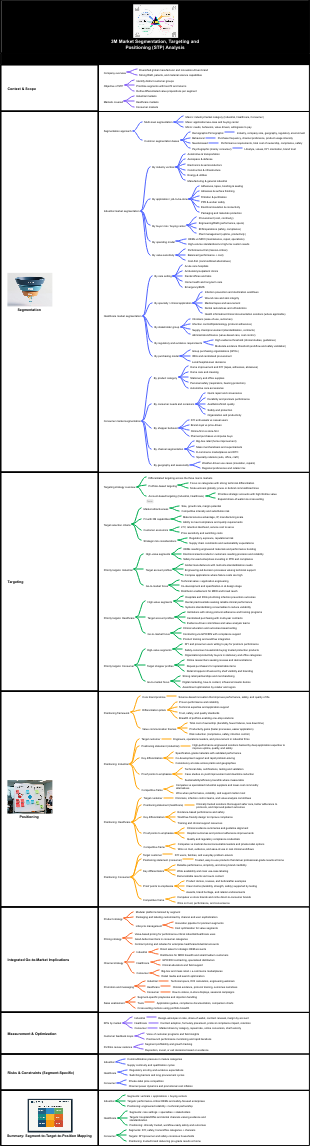
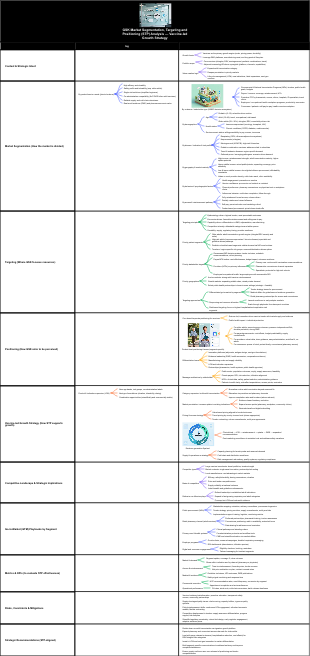
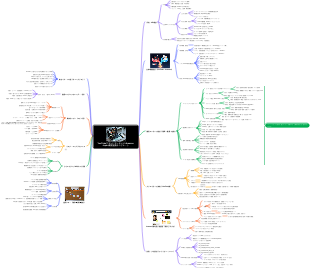
This analysis explores Bayer’s market segmentation, targeting, and positioning (STP) across pharmaceuticals, consumer health, and crop science. Pharmaceuticals: Value chain: discovery, clinical trials, regulatory, commercialization, lifecycle management. Demand drivers: disease prevalence (cardiovascular, ophthalmology, women’s health), unmet need, biomarker identification. Customer types: prescribers (cardiologists, ophthalmologists), payers (Medicare, PBMs), patients. Needs: efficacy, safety, convenience, affordability. Segments: cardiology (Xarelto), ophthalmology (Eylea), women’s health, rare diseases. Stakeholder ecosystem: physicians, hospitals, pharmacies, PBMs. Consumer Health: Value chain: OTC R&D, regulatory (labeling, switches), brand management, retail distribution. Demand drivers: self-care trends, aging, wellness. Shopper behavior: brand loyalty (Aspirin, Claritin), price sensitivity, channel (pharmacy, e-commerce). Demographics: age (adults, seniors), health conditions (allergy, pain, digestive). Crop Science: Value chain: biotechnology, chemistry, seed production, regulatory (EPA), commercial. Demand drivers: food security, climate resilience, yield improvement. Customer types: farmers (row crops, specialty), distributors, ag retailers. Needs: yield, pest resistance, weed control, sustainability. Geographic: North America (corn, soy), Latin America (soy, sugar), Europe (wheat, canola), Asia (rice). Targeting: pharma (cardiovascular, ophthalmology), consumer (self-care), crop (row crops). Positioning: Bayer offers science-driven solutions for health and nutrition, balancing innovation, access, and sustainability.
Edited at 2026-03-25 15:01:00Diese Vorlage ist ein umfassendes Managementtool für die systematische Planung und Umsetzung von Projektrisikomanagement, entwickelt für Projektmanager, Risikomanager und PMO. Sie kombiniert eine Risiko-Heatmap zur visuellen Klassifizierung von Risiken nach Wahrscheinlichkeit und Impact, mit klar definierten Risikostufen von Low bis Kritisch, sowie die vier zentralen Risikobehandlungsstrategien Avoid, Transfer, Mitigate und Accept, um eine strukturierte Risikobewertung und -steuerung zu gewährleisten. Ergänzt werden die Module durch Felder zur Festlegung von Version, Projekt/Paket und Zeitraum, um die kontinuierliche Überwachung und Anpassung der Risikostrategie zu ermöglichen. Die Vorlage standardisiert das Projektrisikomanagement, minimiert Projekt-Risiken durch unzureichende Risikosteuerung und unterstützt eine nachhaltige Projektstabilität, wobei sie flexibel anpassbar für Projekte jeder Größe und Branchen ist.

Diese Vorlage ist ein umfassendes Managementtool für die systematische Kontrolle und Analyse von Projektumfang, entwickelt für Projektmanager, PMO und Scope Manager. Sie gliedert das gesamte Umfangsmanagement in zwei zentrale Module, beginnend mit WBS Umfangsabschlüsselung zur hierarchischen Strukturierung des Projektumfangs in Lieferbare und zugehörige Arbeitspakete, um eine transparente und nachvollziehbare Projektstruktur zu schaffen, gefolgt von Geltungsbereichsgrenze / Ausschlüsse zur Definition von im Geltungsbereich befindlichen und ausgeschlossenen Inhalten, Annahmen, Einschränkungen sowie Schnittstellen und Abhängigkeiten, um Scope Creep und unkontrollierte Projektveränderungen zu verhindern. Ergänzt werden die Module durch Felder zur Festlegung von Version, Projekt und Ausgangsdatum, um die kontinuierliche Überwachung und Anpassung des Projektumfangs zu gewährleisten. Die Vorlage standardisiert das Umfangsmanagement, maximiert die Projekttransparenz und minimiert Risiken durch unzureichende Umfangssteuerung, wobei sie flexibel anpassbar für Projekte jeder Größe und Branchen ist.
Diese Vorlage ist ein umfassendes Managementtool für die systematische Planung und Umsetzung von Beschaffungs- und Vertragsmanagement in Projekten, entwickelt für Einkaufsmanager, Projektmanager und Vertragsmanager. Sie gliedert das gesamte Beschaffungsmanagement in zwei zentrale Module, beginnend mit End-to-End Phasenfluss zur strukturierten Abbildung des gesamten Beschaffungsprozesses von Lieferanten Sourcing über Präqualifizierung, Verhandlungen, Vertragsausarbeitung, Änderungskontrolle bis hin zu Akzeptanz und Closeout, um eine transparente und nachvollziehbare Beschaffungsabwicklung zu gewährleisten, gefolgt von Risiko- und Compliance-Checkpoints zur Festlegung von zentralen Prüfpunkten wie genehmigte Lieferantenliste, Kapazitätsprüfung, Umfangsklärungstor, Genehmigung von Variationsbestellung und Schließung der Punch List, um Beschaffungsrisiken und Compliance-Verstöße zu minimieren. Ergänzt werden die Module durch Felder zur Festlegung von Version, Paket/Umfang und Zeitraum, um die kontinuierliche Überwachung und Optimierung der Beschaffungsstrategie zu ermöglichen. Die Vorlage standardisiert das Beschaffungs- und Vertragsmanagement, maximiert die Lieferantenzusammenarbeit und minimiert Beschaffungsrisiken, wobei sie flexibel anpassbar für Unternehmen jeder Größe und Branchen ist.
Diese Vorlage ist ein umfassendes Managementtool für die systematische Planung und Umsetzung von Projektrisikomanagement, entwickelt für Projektmanager, Risikomanager und PMO. Sie kombiniert eine Risiko-Heatmap zur visuellen Klassifizierung von Risiken nach Wahrscheinlichkeit und Impact, mit klar definierten Risikostufen von Low bis Kritisch, sowie die vier zentralen Risikobehandlungsstrategien Avoid, Transfer, Mitigate und Accept, um eine strukturierte Risikobewertung und -steuerung zu gewährleisten. Ergänzt werden die Module durch Felder zur Festlegung von Version, Projekt/Paket und Zeitraum, um die kontinuierliche Überwachung und Anpassung der Risikostrategie zu ermöglichen. Die Vorlage standardisiert das Projektrisikomanagement, minimiert Projekt-Risiken durch unzureichende Risikosteuerung und unterstützt eine nachhaltige Projektstabilität, wobei sie flexibel anpassbar für Projekte jeder Größe und Branchen ist.
Diese Vorlage ist ein umfassendes Managementtool für die systematische Kontrolle und Analyse von Projektumfang, entwickelt für Projektmanager, PMO und Scope Manager. Sie gliedert das gesamte Umfangsmanagement in zwei zentrale Module, beginnend mit WBS Umfangsabschlüsselung zur hierarchischen Strukturierung des Projektumfangs in Lieferbare und zugehörige Arbeitspakete, um eine transparente und nachvollziehbare Projektstruktur zu schaffen, gefolgt von Geltungsbereichsgrenze / Ausschlüsse zur Definition von im Geltungsbereich befindlichen und ausgeschlossenen Inhalten, Annahmen, Einschränkungen sowie Schnittstellen und Abhängigkeiten, um Scope Creep und unkontrollierte Projektveränderungen zu verhindern. Ergänzt werden die Module durch Felder zur Festlegung von Version, Projekt und Ausgangsdatum, um die kontinuierliche Überwachung und Anpassung des Projektumfangs zu gewährleisten. Die Vorlage standardisiert das Umfangsmanagement, maximiert die Projekttransparenz und minimiert Risiken durch unzureichende Umfangssteuerung, wobei sie flexibel anpassbar für Projekte jeder Größe und Branchen ist.
Diese Vorlage ist ein umfassendes Managementtool für die systematische Planung und Umsetzung von Beschaffungs- und Vertragsmanagement in Projekten, entwickelt für Einkaufsmanager, Projektmanager und Vertragsmanager. Sie gliedert das gesamte Beschaffungsmanagement in zwei zentrale Module, beginnend mit End-to-End Phasenfluss zur strukturierten Abbildung des gesamten Beschaffungsprozesses von Lieferanten Sourcing über Präqualifizierung, Verhandlungen, Vertragsausarbeitung, Änderungskontrolle bis hin zu Akzeptanz und Closeout, um eine transparente und nachvollziehbare Beschaffungsabwicklung zu gewährleisten, gefolgt von Risiko- und Compliance-Checkpoints zur Festlegung von zentralen Prüfpunkten wie genehmigte Lieferantenliste, Kapazitätsprüfung, Umfangsklärungstor, Genehmigung von Variationsbestellung und Schließung der Punch List, um Beschaffungsrisiken und Compliance-Verstöße zu minimieren. Ergänzt werden die Module durch Felder zur Festlegung von Version, Paket/Umfang und Zeitraum, um die kontinuierliche Überwachung und Optimierung der Beschaffungsstrategie zu ermöglichen. Die Vorlage standardisiert das Beschaffungs- und Vertragsmanagement, maximiert die Lieferantenzusammenarbeit und minimiert Beschaffungsrisiken, wobei sie flexibel anpassbar für Unternehmen jeder Größe und Branchen ist.
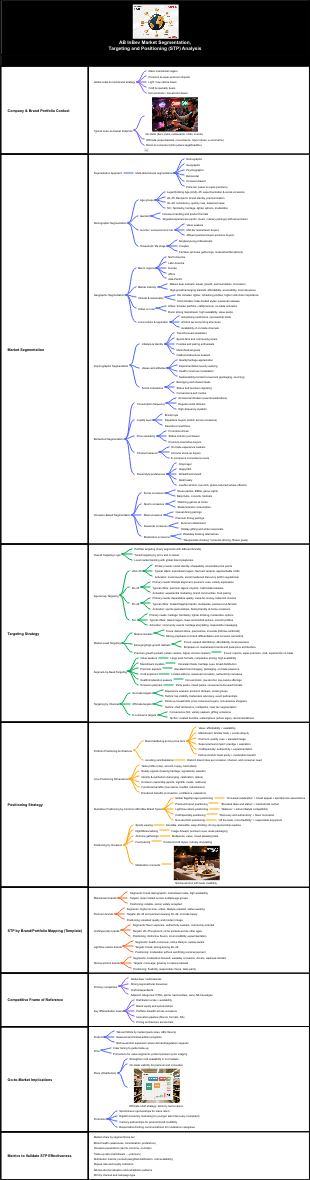
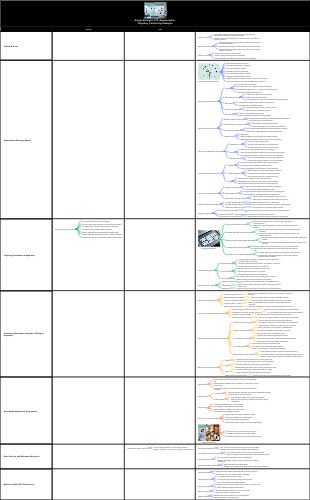
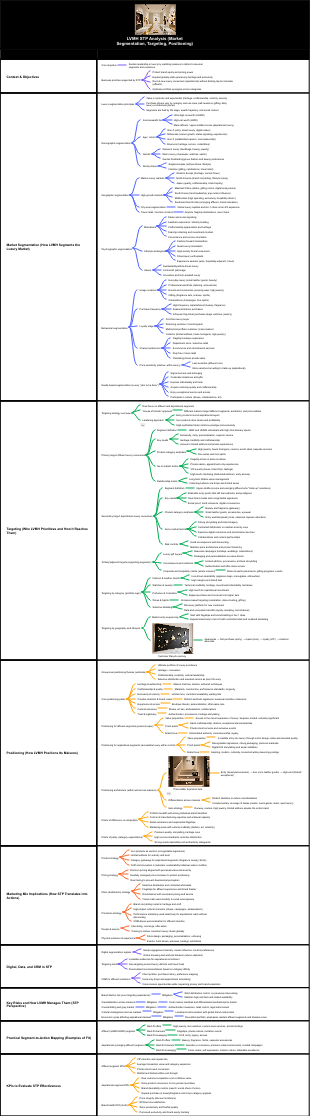
Bayer Market Segmentation, Targeting and Positioning (STP) Analysis
Purpose & Scope
Analyze diversified life sciences portfolio across
Pharmaceuticals
Consumer Health
Crop Science
Link STP to
Growth strategy
Innovation pipeline
Go-to-market execution
Brand and reputation management
Portfolio Overview (Diversified Life Sciences)
Pharmaceuticals
Focus areas
Cardiovascular & renal
Oncology
Women’s health
Radiology/Imaging (where applicable)
Value chain characteristics
R&D-intensive, regulated approvals
Specialist-driven prescribing
Payer/HTA influence
Consumer Health
Focus areas
Pain relief
Allergy/cold/flu
Digestive health
Dermatology and wellness (market-dependent)
Value chain characteristics
Brand building, retail distribution, e-commerce
Consumer trust and transparency critical
Crop Science
Focus areas
Seeds & traits
Crop protection (herbicides, fungicides, insecticides)
Digital farming solutions
Value chain characteristics
Seasonal demand, channel partners (dealers/co-ops)
Regulatory and sustainability scrutiny
Three businesses with distinct demand drivers and decision makers—clinical access (Pharma), brand-led consumption (Consumer), and seasonal/regulatory agronomy (Crop).
Market Segmentation
Segmentation Principles
Multi-level segmentation by
Customer type (B2B/B2C/B2B2C)
Needs and outcomes sought
Behavior and usage context
Value sensitivity and willingness-to-pay
Access/coverage constraints (healthcare) or regulatory/agronomic constraints (ag)
Cross-cutting lenses
Geography (mature vs emerging markets)
Lifecycle stage (launch, growth, maturity, LOE/patent expiry)
Risk perception (health/safety, environmental impact)
Digital adoption level
Pharmaceuticals: Key Segments
Patient/Indication-based segments
High unmet need / severe disease segments
Chronic disease management segments
Specialty vs primary-care conditions
Stakeholder segments (decision ecosystem)
Patients/caregivers
Adherence challenges, support needs
Health literacy and access barriers
Prescribers
Specialists (high influence, guideline-driven)
Primary care (volume-driven, simplicity)
Payers/HTA bodies
Value-based evidence requirements
Budget impact sensitivity
Providers/health systems
Pathway standardization, outcomes tracking
Behavioral/needs segments
Efficacy-first vs safety/tolerability-first
Convenience-oriented (oral vs injectable, dosing frequency)
Comorbidity-complex patients vs straightforward cases
Geographic segments
US (commercial + Medicare, heavy payer negotiation)
EU (HTA-driven, price referencing)
Emerging markets (access programs, tendering)
Consumer Health: Key Segments
Consumer need-state segments
Acute symptom relief (fast-acting)
Preventive/wellness (maintenance, immunity)
Chronic OTC management (recurring purchase)
Shopper segments
Pharmacy-led shoppers (trust pharmacist recommendations)
Mass retail value seekers
E-commerce convenience seekers
Natural/clean-label preference seekers
Demographic/psychographic segments
Families with children
Active adults (performance/energy focus)
Aging consumers (joint, sleep, digestion)
Health-conscious skeptics (ingredient transparency)
Behavioral segments
Brand loyalists vs deal-switchers
Self-diagnosers vs advice-seekers
Crop Science: Key Segments
Farm type segments
Large-scale commercial farms
Mid-size mixed operations
Smallholders (especially in emerging markets)
Crop segments
Row crops (corn, soybean, cotton)
Cereals (wheat, barley)
Specialty crops (fruits, vegetables, vineyards)
Need-based segments
Yield maximizers (performance priority)
Cost managers (ROI, input optimization)
Resistance management focused growers
Sustainability-oriented growers (reduced residues, regenerative practices)
Channel/customer segments
Distributors/retailers (inventory, promotions, credit terms)
Agronomists/advisors (influence on product choice)
Food value chain buyers (spec-driven sustainability requirements)
Digital maturity segments
Digitally advanced precision ag adopters
Experimenters (pilot-ready)
Low-tech segments (service-led adoption)
Targeting Strategy
Targeting Criteria (Across Divisions)
Market attractiveness
Size, growth, profitability
Competitive intensity and differentiation potential
Regulatory feasibility and time-to-market
Strategic fit
Alignment with Bayer science platforms and pipeline
Synergy with existing channels and partnerships
Access and scalability
Reimbursement/coverage potential (pharma)
Retail shelf/e-comm reach (consumer)
Distribution and service network (crop)
Risk profile
Reputation and ESG exposure
Litigation, regulatory scrutiny, safety signals
Pharmaceuticals: Priority Targets
Specialty indications with strong clinical differentiation
Clear patient outcome improvements
Guideline inclusion potential
Health systems and integrated delivery networks
Pathway adoption and formulary access
Outcomes-based contracting opportunities
Payer segments receptive to value demonstration
Real-world evidence (RWE) partnerships
Budget impact mitigations
Patient segments needing support
Adherence programs
Affordability and access solutions
Consumer Health: Priority Targets
High-frequency categories with strong brand equity potential
Pain, allergy, digestive (market-dependent)
Digital-first shoppers
Direct-to-consumer initiatives where feasible
Subscription/replenishment models
Pharmacy-recommended segments
Medical credibility positioning
Pharmacist engagement programs
Crop Science: Priority Targets
High-acreage growers and strategic regions
Significant share-of-wallet opportunity
Growers facing resistance and climate stress
Integrated solutions (chemistry + traits + digital)
Sustainability-driven value chains
Partnerships with food companies and certifiers
Digitally mature farms for platform scaling
Data-driven agronomy and decision tools
Positioning Strategy (How Bayer Competes)
Corporate/Portfolio-Level Positioning
Science-driven life sciences leader delivering
Better health outcomes (patients/consumers)
Better yields and farm resilience (growers)
Differentiation pillars
Deep R&D and innovation pipeline
End-to-end solutions (product + services + data)
Quality, safety, and regulatory excellence
Sustainability and responsible innovation commitments
Pharmaceuticals: Positioning Themes
Clinical leadership
Superior efficacy and/or safety profile vs standard of care
Strong evidence base (RCT + RWE)
Patient-centric access and support
Education, adherence, affordability assistance
Partner-of-choice for health systems
Outcomes measurement and pathway integration
Trust and compliance
Transparent communication of benefits/risks
Consumer Health: Positioning Themes
Trusted, science-backed self-care brands
Clear claims substantiated by evidence
Convenience and accessibility
Omnichannel availability (pharmacy, retail, e-commerce)
Transparency and responsible ingredients
Packaging, sourcing, and labeling clarity
Brand architecture approach
Masterbrand endorsement vs strong independent brands
Category leadership through clear reason to believe
Crop Science: Positioning Themes
Integrated farming solutions
Seeds/traits + crop protection + digital agronomy
Performance + sustainability balance
Yield and profitability with reduced environmental footprint
Stewardship and resistance management leadership
Education, best practices, product rotation guidance
Trusted partner in farm decision-making
Local agronomy support and advisory ecosystems
Differentiation by Segment (Messaging & Value Propositions)
High-level value proposition matrix
Performance-led segments
Emphasize efficacy/yield, speed, reliability
Proof points: trials, demos, comparative studies
Value-led segments
Emphasize total cost of ownership, ROI, affordability
Proof points: pharmacoeconomics, farm budgets, promotions
Convenience-led segments
Emphasize simplicity, dosing regimen, easy application
Proof points: usability studies, time savings
Sustainability/trust-led segments
Emphasize stewardship, transparency, ESG outcomes
Proof points: certifications, LCA, residue/reduction metrics
Tailored messaging by division
Pharma
Clinicians: guidelines, endpoints, comparative data
Payers: value dossier, budget impact, outcomes contracts
Patients: quality of life, adherence support, access
Consumer Health
Consumers: fast relief, trusted science, clean labeling
Pharmacists: recommendations, clinical substantiation
Retailers: category growth, trade terms, shopper insights
Crop Science
Growers: yield/ROI, resilience, integrated plans
Advisors: technical specs, stewardship programs
Supply chain buyers: sustainability metrics, compliance
Go-to-Market Implications
Channel Strategy
Pharmaceuticals
Key account management for health systems
Specialist sales force deployment
Medical affairs and scientific exchange
Consumer Health
Retail partnerships and merchandising
E-commerce optimization (search, reviews, subscriptions)
Pharmacy engagement programs
Crop Science
Distributor/dealer enablement
Field agronomy teams and demos
Digital platform onboarding and support
Pricing & Access
Pharma
Differential pricing by market/access constraints
Value-based contracts and RWE commitments
Patient assistance and co-pay programs (where allowed)
Consumer Health
Good-better-best portfolios
Promotions, bundles, and seasonal pricing
Crop Science
Outcome/acre-based value selling
Rebates, financing/credit via channel partners
Product & Innovation
Portfolio shaping
Prioritize innovations that reinforce positioning pillars
Lifecycle management
Line extensions, new formulations, combination offerings
Digital integration
Data capture, personalization, decision support
Competitive Context (Positioning vs Alternatives)
Pharmaceuticals
Compete on
Differentiated clinical profile
Evidence generation speed and depth
Access strategy sophistication
Consumer Health
Compete on
Brand trust and awareness
Shelf presence and digital discoverability
Claims substantiation and transparency
Crop Science
Compete on
Integrated solution breadth
Local agronomy support
Stewardship credibility and sustainability outcomes
Risks, Constraints, and Mitigations
Regulatory and compliance
Marketing claims substantiation
Pharmacovigilance and safety monitoring
Agrochemical approvals and regional restrictions
Reputation and ESG
Transparency in risk communication
Sustainable product development and stewardship
Stakeholder engagement (communities, NGOs, policymakers)
Market dynamics
Patent cliffs and generic/biosimilar competition (pharma)
Private label pressure (consumer)
Commodity price cycles and climate variability (crop)
Mitigation actions
Strengthen evidence generation (clinical, RWE, agronomic data)
Proactive stewardship and education programs
Diversify channels and geographies
Scenario planning and crisis readiness
Metrics & KPIs (Measuring STP Effectiveness)
Portfolio-level KPIs
Revenue growth by division and geography
Margin and mix improvement
Brand trust/reputation indices
Sustainability metrics (emissions, residues, stewardship adoption)
Pharmaceuticals
Market share by indication
Formulary wins and access levels
HCP adoption, guideline inclusion
Patient adherence and persistence
Consumer Health
Household penetration and repeat rate
Share of shelf / share of search
Conversion and subscription retention (e-commerce)
NPS and review ratings
Crop Science
Acres treated/planted
Share-of-wallet per farm
Digital platform active users and retention
Resistance management adoption and performance outcomes
Strategic Recommendations (Synthesis)
Strengthen integrated solutions narrative across divisions
Consistent science-led, trust-led brand story
Invest in evidence and outcomes proof
Pharma: RWE + HEOR
Crop: on-farm trials + sustainability reporting
Consumer: claims substantiation + transparency
Segment-specific execution
Prioritize high-value, high-fit targets per division
Tailor messaging, channels, and pricing by segment
Build resilience and trust
Proactive ESG, stewardship, and compliance excellence
Crisis communication preparedness and stakeholder engagement