MindMap Gallery Leonardo SWOT Analysis
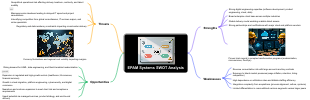
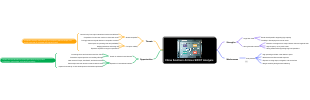
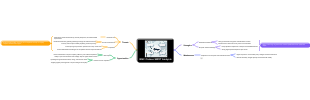
Discover the strategic landscape of Leonardo through a comprehensive SWOT analysis that highlights its strengths, weaknesses, opportunities, and threats. Leonardo showcases technological leadership with robust R&D and diverse product offerings in defense, aerospace, and security. However, its high reliance on government contracts poses risks due to fluctuating public procurement cycles. Opportunities abound in the growing international defense market and civil aerospace sectors, alongside advancements in space technologies. Conversely, the company faces challenges from shifting policies, geopolitical uncertainties, and intensified competition from global players. This analysis provides insights into how Leonardo can navigate external pressures while capitalizing on emerging market trends. Join us in exploring these key factors shaping the future of this industry leader.
Edited at 2026-03-25 14:43:08中国のDouyin(抖音)ECサイトにおけるユーザープロファイル分析を深掘りします。本分析では、ユーザー属性を年齢層(Z世代、ミレニアル世代、中壮年層、シルバー層)や都市ランクに基づいて層別化し、消費能力と購買行動を多角的に考察します。興味タグや関心事(美容、グルメ、テクノロジー、ライフスタイル)を明らかにし、ユーザーのアクティブ時間帯や購買動機を分析します。また、コンテンツ嗜好やスタイル、コンバージョンパス、短動画の企画方向性についても詳述し、効果的なマーケティング戦略を探ります

天猫美妆の「価格が高い」という異議に対処し、商品の価値を再構築するための戦略をご紹介します。まず、顧客の心理的障壁を取り除くために、価格への共感とフレーミングを行います。次に、商品の機能的価値と情緒的価値を最大化し、具体的な効果を可視化します。プロモーションによるお得感を強調し、会員特典や期間限定の希少性も活用します。最後に、リスクを払拭し、購入の緊急性を促すことで成約を促進します。このアプローチにより、顧客は価格以上の価値を実感できるでしょう
淘宝(Taobao)の検索流量転化漏斗分析では、効果的なマーケティング戦略を探るための重要なステージを紹介します。まず、検索露出ステージでは、キーワードマッチングやユーザー属性タグの最適化が鍵となります。次に、クリックスルーステージでは、視覚的な要素や価格戦略がクリック率に影響します。続いて、検討・関心ステージでは、商品詳細ページの説得力やユーザーレビューが重要です。最終的なコンバージョンステージでは、決済プロセスの心理的障壁を取り除く工夫が求められます。また、最適化ノードとフィードバック構造により、データ分析を活用した継続的な改善が可能です
中国のDouyin(抖音)ECサイトにおけるユーザープロファイル分析を深掘りします。本分析では、ユーザー属性を年齢層(Z世代、ミレニアル世代、中壮年層、シルバー層)や都市ランクに基づいて層別化し、消費能力と購買行動を多角的に考察します。興味タグや関心事(美容、グルメ、テクノロジー、ライフスタイル)を明らかにし、ユーザーのアクティブ時間帯や購買動機を分析します。また、コンテンツ嗜好やスタイル、コンバージョンパス、短動画の企画方向性についても詳述し、効果的なマーケティング戦略を探ります
天猫美妆の「価格が高い」という異議に対処し、商品の価値を再構築するための戦略をご紹介します。まず、顧客の心理的障壁を取り除くために、価格への共感とフレーミングを行います。次に、商品の機能的価値と情緒的価値を最大化し、具体的な効果を可視化します。プロモーションによるお得感を強調し、会員特典や期間限定の希少性も活用します。最後に、リスクを払拭し、購入の緊急性を促すことで成約を促進します。このアプローチにより、顧客は価格以上の価値を実感できるでしょう
淘宝(Taobao)の検索流量転化漏斗分析では、効果的なマーケティング戦略を探るための重要なステージを紹介します。まず、検索露出ステージでは、キーワードマッチングやユーザー属性タグの最適化が鍵となります。次に、クリックスルーステージでは、視覚的な要素や価格戦略がクリック率に影響します。続いて、検討・関心ステージでは、商品詳細ページの説得力やユーザーレビューが重要です。最終的なコンバージョンステージでは、決済プロセスの心理的障壁を取り除く工夫が求められます。また、最適化ノードとフィードバック構造により、データ分析を活用した継続的な改善が可能です
Lukoil SWOT Analysis
Overview
Company profile
One of Russia’s largest integrated oil & gas companies
Activities across upstream (E&P), midstream (trading/logistics), downstream (refining/marketing), petrochemicals, power
Core emphasis of this SWOT
Identifies reserve strengths
Highlights global market volatility risks
Strengths
Reserve base and upstream capabilities (reserve strengths)
Large hydrocarbon reserves supporting production continuity
Diversified resource types and field maturity mix (legacy + new developments)
Strong geological/engineering expertise in complex reservoir development
Established reserve replacement practices through exploration and acquisitions/partnerships
Integration between reserves, production planning, and refining supply optimization
Integrated business model
Vertical integration reduces exposure to single-segment margin cycles
Refining and marketing can partially offset upstream earnings swings
Trading/logistics capabilities improve crude/product placement flexibility
Asset footprint and operational scale
Large-scale production base enabling economies of scale
Broad set of producing assets and projects to balance operational disruptions
Experience operating in diverse environments and regulatory contexts
Downstream and retail presence
Refinery capacity and product slate enabling value capture beyond crude
Retail fuel station networks (where applicable) providing end-market access
Brand recognition in key markets improving customer retention
Cash generation potential (cycle-dependent)
Ability to generate strong cash flows during favorable commodity cycles
Potential for disciplined capital allocation across upstream/downstream
Technical and project execution capabilities
In-house competencies in drilling, field development, production optimization
Project management experience across multi-year, capital-intensive developments
Supply chain and logistics advantages
Established transportation and storage arrangements
Regional infrastructure familiarity enabling cost and timing advantages
Weaknesses
High exposure to hydrocarbon price cycles
Revenue and cash flows heavily dependent on crude oil and refined product prices
Profitability sensitive to crack spreads, crude differentials, and export prices
Geographic and geopolitical concentration risks
Significant asset base tied to Russia and nearby regions
Concentrated regulatory, fiscal, and infrastructure dependencies
Sanctions and compliance constraints (where applicable)
Reduced access to certain technologies, services, and capital markets
Limits on partnerships, financing structures, and project timelines
Capital intensity and long payback periods
Upstream developments require large, sustained capex
Downstream maintenance and upgrades add to ongoing capital needs
Aging infrastructure and mature fields (typical for large incumbents)
Higher decline rates in mature assets can increase lifting costs
Additional spending required for enhanced recovery and maintenance
Currency and funding structure sensitivities
Mismatch risks between revenue currencies and cost/financing currencies
Refinancing risks if market access is restricted or risk premia rise
ESG and perception challenges
Higher scrutiny from investors and customers regarding climate and governance
Potential reduced access to ESG-focused capital
Opportunities
Reserve and resource development (building on reserve strengths)
Further exploration to expand and upgrade reserves
Enhanced oil recovery (EOR) to improve recovery factors in mature fields
Brownfield optimization to extend field life and reduce unit costs
Selective acquisitions or asset swaps to improve portfolio quality
Downstream optimization and margin capture
Refinery modernization to increase yield of high-value products
Petrochemical integration to diversify away from pure fuels margins
Efficiency upgrades to reduce energy use and operating costs
Market diversification and export rebalancing
Expanding customer base in growing demand regions
Developing new logistics routes and product placement strategies
Increasing flexibility in crude/product trading to exploit arbitrage
Natural gas and lower-carbon pathways
Expanding gas production/marketing to balance oil price volatility
Methane reduction, flaring reduction, and operational decarbonization
Select investments in renewables/power, biofuels, or low-carbon fuels where strategic
Digitalization and technology deployment
Advanced analytics for production optimization and predictive maintenance
Automation to improve safety, uptime, and cost control
Improved reservoir modeling to raise recovery and reduce drilling risk
Domestic and regional demand resilience (where relevant)
Capturing stable base demand through retail networks and industrial customers
Long-term supply contracts to reduce spot-market exposure
Threats
Global market volatility risks (primary focus)
Oil price shocks driven by
Global recessions and demand destruction
OPEC+ policy shifts and supply coordination changes
Non-OPEC supply growth and inventory cycles
Rapid shifts in market sentiment and speculative flows
Refined product margin volatility driven by
Crack spread swings and refinery capacity cycles
Seasonal demand patterns and freight rate spikes
Sudden regulatory changes affecting fuel specifications
Differential and logistics volatility
Regional price differentials widening due to bottlenecks or route disruptions
Shipping constraints and insurance/freight cost spikes
Geopolitical and sanctions escalation
Expanded restrictions on exports, technology access, and financing
Counterparty risk and contract enforceability issues
Asset impairments or forced divestments in certain jurisdictions
Regulatory and fiscal risks
Changes in export duties, mineral extraction taxes, price caps, or windfall taxes
Increased domestic price controls impacting downstream profitability
Environmental regulations increasing compliance and capex burdens
Energy transition and demand erosion
Long-term decline in gasoline/diesel demand from EV adoption and efficiency
Accelerating shift away from oil in power/industry in some markets
Risk of stranded assets or reduced reserve monetization
Operational and project execution risks
Cost inflation for rigs, steel, services, and labor
Delays due to equipment availability or import restrictions
Reservoir performance uncertainty and decline rate surprises
Environmental and climate-related risks
Spill incidents, remediation costs, and reputational harm
Physical climate impacts (extreme weather) disrupting operations and logistics
Higher carbon costs or mandatory emissions reductions
Competitive pressures
Global majors and NOCs competing for market access and trading opportunities
Domestic competition for skilled labor, services, and infrastructure capacity
Strategic implications (linking strengths to volatility mitigation)
Leverage reserve strengths
Prioritize high-return, short-cycle projects to reduce payback risk in volatile markets
Enhance recovery and optimize mature fields to stabilize base production
Maintain disciplined reserve replacement focused on economics, not only volume
Reduce exposure to price volatility
Increase downstream flexibility and product mix optimization
Expand long-term offtake and diversified customer portfolios
Strengthen trading and logistics to respond quickly to regional dislocations
Build resilience under geopolitical constraints
Develop alternative supply chains and technology pathways where feasible
Diversify financing sources and manage currency/interest-rate risk
Align with energy transition realities
Operational decarbonization to maintain market access and reduce cost of capital
Selective diversification into gas, petrochemicals, and lower-carbon businesses