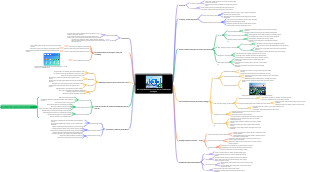
MindMap Gallery Eni Mission and Vision Statement Analysis
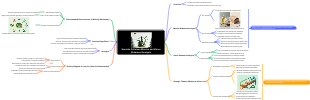
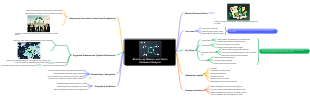
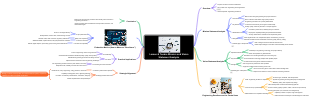
Explore Eni's commitment to a sustainable energy future through its comprehensive mission and vision statement analysis. This analysis delves into Eni's role in the energy transition, highlighting core themes of sustainability and development. It outlines Eni's mission to support the shift to lower-carbon solutions while delivering reliable energy access and fostering social progress. The vision emphasizes Eni's aspiration to lead in a decarbonized economy, focusing on innovation and responsible leadership. Key aspects include operational decarbonization, partnerships for renewable growth, and clear transition pathways with measurable targets. Join us in understanding how Eni aims to balance profitability with environmental stewardship for a better tomorrow.
Edited at 2026-03-25 14:43:18This strategic SWOT analysis explores how Aeon can navigate the competitive online landscape, highlighting strengths, weaknesses, opportunities, and threats. Strengths include strong brand recognition (trusted Japanese heritage, quality), omnichannel capabilities (stores + online + mall integration), customer loyalty programs (Aeon Card, points, member pricing), and physical footprint (extensive store network for pickup/returns). Weaknesses encompass digital maturity gaps (e-commerce penetration, app functionality, personalization vs. Amazon, Alibaba), cost structure challenges (store-heavy, real estate, labor), and supply chain complexity (fresh food, frozen logistics for online). Opportunities include enhancing e-commerce competitiveness (faster delivery, wider assortment, lower minimum order), leveraging data-driven strategies (purchase history, personalized offers, inventory optimization), expanding omnichannel integration (buy online pick up in store, ship from store), and private label growth (Topvalu, localized brands). Threats involve online-first players (Amazon, Alibaba, Sea Limited) with lower costs, wider selection, faster delivery, market dynamics (changing consumer behavior post-COVID, discount competitors), and regulatory risks (data privacy, cross-border e-commerce rules). Aeon can strengthen market position by investing in digital capabilities, leveraging store assets for omnichannel, and using customer data for personalization, while addressing cost structure and online competition.

This analysis explores how Aeon effectively tailors offerings to meet the diverse needs of family-oriented consumers through a comprehensive Segmentation, Targeting, and Positioning (STP) framework. Demographic segmentation examines family life stages (young families with babies, school-aged children, teenagers, empty nesters), household sizes (small vs. large), income levels (mass, premium), and parent age bands (millennials, Gen X). This identifies distinct consumer groups with different spending patterns. Geographic segmentation highlights store catchment types (urban, suburban, rural), community characteristics (density, income, competition), and local preferences (fresh food, halal, Japanese products). Psychographic segmentation delves into family values (health, safety, education, convenience), lifestyle orientations (busy professionals, home-centered, eco-conscious). Behavioral segmentation focuses on shopping missions (daily grocery, weekly stock-up, seasonal shopping), price sensitivity (value seekers, premium), channel preferences (in-store, online, pickup). Needs-based segmentation reveals core family needs related to value (good-better-best pricing), budget considerations (affordability, promotions, member pricing), safety (food quality, product recall), convenience (one-stop shopping, parking, store hours). Targeting prioritizes young families with school-aged children, budget-conscious households, and convenience-seeking shoppers. Positioning emphasizes Aeon as a family-friendly, value-for-money, one-stop destination with Japanese quality and local relevance. These insights enhance family shopping experiences through tailored assortments (kids’ products, school supplies), promotions (family bundles, weekend events), and services (nursing rooms, kids’ play areas).
This Kream Sneaker Consumption Scene Analysis Template aims to visualize purchasing and consumption journeys of sneakers, identifying key demand drivers and obstacles. User behavior within Kream includes searching, bidding, buying, selling, authentication, and community engagement. External influences include brand drops (Nike, Adidas), social media (Instagram, TikTok), influencer hype, and cultural trends. Target categories: limited editions, collaborations, retro releases, performance sneakers, and general releases. Timeframes: launch day, first week, first month, long-term (seasonal, yearly). Regions: North America, Europe, Asia (Korea, China, Japan). User segments: Collectors: value rarity, condition, completeness (box, accessories). KPIs: collection size, spend, authentication rate. Resellers: value profit margin, volume, turnover. KPIs: sell-through rate, average profit, listing frequency. Sneakerheads: value hype, trends, community validation. KPIs: purchase frequency, social engagement, wishlist adds. Casual trend followers: value style, convenience, price. KPIs: conversion rate, average order value, repeat purchases. Gift purchasers: value ease, presentation, brand trust. KPIs: gift message usage, return rate. Consumption journey: Awareness: social media, email, push notifications. Search: browse, filter, search by brand, model, size. Purchase: bid, buy now, payment, shipping. Authentication: inspection, verification, certification. Resale: list, price, sell, transfer. Sharing: review, unboxing, social post, community discussion. Key performance indicators: conversion rate, sell-through rate, average order value, customer lifetime value, authentication pass rate, return rate, Net Promoter Score. This framework helps understand sneaker trading dynamics, user motivations, and touchpoints for engagement and satisfaction.
This strategic SWOT analysis explores how Aeon can navigate the competitive online landscape, highlighting strengths, weaknesses, opportunities, and threats. Strengths include strong brand recognition (trusted Japanese heritage, quality), omnichannel capabilities (stores + online + mall integration), customer loyalty programs (Aeon Card, points, member pricing), and physical footprint (extensive store network for pickup/returns). Weaknesses encompass digital maturity gaps (e-commerce penetration, app functionality, personalization vs. Amazon, Alibaba), cost structure challenges (store-heavy, real estate, labor), and supply chain complexity (fresh food, frozen logistics for online). Opportunities include enhancing e-commerce competitiveness (faster delivery, wider assortment, lower minimum order), leveraging data-driven strategies (purchase history, personalized offers, inventory optimization), expanding omnichannel integration (buy online pick up in store, ship from store), and private label growth (Topvalu, localized brands). Threats involve online-first players (Amazon, Alibaba, Sea Limited) with lower costs, wider selection, faster delivery, market dynamics (changing consumer behavior post-COVID, discount competitors), and regulatory risks (data privacy, cross-border e-commerce rules). Aeon can strengthen market position by investing in digital capabilities, leveraging store assets for omnichannel, and using customer data for personalization, while addressing cost structure and online competition.
This analysis explores how Aeon effectively tailors offerings to meet the diverse needs of family-oriented consumers through a comprehensive Segmentation, Targeting, and Positioning (STP) framework. Demographic segmentation examines family life stages (young families with babies, school-aged children, teenagers, empty nesters), household sizes (small vs. large), income levels (mass, premium), and parent age bands (millennials, Gen X). This identifies distinct consumer groups with different spending patterns. Geographic segmentation highlights store catchment types (urban, suburban, rural), community characteristics (density, income, competition), and local preferences (fresh food, halal, Japanese products). Psychographic segmentation delves into family values (health, safety, education, convenience), lifestyle orientations (busy professionals, home-centered, eco-conscious). Behavioral segmentation focuses on shopping missions (daily grocery, weekly stock-up, seasonal shopping), price sensitivity (value seekers, premium), channel preferences (in-store, online, pickup). Needs-based segmentation reveals core family needs related to value (good-better-best pricing), budget considerations (affordability, promotions, member pricing), safety (food quality, product recall), convenience (one-stop shopping, parking, store hours). Targeting prioritizes young families with school-aged children, budget-conscious households, and convenience-seeking shoppers. Positioning emphasizes Aeon as a family-friendly, value-for-money, one-stop destination with Japanese quality and local relevance. These insights enhance family shopping experiences through tailored assortments (kids’ products, school supplies), promotions (family bundles, weekend events), and services (nursing rooms, kids’ play areas).
This Kream Sneaker Consumption Scene Analysis Template aims to visualize purchasing and consumption journeys of sneakers, identifying key demand drivers and obstacles. User behavior within Kream includes searching, bidding, buying, selling, authentication, and community engagement. External influences include brand drops (Nike, Adidas), social media (Instagram, TikTok), influencer hype, and cultural trends. Target categories: limited editions, collaborations, retro releases, performance sneakers, and general releases. Timeframes: launch day, first week, first month, long-term (seasonal, yearly). Regions: North America, Europe, Asia (Korea, China, Japan). User segments: Collectors: value rarity, condition, completeness (box, accessories). KPIs: collection size, spend, authentication rate. Resellers: value profit margin, volume, turnover. KPIs: sell-through rate, average profit, listing frequency. Sneakerheads: value hype, trends, community validation. KPIs: purchase frequency, social engagement, wishlist adds. Casual trend followers: value style, convenience, price. KPIs: conversion rate, average order value, repeat purchases. Gift purchasers: value ease, presentation, brand trust. KPIs: gift message usage, return rate. Consumption journey: Awareness: social media, email, push notifications. Search: browse, filter, search by brand, model, size. Purchase: bid, buy now, payment, shipping. Authentication: inspection, verification, certification. Resale: list, price, sell, transfer. Sharing: review, unboxing, social post, community discussion. Key performance indicators: conversion rate, sell-through rate, average order value, customer lifetime value, authentication pass rate, return rate, Net Promoter Score. This framework helps understand sneaker trading dynamics, user motivations, and touchpoints for engagement and satisfaction.
Eni Mission and Vision Statement Analysis
Overview
Purpose of the analysis
Clarify how Eni frames its role in the energy transition
Identify sustainability and development themes and priorities
Core focus highlighted
Energy transition
Sustainable development
Mission Statement (What Eni exists to do)
Central intent
Support the shift from high-carbon energy systems to lower-carbon solutions
Deliver energy access while reducing environmental impact
Key mission pillars
Energy transition delivery
Decarbonization of operations and products
Expansion of low/zero-carbon energy offerings
Sustainable development orientation
Align energy production with environmental stewardship
Promote social and economic progress in host communities
Value creation
Balance profitability with long-term resilience
Create shared value for stakeholders
Primary stakeholders addressed
Customers
Reliable, affordable energy with progressively lower emissions
Communities and society
Development initiatives, local benefits, and social impact
Employees
Safety culture, skills transition, and innovation-driven work
Investors
Strategy for long-term returns under transition risks
Partners and institutions
Collaboration for technology, infrastructure, and policy alignment
Distinctive features in mission framing
Transition as a strategic imperative (not optional CSR)
Sustainability embedded in core business activities
Emphasis on practicality: energy security + emissions reduction
Vision Statement (What Eni aims to become)
Desired future position
A leading integrated energy company in a decarbonized economy
A contributor to a sustainable, inclusive energy future
Long-term aspirations
Net-zero/low-carbon trajectory
Reduced carbon intensity across the value chain
Alignment with climate goals and evolving regulations
Portfolio transformation
Greater share of renewables and low-carbon fuels
Innovation-led new businesses and services
Responsible leadership
High standards of governance, transparency, and accountability
Reputation for credible transition progress
Vision themes and signals
Transition leader narrative
Sustainability as competitiveness narrative
Inclusive development narrative
Energy Transition Emphasis (Core highlight)
Transition definition in the Eni context
Reduce emissions while maintaining energy supply reliability
Combine technological pathways rather than relying on a single solution
Strategic levers implied by transition focus
Operational decarbonization
Efficiency improvements
Methane and flaring reduction
Electrification and renewable power sourcing
Product/portfolio decarbonization
Renewables growth
Biofuels and low-carbon fuels
Gas as a transitional fuel (positioned as lower-carbon vs coal)
Technology and innovation
Carbon capture, utilization and storage (CCUS)
Hydrogen (especially low-carbon hydrogen)
Digital optimization for efficiency and emissions tracking
Partnerships and ecosystems
Joint ventures for renewables, infrastructure, and innovation
Collaboration with governments and local stakeholders
Transition credibility indicators (what to look for)
Clear interim targets and timelines
Capex alignment with low-carbon growth
Measurable Scope 1, 2, and 3 emissions strategy
Transparent reporting and third-party assurance
Transition pathways explained (diagram cue)
Sustainable Development Emphasis (Core highlight)
Sustainable development meaning in this framing
Meeting energy needs while protecting ecosystems and enabling social progress
Integrating ESG into strategy and operations
Environmental dimensions
Climate change mitigation
Emissions reductions and carbon intensity improvements
Biodiversity and land stewardship
Impact assessment and mitigation in project areas
Pollution prevention
Water, waste, and spill risk management
Social dimensions
Energy access and affordability
Reliable supply and infrastructure support
Community development
Local investment, education, and health initiatives
Human rights and social safeguards
Due diligence in supply chain and operations
Workforce transition
Reskilling and safety culture in new energy sectors
Economic dimensions
Long-term resilience
Adapting to policy, market, and technology shifts
Local economic participation
Local content, procurement, and capability building
Shared value creation
Balancing shareholder returns with societal benefits
Governance enablers
Clear accountability for sustainability outcomes
Ethical conduct and compliance
Transparent disclosure and stakeholder engagement
ESG is positioned as a practical operating system linking environmental protection, social license, and economic resilience.
Alignment Between Mission and Vision
Consistency check
Mission focuses on executing the transition now
Vision frames leadership position in the future low-carbon economy
Reinforcing elements
Transition actions support the long-term vision of sustainability leadership
Sustainable development supports license to operate and risk management
Potential tension points to manage
Legacy hydrocarbon operations vs transition commitments
Short-term profitability vs long-term transformation investments
Energy security demands vs decarbonization pace
Strategic Implications
Business model transformation
Shift from upstream dominance to broader integrated low-carbon portfolio
More emphasis on power, renewables, and low-carbon molecules
Capital allocation signals
Increasing share of investments into low-carbon projects
Selective optimization of legacy assets to fund transition
Competitive positioning
Differentiation via transition credibility and execution speed
Advantage through partnerships, technology, and scale
Risk management
Regulatory and carbon price exposure
Stranded asset risk and demand shifts
Reputation risk tied to perceived greenwashing
Evaluation Framework (How to assess the statements in practice)
Clarity and specificity
Are goals measurable (targets, dates, scopes)?
Are priorities ranked or broadly stated?
Feasibility and coherence
Do capabilities match ambitions (technology, talent, capital)?
Is the transition pathway internally consistent?
Stakeholder balance
Are community and environmental commitments actionable?
How are trade-offs communicated?
Accountability mechanisms
Governance structure for transition delivery
KPIs, incentives, and performance monitoring
Evidence of execution
Track record on emissions reductions
Progress in renewables capacity and low-carbon products
Independent verification and reporting quality
Strengths Commonly Reflected in This Framing
Positions transition as a core strategic mission
Connects sustainability with long-term value creation
Acknowledges societal role beyond energy supply
Supports a narrative of responsible, future-ready growth
Common Gaps/Risks to Watch For
Vague language without measurable commitments
Overreliance on offsets or future technologies without near-term actions
Limited treatment of Scope 3 emissions (customer use of products)
Insufficient detail on biodiversity, just transition, and social safeguards
Misalignment between stated priorities and actual spending/production plans
Conclusion (Synthesis)
Mission emphasizes executing the energy transition while maintaining reliable energy supply
Vision projects leadership in a sustainable, low-carbon future
Sustainable development is presented as integral to strategy, legitimacy, and long-term resilience