
MindMap Gallery BT Group Marketing Mix Analysis
Discover the strategic marketing approach of BT Group through a comprehensive analysis of their marketing mix. This analysis unfolds in five key stages 1. Product Portfolio Foundation: BT Group offers a diverse range of mobile, broadband, and digital services that cater to core connectivity needs and encourage cross-selling. 2. Pricing Structure and Value Positioning: They implement a varied pricing strategy that accommodates different customer segments through tiered plans and service bundling. 3. Channel Expansion and Optimization: The focus is on accessible online channels and retail presence to enhance customer convenience. 4. Promotion and Brand Messaging: BT Group emphasizes reliability and innovation in their marketing, aiming to build trust and future readiness. 5. Ongoing Iteration and Mix Alignment: Continuous improvements ensure their offerings align with customer expectations, reinforcing reliability and showcasing innovation.
Edited at 2026-03-25 14:47:26小紅書(RED)における「草もみ」から購買への転換パスを徹底分析しました。まず、コンテンツの露出や認知段階に焦点を当て、最適な露出チャネルやアルゴリズム推薦の重要性を探ります。続いて、ユーザーの関与を促進する要素や、コメントやQ&Aによる信頼構築について考察。購買段階では、シームレスな決済体験や主要決済手段との連携が鍵となります。最後に、購入後のUGC生成やハッシュタグキャンペーンによるブランド資産の構築についても触れます

Naver Shoppingの転換ファネル分析図は、顧客の購買プロセスを深く理解するための重要なツールです。まず、流入・集客フェーズでは、検索トラフィックやコンテンツディスカバリーを通じてユーザーを引き寄せます。次に、関心・検討フェーズでは、コンテンツとコマースの融合を活用し、情報比較を促進します。意思決定・転換フェーズでは、購入障壁の除去や決済の利便性を重視し、リピート購入を促進する保持・拡散フェーズでは、ユーザー生成コンテンツの循環を通じて新たな顧客を引き込む仕組みを構築しています
WooCommerceの転換パス最適化は、オンラインストアの成長を促進するための重要な戦略です。このプロセスは、集客からリテンションまでの各フェーズにおいて、効果的な施策を展開します。まず、集客・流入フェーズでは、SEOや有料広告を活用し、ランディングページの最適化を行います。次に、閲覧・検討フェーズでは、商品ページの改善と社会的証明を強調します。カート投入フェーズでは、放棄率を抑制し、決済・チェックアウトフェーズでは簡素化を図ります。購入完了後は、リテンション施策を通じて顧客を再度呼び戻し、データ分析を通じて継続的な改善を実施します
小紅書(RED)における「草もみ」から購買への転換パスを徹底分析しました。まず、コンテンツの露出や認知段階に焦点を当て、最適な露出チャネルやアルゴリズム推薦の重要性を探ります。続いて、ユーザーの関与を促進する要素や、コメントやQ&Aによる信頼構築について考察。購買段階では、シームレスな決済体験や主要決済手段との連携が鍵となります。最後に、購入後のUGC生成やハッシュタグキャンペーンによるブランド資産の構築についても触れます
Naver Shoppingの転換ファネル分析図は、顧客の購買プロセスを深く理解するための重要なツールです。まず、流入・集客フェーズでは、検索トラフィックやコンテンツディスカバリーを通じてユーザーを引き寄せます。次に、関心・検討フェーズでは、コンテンツとコマースの融合を活用し、情報比較を促進します。意思決定・転換フェーズでは、購入障壁の除去や決済の利便性を重視し、リピート購入を促進する保持・拡散フェーズでは、ユーザー生成コンテンツの循環を通じて新たな顧客を引き込む仕組みを構築しています
WooCommerceの転換パス最適化は、オンラインストアの成長を促進するための重要な戦略です。このプロセスは、集客からリテンションまでの各フェーズにおいて、効果的な施策を展開します。まず、集客・流入フェーズでは、SEOや有料広告を活用し、ランディングページの最適化を行います。次に、閲覧・検討フェーズでは、商品ページの改善と社会的証明を強調します。カート投入フェーズでは、放棄率を抑制し、決済・チェックアウトフェーズでは簡素化を図ります。購入完了後は、リテンション施策を通じて顧客を再度呼び戻し、データ分析を通じて継続的な改善を実施します
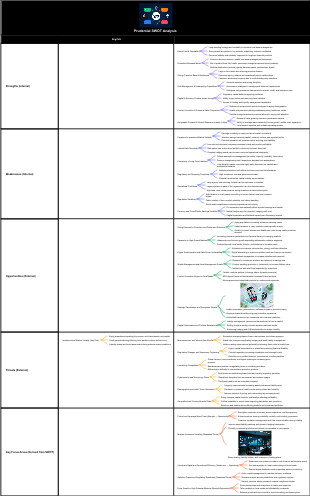
Generali PESTLE Analysis
Political
EU political stability & policymaking
Impact of EU-level directives and cross-border supervision
Divergent national priorities affecting implementation pace and interpretation
Public policy priorities affecting insurers
Pension reforms and shifting responsibility from state to private provision
Healthcare and aging-policy decisions influencing health and protection demand
Climate and disaster-response policy shaping catastrophe risk expectations
Geopolitical tensions & sanctions
Investment restrictions and compliance with sanctions regimes
Supply chain and energy-price volatility increasing operational costs
Government involvement in financial markets
Regulatory encouragement of long-term investment (e.g., infrastructure, green projects)
Potential pressure to support domestic sovereign debt markets
Policy and geopolitics shape demand, costs, and investment constraints while EU/national divergence complicates execution.
Economic
Interest rate environment (core focus)
Profitability and balance-sheet impacts
Higher rates can improve new-money yields and investment income over time
Immediate valuation impacts on bond portfolios and asset-liability management
Sensitivity of long-duration liabilities to discount rate movements
Product implications
Traditional life savings/guarantee products become more/less attractive depending on rates
Repricing of guarantees, participation rates, and credited rates
Policyholder behavior
Lapse and surrender risk changes as market yields rise or fall
Demand shifts toward unit-linked vs guaranteed products across rate cycles
Capital and solvency effects
Solvency ratio volatility from market risk modules and interest-rate shocks
Hedging costs and availability (swaps, options) under different rate regimes
Inflation and cost pressures
Claims inflation (medical, repair, legal) raising loss ratios in P&C lines
Wage inflation increasing acquisition and operating expenses
Macroeconomic growth and unemployment
Premium growth tied to disposable income and corporate activity
Credit risk rises in recessions (corporate bonds, mortgages, counterparties)
Market competition and pricing cycle
Soft/hard market dynamics in commercial lines and reinsurance costs
Competitive pressure on margins and commission levels
FX and cross-border exposure
Earnings translation effects and capital impacts for multi-country operations
Currency mismatches in assets vs liabilities where applicable
Social
Demographic shifts
Aging populations increasing demand for retirement, health, and long-term care solutions
Longevity risk affecting annuity pricing and reserving
Consumer trust and brand expectations
Reputation sensitivity after claims events and service failures
Demand for transparent fees, fair value, and straightforward products
Changing customer behavior
Preference for digital onboarding, instant service, and omni-channel support
Higher price sensitivity and comparison-shopping via aggregators
Workforce and talent
Need for actuarial, data science, cybersecurity, and compliance expertise
Hybrid work expectations and competition for specialized talent
ESG-driven customer preferences
Increased interest in sustainable investment-linked and “green” insurance offerings
Social expectations around claims handling fairness and inclusion
Technological
Digital transformation
End-to-end digitization of underwriting, policy issuance, and claims
Self-service portals, mobile apps, and chatbot/AI-assisted support
Data analytics and AI
Improved pricing, fraud detection, and risk segmentation
Use of alternative data (telematics, IoT) for more dynamic underwriting
Model risk governance and explainability requirements
Cybersecurity and resilience
Rising cyber threats to customer data and operational continuity
Investment in security controls, monitoring, and incident response
Insurtech partnerships and ecosystem models
Integrations with banks, retailers, mobility providers, and health platforms
APIs and modular products enabling embedded insurance
Legacy systems modernization
Migration from mainframes to cloud/hybrid architectures
Technical debt management and operational risk reduction
Legal
European insurance regulations (core focus)
Solvency II / Solvency framework evolution
Capital requirements for market, credit, underwriting, and operational risks
Own Risk and Solvency Assessment (ORSA) governance expectations
Reporting and disclosure obligations increasing compliance workload
Insurance Distribution Directive (IDD)
Product governance and oversight (POG) and target market definitions
Remuneration, inducements, and conflicts of interest controls
Training and competence requirements for intermediaries
Consumer protection and contract law
Unfair terms, transparency, and suitability/appropriateness standards
Claims dispute resolution mechanisms and litigation risk
Data protection (GDPR and national implementations)
Lawful basis for processing, consent management, and retention policies
Data subject rights and cross-border data transfer constraints
Anti-money laundering and financial crime (EU AML packages, local rules)
KYC, transaction monitoring, and beneficial ownership checks
Enhanced scrutiny for high-risk jurisdictions and PEPs
Competition and antitrust considerations
Limits on data sharing and market conduct coordination
M&A approvals and remedies where market power concerns arise
Cross-border supervisory complexity
Home/host regulator coordination for pan-European operations
Divergent national rules on taxation, policy wording, and claims practices
Environmental
Climate change and physical risks
Increased frequency/severity of floods, storms, wildfires impacting P&C claims
Need for updated catastrophe models and underwriting guidelines
Transition risks
Asset portfolio exposure to carbon-intensive sectors affecting valuation and credit risk
Stricter emissions policies influencing insured industries’ risk profiles
Regulatory and disclosure expectations on sustainability
Climate-risk stress testing and scenario analysis requirements
Evolving sustainability reporting and taxonomy alignment expectations
Product and underwriting implications
Pricing adjustments, coverage limits, and exclusions for high-risk geographies
Development of resilience services and risk prevention offerings
Operational sustainability
Energy efficiency in offices and data centers; procurement standards
Business continuity planning for extreme weather events
Climate drives both claims volatility and investment transition risk, while disclosure rules and underwriting redesign accelerate adaptation.