MindMap Gallery KDDI Marketing Mix Analysis
Discover how KDDI is redefining its marketing mix to enhance customer value and drive growth. This comprehensive analysis unfolds in five key phases 1. Product & Service Portfolio Formation - Expanding offerings through a bundled portfolio of mobile, broadband, and digital services. 2. Pricing Strategy Development - Implementing varied pricing strategies to cater to diverse customer segments. 3. Channel Strategy Expansion - Building a multi-channel distribution model for seamless customer experiences. 4. Promotion & Brand Messaging Focus - Emphasizing differentiation through innovation and customer experience. 5. Ongoing Optimization & Iteration - Continuously refining strategies based on performance and market feedback. Join us to explore KDDI's strategic initiatives and commitment to innovation!
Edited at 2026-03-25 14:48:19小紅書(RED)における「草もみ」から購買への転換パスを徹底分析しました。まず、コンテンツの露出や認知段階に焦点を当て、最適な露出チャネルやアルゴリズム推薦の重要性を探ります。続いて、ユーザーの関与を促進する要素や、コメントやQ&Aによる信頼構築について考察。購買段階では、シームレスな決済体験や主要決済手段との連携が鍵となります。最後に、購入後のUGC生成やハッシュタグキャンペーンによるブランド資産の構築についても触れます

Naver Shoppingの転換ファネル分析図は、顧客の購買プロセスを深く理解するための重要なツールです。まず、流入・集客フェーズでは、検索トラフィックやコンテンツディスカバリーを通じてユーザーを引き寄せます。次に、関心・検討フェーズでは、コンテンツとコマースの融合を活用し、情報比較を促進します。意思決定・転換フェーズでは、購入障壁の除去や決済の利便性を重視し、リピート購入を促進する保持・拡散フェーズでは、ユーザー生成コンテンツの循環を通じて新たな顧客を引き込む仕組みを構築しています
WooCommerceの転換パス最適化は、オンラインストアの成長を促進するための重要な戦略です。このプロセスは、集客からリテンションまでの各フェーズにおいて、効果的な施策を展開します。まず、集客・流入フェーズでは、SEOや有料広告を活用し、ランディングページの最適化を行います。次に、閲覧・検討フェーズでは、商品ページの改善と社会的証明を強調します。カート投入フェーズでは、放棄率を抑制し、決済・チェックアウトフェーズでは簡素化を図ります。購入完了後は、リテンション施策を通じて顧客を再度呼び戻し、データ分析を通じて継続的な改善を実施します
小紅書(RED)における「草もみ」から購買への転換パスを徹底分析しました。まず、コンテンツの露出や認知段階に焦点を当て、最適な露出チャネルやアルゴリズム推薦の重要性を探ります。続いて、ユーザーの関与を促進する要素や、コメントやQ&Aによる信頼構築について考察。購買段階では、シームレスな決済体験や主要決済手段との連携が鍵となります。最後に、購入後のUGC生成やハッシュタグキャンペーンによるブランド資産の構築についても触れます
Naver Shoppingの転換ファネル分析図は、顧客の購買プロセスを深く理解するための重要なツールです。まず、流入・集客フェーズでは、検索トラフィックやコンテンツディスカバリーを通じてユーザーを引き寄せます。次に、関心・検討フェーズでは、コンテンツとコマースの融合を活用し、情報比較を促進します。意思決定・転換フェーズでは、購入障壁の除去や決済の利便性を重視し、リピート購入を促進する保持・拡散フェーズでは、ユーザー生成コンテンツの循環を通じて新たな顧客を引き込む仕組みを構築しています
WooCommerceの転換パス最適化は、オンラインストアの成長を促進するための重要な戦略です。このプロセスは、集客からリテンションまでの各フェーズにおいて、効果的な施策を展開します。まず、集客・流入フェーズでは、SEOや有料広告を活用し、ランディングページの最適化を行います。次に、閲覧・検討フェーズでは、商品ページの改善と社会的証明を強調します。カート投入フェーズでは、放棄率を抑制し、決済・チェックアウトフェーズでは簡素化を図ります。購入完了後は、リテンション施策を通じて顧客を再度呼び戻し、データ分析を通じて継続的な改善を実施します
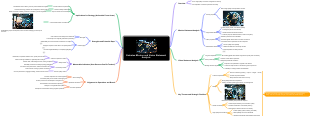
Prudential SWOT Analysis
Strengths (Internal)
Brand Trust & Reputation
Long-standing heritage and credibility in insurance and asset management
Strong brand recognition in key markets, supporting customer confidence
Perceived stability and reliability, important for long-term financial products
Diversified Business Model
Presence across insurance, wealth, and asset management businesses
Mix of product lines (life, health, retirement, savings/investment-linked products)
Multiple distribution channels (agents, bancassurance, partnerships, digital)
Strong Customer Base & Distribution
Large in-force book and recurring premium streams
Extensive agency network and established partner relationships
Customer relationship longevity due to multi-decade policy durations
Risk Management & Underwriting Capabilities
Actuarial expertise and pricing discipline
Reinsurance strategies to manage peak risks and capital strain
Enterprise risk governance frameworks for market, credit, and insurance risks
Capital & Solvency Position (when strong)
Regulatory capital buffers supporting resilience
Ability to pay claims and meet long-term liabilities
Access to funding and liquidity management capabilities
Product Innovation & Customer Value Proposition
Retirement and protection solutions aligned to aging demographics
Health and protection offerings addressing rising healthcare needs
Flexible savings/investment products tailored to varying risk appetites
Geographic Footprint & Growth Exposure (notably in Asia)
Access to faster-growing insurance penetration markets
Ability to leverage macro tailwinds (income growth, middle-class expansion)
Local-market expertise and scalable operating models
Weaknesses (Internal)
Exposure to Investment Market Volatility
Earnings sensitivity to equity and bond market movements
Valuation swings impacting capital, solvency metrics, and reported profits
Potential mismatch risk between assets and long-term liabilities
Interest Rate Sensitivity
Low-rate environments compress investment yields and product profitability
Rate spikes can reduce bond portfolio values and increase lapse risk
Complex hedging needs can increase costs and operational complexity
Complexity of Long-Term Liabilities
Difficult assumptions management (mortality, longevity, morbidity, lapse rates)
Reserve strengthening risk if experience deviates from assumptions
Long duration makes outcomes highly path-dependent on markets and policyholder behavior
Regulatory and Reporting Complexity
Multiple jurisdictions with different solvency and conduct standards
High compliance cost and governance burden
Potential constraint on capital mobility across entities
Operational Cost Base
Large agency and servicing footprint can be expensive to maintain
Legacy systems in parts of the organization can slow transformation
High fixed costs create pressure during downturns or weak sales cycles
Reputation Sensitivity
High reliance on trust means mis-selling or service failures can have outsized impact
Public scrutiny of fees, product suitability, and claims handling
Social media amplification increases reputational risk velocity
Currency and Cross-Border Earnings Volatility
FX movements can materially affect reported earnings and capital
Natural hedges may be imperfect; hedging adds cost
Capital repatriation and dividend capacity can fluctuate by market
Core weaknesses concentrate in financial-market sensitivity (rates/markets/FX), long-duration liability complexity, and high operational/regulatory burden with reputational fragility.
Opportunities (External)
Rising Demand for Protection and Retirement Solutions
Aging populations increasing retirement planning needs
Underinsurance in many markets creates growth runway
Growth in chronic disease and healthcare costs driving health protection demand
Expansion in High-Growth Markets
Increasing insurance penetration and financial literacy in emerging markets
Urbanization and income growth expanding addressable customer segments
Partnerships with local banks, fintechs, and platforms to broaden reach
Digital Transformation and Data-Driven Underwriting
AI/analytics to improve risk selection, pricing, and fraud detection
Digital onboarding to reduce acquisition costs and improve conversion
Personalized engagement to increase retention and cross-sell
Wealth Management and Asset Management Growth
Demand for investment solutions and advisory as savings rise
Product bundling (protection + investment) to increase lifetime value
Institutional and retail flows supported by brand trust
Product Innovation Aligned to New Needs
Flexible, modular policies (coverage riders, dynamic premiums)
ESG-aligned funds and sustainable investment-linked products
Microinsurance and simplified products for underserved segments
Strategic Partnerships and Ecosystem Models
Health ecosystems (telemedicine, wellness programs, preventive care)
Employer-based benefits and group protection expansions
Embedded insurance via e-commerce and consumer platforms
Capital Optimization and Portfolio Rebalancing
Liability management (reinsurance/transactions) to free up capital
Shifting to higher-quality or better-duration-matched assets
Enhancing hedging and ALM sophistication to reduce volatility
Threats (External)
Investment and Market Volatility (Key Risk)
Equity drawdowns impacting fee income, unit-linked assets, and capital
Credit spread widening affecting bond portfolio values and solvency
Liquidity stress and forced asset sales during extreme market conditions
Macroeconomic and Interest Rate Shocks
Recession increasing lapses, lower new business, and claims pressure
Rapid rate changes complicating hedging and asset-liability management
Inflation raising expenses and potentially increasing claim costs in health lines
Regulatory Changes and Supervisory Tightening
Higher capital requirements or stress tests reducing financial flexibility
Conduct regulation increasing remediation and oversight costs
Restrictions on product features, commissions, or sales practices
Intensifying Competition
Global insurers, local incumbents, and digital challengers increasing price pressure
Bancassurance partners renegotiating terms or switching providers
Differentiation difficulty in commoditized protection products
Cybersecurity and Technology Risks
Data breaches undermining brand trust and causing regulatory penalties
Operational disruption from ransomware and system outages
Third-party/vendor risk as ecosystems expand
Demographic and Health Trend Uncertainty
Longevity improvements increasing annuity/retirement liability costs
Pandemic or systemic health events spiking claims and volatility
Adverse selection if pricing and underwriting lag emerging trends
Geopolitical and Country-Specific Risks
Policy changes, capital controls, and taxation affecting profitability
Political instability or social unrest impacting distribution and operations
Sanctions and trade tensions affecting markets and investment portfolios
Key Focus Areas (Derived from SWOT)
Protect and Leverage Brand Trust (Strength → Opportunity)
Strengthen customer outcomes, claims experience, and transparency
Enhance advisor training, suitability controls, and conduct governance
Proactive reputation management and clear communication during volatility
Mitigate Investment Volatility (Weakness/Threat)
Improve asset-liability matching and dynamic hedging frameworks
Diversify investment portfolios and reduce concentration in risky assets
Stress testing, liquidity buffers, and contingency funding plans
Accelerate Digital and Operational Efficiency (Weakness → Opportunity)
Modernize core systems to reduce cost-to-serve and improve speed
Use data analytics to lower underwriting and fraud costs
Expand digital distribution while supporting advisor productivity
Optimize Capital and Regulatory Readiness (Weakness/Threat)
Active capital management to maintain solvency resilience
Scenario analysis across jurisdictions and regulatory regimes
Simplify structure where possible to reduce compliance burden
Drive Growth in High-Potential Markets (Strength/Opportunity)
Scale partnerships and ecosystems to reach new segments
Tailor products to local needs and affordability constraints
Balance growth with risk controls to avoid mis-selling and lapse spikes