MindMap Gallery Ping An Market Segmentation, Targeting and Positioning Analysis
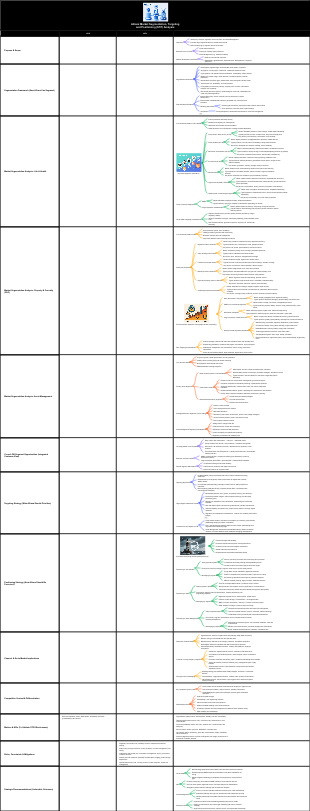
Explore the dynamic world of Ping An's Market Segmentation, Targeting, and Positioning (STP) Analysis, where innovative solutions meet diverse customer needs across insurance and fintech sectors. This analysis delves into the market context, covering business domains such as life and health insurance, digital finance, and healthtech ecosystems. We examine strategic objectives to identify high-value customer segments, match offerings to their specific needs, and differentiate brand propositions. The segmentation analysis highlights key dimensions including demographics, geography, psychographics, behavior, and needs, alongside specific market segments within insurance and fintech. Discover how Ping An tailors its services to meet the evolving demands of its customers.
Edited at 2026-03-25 14:56:58Mappa mentale per il piano di inserimento dei nuovi dipendenti nella prima settimana. Strutturata per giorni: Giorno 1 – benvenuto, configurazione strumenti, presentazione team. Secondo giorno – formazione su policy aziendali e obiettivi del ruolo. Terzo giorno – affiancamento e primi task guidati. Il quarto giorno – riunioni con dipartimenti chiave e feedback intermedio. Il quinto giorno – revisione settimanale, definizione obiettivi a breve termine e integrazione culturale.

Mappa mentale per l’analisi della formazione francese ai Mondiali 2026. Punti chiave: attacco stellare guidato da Mbappé, con triplice minaccia (profondità, taglio, sponda). Criticità: centrocampo poco creativo – la costruzione offensiva dipende dagli attaccanti che arretrano. Difesa solida (Upamecano, Saliba, Koundé). Portiere Maignan. Variabili: gestione infortuni e condizione fisica dei big. Ideale per scout, giornalisti e tifosi.
Mappa mentale per il piano di inserimento dei nuovi dipendenti nella prima settimana. Strutturata per giorni: Giorno 1 – benvenuto, configurazione strumenti, presentazione team. Secondo giorno – formazione su policy aziendali e obiettivi del ruolo. Terzo giorno – affiancamento e primi task guidati. Il quarto giorno – riunioni con dipartimenti chiave e feedback intermedio. Il quinto giorno – revisione settimanale, definizione obiettivi a breve termine e integrazione culturale.
Mappa mentale per l’analisi della formazione francese ai Mondiali 2026. Punti chiave: attacco stellare guidato da Mbappé, con triplice minaccia (profondità, taglio, sponda). Criticità: centrocampo poco creativo – la costruzione offensiva dipende dagli attaccanti che arretrano. Difesa solida (Upamecano, Saliba, Koundé). Portiere Maignan. Variabili: gestione infortuni e condizione fisica dei big. Ideale per scout, giornalisti e tifosi.
Ping An Market Segmentation, Targeting and Positioning (STP) Analysis
Market Context & Scope
Business Domains
Insurance
Life & Health insurance
Property & Casualty (P&C) insurance
Pension/retirement solutions
Fintech & Digital Finance
Digital banking and lending
Wealth management and investments
Payments and digital wallets
Credit scoring and risk analytics
Healthtech Ecosystem (Insurance-adjacent)
Digital health management
Provider networks and telemedicine enablement
Ping An competes across protection, finance, and health services, enabling cross-domain customer solutions.
Strategic Objective of STP
Identify high-value customer segments across insurance + fintech
Match products, channels, and pricing to segment needs
Differentiate brand and ecosystem value proposition
Segmentation Analysis (How Markets Are Segmented)
Segmentation Dimensions (Cross-industry)
Demographic
Age/life stage
Income/wealth tier
Family status (single, married, with children)
Occupation (salaried, self-employed, SME owner)
Geographic
Tier 1–4 cities and rural areas
Regional economic differences and penetration
Psychographic
Risk tolerance (conservative to aggressive)
Convenience/digital affinity
Health consciousness and prevention mindset
Status/brand preference
Behavioral
Purchase frequency and renewal behavior
Channel preference (agent, branch, app, partner platform)
Product bundling propensity
Claims behavior and service expectations
Needs-based (Jobs-to-be-done)
Protection (life, health, property)
Wealth growth and preservation
Liquidity and credit access
Healthcare access and cost control
Business continuity and liability management
Insurance Market Segmentation
Life Insurance Segments
Protection-first families
Savings/participating policy seekers
High-net-worth legacy planners
Young professionals needing basic coverage
Health Insurance Segments
Mass-market medical expense protection
Critical illness and supplemental coverage seekers
Employer-sponsored group health members
Chronic-condition and aging population management needs
P&C Insurance Segments
Auto owners (mandatory + commercial + premium add-ons)
Homeowners and renters (asset protection)
SMEs needing business property/liability coverage
Commercial lines (logistics, manufacturing, retail)
Distribution-led Segments
Agent-driven relationship buyers
Bancassurance and branch-oriented customers
Direct-to-consumer digital purchasers
Affinity/community-based group buyers
Fintech Market Segmentation
Digital Banking Segments
Everyday transactors (payments, deposits)
Salary-account users (stable cashflows)
Credit builders/new-to-credit customers
Premium banking customers (multi-product)
Lending Segments
Prime borrowers (low risk, rate-sensitive)
Emerging middle class (credit growth, convenience-seeking)
SME borrowers (working capital, invoice financing)
Micro-entrepreneurs (thin-file, need fast approvals)
Wealth Management Segments
Starter investors (low balance, education needs)
Mass affluent (portfolio allocation, goal-based investing)
High net worth (advisory, diversification, tax/estate planning)
Active traders (tools, data, speed)
Payments & Ecosystem Segments
High-frequency mobile pay users
Merchant/SME payment acceptance needs
Cross-border travelers and remitters
Technology adoption Segments
Digital natives (app-first)
Hybrid users (digital + human advice)
Traditional users (trust and branch/agent reliance)
Targeting Strategy (Which Segments to Prioritize)
Targeting Approach
Multi-segment strategy across a broad portfolio
Ecosystem targeting to cross-sell insurance + finance + health services
Data-driven targeting using customer lifetime value (CLV) and risk
Primary Target Segments (High Priority)
Mass affluent urban professionals
Rationale: strong earning trajectory, high cross-sell potential
Needs: protection + wealth growth + convenience
Families in peak responsibility years
Rationale: high protection gap, multi-policy bundling
Needs: life/health coverage, education savings, home/auto protection
SME owners and operators
Rationale: demand for credit + commercial insurance, sticky relationships
Needs: working capital, liability/property coverage, employee benefits
Aging and pre-retirement customers
Rationale: retirement planning and health management demand
Needs: annuities, long-term care considerations, chronic disease support
Secondary Target Segments (Selective)
Young digital natives
Rationale: acquire early, lifetime value through lifecycle progression
Needs: low-cost protection, starter investments, micro-loans
High-net-worth individuals (HNW)
Rationale: high-margin advisory and bespoke risk solutions
Needs: sophisticated wealth/estate planning, premium service
Rural and lower-tier city customers
Rationale: growth via inclusion and digital distribution efficiency
Needs: affordable insurance, accessible credit, simple onboarding
Prioritize segments with high CLV and cross-sell potential; selectively acquire long-horizon or inclusion segments via efficient channels.
Targeting Criteria & Filters
Profitability and unit economics
Acquisition cost vs. expected margin
Claims/loss ratio expectations (insurance)
Default risk and cost of funds (lending)
Risk and compliance suitability
KYC/AML requirements
Underwriting constraints and fraud exposure
Strategic fit
Cross-sell adjacency within ecosystem
Brand alignment and service capability
Scalability
Ability to serve via digital and partner channels
Operational complexity and servicing costs
Positioning Strategy (How Ping An Is Positioned)
Core Positioning Theme
Integrated financial + health ecosystem with technology-enabled trust, convenience, and risk expertise
Positioning Pillars
Trust and reliability
Financial strength, risk management, claims capability
Technology and data leadership
AI-driven underwriting, personalized offers, fraud detection
Convenience and omnichannel service
Seamless experience across app, agents, branches, partners
Integrated ecosystem value
Link protection, wealth, lending, and healthcare services
Value-for-money with tiered offerings
Accessible products for mass market + premium solutions for affluent/HNW
Insurance Positioning
Differentiators
Faster underwriting/claims via digital workflows
Bundled protection and health management services
Strong agent advisory combined with digital tools
Value Propositions by Segment
Families: comprehensive protection bundles + health services
Affluent: customized plans + wealth advisory integration
SMEs: business risk + employee benefits + financing linkages
Fintech Positioning
Differentiators
Data-driven credit and risk pricing
Integrated wealth + insurance solutions (one-stop finance)
Security and compliance-driven platform trust
Value Propositions by Segment
Mass affluent: goal-based investing + protection planning
SMEs: faster credit decisions + cashflow tools
Young users: simple, low-friction products and financial education
Brand Architecture & Messaging
Master brand leverage
Consistent safe, smart, convenient messaging across products
Product-level positioning
Entry-level: affordability and simplicity
Mid-tier: balance of value and coverage/features
Premium: exclusivity, advisory, customization
Go-to-Market Implications (STP to Execution)
Product Strategy
Modular bundles
Life + health + accident packages
Auto + driver services + roadside/claims add-ons
SME bundle: property/liability + employee benefits + credit line
Tiered product design
Basic, standard, premium with clear feature differentiation
Embedded finance/insurance partnerships
Point-of-sale or platform-based micro-insurance and credit
Pricing Strategy
Risk-based pricing and dynamic underwriting
Discounts for bundling and loyalty
Usage-based and behavior-based models (e.g., telematics, wellness)
Channel Strategy
Omnichannel orchestration
Agents for complex needs and relationship selling
Digital app for self-service and micro-products
Bank/branch for trust-building and cross-sell
Ecosystem partners for embedded distribution
Segment-to-channel matching
HNW: dedicated advisors
Families: agents + digital servicing
Young users: app-first acquisition
SMEs: relationship managers + digital tools
Promotion & Communication
Segment-specific messaging
Protection narrative for families
Growth and planning narrative for affluent investors
Efficiency and resilience narrative for SMEs
Content and education
Financial literacy, health management content to reduce friction
Trust signals
Transparent claims process, testimonials, security assurances
Customer Experience (CX) & Retention
Personalized journeys
Lifecycle triggers (marriage, childbirth, home purchase, retirement)
Proactive service
Health reminders, renewal nudges, risk alerts
Loyalty and ecosystem engagement
Benefits tied to usage of multiple services
Competitive Positioning Snapshot
Key Competitor Types
Traditional insurers
Strength: legacy trust, agent networks
Gap: slower digital transformation
Digital-first insurers/insurtechs
Strength: low-cost digital acquisition
Gap: limited breadth and trust for complex products
Banks and digital banks
Strength: deposits and payment ecosystems
Gap: weaker insurance integration/health ecosystem depth
Big tech platforms
Strength: scale and user data
Gap: regulatory constraints, financial risk expertise variability
Ping An’s Competitive Advantage Themes
Breadth: insurance + banking + wealth + health ecosystem
Depth: risk management + underwriting + analytics
Scale: large customer base enabling data-driven personalization
Metrics to Validate STP Effectiveness
Segment-level KPIs
Acquisition cost (CAC) by segment and channel
Conversion rate and quote-to-bind ratio
Cross-sell rate and products-per-customer
Retention/renewal rate and persistency
Claims ratio / loss ratio (insurance)
NPL/default rate and risk-adjusted margin (lending)
Net promoter score (NPS) and service satisfaction
Portfolio-level KPIs
Customer lifetime value (CLV) growth
Ecosystem penetration (multi-service adoption)
Digital engagement (MAU/DAU, self-service share)
Profitability and capital efficiency (risk-adjusted return)
Risks & Constraints Affecting STP
Regulatory and compliance
Data privacy, consent management, cross-entity data use
Product suitability and sales conduct rules
Model risk and bias
Fairness in pricing and underwriting/credit decisions
Explainability requirements for AI decisions
Reputation and trust
Claims disputes, mis-selling, cybersecurity incidents
Macro and market cycles
Interest rate impacts on savings/wealth products
Economic downturn effects on defaults and claims
Strategic Recommendations (STP Enhancements)
Deepen needs-based micro-segmentation
Use life events, health signals, and financial behaviors for personalization
Expand ecosystem bundles
Health management + insurance incentives to reduce claims and increase retention
Strengthen SME proposition
Integrated credit + protection + payments/collections tools
Optimize channel mix
Digital for efficiency, advisors for complex high-value segments
Invest in trust-building transparency
Clear product terms, claims tracking, data-use disclosure