Wondershare EdrawMind
MindMap Gallery Estée Lauder Company History
Estée Lauder Company History
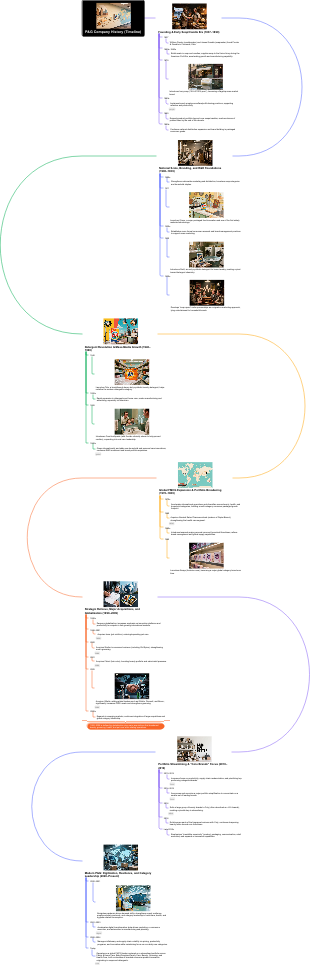
This timeline chronicles the remarkable journey of Estée Lauder Companies, a trailblazer in the prestige cosmetics industry. Estée Lauder and Joseph Lauder established their business in 1945, starting with four skincare products. Early innovations in skincare led to the successful launch of Youth-Dew (1953), a bath oil that doubled as a perfume, revolutionizing beauty marketing with tactics like “gift-with-purchase” (GWP). The 1960s saw international expansion (UK, Canada) and the introduction of Clinique (1968), the first dermatologist-developed, allergy-tested, fragrance-free brand. The 1980s and 1990s marked a shift towards modernization (computerized inventory, global advertising) and IPO success (1995, NYSE). Estée Lauder went public, raising capital for growth. The 2000s focused on strategic acquisitions, enhancing portfolio with M·A·C (1998 full ownership), Bobbi Brown (1995), La Mer (1995), Jo Malone London (1999), Tom Ford (2006), Too Faced (2016), Becca (2016), Deciem (2017, The Ordinary). Acquisitions added niche, trendy, and accessible luxury brands. The 2010s saw the rise of e-commerce (direct-to-consumer, social commerce) and a booming skincare market (serums, masks, K-beauty, clean beauty). Estée Lauder solidified leadership in luxury (Estée Lauder, La Mer) and niche beauty (Jo Malone, Le Labo, Kilian). The company navigated the pandemic with digital acceleration and China growth. This legacy showcases innovation, acquisition strategy, and adaptability.
Edited at 2026-03-25 15:07:46
- 韓国一周旅マップ:自然・歴史・都市を巡る 6 つの目的地
この EdrawMind のマインドマップは、韓国を一周する旅行の完全なガイドで、自然、歴史、都市文化を網羅した 6 つの目的地を詳しく解説しています。各地の交通、観光スポット、特徴を整理し、初めての訪問者にも分かりやすいように、自然の魅力から伝統文化、現代の街並みまで、韓国の多面的な魅力を余すところなく紹介しています。 仁川(インチョン)- 玄関口韓国の空の玄関口として機能する仁川は、交通の要所です。仁川国際空港は、KTX(韓国高速鉄道)や AREX(空港鉄道)でソウル中心部へのアクセスが非常に便利です。観光スポットとしては、月尾島の遊園地や海辺散策、自由公園、中央公園の近代的な建築が人気で、新しい韓国の第一印象を与えてくれます。 ソウル - 現代と伝統の融合韓国の首都ソウルは、歴史と文化が息づく街です。景福宮・昌徳宮などの古宮殿で王朝時代の雰囲気を味わい、北村韓屋村で伝統的な韓家を体験できます。一方で、明洞・ホンデ・カロスキルなどのショッピング・グルメエリアでは、現代的な韓国のライフスタイルを満喫でき、歴史とトレンドが混ざり合う魅力的な場所です。 雪嶽山(ソラクサン国立公園)- 大自然韓国屈指の景勝地、雪嶽山国立公園は、四季折々の美しさが楽しめます。大嶺山の登山、ケーブルカーでの展望台、青い滝や紅葉の渓谷が人気で、特に秋の紅葉と冬の雪景色は圧巻です。周辺の東海では新鮮な海鮮を堪能でき、温泉での疲れた体を癒やすこともできます。 慶州(キョンジュ)- 古都の佇まい新羅時代の首都であった慶州は「韓国の京都」と呼ばれ、ユネスコ世界遺産が多数存在します。仏国寺・石窟庵の仏教遺跡、大陵苑の古墳群、瞻星台など、古代の息吹を感じられるスポットが点在しています。また、慶州博物館で出土品を鑑賞したり、伝統酒や韓服体験をしたり、歴史を深く感じられる場所です。 釜山(プサン)- 海と活気の港町韓国第 2 の都市、釜山は海の街として知られています。海雲台・広安里のビーチで海水浴や夜景を楽しみ、太宗台の断崖絶壁と灯台からの景色は必見です。国際市場やナンポドンでは、活気あふれる市場で地元グルメを味わえ、カジノやショッピングセンターも充実しています。 済州島(チェジュド)- 島旅の最終章韓国の南に浮かぶ済州島は、自然の神秘が詰まった島です。漢拏山の登山、城山日出峰の雄大な景色、万丈窟の溶岩洞窟、柱状節理の海岸など、ユニークな自然景観が楽しめます。牛島やオルレコースでのトレッキング、新鮮な海鮮料理やカフェ巡りも人気で、ゆったりとした島旅を締めくくるのにぴったりです。 このマップを使えば、各都市の特徴やアクセス、観光ポイントが一目で分かり、旅行の計画が立てやすくなります。EdrawMind の直感的なレイアウトで、初心者でも簡単に情報を整理でき、自分だけのカスタマイズも可能です。
- マンダラチャート:キャリア発展プラン
マンダラチャート:キャリア発展プランは、ビジネスパーソンのキャリア成長を体系的に計画・管理するための専門的な可視化ツールで、EdrawMind の強力なマンダラチャート作成機能を活用して開発されました。本テンプレートは、「キャリア発展(コア)」を中心に、人脈・昇進・効率・スキル・財務・健康・ブランド・学習という 8 つのコアキーワードを展開し、さらに各分野ごとに具体的な行動目標をマトリクス状に細分化することで、キャリア成長の全側面を可視化・体系化します。人脈構築・昇進戦略・業務効率化・スキルアップ・資産管理・健康維持・個人ブランディング・継続学習という 8 つの次元で、日次・週次・月次の具体的なアクションを明確に定義し、バランスの取れたキャリア成長を実現し、「偏り」を防ぎます。EdrawMind の柔軟なカスタマイズ機能により、目標の追加・修正・進捗管理が容易に行え、キャリア計画・自己管理・成長戦略立案など、あらゆる場面で活用できます。キャリア発展の可視化と体系化を実現し、持続的な成長をサポートする最適なツールです。
- マンダラチャート:キャリア発展プラン
マンダラチャート:キャリア発展プランは、個人のキャリア成長を体系的に計画・管理するための専門的な可視化ツールで、EdrawMind の強力なマンダラチャート作成機能を活用して開発されました。本テンプレートは、キャリア発展の 8 つのコアキーワード(人脈・昇進・効率・スキル・財務・健康・ブランド・学習)を中心に、各分野ごとに具体的な行動目標をマトリクス状に展開し、キャリア成長の全側面を可視化・体系化します。人脈構築・昇進戦略・業務効率化・スキルアップ・資産管理・健康維持・個人ブランディング・継続学習という 8 つの次元で、月次・週次・日次の具体的なアクションを明確に定義し、バランスの取れたキャリア成長を実現し、「偏り」を防ぎます。EdrawMind の柔軟なカスタマイズ機能により、目標の追加・修正・進捗管理が容易に行え、ビジネスパーソンのキャリア計画・自己管理・成長戦略立案など、あらゆる場面で活用できます。キャリア発展の可視化と体系化を実現し、持続的な成長をサポートする最適なツールです。
Estée Lauder Company History
- 韓国一周旅マップ:自然・歴史・都市を巡る 6 つの目的地
この EdrawMind のマインドマップは、韓国を一周する旅行の完全なガイドで、自然、歴史、都市文化を網羅した 6 つの目的地を詳しく解説しています。各地の交通、観光スポット、特徴を整理し、初めての訪問者にも分かりやすいように、自然の魅力から伝統文化、現代の街並みまで、韓国の多面的な魅力を余すところなく紹介しています。 仁川(インチョン)- 玄関口韓国の空の玄関口として機能する仁川は、交通の要所です。仁川国際空港は、KTX(韓国高速鉄道)や AREX(空港鉄道)でソウル中心部へのアクセスが非常に便利です。観光スポットとしては、月尾島の遊園地や海辺散策、自由公園、中央公園の近代的な建築が人気で、新しい韓国の第一印象を与えてくれます。 ソウル - 現代と伝統の融合韓国の首都ソウルは、歴史と文化が息づく街です。景福宮・昌徳宮などの古宮殿で王朝時代の雰囲気を味わい、北村韓屋村で伝統的な韓家を体験できます。一方で、明洞・ホンデ・カロスキルなどのショッピング・グルメエリアでは、現代的な韓国のライフスタイルを満喫でき、歴史とトレンドが混ざり合う魅力的な場所です。 雪嶽山(ソラクサン国立公園)- 大自然韓国屈指の景勝地、雪嶽山国立公園は、四季折々の美しさが楽しめます。大嶺山の登山、ケーブルカーでの展望台、青い滝や紅葉の渓谷が人気で、特に秋の紅葉と冬の雪景色は圧巻です。周辺の東海では新鮮な海鮮を堪能でき、温泉での疲れた体を癒やすこともできます。 慶州(キョンジュ)- 古都の佇まい新羅時代の首都であった慶州は「韓国の京都」と呼ばれ、ユネスコ世界遺産が多数存在します。仏国寺・石窟庵の仏教遺跡、大陵苑の古墳群、瞻星台など、古代の息吹を感じられるスポットが点在しています。また、慶州博物館で出土品を鑑賞したり、伝統酒や韓服体験をしたり、歴史を深く感じられる場所です。 釜山(プサン)- 海と活気の港町韓国第 2 の都市、釜山は海の街として知られています。海雲台・広安里のビーチで海水浴や夜景を楽しみ、太宗台の断崖絶壁と灯台からの景色は必見です。国際市場やナンポドンでは、活気あふれる市場で地元グルメを味わえ、カジノやショッピングセンターも充実しています。 済州島(チェジュド)- 島旅の最終章韓国の南に浮かぶ済州島は、自然の神秘が詰まった島です。漢拏山の登山、城山日出峰の雄大な景色、万丈窟の溶岩洞窟、柱状節理の海岸など、ユニークな自然景観が楽しめます。牛島やオルレコースでのトレッキング、新鮮な海鮮料理やカフェ巡りも人気で、ゆったりとした島旅を締めくくるのにぴったりです。 このマップを使えば、各都市の特徴やアクセス、観光ポイントが一目で分かり、旅行の計画が立てやすくなります。EdrawMind の直感的なレイアウトで、初心者でも簡単に情報を整理でき、自分だけのカスタマイズも可能です。
- マンダラチャート:キャリア発展プラン
マンダラチャート:キャリア発展プランは、ビジネスパーソンのキャリア成長を体系的に計画・管理するための専門的な可視化ツールで、EdrawMind の強力なマンダラチャート作成機能を活用して開発されました。本テンプレートは、「キャリア発展(コア)」を中心に、人脈・昇進・効率・スキル・財務・健康・ブランド・学習という 8 つのコアキーワードを展開し、さらに各分野ごとに具体的な行動目標をマトリクス状に細分化することで、キャリア成長の全側面を可視化・体系化します。人脈構築・昇進戦略・業務効率化・スキルアップ・資産管理・健康維持・個人ブランディング・継続学習という 8 つの次元で、日次・週次・月次の具体的なアクションを明確に定義し、バランスの取れたキャリア成長を実現し、「偏り」を防ぎます。EdrawMind の柔軟なカスタマイズ機能により、目標の追加・修正・進捗管理が容易に行え、キャリア計画・自己管理・成長戦略立案など、あらゆる場面で活用できます。キャリア発展の可視化と体系化を実現し、持続的な成長をサポートする最適なツールです。
- マンダラチャート:キャリア発展プラン
マンダラチャート:キャリア発展プランは、個人のキャリア成長を体系的に計画・管理するための専門的な可視化ツールで、EdrawMind の強力なマンダラチャート作成機能を活用して開発されました。本テンプレートは、キャリア発展の 8 つのコアキーワード(人脈・昇進・効率・スキル・財務・健康・ブランド・学習)を中心に、各分野ごとに具体的な行動目標をマトリクス状に展開し、キャリア成長の全側面を可視化・体系化します。人脈構築・昇進戦略・業務効率化・スキルアップ・資産管理・健康維持・個人ブランディング・継続学習という 8 つの次元で、月次・週次・日次の具体的なアクションを明確に定義し、バランスの取れたキャリア成長を実現し、「偏り」を防ぎます。EdrawMind の柔軟なカスタマイズ機能により、目標の追加・修正・進捗管理が容易に行え、ビジネスパーソンのキャリア計画・自己管理・成長戦略立案など、あらゆる場面で活用できます。キャリア発展の可視化と体系化を実現し、持続的な成長をサポートする最適なツールです。
- Recommended to you
- Outline