Wondershare EdrawMind
MindMap Gallery Nestlé PESTLE Analysis
Nestlé PESTLE Analysis
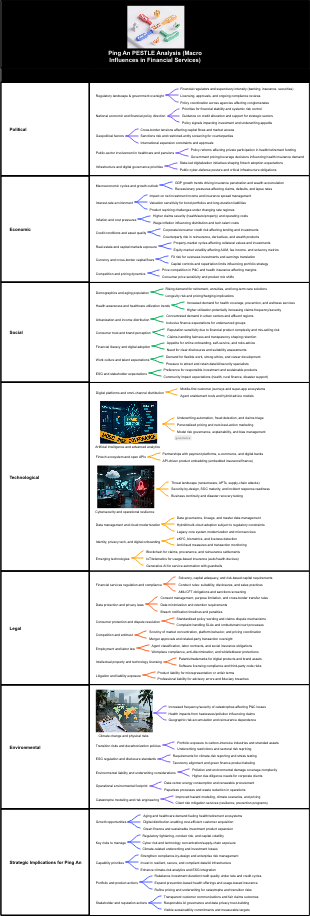
This comprehensive PESTLE analysis explores the dynamic factors shaping Nestlé’s strategic landscape, examining political, economic, social, technological, legal, and environmental dimensions. Political factors include food safety regulations (labeling, additives, contaminants), trade policies (tariffs, trade agreements, Brexit, USMCA), and government relations (tax policies, subsidies, lobbying). Compliance with regional standards (EU, FDA, China) impacts product formulations and market access. Economic factors encompass macroeconomic conditions (GDP growth, inflation, currency fluctuations), commodity price volatility (cocoa, coffee, dairy, grains), and consumer spending trends (disposable income, price sensitivity). Inflation affects raw material costs and pricing strategies. Social factors explore shifting consumer preferences (health, wellness, convenience, plant-based), sustainability (eco-friendly packaging, ethical sourcing), demographic changes (aging population, urbanization, household size), and health trends (reduced sugar, functional nutrition, clean label). These drive portfolio strategy (fortified foods, organic options, plant-based alternatives). Technological factors focus on digital transformation (e-commerce, DTC, data analytics), manufacturing automation (Industry 4.0, robotics), and food science innovation (plant-based proteins, fermentation, nutrient delivery). Legal factors include compliance with advertising standards, antitrust laws, and data privacy regulations. Environmental factors address sustainability commitments: carbon neutrality, water stewardship, zero-deforestation supply chains, and circular packaging. Understanding these interconnected elements reveals how Nestlé navigates challenges (volatile commodities, regulatory shifts) and opportunities (digital growth, health trends) to shape future growth.
Edited at 2026-03-25 15:14:02
- マンダラチャート:キャリア発展プラン
マンダラチャート:キャリア発展プランは、ビジネスパーソンのキャリア成長を体系的に計画・管理するための専門的な可視化ツールで、EdrawMind の強力なマンダラチャート作成機能を活用して開発されました。本テンプレートは、「キャリア発展(コア)」を中心に、人脈・昇進・効率・スキル・財務・健康・ブランド・学習という 8 つのコアキーワードを展開し、さらに各分野ごとに具体的な行動目標をマトリクス状に細分化することで、キャリア成長の全側面を可視化・体系化します。人脈構築・昇進戦略・業務効率化・スキルアップ・資産管理・健康維持・個人ブランディング・継続学習という 8 つの次元で、日次・週次・月次の具体的なアクションを明確に定義し、バランスの取れたキャリア成長を実現し、「偏り」を防ぎます。EdrawMind の柔軟なカスタマイズ機能により、目標の追加・修正・進捗管理が容易に行え、キャリア計画・自己管理・成長戦略立案など、あらゆる場面で活用できます。キャリア発展の可視化と体系化を実現し、持続的な成長をサポートする最適なツールです。
- マンダラチャート:キャリア発展プラン
マンダラチャート:キャリア発展プランは、個人のキャリア成長を体系的に計画・管理するための専門的な可視化ツールで、EdrawMind の強力なマンダラチャート作成機能を活用して開発されました。本テンプレートは、キャリア発展の 8 つのコアキーワード(人脈・昇進・効率・スキル・財務・健康・ブランド・学習)を中心に、各分野ごとに具体的な行動目標をマトリクス状に展開し、キャリア成長の全側面を可視化・体系化します。人脈構築・昇進戦略・業務効率化・スキルアップ・資産管理・健康維持・個人ブランディング・継続学習という 8 つの次元で、月次・週次・日次の具体的なアクションを明確に定義し、バランスの取れたキャリア成長を実現し、「偏り」を防ぎます。EdrawMind の柔軟なカスタマイズ機能により、目標の追加・修正・進捗管理が容易に行え、ビジネスパーソンのキャリア計画・自己管理・成長戦略立案など、あらゆる場面で活用できます。キャリア発展の可視化と体系化を実現し、持続的な成長をサポートする最適なツールです。
- マンダラチャート:キャリア発展プラン
これは、専門家、起業家、キャリアプランナー向けに設計された、再利用可能な「マンダラチャートキャリア開発プラン」テンプレートです。このテンプレートは「キャリア開発」を中心とし、8つの主要な成長分野へと展開していきます。視覚的かつ体系的なデザインにより、抽象的なキャリア目標を具体的な行動計画へと落とし込みます。テンプレートは明確な構造を持ち、読みやすく快適なピンクとブルーの配色を採用しています。中心領域は黒い四角で「キャリア開発」のテーマを強調し、周囲の青い四角は8つの成長方向を示しています。これは、個人の能力開発計画や業界育成戦略の策定に役立ちます。中心テーマと枝のラベルを置き換えるだけで、ニーズに合わせたキャリアプランマップを素早く作成でき、断片化された目標を体系的なキャリア開発の道筋へと統合するのに役立ちます。これは単なるキャリアプランニングの「ナビゲーションマップ」ではなく、断片化された目標を体系的なキャリア開発の道筋へと統合する、継続的に改善していく成長ツールです。
Nestlé PESTLE Analysis
- マンダラチャート:キャリア発展プラン
マンダラチャート:キャリア発展プランは、ビジネスパーソンのキャリア成長を体系的に計画・管理するための専門的な可視化ツールで、EdrawMind の強力なマンダラチャート作成機能を活用して開発されました。本テンプレートは、「キャリア発展(コア)」を中心に、人脈・昇進・効率・スキル・財務・健康・ブランド・学習という 8 つのコアキーワードを展開し、さらに各分野ごとに具体的な行動目標をマトリクス状に細分化することで、キャリア成長の全側面を可視化・体系化します。人脈構築・昇進戦略・業務効率化・スキルアップ・資産管理・健康維持・個人ブランディング・継続学習という 8 つの次元で、日次・週次・月次の具体的なアクションを明確に定義し、バランスの取れたキャリア成長を実現し、「偏り」を防ぎます。EdrawMind の柔軟なカスタマイズ機能により、目標の追加・修正・進捗管理が容易に行え、キャリア計画・自己管理・成長戦略立案など、あらゆる場面で活用できます。キャリア発展の可視化と体系化を実現し、持続的な成長をサポートする最適なツールです。
- マンダラチャート:キャリア発展プラン
マンダラチャート:キャリア発展プランは、個人のキャリア成長を体系的に計画・管理するための専門的な可視化ツールで、EdrawMind の強力なマンダラチャート作成機能を活用して開発されました。本テンプレートは、キャリア発展の 8 つのコアキーワード(人脈・昇進・効率・スキル・財務・健康・ブランド・学習)を中心に、各分野ごとに具体的な行動目標をマトリクス状に展開し、キャリア成長の全側面を可視化・体系化します。人脈構築・昇進戦略・業務効率化・スキルアップ・資産管理・健康維持・個人ブランディング・継続学習という 8 つの次元で、月次・週次・日次の具体的なアクションを明確に定義し、バランスの取れたキャリア成長を実現し、「偏り」を防ぎます。EdrawMind の柔軟なカスタマイズ機能により、目標の追加・修正・進捗管理が容易に行え、ビジネスパーソンのキャリア計画・自己管理・成長戦略立案など、あらゆる場面で活用できます。キャリア発展の可視化と体系化を実現し、持続的な成長をサポートする最適なツールです。
- マンダラチャート:キャリア発展プラン
これは、専門家、起業家、キャリアプランナー向けに設計された、再利用可能な「マンダラチャートキャリア開発プラン」テンプレートです。このテンプレートは「キャリア開発」を中心とし、8つの主要な成長分野へと展開していきます。視覚的かつ体系的なデザインにより、抽象的なキャリア目標を具体的な行動計画へと落とし込みます。テンプレートは明確な構造を持ち、読みやすく快適なピンクとブルーの配色を採用しています。中心領域は黒い四角で「キャリア開発」のテーマを強調し、周囲の青い四角は8つの成長方向を示しています。これは、個人の能力開発計画や業界育成戦略の策定に役立ちます。中心テーマと枝のラベルを置き換えるだけで、ニーズに合わせたキャリアプランマップを素早く作成でき、断片化された目標を体系的なキャリア開発の道筋へと統合するのに役立ちます。これは単なるキャリアプランニングの「ナビゲーションマップ」ではなく、断片化された目標を体系的なキャリア開発の道筋へと統合する、継続的に改善していく成長ツールです。
- Recommended to you
- Outline