
MindMap Gallery 远程工具博主内容类型数据对比
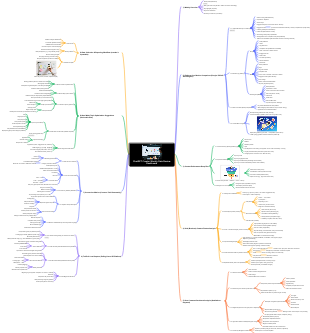
Introducing a comprehensive template for analyzing remote tool content performance across various platforms. This data comparison focuses on content types such as Tutorials, Reviews, Comparisons, and Case Studies, aiming to identify the most effective formats and success factors for optimization. The template includes a structured approach with two main tabs 1. Content Inventory: Captures raw data on content identifiers, format attributes, distribution attributes, and performance metrics, ensuring consistent labeling and cross-platform comparison. 2. KPI Definitions & Formulas: Standardizes key performance indicators, including content count, views, interaction rates, and conversion rates to measure effectiveness. Utilize this template to enhance your content strategy and maximize audience engagement.
Edited at 2026-03-26 01:24:22中国のDouyin(抖音)ECサイトにおけるユーザープロファイル分析を深掘りします。本分析では、ユーザー属性を年齢層(Z世代、ミレニアル世代、中壮年層、シルバー層)や都市ランクに基づいて層別化し、消費能力と購買行動を多角的に考察します。興味タグや関心事(美容、グルメ、テクノロジー、ライフスタイル)を明らかにし、ユーザーのアクティブ時間帯や購買動機を分析します。また、コンテンツ嗜好やスタイル、コンバージョンパス、短動画の企画方向性についても詳述し、効果的なマーケティング戦略を探ります

天猫美妆の「価格が高い」という異議に対処し、商品の価値を再構築するための戦略をご紹介します。まず、顧客の心理的障壁を取り除くために、価格への共感とフレーミングを行います。次に、商品の機能的価値と情緒的価値を最大化し、具体的な効果を可視化します。プロモーションによるお得感を強調し、会員特典や期間限定の希少性も活用します。最後に、リスクを払拭し、購入の緊急性を促すことで成約を促進します。このアプローチにより、顧客は価格以上の価値を実感できるでしょう
淘宝(Taobao)の検索流量転化漏斗分析では、効果的なマーケティング戦略を探るための重要なステージを紹介します。まず、検索露出ステージでは、キーワードマッチングやユーザー属性タグの最適化が鍵となります。次に、クリックスルーステージでは、視覚的な要素や価格戦略がクリック率に影響します。続いて、検討・関心ステージでは、商品詳細ページの説得力やユーザーレビューが重要です。最終的なコンバージョンステージでは、決済プロセスの心理的障壁を取り除く工夫が求められます。また、最適化ノードとフィードバック構造により、データ分析を活用した継続的な改善が可能です
中国のDouyin(抖音)ECサイトにおけるユーザープロファイル分析を深掘りします。本分析では、ユーザー属性を年齢層(Z世代、ミレニアル世代、中壮年層、シルバー層)や都市ランクに基づいて層別化し、消費能力と購買行動を多角的に考察します。興味タグや関心事(美容、グルメ、テクノロジー、ライフスタイル)を明らかにし、ユーザーのアクティブ時間帯や購買動機を分析します。また、コンテンツ嗜好やスタイル、コンバージョンパス、短動画の企画方向性についても詳述し、効果的なマーケティング戦略を探ります
天猫美妆の「価格が高い」という異議に対処し、商品の価値を再構築するための戦略をご紹介します。まず、顧客の心理的障壁を取り除くために、価格への共感とフレーミングを行います。次に、商品の機能的価値と情緒的価値を最大化し、具体的な効果を可視化します。プロモーションによるお得感を強調し、会員特典や期間限定の希少性も活用します。最後に、リスクを払拭し、購入の緊急性を促すことで成約を促進します。このアプローチにより、顧客は価格以上の価値を実感できるでしょう
淘宝(Taobao)の検索流量転化漏斗分析では、効果的なマーケティング戦略を探るための重要なステージを紹介します。まず、検索露出ステージでは、キーワードマッチングやユーザー属性タグの最適化が鍵となります。次に、クリックスルーステージでは、視覚的な要素や価格戦略がクリック率に影響します。続いて、検討・関心ステージでは、商品詳細ページの説得力やユーザーレビューが重要です。最終的なコンバージョンステージでは、決済プロセスの心理的障壁を取り除く工夫が求められます。また、最適化ノードとフィードバック構造により、データ分析を活用した継続的な改善が可能です
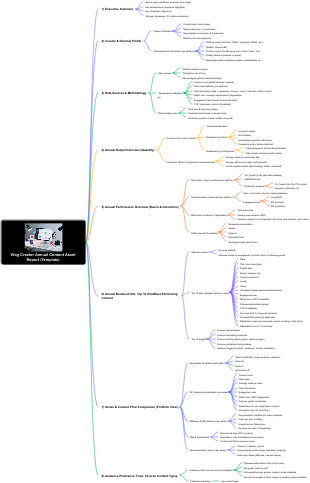
Remote Tool Blogger Content Type Data Comparison Template
Goal & Scope
Objective
Compare performance across content types (Tutorial / Review / Comparison / Case Study)
Identify the most effective content format(s)
Extract success factors and translate them into optimization actions
Applicable Platforms
YouTube
TikTok / Reels / Shorts
Bilibili
X (Twitter)
Blog / Newsletter
Affiliate landing pages / Link-in-bio
Analysis Period
Weekly
Monthly
Quarterly
Campaign-based (launch window)
Content Type Definitions (ensure consistent labeling)
Tutorial: Step-by-step how-to, setup, workflows, best practices
Review: Single-tool evaluation, pros/cons, pricing, verdict
Comparison: Tool A vs Tool B (or top 5 lists), feature matrix, winner scenarios
Case Study: Real-world use, before/after, results, process, lessons learned
Template Structure (Recommended Tabs / Sections)
Tab 1: Content Inventory (Raw Data)
Core Identifiers
Content ID (unique)
Title / Headline
URL
Platform
Publish date & time
Content type (Tutorial/Review/Comparison/Case Study)
Tool category (Remote desktop / Meeting / Async video / VPN / Password manager / etc.)
Funnel stage
Awareness
Consideration
Decision
Retention
Audience segment (e.g., freelancers / IT admins / remote teams / creators)
Format Attributes
Length (seconds/minutes or word count)
Format (Long-form / Short-form / Live / Carousel / Thread)
Visual structure
Screen recording
Talking head
Slides
Mixed
CTA type
Subscribe
Download
Free trial
Affiliate link
Webinar signup
Offer type
Coupon code
Free template
Lead magnet
None
Distribution Attributes
Paid boost (Yes/No)
Cross-posted (Yes/No; where)
Newsletter inclusion (Yes/No)
Community post / Discord mention (Yes/No)
Performance Metrics (per platform; normalized fields)
Impressions / Reach
Views / Plays
Unique viewers (if available)
Watch time (minutes)
Average view duration
Average % viewed (completion)
Clicks (link clicks, profile clicks)
CTR (impressions → clicks)
Likes
Comments
Shares
Saves / Bookmarks
New followers/subscribers attributed
Conversions
Trial signups
Purchases
Demo requests
Email signups
Revenue
Affiliate commission
Sponsorship allocation (optional)
Product sales (if applicable)
Cost (optional)
Production hours
Editing hours
Paid spend
Capture consistent identifiers, format/distribution context, and normalized performance signals to enable cross-platform comparison.
Tab 2: KPI Definitions & Formulas (Standardization)
Content Count: Number of posts per content type within period
Views
Total views per content type
Median views per post per content type
Interaction Rate (choose primary; keep consistent)
Engagement rate by views: (Likes + Comments + Shares + Saves) / Views
Engagement rate by reach (preferred when available): (Likes + Comments + Shares + Saves) / Reach
Conversion Rate (define conversion event)
Click-to-conversion: Conversions / Link clicks
View-to-conversion (top funnel): Conversions / Views
Reach-to-conversion (best if reach is stable): Conversions / Reach
CTR: Link clicks / Impressions
Retention / Quality
Avg % viewed
Avg view duration
Watch time per 1,000 impressions
Efficiency Metrics (to find “most effective” beyond volume)
Conversions per post
Revenue per 1,000 views (RPM-like)
Conversions per production hour
Revenue per production hour
Tab 3: Content Type Summary (Pivot Table Output)
Rows: Content type (Tutorial / Review / Comparison / Case Study)
Columns (per type)
Content quantity (# posts, % of total posts)
Exposure (Total impressions/reach, Total views, Median views per post)
Engagement (Total engagements, Engagement rate primary, Comment/Share/Save rates)
Retention (Avg % viewed, Avg view duration)
Conversion (Total clicks, CTR, Total conversions, Conversion rate primary)
Monetization (Revenue, Revenue per post, Revenue per 1,000 views)
Efficiency (optional: Production hours, Conversions per hour, Revenue per hour)
Sorting / Ranking
Rank by conversion rate
Rank by revenue per 1,000 views
Rank by median views per post
Rank by engagement rate
Pivot output turns raw posts into per-type performance profiles and clear rankings across the full funnel.
Tab 4: “Most Effective Format” Scoring Model
Choose Your Primary Success Goal
Growth-first (views + followers)
Engagement-first (community building)
Revenue-first (affiliate/sales)
Balanced score (weighted)
Weighted Score (example; adjust weights)
Score = 0.35 * Normalized Conversion Rate
+ 0.25 * Normalized CTR
+ 0.20 * Normalized Engagement Rate
+ 0.10 * Normalized Median Views/Post
+ 0.10 * Normalized Avg % Viewed
Normalization Options
Min-max scaling within period
Z-score standardization
Percentile rank
Output
Score per content type
Winner and runner-up
Sensitivity check (how ranking changes with weights)
Tab 5: Success Factor Analysis (Qualitative + Quantitative Drivers)
Content-Level Drivers (tag and test)
Hook style (problem-first / outcome-first / controversy / stats)
Thumbnail/title pattern (for YouTube)
Video structure (Problem → demo → steps → pitfalls → summary → CTA)
Depth level (Beginner / Intermediate / Advanced)
Proof elements (Benchmarks, Live demo, Screenshots, Testimonials, Before/after metrics)
Differentiators (Unique workflow, Templates/downloads, Automation/scripts)
CTA placement (Early / mid / end)
Offer strength (Bonus, coupon, free checklist)
Audience/Market Drivers
Seasonality (remote work peaks, product launches)
Search intent strength (evergreen queries vs trending)
Pain severity (security, latency, compliance, cost)
Switching cost and urgency
Platform Drivers
Distribution features (Shorts shelf, For You page, search ranking)
External traffic boosts (newsletter, communities)
Statistical Checks (lightweight but actionable)
Compare medians (median views/conversion rate) across types
Correlation tests (Retention vs conversions, CTR vs conversions, Comments vs conversions)
Outlier analysis (top 10% posts per type; extract repeating patterns)
Explain performance by isolating drivers (content, audience, platform) and validating patterns with simple statistical checks.
Tab 6: Optimization Plan (Actions & Experiments)
Content Mix Recommendations
Keep a baseline cadence per type
Allocate more slots to the top-scoring type(s)
Maintain at least one “discovery” format for reach (often comparisons)
Per-Type Optimization Playbooks
Tutorials
Increase conversion with tool-specific workflows + downloadable assets
Add “common mistakes” section to raise saves/shares
Use chaptering and clear step labels to improve retention
Reviews
Use explicit buyer personas (“best for X, not for Y”)
Add decision framework + pricing breakdown
Include 30-day follow-up mini update to boost credibility
Comparisons
Lead with a clear winner by scenario (“If you need X, choose A”)
Use feature matrix + real demo tests
Strong CTA to comparison landing page (higher intent)
Case Studies
Emphasize measurable outcomes and constraints
Show implementation steps and timeline
Add “replicable template” (checklist, SOP) for conversion
Experiment Backlog (A/B or quasi-experiments)
Title format (“Best remote tool for X (2026)” vs “A vs B: which is faster?”)
CTA style (Direct affiliate vs value-first lead magnet)
Structure (Demo-first vs explanation-first)
Length (3–5 min concise vs 10–15 min deep dive)
Proof (Benchmark overlay vs no benchmark)
Measurement & Review Cadence
Weekly: Track new posts and early signals (CTR, retention)
Monthly: Update pivot, rank by score, adjust mix
Quarterly: Refresh definitions, weights, and conversion tracking
Required Metrics for the “Data Comparison” (As Requested)
Quantity (per content type): # of posts
Views (per content type): Total views; Median views per post
Interaction Rate (per content type): Engagement rate (selected formula); like/comment/share/save rate breakdown
Conversion Rate (per content type): View-to-conversion and/or click-to-conversion (explicitly defined); Total conversions
“Most Effective Content Form” Decision Logic
Primary Criterion (choose one)
Highest conversion rate (decision-focused)
Highest revenue per 1,000 views (monetization efficiency)
Highest engagement rate (community building)
Secondary Tie-breakers
Median views per post (scalability)
Avg % viewed (content quality)
Production cost per conversion (efficiency)
Output Statement Template
The most effective format is [Type] because it leads in [primary KPI] and maintains [secondary KPI], driven by [top 3 success factors].
Success Factor Summary (What to Look For When a Type Wins)
If Tutorials win: High-intent keywords + clear steps + strong retention; utility-driven saves; natural CTA to trial/setup
If Reviews win: Credibility + honest drawbacks; pricing clarity + persona fit; strong CTR from “is it worth it?” intent
If Comparisons win: Decision intent + scenario-based winner; search-friendly titles + matrices; clear next step to landing page
If Case Studies win: Outcome proof reduces risk; replicable frameworks + constraints; strong conversions even with lower views
Final Deliverables (What the Template Produces)
A standardized dataset of all posts by type
A pivot summary comparing quantity/views/interaction rate/conversion rate
A ranked “most effective format” result (with a transparent scoring model)
A success-factor insight list extracted from top performers
An action plan to optimize content formats and posting mix