MindMap Gallery Rockwell Automation Market Segmentation, Targeting and Positioning Analysis
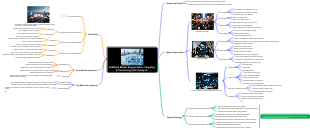
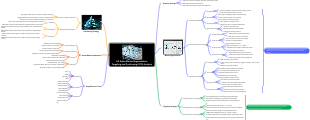
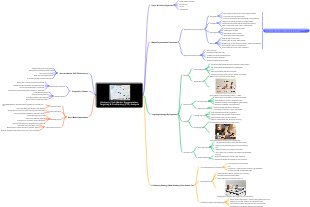
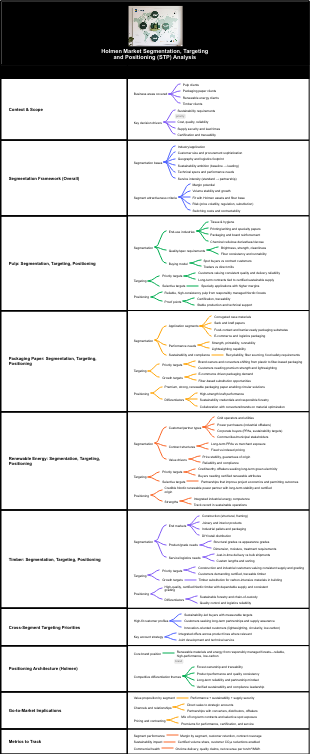
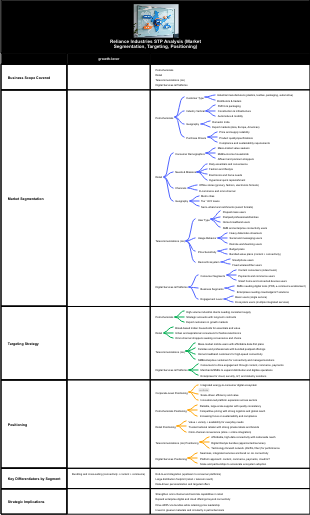
Explore the dynamic landscape of Rockwell Automation through a comprehensive Market Segmentation, Targeting, and Positioning (STP) Analysis. This analysis delves into the core mission of advancing industrial automation and digital transformation, focusing on key buying units such as plant operations, corporate leaders, and maintenance teams. Discover how the market is segmented by industry verticals, smart factory maturity stages, customer types, applications, and buying triggers. Key offerings include control hardware, software solutions, and lifecycle services, supported by a robust partner ecosystem. Join us in understanding how Rockwell Automation addresses diverse customer needs and drives innovation across various sectors.
Edited at 2026-03-26 01:26:37이 마인드맵은 ENHYPEN의 그룹 정체성, HYBE·CJ ENM과의 협력 구조, 글로벌 운영 전략을 다각적으로 분석한 종합 리서치 자료입니다. 중앙에 핵심 주제인 「ENHYPEN 혈통과 글로벌 운영」을 배치하고, 그룹의 배경, 사업 구조, 글로벌 성장 전략 등을 체계적으로 구조화했습니다. 1. 그룹의 핵심 배경과 정체성 마인드맵 좌측 상단 영역은 ENHYPEN의 탄생과 정체성을 정의합니다. 오디션 프로그램 《I-LAND》를 통해 탄생한 7인조 보이그룹으로, HYBE의 프로듀싱 역량과 CJ ENM의 방송·마케팅 인프라가 결합된 하이브리드 프로젝트로, 데뷔 초부터 글로벌 팬덤을 기반으로 빠르게 성장한 K팝 차세대 대표 그룹임을 강조합니다. 또한 멤버들의 다국적 구성(한국·미국·일본 등)을 통해 글로벌 시장 공략의 유리한 조건을 갖춘 점을 분석했습니다. 2. HYBE와 CJ ENM의 협력 구조 좌측 하단 영역은 그룹의 사업적 뿌리인 HYBE×CJ ENM의 공동 투자·운영 구조를 분석합니다. HYBE가 음악 프로듀싱·아티스트 관리·글로벌 마케팅을 총괄하고, CJ ENM이 방송 콘텐츠·국내 마케팅·플랫폼 연계를 담당하는 분업 구조를 중심으로, 두 기업의 시너지를 통해 ENHYPEN의 빠른 성장을 이끈 전략을 설명했습니다. 또한 BELIFT Lab을 중심으로 한 전담 운영 체계가 그룹의 안정적인 활동을 뒷받침하는 핵심 요건임을 정리했습니다. 3. 글로벌 운영과 성장 전략 우측 하단 영역은 ENHYPEN의 글로벌 확장 전략을 정의합니다. 월드 투어·해외 차트 진입·글로벌 SNS 마케팅을 중심으로, 미국·유럽·일본 등 주요 시장에서의 입지를 강화하는 전략을 강조합니다. 또한 HYBE의 글로벌 네트워크를 활용한 현지화 전략과, 다국적 멤버들의 언어·문화 역량을 활용한 팬 소통 전략을 통해 글로벌 팬덤을 확장하는 방안을 분석했습니다. 4. 무대·콘텐츠와 브랜딩 전략 우측 상단 영역은 그룹의 핵심 경쟁력인 무대 퍼포먼스와 콘텐츠 브랜딩을 분석합니다. 강렬한 퍼포먼스·독창적인 콘셉트·고품질 뮤직비디오를 중심으로, 그룹의 시각적 아이덴티티를 구축하고 팬의 시각적 만족도를 높이는 전략을 강조합니다. 또한 다양한 예능·리얼리티 콘텐츠를 통해 멤버들의 개성을 부각하고, 장기적인 팬덤 충성도를 높이는 브랜딩 전략을 정리했습니다. 이 마인드맵은 ENHYPEN의 성장 배경과 글로벌 운영 전략을 명확히 보여줍니다. 이를 통해 K팝 보이그룹의 성공 모델을 이해하고, HYBE·CJ ENM의 협력 구조가 아티스트 성장에 미치는 영향을 분석하는 데 활용할 수 있습니다.

이 마인드맵은 K팝 걸그룹 (여자)아이들의 핵심 경쟁력인 전소연 중심의 자체 프로듀싱 시스템의 전체 구조·운영 방식·성공 전략·업계 영향을 종합 분석한 실용 가이드로, 아이돌 그룹의 인하우스 프로듀싱 모델·자급자족 성공 전략 연구에 활용할 수 있는 핵심 프레임워크입니다. 1. 시스템 개요: 전소연 중심의 자체 프로듀싱 1) 핵심 개념 (여자)아이들 시스템의 핵심은 리더 전소연을 중심으로 한 100% 자체 프로듀싱입니다. 그룹의 모든 타이틀곡·수록곡·앨범 기획을 전소연이 직접 작곡·작사·프로듀싱하며, 멤버들의 아이디어를 통합해 완성도 높은 결과물을 만드는 구조로, 외부 프로듀서에 의존하지 않고 그룹만의 독보적인 색깔을 구축하는 것이 특징입니다. 2) 그룹 배경 (여자)아이들은 2018년 큐브엔터테인먼트에서 데뷔한 5인조 걸그룹으로, 데뷔곡 「LATATA」부터 전소연의 자작곡으로 연속 히트를 기록하며 '자체 제작 걸그룹'의 대표로 성장했습니다. 2. 시스템 핵심 구성 요소 1) 제작 프로세스(흐름) 아이디어 발굴: 전소연의 중심 아이디어를 바탕으로 멤버들의 의견을 수렴·통합 곡 작업·프로듀싱: 전소연이 직접 작곡·작사·편곡을 진행하고, 멤버별 보컬 특성에 맞춘 파트 배분 녹음·최종 검수: 보컬 녹음 후 전소연과 멤버 전체가 최종 검수·수정·보완 공개·피드백 반영: 앨범 공개 후 팬 피드백을 반영해 다음 작업에 반영 2) 팀 내 분업과 협업 전소연의 총괄 프로듀싱: 앨범 전체 기획·곡 작업·무대 연출까지 총괄 멤버의 역량 극대화: 각 멤버의 강점을 살린 파트 배분·콘텐츠 기획 참여 민주적 의사결정: 멤버 모두가 의견을 내고 토론하는 방식으로 그룹 결정에 참여 3. 장점과 리스크 관리 1) 시스템의 핵심 장점 그룹만의 독보적인 색깔: 외부 의존도를 낮추고 그룹의 정체성을 일관되게 유지 지속 가능한 성장 선순환: 전소연의 프로듀싱 역량 성장에 따라 콘텐츠 완성도도 높아지는 구조 글로벌 경쟁력 강화: 독특한 음악 스타일로 빌보드 차트 진입·월드투어 성공 등 글로벌 인기 확보 2) 리스크와 관리 전략 전소연 의존도 리스크: 멤버들의 자작곡 참여·프로듀싱 역량 강화로 의존도 분산 창작 슬럼프 리스크: 전소연의 창작 활동 지원·멤버들의 아이디어 발굴로 지속적인 창작 동력 확보 일정 관리 리스크: 체계적인 제작 스케줄 관리로 안정적인 앨범 발매 4. 창작·멤버 역량 관리 1) 창작 활동 지원 자유로운 창작 환경 보장: 소속사가 전소연의 창작에 최대한 자율성을 부여 외부 전문가 협업: 필요시 외부 편곡가·엔지니어와 협업해 완성도 높임 2) 멤버 역량 강화 멤버별 프로듀싱 역량 육성: 전소연의 지도 아래 멤버들의 작곡·작사 역량 강화 다방면 역량 개발: 보컬·안무·예능 등 다방면 역량 강화로 그룹 시너지 극대화 5. 시장과 업계 영향 1) K팝 걸그룹의 새로운 성공 공식 (여자)아이들의 전소연 중심 자체 프로듀싱 시스템은 '자체 제작 걸그룹'의 성공 공식을 새로 정립한 대표 사례로, 이후 많은 걸그룹이 인하우스 프로듀싱을 추구하게 만들었습니다. 2) 업계에 미친 영향 여성 프로듀서의 위상 강화: 전소연의 성공으로 K팝 내 여성 프로듀서의 입지를 높이고, 여성 아이돌의 창작 역량을 재조명 자급자족 모델의 확산: 아이돌 그룹의 자체 제작 모델을 업계 표준으로 자리 잡게 함 6. 결론 이 마인드맵은 (여자)아이들의 전소연 중심 자체 프로듀싱 시스템을 종합 분석한 종합 가이드로, K팝 아이돌 그룹의 자체 제작 모델·성공 전략을 이해하는 데 필수적인 자료입니다. (여자)아이들의 혁신적인 시스템은 K팝 산업의 지속 가능한 성장을 위한 중요한 참고 사례로, 향후 아이돌 그룹의 운영 전략 수립에 활용할 수 있는 구체적인 인사이트를 제공합니다.
이 마인드맵은 아이돌 팬덤의 팬그룹 소통 운영을 체계적으로 정리한 종합 가이드로, 소통의 목표·전략·관리·수익화 등을 다각적으로 분석했습니다. 팬덤 운영자·기획사·아이돌 모두가 활용할 수 있는 실용 프레임워크로, 건강한 팬문화 구축과 효율적인 소통 관리에 필수적인 자료입니다. 1. 개요: 팬그룹 소통의 핵심 정의 마인드맵 중앙의 팬그룹 소통 입문은, 아이돌 팬덤 내에서 팬과 아이돌·기획사 간의 원활한 소통을 이끌고, 건강한 팬문화를 조성하며 팬덤의 결속력과 충성도를 극대화하는 것을 목표로 한 종합 가이드입니다. 주요 분석 범위로는 소통 목표·채널·전략·관리·수익화·리스크 관리 등을 포함하며, 팬덤 운영의 전 과정을 표준화하는 것을 목표로 설정합니다. 2. 핵심 분석 프레임워크 2.1 소통 목표와 원칙 핵심 목표: 팬과 아이돌 간의 신뢰 구축, 팬덤 결속력 강화, 건강한 팬문화 조성, 아이돌 활동 지원 운영 원칙: 공정성·투명성·존중을 기반으로, 차별 없는 소통, 팬의 의견 존중, 분쟁 예방과 중재 2.2 소통 채널과 운영 전략 주요 채널: 카카오톡 오픈채팅·디스코드·SNS·팬카페 등, 목적에 맞는 채널 분류와 운영 방안 소통 전략: 정기적인 공지·이벤트·투표·Q&A를 통한 팬 참여 유도, 아이돌 소식 공유, 팬 간 교류 활성화 콘텐츠 전략: 아이돌 비하인드·팬아트·이벤트 후기 등 팬 흥미 유발 콘텐츠 기획 2.3 운영 관리와 역할 분담 운영 팀 구조: 그룹장·부운영자·분야별 담당자의 역할 분담, 의사결정 프로세스 표준화 규칙 관리: 그룹 규칙 제정·공지·준수 관리, 위반 시 제재 절차 마련 분쟁 관리: 팬 간 갈등·의견 충돌 시 중재·해결 프로세스, 공정한 판단 기준 2.4 수익화와 사업화 전략 수익 모델: 굿즈 공동 구매·이벤트 대행·광고 협찬 등, 팬덤 기반 수익 창출 방안 사업화 전략: 팬덤 규모 확대·협찬 유치·브랜딩을 통한 지속 가능한 수익 구조 구축 투명 경영: 수익·지출 내역 공개, 팬 신뢰 유지 2.5 리스크 관리와 안정화 주요 리스크: 팬 간 갈등·정보 유출·규칙 위반·외부 악성 댓글 등 관리 전략: 모니터링 체계 구축·신속한 대응·예방 교육·안전한 소통 환경 조성 위기 대응: 이슈 발생 시 대응 매뉴얼, 팬과의 소통을 통한 신뢰 회복 3. 실무 적용과 전략적 인사이트 3.1 팬덤 운영자 활용 방안 초기 운영 가이드: 그룹 개설·규칙 제정·운영 팀 구성 등 입문 단계 실무 가이드 운영 효율화: 자동화 툴·템플릿 활용, 업무 분담을 통한 운영 부담 감소 팬 경험 향상: 맞춤형 소통·이벤트 기획을 통한 팬 만족도 극대화 3.2 기획사·아이돌 활용 방안 팬덤 관리: 팬 의견 수렴·소통 채널 확장을 통한 아이돌 활동 지원 브랜딩 강화: 팬덤을 통한 긍정적 이미지 구축, 아이돌 활동 홍보 리스크 관리: 팬덤 내 이슈 모니터링·사전 예방을 통한 아이돌 이미지 보호 4. 결론: 팬그룹 소통의 가치와 전망 이 마인드맵은 아이돌 팬덤의 팬그룹 소통 운영을 위한 표준화된 프레임워크로, 건강한 팬문화 조성과 효율적인 팬덤 관리에 필수적인 가이드입니다. 팬덤 운영의 전 과정을 체계적으로 정리해, 초보 운영자도 쉽게 따라할 수 있는 실용적인 내용을 담고 있으며, K팝 팬덤 문화의 건전한 발전에 기여하는 핵심 자료로 활용됩니다.1. 개요: 미국 시장 돌파의 핵심 정의 마인드맵 중앙의 미국 시장 돌파 이정표는, K팝 아이돌이 세계 최대 음악 시장인 미국에 성공적으로 진출하고 지속 가능한 성장을 이루기 위한 전 과정을 단계별로 관리하는 전략 문서입니다. 주요 분석 범위로는 진출 단계, 핵심 성과 지표, 성공 요인, 리스크 관리 등을 포함하며, 미국 시장에서의 브랜드 가치 극대화와 장기 성장을 목표로 설정합니다. 2. 진출 단계별 전략 2.1 초기 진출 단계 (BoA 마켓 진출) 시장 진입 목표: 미국 음악 시장에 첫 발을 내딛고, 기본적인 인지도를 구축하는 단계 핵심 전략: 영어 싱글 발매, 빌보드 차트 진입 목표, 미국 주요 음악 플랫폼(Spotify, Apple Music) 진출 주요 활동: 영어 앨범 발매, 미국 라디오
이 마인드맵은 ENHYPEN의 그룹 정체성, HYBE·CJ ENM과의 협력 구조, 글로벌 운영 전략을 다각적으로 분석한 종합 리서치 자료입니다. 중앙에 핵심 주제인 「ENHYPEN 혈통과 글로벌 운영」을 배치하고, 그룹의 배경, 사업 구조, 글로벌 성장 전략 등을 체계적으로 구조화했습니다. 1. 그룹의 핵심 배경과 정체성 마인드맵 좌측 상단 영역은 ENHYPEN의 탄생과 정체성을 정의합니다. 오디션 프로그램 《I-LAND》를 통해 탄생한 7인조 보이그룹으로, HYBE의 프로듀싱 역량과 CJ ENM의 방송·마케팅 인프라가 결합된 하이브리드 프로젝트로, 데뷔 초부터 글로벌 팬덤을 기반으로 빠르게 성장한 K팝 차세대 대표 그룹임을 강조합니다. 또한 멤버들의 다국적 구성(한국·미국·일본 등)을 통해 글로벌 시장 공략의 유리한 조건을 갖춘 점을 분석했습니다. 2. HYBE와 CJ ENM의 협력 구조 좌측 하단 영역은 그룹의 사업적 뿌리인 HYBE×CJ ENM의 공동 투자·운영 구조를 분석합니다. HYBE가 음악 프로듀싱·아티스트 관리·글로벌 마케팅을 총괄하고, CJ ENM이 방송 콘텐츠·국내 마케팅·플랫폼 연계를 담당하는 분업 구조를 중심으로, 두 기업의 시너지를 통해 ENHYPEN의 빠른 성장을 이끈 전략을 설명했습니다. 또한 BELIFT Lab을 중심으로 한 전담 운영 체계가 그룹의 안정적인 활동을 뒷받침하는 핵심 요건임을 정리했습니다. 3. 글로벌 운영과 성장 전략 우측 하단 영역은 ENHYPEN의 글로벌 확장 전략을 정의합니다. 월드 투어·해외 차트 진입·글로벌 SNS 마케팅을 중심으로, 미국·유럽·일본 등 주요 시장에서의 입지를 강화하는 전략을 강조합니다. 또한 HYBE의 글로벌 네트워크를 활용한 현지화 전략과, 다국적 멤버들의 언어·문화 역량을 활용한 팬 소통 전략을 통해 글로벌 팬덤을 확장하는 방안을 분석했습니다. 4. 무대·콘텐츠와 브랜딩 전략 우측 상단 영역은 그룹의 핵심 경쟁력인 무대 퍼포먼스와 콘텐츠 브랜딩을 분석합니다. 강렬한 퍼포먼스·독창적인 콘셉트·고품질 뮤직비디오를 중심으로, 그룹의 시각적 아이덴티티를 구축하고 팬의 시각적 만족도를 높이는 전략을 강조합니다. 또한 다양한 예능·리얼리티 콘텐츠를 통해 멤버들의 개성을 부각하고, 장기적인 팬덤 충성도를 높이는 브랜딩 전략을 정리했습니다. 이 마인드맵은 ENHYPEN의 성장 배경과 글로벌 운영 전략을 명확히 보여줍니다. 이를 통해 K팝 보이그룹의 성공 모델을 이해하고, HYBE·CJ ENM의 협력 구조가 아티스트 성장에 미치는 영향을 분석하는 데 활용할 수 있습니다.
이 마인드맵은 K팝 걸그룹 (여자)아이들의 핵심 경쟁력인 전소연 중심의 자체 프로듀싱 시스템의 전체 구조·운영 방식·성공 전략·업계 영향을 종합 분석한 실용 가이드로, 아이돌 그룹의 인하우스 프로듀싱 모델·자급자족 성공 전략 연구에 활용할 수 있는 핵심 프레임워크입니다. 1. 시스템 개요: 전소연 중심의 자체 프로듀싱 1) 핵심 개념 (여자)아이들 시스템의 핵심은 리더 전소연을 중심으로 한 100% 자체 프로듀싱입니다. 그룹의 모든 타이틀곡·수록곡·앨범 기획을 전소연이 직접 작곡·작사·프로듀싱하며, 멤버들의 아이디어를 통합해 완성도 높은 결과물을 만드는 구조로, 외부 프로듀서에 의존하지 않고 그룹만의 독보적인 색깔을 구축하는 것이 특징입니다. 2) 그룹 배경 (여자)아이들은 2018년 큐브엔터테인먼트에서 데뷔한 5인조 걸그룹으로, 데뷔곡 「LATATA」부터 전소연의 자작곡으로 연속 히트를 기록하며 '자체 제작 걸그룹'의 대표로 성장했습니다. 2. 시스템 핵심 구성 요소 1) 제작 프로세스(흐름) 아이디어 발굴: 전소연의 중심 아이디어를 바탕으로 멤버들의 의견을 수렴·통합 곡 작업·프로듀싱: 전소연이 직접 작곡·작사·편곡을 진행하고, 멤버별 보컬 특성에 맞춘 파트 배분 녹음·최종 검수: 보컬 녹음 후 전소연과 멤버 전체가 최종 검수·수정·보완 공개·피드백 반영: 앨범 공개 후 팬 피드백을 반영해 다음 작업에 반영 2) 팀 내 분업과 협업 전소연의 총괄 프로듀싱: 앨범 전체 기획·곡 작업·무대 연출까지 총괄 멤버의 역량 극대화: 각 멤버의 강점을 살린 파트 배분·콘텐츠 기획 참여 민주적 의사결정: 멤버 모두가 의견을 내고 토론하는 방식으로 그룹 결정에 참여 3. 장점과 리스크 관리 1) 시스템의 핵심 장점 그룹만의 독보적인 색깔: 외부 의존도를 낮추고 그룹의 정체성을 일관되게 유지 지속 가능한 성장 선순환: 전소연의 프로듀싱 역량 성장에 따라 콘텐츠 완성도도 높아지는 구조 글로벌 경쟁력 강화: 독특한 음악 스타일로 빌보드 차트 진입·월드투어 성공 등 글로벌 인기 확보 2) 리스크와 관리 전략 전소연 의존도 리스크: 멤버들의 자작곡 참여·프로듀싱 역량 강화로 의존도 분산 창작 슬럼프 리스크: 전소연의 창작 활동 지원·멤버들의 아이디어 발굴로 지속적인 창작 동력 확보 일정 관리 리스크: 체계적인 제작 스케줄 관리로 안정적인 앨범 발매 4. 창작·멤버 역량 관리 1) 창작 활동 지원 자유로운 창작 환경 보장: 소속사가 전소연의 창작에 최대한 자율성을 부여 외부 전문가 협업: 필요시 외부 편곡가·엔지니어와 협업해 완성도 높임 2) 멤버 역량 강화 멤버별 프로듀싱 역량 육성: 전소연의 지도 아래 멤버들의 작곡·작사 역량 강화 다방면 역량 개발: 보컬·안무·예능 등 다방면 역량 강화로 그룹 시너지 극대화 5. 시장과 업계 영향 1) K팝 걸그룹의 새로운 성공 공식 (여자)아이들의 전소연 중심 자체 프로듀싱 시스템은 '자체 제작 걸그룹'의 성공 공식을 새로 정립한 대표 사례로, 이후 많은 걸그룹이 인하우스 프로듀싱을 추구하게 만들었습니다. 2) 업계에 미친 영향 여성 프로듀서의 위상 강화: 전소연의 성공으로 K팝 내 여성 프로듀서의 입지를 높이고, 여성 아이돌의 창작 역량을 재조명 자급자족 모델의 확산: 아이돌 그룹의 자체 제작 모델을 업계 표준으로 자리 잡게 함 6. 결론 이 마인드맵은 (여자)아이들의 전소연 중심 자체 프로듀싱 시스템을 종합 분석한 종합 가이드로, K팝 아이돌 그룹의 자체 제작 모델·성공 전략을 이해하는 데 필수적인 자료입니다. (여자)아이들의 혁신적인 시스템은 K팝 산업의 지속 가능한 성장을 위한 중요한 참고 사례로, 향후 아이돌 그룹의 운영 전략 수립에 활용할 수 있는 구체적인 인사이트를 제공합니다.
이 마인드맵은 아이돌 팬덤의 팬그룹 소통 운영을 체계적으로 정리한 종합 가이드로, 소통의 목표·전략·관리·수익화 등을 다각적으로 분석했습니다. 팬덤 운영자·기획사·아이돌 모두가 활용할 수 있는 실용 프레임워크로, 건강한 팬문화 구축과 효율적인 소통 관리에 필수적인 자료입니다. 1. 개요: 팬그룹 소통의 핵심 정의 마인드맵 중앙의 팬그룹 소통 입문은, 아이돌 팬덤 내에서 팬과 아이돌·기획사 간의 원활한 소통을 이끌고, 건강한 팬문화를 조성하며 팬덤의 결속력과 충성도를 극대화하는 것을 목표로 한 종합 가이드입니다. 주요 분석 범위로는 소통 목표·채널·전략·관리·수익화·리스크 관리 등을 포함하며, 팬덤 운영의 전 과정을 표준화하는 것을 목표로 설정합니다. 2. 핵심 분석 프레임워크 2.1 소통 목표와 원칙 핵심 목표: 팬과 아이돌 간의 신뢰 구축, 팬덤 결속력 강화, 건강한 팬문화 조성, 아이돌 활동 지원 운영 원칙: 공정성·투명성·존중을 기반으로, 차별 없는 소통, 팬의 의견 존중, 분쟁 예방과 중재 2.2 소통 채널과 운영 전략 주요 채널: 카카오톡 오픈채팅·디스코드·SNS·팬카페 등, 목적에 맞는 채널 분류와 운영 방안 소통 전략: 정기적인 공지·이벤트·투표·Q&A를 통한 팬 참여 유도, 아이돌 소식 공유, 팬 간 교류 활성화 콘텐츠 전략: 아이돌 비하인드·팬아트·이벤트 후기 등 팬 흥미 유발 콘텐츠 기획 2.3 운영 관리와 역할 분담 운영 팀 구조: 그룹장·부운영자·분야별 담당자의 역할 분담, 의사결정 프로세스 표준화 규칙 관리: 그룹 규칙 제정·공지·준수 관리, 위반 시 제재 절차 마련 분쟁 관리: 팬 간 갈등·의견 충돌 시 중재·해결 프로세스, 공정한 판단 기준 2.4 수익화와 사업화 전략 수익 모델: 굿즈 공동 구매·이벤트 대행·광고 협찬 등, 팬덤 기반 수익 창출 방안 사업화 전략: 팬덤 규모 확대·협찬 유치·브랜딩을 통한 지속 가능한 수익 구조 구축 투명 경영: 수익·지출 내역 공개, 팬 신뢰 유지 2.5 리스크 관리와 안정화 주요 리스크: 팬 간 갈등·정보 유출·규칙 위반·외부 악성 댓글 등 관리 전략: 모니터링 체계 구축·신속한 대응·예방 교육·안전한 소통 환경 조성 위기 대응: 이슈 발생 시 대응 매뉴얼, 팬과의 소통을 통한 신뢰 회복 3. 실무 적용과 전략적 인사이트 3.1 팬덤 운영자 활용 방안 초기 운영 가이드: 그룹 개설·규칙 제정·운영 팀 구성 등 입문 단계 실무 가이드 운영 효율화: 자동화 툴·템플릿 활용, 업무 분담을 통한 운영 부담 감소 팬 경험 향상: 맞춤형 소통·이벤트 기획을 통한 팬 만족도 극대화 3.2 기획사·아이돌 활용 방안 팬덤 관리: 팬 의견 수렴·소통 채널 확장을 통한 아이돌 활동 지원 브랜딩 강화: 팬덤을 통한 긍정적 이미지 구축, 아이돌 활동 홍보 리스크 관리: 팬덤 내 이슈 모니터링·사전 예방을 통한 아이돌 이미지 보호 4. 결론: 팬그룹 소통의 가치와 전망 이 마인드맵은 아이돌 팬덤의 팬그룹 소통 운영을 위한 표준화된 프레임워크로, 건강한 팬문화 조성과 효율적인 팬덤 관리에 필수적인 가이드입니다. 팬덤 운영의 전 과정을 체계적으로 정리해, 초보 운영자도 쉽게 따라할 수 있는 실용적인 내용을 담고 있으며, K팝 팬덤 문화의 건전한 발전에 기여하는 핵심 자료로 활용됩니다.1. 개요: 미국 시장 돌파의 핵심 정의 마인드맵 중앙의 미국 시장 돌파 이정표는, K팝 아이돌이 세계 최대 음악 시장인 미국에 성공적으로 진출하고 지속 가능한 성장을 이루기 위한 전 과정을 단계별로 관리하는 전략 문서입니다. 주요 분석 범위로는 진출 단계, 핵심 성과 지표, 성공 요인, 리스크 관리 등을 포함하며, 미국 시장에서의 브랜드 가치 극대화와 장기 성장을 목표로 설정합니다. 2. 진출 단계별 전략 2.1 초기 진출 단계 (BoA 마켓 진출) 시장 진입 목표: 미국 음악 시장에 첫 발을 내딛고, 기본적인 인지도를 구축하는 단계 핵심 전략: 영어 싱글 발매, 빌보드 차트 진입 목표, 미국 주요 음악 플랫폼(Spotify, Apple Music) 진출 주요 활동: 영어 앨범 발매, 미국 라디오
Rockwell Automation Market Segmentation, Targeting and Positioning (STP) Analysis
Market Context & Scope
Core mission
Industrial automation and digital transformation for manufacturing
Primary buying units
Plant operations and engineering
Corporate OT/IT and digital transformation leaders
Maintenance and reliability teams
Procurement and supply chain
OEM product and platform teams
Key offerings mapped to customer outcomes
Control & automation hardware
PLC/PAC, drives, motion, motor control, safety
Software & digital solutions
MES/MOM, SCADA/HMI, analytics, digital twin, edge-to-cloud integration
Services
Lifecycle services, consulting, cybersecurity, managed services, training
Partner ecosystem
System integrators, OEMs, cloud providers, technology alliances
Segmentation (How the market is divided)
Industry vertical (primary lens)
Discrete manufacturing
Automotive and EV/battery manufacturing
Semiconductor and electronics assembly
Aerospace and defense
Packaging machinery and general machinery
Hybrid industries
Food and beverage
Life sciences (pharma, medical devices)
Consumer packaged goods (CPG)
Process industries
Oil and gas (midstream/downstream focus)
Chemicals and specialty chemicals
Mining and metals
Water and wastewater
Logistics and intralogistics adjacent
Warehousing automation interfaces, conveyors, sortation control
Segment by how production flows differ: discrete vs hybrid vs continuous/process vs logistics-adjacent.
Smart Factory Maturity (digital adoption stage)
Stage 1: Foundational automation
Modernizing PLCs/drives, standardizing control architectures
Basic safety and compliance
Stage 2: Connected plant
Data acquisition, SCADA/HMI modernization
Network segmentation and secure remote access
Stage 3: Operational excellence (MOM/MES)
OEE, traceability, recipe/batch management
Quality management and production scheduling integration
Stage 4: Intelligent factory
Advanced analytics, AI/ML, anomaly detection
Digital twin/simulation, closed-loop optimization
Stage 5: Networked enterprise
Multi-site standardization, centralized governance
Enterprise KPI harmonization and global rollout playbooks
Customer type (go-to-market motion)
Large enterprise manufacturers
Multi-plant, global standards, high governance needs
Mid-market manufacturers
ROI-driven, limited engineering bandwidth, fast deployment needs
OEMs and machine builders
Embedded controls, scalable machine platforms, repeatable designs
System integrators and EPCs (influencer/partner buyers)
Project delivery capability, solution packaging, integration services
Application / use case
Production and process control
Motion, batching, continuous control, safety systems
Manufacturing operations management
OEE, downtime reduction, traceability, eBR (electronic batch record)
Asset performance and reliability
Predictive maintenance, condition monitoring, spares optimization
Energy and sustainability
Energy monitoring, emissions reporting, utility optimization
Cybersecurity and compliance
IEC 62443 alignment, risk assessments, SOC integration
Workforce enablement
Digital work instructions, AR/remote assistance, training
Buying trigger / priority
Capacity expansion or new line commissioning
Plant modernization / obsolescence replacement
Quality issues and recalls
Downtime and maintenance cost escalation
Regulatory compliance (pharma, food safety, safety standards)
Cyber incident or audit findings
Corporate sustainability mandates
Geography & regulatory environment
North America
Strong installed base, modernization, cybersecurity emphasis
Europe
Sustainability, energy efficiency, strong regulatory compliance
Asia-Pacific
Greenfield expansion, rapid scaling, cost-performance focus
Emerging markets
Price sensitivity, partner-led delivery, phased upgrades
Technology & architecture preference
Integrated architecture buyers
Preference for unified control + information stack
Best-of-breed integrators
Need open interfaces, interoperable ecosystems
Cloud-forward vs on-prem constrained
Data residency, latency, OT risk constraints
Standardization vs site autonomy
Global template vs local customization balance
Targeting (Which segments to prioritize and why)
Target Cluster A: Smart Factory Transformation Leaders (Enterprise)
Ideal customer profile (ICP)
Multi-site manufacturers with standardized automation roadmap
Strong business case around OEE, quality, and throughput
Executive sponsorship for digital operations
High-value needs
Plant-to-enterprise visibility, multi-site rollout governance
Cybersecure connectivity, data standardization
Winning approach
Land with a flagship plant; expand via global template
Bundle software + services for value realization
Target Cluster B: Modernization & Lifecycle Upgrades (Installed Base)
ICP
Plants with aging PLCs/drives/HMI, rising downtime risk
Safety and compliance upgrade requirements
High-value needs
Minimal downtime migration, risk-managed cutovers
Obsolescence planning and spares strategy
Winning approach
Assess–plan–migrate program, phased modernization
Service contracts and lifecycle management as differentiators
Target Cluster C: Regulated Hybrid Industries (Quality & Traceability)
ICP
Food & beverage, life sciences, medical devices, high audit pressure
High-value needs
End-to-end traceability, electronic records, validation support
Recipe/batch control and quality workflows
Winning approach
Solution playbooks (MES/MOM + validation + cybersecurity)
Partner with domain-specialized integrators
Target Cluster D: OEMs & Machine Builders (Platform Standardization)
ICP
OEMs scaling product lines and needing repeatable machine templates
High-value needs
Modular machine design, faster commissioning
Remote support, embedded analytics, serviceability
Winning approach
Co-engineering, reference architectures, developer enablement
Commercial programs for volume and long-term platform adoption
Target Cluster E: Mid-Market “Fast ROI” Manufacturers
ICP
Limited engineering resources, need packaged solutions
High-value needs
Quick deployment, predictable costs, training and support
Winning approach
Pre-configured bundles, guided implementation, partner-led delivery
Emphasize measurable ROI within 6–18 months
Targeting prioritization criteria (how to choose accounts)
Economic potential
TAM per account, expansion potential (software/services attach)
Strategic fit
Industry focus, architecture alignment, partner coverage
Urgency and timing
Project windows: expansions, shutdowns, audits
Win probability
Installed base presence, relationship strength, incumbent displacement risk
Delivery feasibility
Integrator capacity, internal services bandwidth, supply chain lead times
Value proof readiness
Available data, KPI baselines, pilot scalability
Prioritize clusters by repeatable value realization: enterprise scale, installed-base upgrades, regulated compliance, OEM platforms, and fast-ROI mid-market.
Positioning (How Rockwell should be perceived in each target)
Master brand positioning
Promise
Secure, scalable industrial automation and digital operations that turn manufacturing data into measurable performance
Differentiators to emphasize
Deep OT domain expertise with integrated control + software + services
Strong ecosystem of partners and integrators
Lifecycle support from design through operations
Cybersecurity-aware industrial connectivity
Proof points (types)
Installed base strength, references by vertical
Time-to-value metrics (downtime, throughput, quality)
Standards alignment (ISA-95, IEC 62443) and validated methodologies
Positioning by target cluster
A: Smart Factory Transformation Leaders
Positioning statement
Enterprise-scale standard for connected operations enabling multi-site visibility and continuous optimization
Key messages
Unified architecture across plants
Data contextualization for decision-making
Governance, cybersecurity, and scalability
Primary value metrics
OEE uplift, yield improvement, reduced unplanned downtime
Faster global rollout, reduced integration cost
B: Modernization & Lifecycle Upgrades
Positioning statement
Lowest-risk path to modern control with maximum uptime and long-term support
Key messages
Migration expertise, minimal downtime cutovers
Obsolescence management and lifecycle planning
Service-backed reliability
Primary value metrics
Reduced downtime incidents, maintenance cost reduction
Improved safety compliance, asset longevity
C: Regulated Hybrid Industries
Positioning statement
Compliance-ready digital operations for traceability, quality, and validated performance
Key messages
Audit-ready records, traceability-by-design
Validation support and change control
Secure data integrity and access controls
Primary value metrics
Reduced deviation rates, faster batch release
Fewer audit findings, improved recall readiness
D: OEMs & Machine Builders
Positioning statement
Modular automation platform accelerating machine innovation and reducing commissioning time
Key messages
Reusable modules, libraries, templates
Remote serviceability and digital features
Scalable BOM options and global support
Primary value metrics
Shorter time-to-commission, reduced engineering hours
Higher aftermarket service revenue, improved uptime
E: Mid-Market Fast ROI
Positioning statement
Packaged automation + digital tools delivering fast, predictable ROI with guided deployment
Key messages
Turnkey bundles, simplified engineering
Partner-led implementation and training
Stepwise roadmap to smart factory
Primary value metrics
Payback period, reduced scrap, improved throughput
Faster changeovers, reduced support burden
Competitive positioning (battlecard themes)
Versus broad industrial automation conglomerates
Tighter integration of OT control with pragmatic digital outcomes
Services and partner-enabled deployment speed
Versus pure-play software vendors
Shop-floor credibility, real-time control integration, safety
Full lifecycle responsibility, not just apps
Versus low-cost hardware competitors
Reliability, lifecycle support, cybersecurity, total cost of ownership
Reduced downtime and faster commissioning as ROI drivers
Versus local niche integrators
Global scale, standardized architectures, ecosystem breadth
Smart Factory Client Segmentation (Client personas)
Persona 1: Plant Performance Leader
Role
Plant manager, operations director
Jobs-to-be-done
Increase throughput, reduce downtime, stabilize schedules
Pain points
Poor visibility into losses, firefighting culture
What resonates
Quick wins, OEE dashboards tied to actions, reliability programs
Primary offers
Connected plant starter + downtime reduction analytics + services
Persona 2: OT/Controls Engineering Manager
Jobs-to-be-done
Standardize control, ensure maintainability, manage upgrades
Pain points
Legacy systems, talent gaps, integration complexity
What resonates
Reference architectures, migration toolkits, supportability
Primary offers
Modern control platform + lifecycle services + training
Persona 3: Manufacturing IT / Digital Transformation Lead
Jobs-to-be-done
Scale data platforms, ensure cybersecurity, align with IT standards
Pain points
OT/IT friction, security risk, inconsistent data models
What resonates
Secure connectivity, governance, scalable deployment patterns
Primary offers
Edge-to-cloud integration + secure remote access + data contextualization
Persona 4: Quality & Compliance Owner
Jobs-to-be-done
Ensure traceability, documentation, audit readiness
Pain points
Manual records, fragmented systems, validation overhead
What resonates
Electronic records, workflows, validation packages
Primary offers
MES/MOM with traceability + validation support + cybersecurity controls
Persona 5: Maintenance & Reliability Manager
Jobs-to-be-done
Reduce MTTR, prevent failures, manage spares
Pain points
Reactive maintenance, limited condition data
What resonates
Predictive insights, remote diagnostics, standardized parts
Primary offers
Asset monitoring + predictive maintenance + service agreements
Persona 6: Procurement / Finance Stakeholder
Jobs-to-be-done
Control capex/opex, reduce vendor risk
Pain points
Unclear ROI, hidden integration costs
What resonates
TCO models, phased roadmaps, measurable KPIs
Primary offers
Bundled solutions with ROI guarantees, standardized packages
Value propositions (what to claim, by benefit)
Productivity
Higher throughput via reduced micro-stops and optimized changeovers
Faster commissioning through reusable templates and modular design
Quality
Real-time SPC, end-to-end traceability, reduced scrap and rework
Reliability
Predictive maintenance, better alarm rationalization, remote troubleshooting
Agility
Faster product changeovers, recipe management, scalable line replication
Security & resilience
Segmented networks, secure remote access, incident response readiness
Sustainability & energy
Energy monitoring at line/asset level, reporting and optimization
Go-to-Market (GTM) motions aligned to segments
Account-based marketing (ABM) for enterprise targets
Identify lighthouse plants and corporate standardization initiatives
Executive workshops and value mapping sessions
Multi-site roadmap proposals
Solution plays (packaged offerings)
Connected Plant Starter Pack
MES/MOM for Traceability and Compliance
Modernization Migration Program
OEM Machine Platform Standardization Kit
Cybersecurity Assessment + Remediation Bundle
Channel and partner strategy
System integrators for scale and vertical expertise
OEM co-sell for embedded solutions
Technology alliances for cloud/analytics integration
Pricing and commercial packaging
Outcome-linked pilots (proof-of-value)
Subscription software with services attach
Lifecycle service contracts (SLA tiers)
Messaging architecture (what to say, to whom)
Executive messaging
Business outcomes: OEE, yield, risk reduction, time-to-market
Governance: scalable standards and predictable rollout costs
Engineering messaging
Interoperability, maintainability, migration path, safety
IT/security messaging
Zero trust principles, IEC 62443 alignment, secure remote operations
Quality/regulatory messaging
Data integrity, audit trails, validation and change control
KPI framework (how success is measured)
Commercial KPIs
Pipeline by segment, win rate, deal cycle time
Software attach rate, services attach rate, expansion revenue
Customer outcome KPIs
OEE, MTBF/MTTR, scrap rate, energy per unit
Batch release time, deviation rate, audit findings
Delivery KPIs
Time-to-commission, project schedule adherence
Post-deployment adoption and sustained value realization
Risks & mitigations (segment-specific)
Integration complexity
Mitigation: reference architectures, certified integrators, phased deployment
Cybersecurity incidents and OT downtime risk
Mitigation: assessments, segmentation, secure remote access, monitoring
Change management and adoption failure
Mitigation: operator-centric design, training, KPI-driven governance
Supply chain and lead-time constraints
Mitigation: standard part strategies, forecasting, lifecycle planning
Competitive displacement and incumbent lock-in
Mitigation: migration toolkits, ROI proofs, interoperability messaging