Wondershare EdrawMind
MindMap Gallery Organic Chemistry
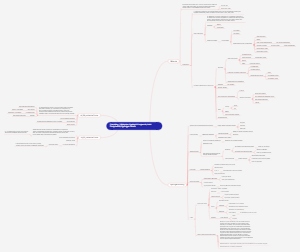
Organic Chemistry
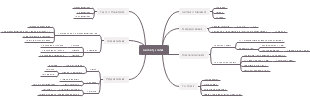
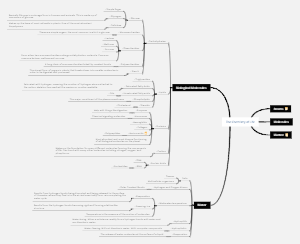
Organic chemistry is a branch of chemistry that studies the structure, properties and reactions of organic compounds, which contain carbon in covalent bonding. Study of structure determines their chemical composition and formula. Study of properties includes physical and chemical properties, and evaluation of chemical reactivity to understand their behavior.
Edited at 2023-10-04 15:02:32
- Generations of Computers
The evolution of computers can be categorized into eight generations, each characterized by significant advancements in technology. Here are the generations of computers.
- Input and Output Devices
Input and output devices are essential components of computer systems that allow users to interact with and receive information from the computer. Here are some different types of computer devices.
- Friction
Friction is the force resisting the relative motion of solid surfaces, fluid layers, and material elements sliding against each other.
Organic Chemistry
- Generations of Computers
The evolution of computers can be categorized into eight generations, each characterized by significant advancements in technology. Here are the generations of computers.
- Input and Output Devices
Input and output devices are essential components of computer systems that allow users to interact with and receive information from the computer. Here are some different types of computer devices.
- Friction
Friction is the force resisting the relative motion of solid surfaces, fluid layers, and material elements sliding against each other.
- Recommended to you
- Outline