 Wondershare EdrawMind
MindMap Gallery Biology-Cell membrane and transmembrane transport of substances mind map
- 48
Biology-Cell membrane and transmembrane transport of substances mind map
This is a mind map about biology - cell membranes and the transmembrane transport of substances. It summarizes the chemical composition and biological characteristics of cell membranes, the transmembrane transport of small molecule substances and ions, etc.
Edited at 2023-12-05 19:22:58
- Avatar Character Relationship Chart
Avatar 3 centers on the Sully family, showcasing the internal rift caused by the sacrifice of their eldest son, and their alliance with other tribes on Pandora against the external conflict of the Ashbringers, who adhere to the philosophy of fire and are allied with humans. It explores the grand themes of family, faith, and survival.
- Zootopia 2 Easter Egg
This article discusses the Easter eggs and homages in Zootopia 2 that you may have discovered. The main content includes: character and archetype Easter eggs, cinematic universe crossover Easter eggs, animal ecology and behavior references, symbol and metaphor Easter eggs, social satire and brand allusions, and emotional storylines and sequel foreshadowing.
- Zootopia 2 Character Relationship Chart
[Zootopia Character Relationship Chart] The idealistic rabbit police officer Judy and the cynical fox conman Nick form a charmingly contrasting duo, rising from street hustlers to become Zootopia police officers!
Biology-Cell membrane and transmembrane transport of substances mind map
- Avatar Character Relationship Chart
Avatar 3 centers on the Sully family, showcasing the internal rift caused by the sacrifice of their eldest son, and their alliance with other tribes on Pandora against the external conflict of the Ashbringers, who adhere to the philosophy of fire and are allied with humans. It explores the grand themes of family, faith, and survival.
- Zootopia 2 Easter Egg
This article discusses the Easter eggs and homages in Zootopia 2 that you may have discovered. The main content includes: character and archetype Easter eggs, cinematic universe crossover Easter eggs, animal ecology and behavior references, symbol and metaphor Easter eggs, social satire and brand allusions, and emotional storylines and sequel foreshadowing.
- Zootopia 2 Character Relationship Chart
[Zootopia Character Relationship Chart] The idealistic rabbit police officer Judy and the cynical fox conman Nick form a charmingly contrasting duo, rising from street hustlers to become Zootopia police officers!
- Recommended to you
- Outline
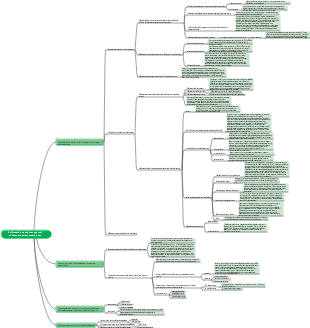
Cell membrane and transport of substances across membranes
Chemical composition and biological properties of cell membrane
chemical composition of cell membrane
Membrane lipids form the structural skeleton of cell membranes
Phospholipids are the main components of membrane lipids
Glycerophospholipid
Phosphatidylcholine (located in the inner layer of the lipid membrane, in small amounts, But it plays a vital role)
Phosphatidylethanolamine
Phosphatidylserine
Phosphatidylserine
Common features: With glycerol as the skeleton, the 1 and 2 hydroxyl groups of the glycerol molecule form lipid bonds with fatty acids respectively. The hydroxyl group at position 3 forms a lipid bond with the phosphate group
Sphingomyelin
The only phospholipid that does not use glycerol as its backbone, its content in membranes is small, but its content in cell membranes is high. Mainly synthesized in the Golgi complex
Role: Participate in various cellular activities, such as cell proliferation, differentiation and apoptosis, etc.
Cholesterol stabilizes cell membranes and regulates membrane fluidity
The content is higher in animal cell membranes and less in plants, accounting for about 2% of membrane lipids. It is also an amphipathic molecule, with a sterol ring in the middle and a hydroxyl group connected to the sterol ring as the head.
Function: It plays an important role in regulating the fluidity of the membrane and strengthening the stability of the membrane. The hydrophobic sterol is flat and rigid. It is fixed on the hydrocarbon chain near the head of the phospholipid molecule and interferes with the movement of the tail of the fatty acid chain of the phospholipid.
Glycolipids are mainly located on the non-cytoplasmic side of the plasma membrane
Properties: It is a hydrophilic lipid molecule, composed of lipids and oligosaccharides
Existence: Commonly found on the surface of prokaryotic and eukaryotic cell membranes, Content accounts for less than 5% of the total
In all cells, glycolipids are located in the non-cytolipid monolayer of the lipid bilayer. Sugar groups are exposed on the cell surface
Function: as a carrier, containing drugs or DNA, and transferring them into cells to study their biological effects Can be prepared with single or mixed phospholipids and can also embed different membrane proteins
The lipid bilayer has characteristics as an ideal structure for biological membranes
Forms a barrier separating two water-soluble environments
The membrane double layer is continuous and has the tendency to fuse with itself to form a closed cavity. No free boundaries were found within the cells, forming an extensive continuous pattern network
Lipid bilayers are flexible and can undergo variability, such as during cell division, movement, budding and fusion of secretory vesicles and fertilization all involve the deformable properties of the membrane.
Membrane proteins associate with lipid bilayers in multiple ways
The content and type of membrane proteins in different biological membranes vary greatly. The more complex the function of a membrane, the higher its protein content.
type
intrinsic membrane protein
Penetrating membrane proteins, accounting for 70%-80% of the total membrane proteins, are amphipathic molecules; Can be divided into single membrane penetrating, multiple membrane penetrating, and multi-subunit penetrating membrane proteins; Most transmembrane proteins have an a-helical conformation in their transmembrane domain, and some transmembrane proteins transmembrane in a 3-pleated sheet (B-pleated sheet) conformation. A tubular structure enclosed in the lipid bilayer, called a 3-barrel external membrane protein
external membrane protein
Also known as peripheral proteins, they account for 20% to 30% of the total membrane proteins; they are distributed on the cytoplasmic side or extracellular side of the plasma membrane. It is a type of protein that is loosely bound to the cell membrane and does not insert into the lipid bilayer; it is a water-soluble protein and its binding to the membrane is weak.
Role: What has been well studied is that peripheral proteins located on the inner surface of the plasma membrane maintain the biconcave shape of red blood cells and resist the pressure when they cross capillaries. and plays an important role in maintaining the integrity of red blood cell membranes. Some function as enzymes or factors that transmit extracellular signals.
lipid anchored protein
Also called liponectin; located on both sides of the membrane, binding to lipid molecules in the lipid bilayer via covalent bonds; Covalently bonded to lipid molecules in two ways
1. Located on the plasma membrane side, some intracellular signaling proteins directly interact with Certain fatty acid chains in the lipid bilayer form covalent bonds and are anchored to the lipid bilayer;
2. Located on the outer surface of the plasma membrane, anchored to the plasma membrane through covalent bonds with oligosaccharide chains linked to phosphatidylinositol molecules. These phosphatidylinositol molecules are located in the outer layer of the lipid bilayer and are also known as glycosylphosphatidylinositol-anchored proteins
lipid anchored protein
Also called liponectin; located on both sides of the membrane, binding to lipid molecules in the lipid bilayer via covalent bonds; Covalently bonded to lipid molecules in two ways
1. Located on the plasma membrane side, some intracellular signaling proteins directly interact with Certain fatty acid chains in the lipid bilayer form covalent bonds and are anchored to the lipid bilayer;
2. Located on the outer surface of the plasma membrane, anchored to the plasma membrane through covalent bonds with oligosaccharide chains linked to phosphatidylinositol molecules. These phosphatidylinositol molecules are located in the outer layer of the lipid bilayer and are also known as glycosylphosphatidylinositol-anchored proteins
Several binding methods of membrane proteins in membranes
A~C. Transmembrane proteins, in the form of A helices or B barrels that penetrate the membrane once or multiple times D. Located on the cytoplasmic side, it binds to the membrane by interacting with the lipid monolayer on the cytoplasmic surface through the hydrophobic surface of the a-helix exposed on the protein surface; E. The lipid anchor protein located on the cytoplasmic side directly binds to the fatty acid chain in the lipid monolayer on the cytoplasmic side through covalent bonds; F. Lipid-anchored protein GPI located on the outer surface of the plasma membrane G and H membrane extrinsic proteins indirectly bind to the membrane through non-covalent interactions with the polar heads of membrane lipids or the hydrophilic regions of intrinsic proteins.
Detergent: A reagent that isolates intrinsic membrane proteins and can interfere with hydrophobic interactions and destroy the double layer
Membrane sugars cover the surface of the cell membrane
Definition: Sugars account for approximately 2% to 10% of the weight of the plasma membrane: 93% of the sugars in membrane sugars are covalently bound to membrane proteins in the form of oligosaccharides or polysaccharides chains to form glycoproteins; The extracellular coat generally refers to the carbohydrate material connected to the plasma membrane, that is, the oligosaccharide linkage portion extended from the glycoproteins and glycolipids in the plasma membrane to the outer surface. Is part of the plasma membrane structure;
Function: The basic function of the cell coat is to protect cells against various physical and chemical damages, and participate in cell recognition and adhesion. Functional activities such as migration
biological properties of cell membranes
Membrane asymmetry determines the directionality of membrane function
1. Membrane asymmetry
The composition and distribution of lipid components in different membranous organelles are different. Allowing organisms within cells to have different properties and functions. Some lipid molecules in the lipid bilayer can provide binding sites for specific proteins. It plays an important role in maintaining the correct positioning and polarity of membrane proteins in the lipid bilayer. In addition, the asymmetric distribution of membrane lipids results in different fluidity between the inner and outer layers of the lipid bilayer.
2. Asymmetry of membrane proteins
Membrane protein distribution is absolutely asymmetric
3. Asymmetry of membrane sugars
The distribution of membrane sugars is significantly asymmetric, and the oligosaccharide side chains of cell membrane glycolipids and glycoproteins are only distributed on the outer surface of the plasma membrane. In the endomembrane system, oligosaccharide side chains are distributed on the inner surface of the membrane cavity.
The asymmetry of membrane lipid membrane protein and membrane sugar distribution is closely related to the asymmetry and directionality of membrane function. has important biological significance. The asymmetry in the membrane structure ensures the directionality of membrane function and the high orderliness of life activities.
Membrane fluidity is the guarantee of membrane functional activity
The lipid bilayer is a liquid crystalline two-dimensional fluid
How membrane lipid molecules move
lateral diffusion
Refers to the rapid exchange of positions between the lipid molecules in the monolayer of the lipid bilayer and adjacent molecules on the side of the grinding plane. The exchange frequency is approximately 10 to the 7th power per second
It is the main mode of movement of membrane lipid molecules. This movement always maintains the arrangement direction of the molecules, with the head group of the clear water facing the membrane surface. The hydrophobic tail faces toward the interior of the membrane.
flipping motion
Refers to the movement of membrane lipid molecules from one monolayer to another in the lipid bilayer. It usually occurs rarely. Because when flipping movement occurs, the hydrophilic head group of the phospholipid will pass through the hydrophobic layer inside the membrane and overcome the resistance of the hydrophobic area, can reach another level, which is thermodynamically very unfavorable
rotational motion
It is the spin motion of membrane lipid molecules around an axis perpendicular to the plane of the membrane.
bending motion
Membrane lipid molecules are flexible and flexible
Factors affecting membrane lipid fluidity
Degree of saturation of fatty acid chains: The more unsaturated fatty acids, the lower the relative temperature of the membrane and the greater the fluidity
The length of the fatty acid chain: the fatty acid chain is short, the phase transition temperature is low, and the fluidity is high
Dual regulatory effect of cholesterol: Animal cell membranes contain more cholesterol, which stabilizes the plasma membrane and increases order when the temperature is above the phase transition temperature; Below the phase transition temperature, the sudden decrease in membrane fluidity at low temperatures can be prevented.
Lecithin to sphingomyelin ratio: The ratio of lecithin to sphingomyelin decreases and the fluidity decreases
Influence of membrane proteins: the more embedded proteins, the more interface lipids, and the less fluidity of membrane lipids
Mobility of membrane proteins: moves slower
Lateral diffusion: membrane proteins can float freely in membrane lipids and diffuse on the surface
Rotational motion: also called rotational diffusion, membrane proteins can rotate around an axis perpendicular to the membrane plane. slow diffusion
Membrane fluidity has very important physiological significance, such as material transport, cell recognition, information transduction, etc. Functions are closely related to membrane fluidity. The various functions of biological membranes are completed in the fluid state of the membrane.
Molecular structure model of cell membrane
The lamellar structure model has the characteristics of a three-layer plywood structure.
Protein-phospholipid-protein three-layer sandwich structure
The unit membrane model reflects the common characteristics of membrane morphology and structure
Two dark and one light, the phospholipid bilayer constitutes the main body of the membrane, with its hydrophilic end facing outward and the attached protein The molecules form the dark line, and the hydrophobic tails of the phospholipid molecules form the bright line.
The flow mosaic model is a generally accepted model
Protein molecules in the membrane are combined with the lipid bilayer in different forms, and some are embedded in the lipid bilayer. Some are attached to the surface of the lipid bilayer and are a dynamic, asymmetric and fluid structure.
Lipid raft model deepens understanding of membrane structure and function
Transport of small molecules and ions across membranes
Selective permeability and simple diffusion of membranes
The permeability of substances transported across membranes depends on the inherent lipid solubility and properties of matter itself
Simple diffusion: two conditions are met: 1. The solute maintains a certain concentration on both sides of the membrane Concentration difference. 2. The solute must be able to pass through the membrane. Both temperature and membrane area affect its diffusion rate
Transmembrane transport mediated by membrane transport proteins
The activity of membrane transport proteins and their number on the cell membrane determine their ability to transport substances
Facilitated diffusion is passive transport mediated by carrier proteins
structure specificity
saturation phenomenon
competitive inhibition
Features
Active transport is carrier protein-mediated transport of substances against an electrochemical gradient, Transmembrane transport from low concentration to high concentration
Active transport is the energy-consuming transport of carrier proteins against the concentration of
ATP driven pump
mark
1.P-type ion pump: two independent large subunits, with ATP binding sites, and most also have 2 small beta subunits, which usually regulate
Na _K pump
Meaning: 1. Regulate osmotic pressure and maintain constant cell volume, 2. Maintain membrane potential. 3. Provide driving force for the absorption of certain substances, 4. Can provide necessary ion concentration for protein synthesis and metabolic activities
Ca2 pump
V-type proton pump: mainly exists only in the membrane acidic compartment of eukaryotic cells
F-type proton pumps mainly exist in bacterial plasma membranes, mitochondrial inner membranes and chloroplast membranes. It is the energy released by the hydrogen ion concentration gradient operation, which converts ADP into ATP. Occasionally proton transport and ATP synthesis, therefore the F-type proton pump is also called hydrogen ion ATP synthase.
ABC transporter is a type of transport protein that functions as ATP.
co-transportation
Co-transport: It is the joint transport of two solute molecules in the same direction mediated by a carrier protein
Opposite transport: the same transporter transports two different ions or molecules in opposite directions across the membrane, driven by ion concentration gradients
Ion channels efficiently transport various ions
Classification
gated type
Ungated
Characteristics of ion channels
Channel proteins mediate passive transport. The channel is bidirectional. The net flux of ions depends on the electrochemical degree. The channel protein does not bind to solute molecules during the transport process.
Ion channels are highly selective for the size and charge of the transported ions.
Ion channel type
Ligand-gated channels: actually ion channel-type receptors that bind to specific extracellular ligands After binding, after the conformation occurs, the "door" is opened, allowing certain ions to quickly diffuse across the membrane.
Voltage-gated channels: Changes in membrane potential are the direct factor that controls the opening and closing of voltage-gated channels.
Stress-activated channel: The channel protein changes its conformation upon sensing stress, opening the channel to open the "gate", and ions entering the cell through the clear water channel, causing changes in membrane potential and generating electrical signals.
Aqueous channels mediate rapid transport of water
Classification of water channels
selective water channel
water-glycerol channel
The structure of aquaporin
The screening mechanism of water molecules by water channels
Transport of macromolecules and particulate matter across membranes
Material exchange and information exchange both play an important role
Endocytosis: Also known as endocytosis, the plasma membrane invaginates and surrounds extracellular materials to form endocytic vesicles. The transport process out of the plasma membrane and into the cell
endocytosis
Phagocytosis is the process of ingestion of particulate matter by phagocytes
Pinocytosis is the process by which cells engulf fluids and soluble substances
Receptor-mediated endocytosis increases the efficiency of uptake of specific substances
Formation of tegument cells and vesicles
Receptors are concentrated in specific areas of the lipid membrane called caveolae (proteins)
clathrin
Outer layer, non-specific, also called cage protein It is a protein complex composed of 3 heavy chains and 3 light hydrocarbon chains
Pulls the plasma membrane inward, participates in capturing specific membrane receptors and causing them to accumulate in the coated pits
Uncoated vesicles are formed and fuse with endosomes and lysosomes in sequence
The LDL receptor is composed of a single 839-amino acid Cross-modulating glycoprotein, when cells need to use cholesterol, The cell synthesizes the LDL receptor and embeds it into the plasma membrane.
adapter protein
between clathrin and ligand-receptor complexes
Participates in the formation of coatings and can specifically bind to the cytoplasmic surface of transmembrane receptors Tail peptide signals, thereby enabling receptor-mediated selective transport by clathrin by vesicles
exocytosis
Combine cells with secreted enzymes, hormones and some undecomposed An important way for substances to be expelled from cells
Continuous secretion is unregulated continuous secretion by cells
Regulated secretion is selective secretion regulated by extracellular signals
subtopic
Cell membrane abnormalities and diseases
Carrier protein abnormalities and disease
Cystic aciduria is a carrier protein disorder
Renal glycosuria is a disease with abnormal glucose carrier proteins
ABC transporter abnormalities and diseases
cystic fibrosis
Membrane receptor abnormalities and diseases
familial hypercholesterolemia