MindMap Gallery Human resources work planning
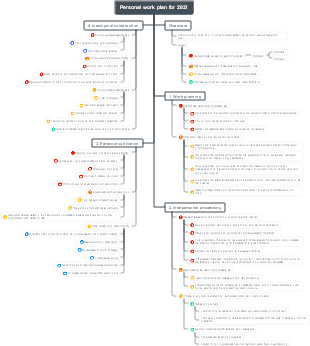
The picture below introduces the human resources work plan for 2022, including ideas, analysis, plans, implementation plans and other sections. Friends in need can collect the picture below for reference!
Edited at 2022-03-23 22:30:06This is a mind map about bacteria, and its main contents include: overview, morphology, types, structure, reproduction, distribution, application, and expansion. The summary is comprehensive and meticulous, suitable as review materials.

This is a mind map about plant asexual reproduction, and its main contents include: concept, spore reproduction, vegetative reproduction, tissue culture, and buds. The summary is comprehensive and meticulous, suitable as review materials.
This is a mind map about the reproductive development of animals, and its main contents include: insects, frogs, birds, sexual reproduction, and asexual reproduction. The summary is comprehensive and meticulous, suitable as review materials.
This is a mind map about bacteria, and its main contents include: overview, morphology, types, structure, reproduction, distribution, application, and expansion. The summary is comprehensive and meticulous, suitable as review materials.
This is a mind map about plant asexual reproduction, and its main contents include: concept, spore reproduction, vegetative reproduction, tissue culture, and buds. The summary is comprehensive and meticulous, suitable as review materials.
This is a mind map about the reproductive development of animals, and its main contents include: insects, frogs, birds, sexual reproduction, and asexual reproduction. The summary is comprehensive and meticulous, suitable as review materials.
Human Resources 2022 work planning
Corporate Strategy
mission Vision Core values ---Innovation --- Review of innovation activities --- Review process and standard requirements core competitiveness organizational climate
Strategic Positioning:
Become the No. 1 brand of domestic veterinary drugs
Market leading
profit growth
Customer recognition
Employees are satisfied
Strategy decoding
Step 1: Decode the business
profit growth
Market leading
Customer recognition
Employees are satisfied
Step Two: Decode the Organization
continue to innovate
System
human Resources
company culture
Step 3: Match the core strategy of human resources
Talent allocation strategy
Talent development strategy
Talent utilization strategy
Talent motivation strategy
HR strategy
Human resources strategic planning purpose
1. Satisfy employees’ career development
2. Improve human efficiency and profitability
3. Reasonably allocate human resources (reduce people and increase production)
4. Meet business and organizational development needs
Human resources strategic planning goals
1. According to the medium and long-term development requirements of the enterprise, ensure its need for total human resources
2. Optimize the human resources structure and form a reasonable talent structure to meet the needs of talents at all levels and majors of the enterprise
3. Improve the quality of each worker to adapt to the requirements of his or her job, improve the overall quality of the workforce, and maximize the overall effectiveness of human resources
4. Strive to transform manpower into talents, promote every worker to become talented, give full play to their enthusiasm, initiative and creativity, and make due contributions to the development and progress of the enterprise
Human resources strategic planning and positioning
Corporate strategy: Become the first domestic brand of veterinary drugs
As one of the core competencies of an organization, human resource management has every activity and result closely linked to the realization of strategy.
Human resources core strategy:
Talent allocation strategy
Recruitment strategy
1. Promote employer brand
2. Expand recruitment channels
3. Talent selection technology
Talent development strategy
training strategy
1. Construction of training system
2. Construction of employee development system
3. Improvement of management leadership
Talent utilization strategy
performance strategy
1. Construction of performance management system
2. Improvement of independent performance management capabilities
3. Establishment of performance monitoring mechanism
cultural strategy
1. Establishment of corporate culture
2. Implementation of corporate culture
Talent motivation strategy
salary incentives
1. Establishment of rank and salary sequence for all employees
2. Establishment of dynamic salary adjustment mechanism
3. Establishment of dynamic reward mechanism
Problems in human resource management
Organizational management
1. Lack of basic job description
2. The division of responsibilities of each position and the responsible entities are unclear
3. The human resources system process is not systematic enough
Influence: Under the new market competition situation, it is impossible to ensure the efficiency of human resources management Leading competitors in quality and unable to match the strategic goals of consolidating first-line brands
Change measures:
1. Develop job descriptions
2. Improve various systems and processes of human resources management
3. Improve the professional skills and professionalism of human resources personnel
Recruitment configuration
1. There is a lack of systematic talent demand plan, and temporary recruitment needs are more random.
2. Job recruitment satisfaction rate is low
3. Lack of follow-up and care plans during the probation period
Influence: Unable to meet the needs of rapid business development in a timely manner; The staff turnover rate is high and management cost losses are serious; Impact of negative impact on employer image; Influence the company's business development and improve efficiency;
Change measures:
1. Annual staffing planning
2. Personnel recruitment requires planning and strict control of labor costs.
3. Establish standardized recruitment management processes to improve recruitment efficiency
4. Fully implement the probation period follow-up and care plan for new employees
training and development
1. The training system is not systematic, and the execution quality and effect of training projects are poor.
2. The employee development and promotion management mechanism is lagging behind
3. Lack of systematic training of middle- and senior-level personnel
Influence: The improvement of employees' abilities and quality cannot keep up with the company's business development Speed cannot support strategic development
change measures
1. Systematic training of leadership for management cadres
2. Systematic training to improve the quality of management cadres
3. New employee induction and on-the-job training
4. Build a team of internal trainers, improve the teaching ability of internal trainers, and record video courses
5. Carry out internal open classes and reading salon activities
6. Establish an internal trainer management system
performance management
1. Overall lack of performance management system
2. Lack of standards for evaluating outstanding employees and average employees
Influence: There are many obstacles when decomposing the strategy, and it cannot transform the work behavior of each employee. The business process cannot be effectively monitored and corrected Employee evaluation cannot be performance-oriented, objective and fair, and Effectively identify internal talent
change measures
1. Establish a performance management system covering all employees
2. Implement operation supervision mechanism
3. Implement a performance reward fund mechanism
4. Standardize salary adjustment management
Payroll management
1. Lack of systematic standards for rank and salary sequence
2. The salary promotion adjustment mechanism is not standardized
Personal monthly performance reaches %
Personal performance report reaches %
Company annual revenue growth %
3. The bonus incentive mechanism is not fair and effective enough
Influence: Difficulty motivating employees to produce high performance; excellent talent exists risk of churn
change measures
1. Establish a salary grade system for all employees
2. Combine salary levels with performance development
3. Employee evaluation is performance-oriented
Cultural Construction
1. Lack of mission, vision, strategy, and business management concepts Systemic culture such as core values and employee code of conduct
2. Lack of ideas and implementation plans for system building culture
Influence: The corporate culture is one-sided and unsystematic, and various ideas remain just words. Corporate culture has not been integrated into employee behavior, and corporate culture has not played a role in supporting strategy.
change measures
1. Systematically sort out corporate culture and prepare a corporate culture manual
2. Formulate an outline for corporate culture construction and systematically build corporate culture
Four fixed cost analysis
Human resources promotion plan
Attachment: Action Plan
System/Process/Plan
1. Corporate strategy map
2. Human resources strategy map (three dimensions)
1. Human resources effectiveness
Determined by the status of the human resources team
2. Human resources team
Determined by the operation of the human resources function------Organization Talent
3. Human resources functions
select
educate
use
Keep