MindMap Gallery Primary glomerular disease (nephrotic syndrome)
This is a mind map about primary glomerular disease (nephrotic syndrome), including diagnostic criteria, cause, Pathophysiology, pathological types and their clinical characteristics, complications, treatment, etc.
Edited at 2024-03-08 10:43:27This is a mind map about bacteria, and its main contents include: overview, morphology, types, structure, reproduction, distribution, application, and expansion. The summary is comprehensive and meticulous, suitable as review materials.

This is a mind map about plant asexual reproduction, and its main contents include: concept, spore reproduction, vegetative reproduction, tissue culture, and buds. The summary is comprehensive and meticulous, suitable as review materials.
This is a mind map about the reproductive development of animals, and its main contents include: insects, frogs, birds, sexual reproduction, and asexual reproduction. The summary is comprehensive and meticulous, suitable as review materials.
This is a mind map about bacteria, and its main contents include: overview, morphology, types, structure, reproduction, distribution, application, and expansion. The summary is comprehensive and meticulous, suitable as review materials.
This is a mind map about plant asexual reproduction, and its main contents include: concept, spore reproduction, vegetative reproduction, tissue culture, and buds. The summary is comprehensive and meticulous, suitable as review materials.
This is a mind map about the reproductive development of animals, and its main contents include: insects, frogs, birds, sexual reproduction, and asexual reproduction. The summary is comprehensive and meticulous, suitable as review materials.
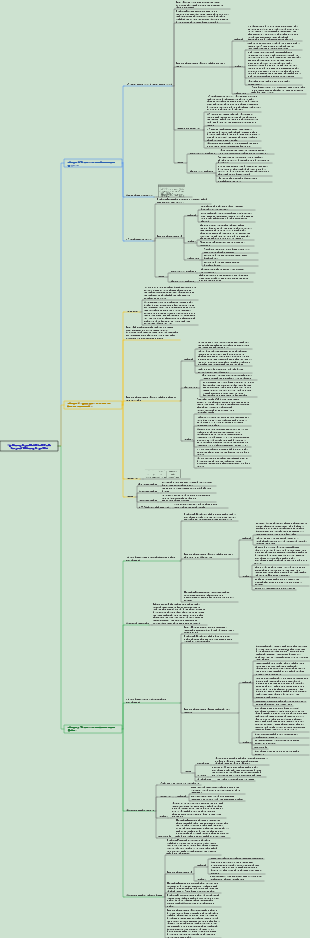
primary glomerular disease
nephrotic syndrome
Diagnostic criteria
Massive proteinuria (>3.5g/d)
One of the necessary conditions for diagnosis
Hypoalbuminemia (serum albumin <30g/d)
One of the necessary conditions for diagnosis
Edema
Hyperlipidemia
Cause
primary
minimal change type
Mesangial proliferative glomerulonephritis
focal segmental glomerulosclerosis
membranous nephropathy
Mesangial capillary glomerulonephritis
Secondary
Henoch-Schonlein purpura nephritis
Lupus nephritis
diabetic nephropathy
★Mainly damage to basement membrane and podocyte cells → damage to mechanical and chemical barriers
Pathophysiology
massive proteinuria
Normally, the glomerulus has a filtration membrane with a molecular barrier and a charge barrier.
hypoalbuminemia
Large amounts of protein are lost in the urine
Promote hepatic compensatory synthesis of albumin to increase
Insufficient hepatic albumin synthesis to resist loss and breakdown
Part of the albumin is broken down in the proximal convoluted tubule
Edema
Hyperlipidemia
Pathological types and clinical characteristics (gold standard renal biopsy)
Minimal change nephropathy (lipid nephropathy) → more common in children
Fatty degeneration can be seen in the proximal tubules
Extensive foot process fusion of glomerular visceral epithelial cells (impaired chemical barrier)
★The glomerular structure is basically normal → the basement membrane is normal (the physical barrier is normal)
★Prevalent acute kidney injury
Belongs to cellular immunity → no immune complex deposition
★Treatment
Sensitive to glucocorticoids
Mesangial proliferative glomerulonephritis (more common in adolescents)
Iga nephropathy (mainly Iga deposition)
Non-Iga mesangial proliferative glomerulonephritis (mainly IgG or IgM) C3 is deposited granularly in the glomerular mesangium and capillary walls
Diffuse proliferation of glomerular mesangial cells and mesangial matrix
focal segmental glomerulosclerosis
Lesion focus/segment distribution
Membranous nephropathy (common in middle-aged and elderly people)
Diffuse glomerular disease
★★★Renal vein thrombosis is common
Capillary wall thickening, subepithelial immune protein dense deposits forming spikes, foot processes disappearing
Mesangial capillary glomerulonephritis/membranoproliferative glomerulonephritis
Thickening of basement membrane, proliferation of glomerular cells, and increase of mesangial matrix (double-track sign)
complication
Infect
Thrombus/embolism
Hemoconcentration Hyperlipidemia → Increased blood viscosity
Thrombus anticoagulation indications
Plasma albumin<20g/l
Medication: low molecular weight heparin
acute kidney injury
Proteolipid and fat metabolism disorders (without electrolyte disorders)
treat
Glucocorticoids for lipid nephropathy
Ineffective addition of cytotoxic drugs
Glucocorticoids for focal segmental glomerulosclerosis
Ineffective cyclosporine
Membranous nephropathy (very stubborn)
Glucocorticoids Cytotoxic drugs
Commonly used cytotoxic drugs (cyclophosphamide)
Replenish
Diabetic nephropathy ≠ nephrotic syndrome combined with diabetes
Diabetic nephropathy (diabetes >10 years)
Glucocorticoids should not be used
Nephrotic syndrome combined with diabetes (nephropathy first, and diabetes <10 years)
Glucocorticoids are required
Replenish
Foot process fusion/disappearance
Lipid nephropathy
membranous nephropathy
focal segmental glomerulosclerosis
mesangial cell proliferation
membranoproliferative
mesangial hyperplasia
nail process
membranous nephropathy