MindMap Gallery Basic techniques of oral local anesthesia
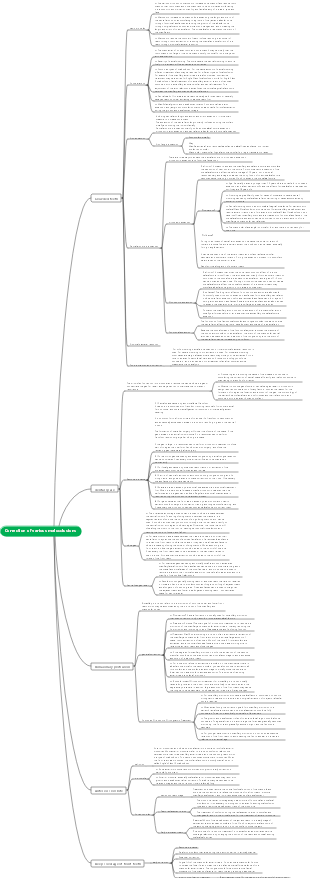
Reading notes: The basic techniques of oral local anesthesia, mainly including topical anesthesia, Infiltration anesthesia, block anesthesia, etc. Welcome to like and collect~
Edited at 2024-03-09 13:24:57This is a mind map about bacteria, and its main contents include: overview, morphology, types, structure, reproduction, distribution, application, and expansion. The summary is comprehensive and meticulous, suitable as review materials.
This is a mind map about plant asexual reproduction, and its main contents include: concept, spore reproduction, vegetative reproduction, tissue culture, and buds. The summary is comprehensive and meticulous, suitable as review materials.
This is a mind map about the reproductive development of animals, and its main contents include: insects, frogs, birds, sexual reproduction, and asexual reproduction. The summary is comprehensive and meticulous, suitable as review materials.
This is a mind map about bacteria, and its main contents include: overview, morphology, types, structure, reproduction, distribution, application, and expansion. The summary is comprehensive and meticulous, suitable as review materials.
This is a mind map about plant asexual reproduction, and its main contents include: concept, spore reproduction, vegetative reproduction, tissue culture, and buds. The summary is comprehensive and meticulous, suitable as review materials.
This is a mind map about the reproductive development of animals, and its main contents include: insects, frogs, birds, sexual reproduction, and asexual reproduction. The summary is comprehensive and meticulous, suitable as review materials.
Anesthesia classification
topical anesthesia
definition
Also known as coating anesthesia, it refers to applying topical anesthetics to the mucosal surface to cause loss of pain sensation in superficial tissues.
Scope of application
It can be used for incision of submucosal abscesses and extraction of loose deciduous teeth. Topical anesthesia before injection anesthesia can reduce the pain caused by needle tip penetration.
Most commonly used topical anesthetics
2% to 5% lidocaine
0.25% ~ 0.5% tetracaine hydrochloride
Prilocaine and lidocaine mixed gel
benzocaine gel
Topical anesthesia method
Use cotton balls to dry the mucosal surface and keep away moisture to prevent the local drug concentration from decreasing and the drug from entering the saliva and causing discomfort in other parts of the body.
Use a cotton swab to dip a small amount of topical anesthetic, and apply the anesthetic evenly on the area to be anesthetized or spray it with a spray for 1 to 2 minutes.
A good surface anesthesia effect is achieved when the smooth and moist mucosa becomes dry and rough.
Infiltration anesthesia
definition
It refers to a method of anesthesia in which local anesthetic is injected into the tissue of the surgical area and acts on the nerve endings in the surgical area to cause local loss of pain sensation.
Application scope
Lower concentrations of anesthetic drugs are often used because compared to block anesthesia, infiltration anesthesia uses a larger amount of anesthetic drugs.
Applications in oral surgery mainly include
Skin (mucosal) infiltration anesthesia
Supraperiosteal infiltration anesthesia
periodontal ligament infiltration anesthesia
Infiltration anesthesia method
First, a small amount of anesthetic is injected into the skin or mucous membrane to form a small bump.
Then along the incision line, inject anesthetic in layers from shallow to deep until the entire surgical area
Sensory nerve endings in the surgical area are anesthetized by diffusion of local anesthetic
block anesthesia
It is the most widely used local anesthesia method in oral surgery.
definition
It refers to injecting local anesthetic drugs into the vicinity of the nerve trunk or its main branches that control sensation in the surgical area, blocking the incoming pain stimulation from the nerve endings, and producing an anesthetic effect in the area innervated by the nerve.
advantage
Compared to infiltration anesthesia
The effect is exact
Small dosage of anesthetic drugs
Reduces repeated punctures in the surgical area and prevents the spread of inflammatory lesions and infections
Key points of anesthesia
Proficient in trigeminal nerve anatomy
Understand the surface markings, needle insertion angle, depth, etc. of the needle insertion point during each branch anesthesia
Strict aseptic operation must be performed during operation
No blood drawn back
Because there are often well-known blood vessels near the nerve trunk, it is necessary to withdraw the anesthesia to confirm that there is no blood before injecting the anesthetic.
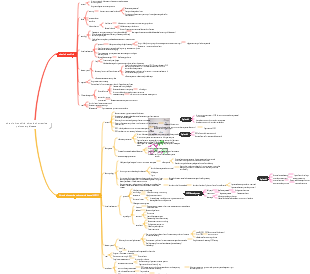
Basic techniques of oral local anesthesia
Anesthesia classification
topical anesthesia
definition
Also known as coating anesthesia, it refers to applying topical anesthetics to the mucosal surface to cause loss of pain sensation in superficial tissues.
Scope of application
It can be used for incision of submucosal abscesses and extraction of loose deciduous teeth. Topical anesthesia before injection anesthesia can reduce the pain caused by needle tip penetration.
Most commonly used topical anesthetics
2% to 5% lidocaine
0.25% ~ 0.5% tetracaine hydrochloride
Prilocaine and lidocaine mixed gel
benzocaine gel
Topical anesthesia method
Use cotton balls to dry the mucosal surface and keep away moisture to prevent the local drug concentration from decreasing and the drug from entering the saliva and causing discomfort in other parts of the body.
Use a cotton swab to dip a small amount of topical anesthetic, and apply the anesthetic evenly on the area to be anesthetized or spray it with a spray for 1 to 2 minutes.
A good surface anesthesia effect is achieved when the smooth and moist mucosa becomes dry and rough.
Infiltration anesthesia
definition
It refers to a method of anesthesia in which local anesthetic is injected into the tissue of the surgical area and acts on the nerve endings in the surgical area to cause local loss of pain sensation.
Application scope
Lower concentrations of anesthetic drugs are often used because compared to block anesthesia, infiltration anesthesia uses a larger amount of anesthetic drugs.
Applications in oral surgery mainly include
Skin (mucosal) infiltration anesthesia
Supraperiosteal infiltration anesthesia
periodontal ligament infiltration anesthesia
Infiltration anesthesia method
First, a small amount of anesthetic is injected into the skin or mucous membrane to form a small bump.
Then along the incision line, inject anesthetic in layers from shallow to deep until the entire surgical area
Sensory nerve endings in the surgical area are anesthetized by diffusion of local anesthetic
block anesthesia
It is the most widely used local anesthesia method in oral surgery.
definition
It refers to injecting local anesthetic drugs into the vicinity of the nerve trunk or its main branches that control sensation in the surgical area, blocking the incoming pain stimulation from the nerve endings, and producing an anesthetic effect in the area innervated by the nerve.
advantage
Compared to infiltration anesthesia
The effect is exact
Small dosage of anesthetic drugs
Reduces repeated punctures in the surgical area and prevents the spread of inflammatory lesions and infections
Key points of anesthesia
Proficient in trigeminal nerve anatomy
Understand the surface markings, needle insertion angle, depth, etc. of the needle insertion point during each branch anesthesia
Strict aseptic operation must be performed during operation
No blood drawn back
Because there are often well-known blood vessels near the nerve trunk, it is necessary to withdraw the anesthesia to confirm that there is no blood before injecting the anesthetic.
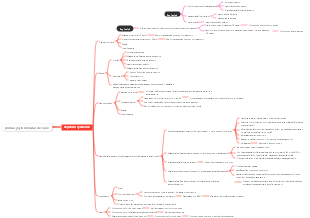
Basic techniques of local anesthesia
Good communication with patients before anesthesia
Is there any history of local anesthesia?
Do you have a history of allergy to anesthetics?
How effective was the previous anesthesia?
Are there any contraindications for local anesthesia?
How is your whole body?
Are you overly nervous or fearful?
Briefly inform the patient about the anesthesia process
Try to eliminate patients' tension and gain their trust and good cooperation.
Choice of anesthesia method
surgical site
surgical complexity
operation time
Patient's general condition
Patient's nervousness and fear about surgery
Choose the appropriate anesthesia method and anesthetic drugs and whether to add vasoconstrictors
Preparation of anesthesia equipment and drugs
Choose different types of syringes and injection needles
anesthesia site
Anesthesia method
Check injection needle
Is it sharp?
With or without barbs
Is the needle smooth?
patient position
Lying position
semi-recumbent position
Exposing and disinfecting the injection area
Use a mouth mirror, fingers or cotton swab to pull apart the lip and cheek tissue
Expose the injection area
Dry the injection site and surrounding area with a dry cotton swab, and disinfect the surface with disinfectant
Surface disinfection can be omitted if mouthwash disinfection has been implemented
Administration of topical anesthesia
Needle tip entry point area
Syringe handling and delivery
traditional syringe
Generally held with a pen
Cartridge syringe
Hold with palm upward
When passing the syringe, try to avoid the patient’s sight.
Mastering the injection balance and establishing the fulcrum
Maintain good balance and stability of hands and arms
Fulcrum
Support the patient’s face with your fingers
Use your elbow to establish a fulcrum on the patient’s chest
Insertion site confirmation and injection needle insertion
Verify the area of anesthesia and confirm the entry point of the anesthesia needle tip
Tighten the skin or mucous membrane around the needle insertion point
Keep the needle bevel oriented correctly
Gently insert the injection point until the bevel of the needle tip completely enters the tissue.
When local anesthesia involves bone tissue, the bevel of the needle tip should generally face the bone surface.
A small amount of anesthetic is injected at the insertion site
When the injection needle tip first penetrates the skin or mucous membrane, injecting a small amount of anesthetic can help reduce pain.
Advancement of the injection needle
Advance the needle slowly
Avoid large changes in needle insertion angle during needle insertion
Prevent the needle tip from cutting the tissue and reduce the occurrence of pain and hematoma
Confirmation of injection depth
according to
surgical site
Anesthesia method
Anatomical location of the nerve to be anesthetized
Control needle depth during injection
Notice
During anesthesia, the needle tip often touches the periosteum
Periosteum is more sensitive
A small amount of anesthetic should be injected near the periosteum to reduce pain
Avoid injecting anesthetic subperiosteally
Withdraw
Any local anesthetic injection must be withdrawn
Prevent local anesthetics from being accidentally injected into blood vessels
The operator should pay attention to the stability of the needle tip position
cannot move forward
Can't exit either
Otherwise, it may cause the needle tip to pierce the blood vessel due to changes in the position of the needle after negative aspiration.
Retrieval positive
Move the needle back slightly
Slightly adjust the needle insertion direction
Re-insert the needle and withdraw again
until withdrawal is negative
Before starting to inject anesthetic drugs
Anesthetic injection and dosage control
The injection process should be slow
The time to inject 1ml of medicinal solution should be no less than 60 seconds
effect
Prevents rapid injection of liquid medicine from causing tissue tearing at the injection site and causing pain
Prevent delayed pain after injection
Reduce the occurrence of drug poisoning
Pay attention to the patient during injection
facial expression
judge
Is it tense or painful?
Are there any adverse drug reactions?
frown
There is discomfort or pain
Pale
May indicate syncope symptoms
Communicate verbally with patients
Calm the patient’s nervousness
distract the patient
Exit of syringe
Slowly withdraw the needle from the soft tissue
Smoothly take the syringe out of the patient's mouth
Prevent scratching of patient’s mucosa
If there is bleeding at the injection site, use a dry cotton strip to compress to stop the bleeding.
Needle tip insertion needle cap technology
The exited syringe should generally not be replaced with a plastic cap
If you want to continue using
To prevent needle contamination, the plastic cap can also be put back on
The correct way to withdraw
Place the needle cap on a sterile tray or instrument table
Slide the needle tip into the needle cap
Do not cover the needle cap directly with your other hand
Observe patient after injection
Most anesthesia complications occur within 5 minutes of injection
Doctors should not leave patients
Pay attention to the patient's demeanor and communicate with the patient
The effectiveness of local anesthesia should be checked before surgery
Ask the patient how they feel
Trial operation
In case of anesthesia failure
Analyze the reasons
reinjection
Change anesthesia method
Record
Condition
Anesthesia is not effective
Adverse reactions after anesthesia
content
Local anesthetic drug name
Anesthesia method
Whether vasoconstrictors are used
anesthetic effect
Analysis and treatment of causes of anesthesia failure
Analysis and treatment of complications