MindMap Gallery Correction of various malocclusions
review. The postgraduate entrance exam covers relevant knowledge points such as dental crowding, bimaxillary protrusion between dentition, and deep anterior crossbite. The content is rich and the key points are summarized. It is very worth learning!
Edited at 2024-10-25 20:50:45Rumi: 10 dimensions of spiritual awakening. When you stop looking for yourself, you will find the entire universe because what you are looking for is also looking for you. Anything you do persevere every day can open a door to the depths of your spirit. In silence, I slipped into the secret realm, and I enjoyed everything to observe the magic around me, and didn't make any noise. Why do you like to crawl when you are born with wings? The soul has its own ears and can hear things that the mind cannot understand. Seek inward for the answer to everything, everything in the universe is in you. Lovers do not end up meeting somewhere, and there is no parting in this world. A wound is where light enters your heart.
Chronic heart failure is not just a problem of the speed of heart rate! It is caused by the decrease in myocardial contraction and diastolic function, which leads to insufficient cardiac output, which in turn causes congestion in the pulmonary circulation and congestion in the systemic circulation. From causes, inducement to compensation mechanisms, the pathophysiological processes of heart failure are complex and diverse. By controlling edema, reducing the heart's front and afterload, improving cardiac comfort function, and preventing and treating basic causes, we can effectively respond to this challenge. Only by understanding the mechanisms and clinical manifestations of heart failure and mastering prevention and treatment strategies can we better protect heart health.
Ischemia-reperfusion injury is a phenomenon that cellular function and metabolic disorders and structural damage will worsen after organs or tissues restore blood supply. Its main mechanisms include increased free radical generation, calcium overload, and the role of microvascular and leukocytes. The heart and brain are common damaged organs, manifested as changes in myocardial metabolism and ultrastructural changes, decreased cardiac function, etc. Prevention and control measures include removing free radicals, reducing calcium overload, improving metabolism and controlling reperfusion conditions, such as low sodium, low temperature, low pressure, etc. Understanding these mechanisms can help develop effective treatment options and alleviate ischemic injury.
Rumi: 10 dimensions of spiritual awakening. When you stop looking for yourself, you will find the entire universe because what you are looking for is also looking for you. Anything you do persevere every day can open a door to the depths of your spirit. In silence, I slipped into the secret realm, and I enjoyed everything to observe the magic around me, and didn't make any noise. Why do you like to crawl when you are born with wings? The soul has its own ears and can hear things that the mind cannot understand. Seek inward for the answer to everything, everything in the universe is in you. Lovers do not end up meeting somewhere, and there is no parting in this world. A wound is where light enters your heart.
Chronic heart failure is not just a problem of the speed of heart rate! It is caused by the decrease in myocardial contraction and diastolic function, which leads to insufficient cardiac output, which in turn causes congestion in the pulmonary circulation and congestion in the systemic circulation. From causes, inducement to compensation mechanisms, the pathophysiological processes of heart failure are complex and diverse. By controlling edema, reducing the heart's front and afterload, improving cardiac comfort function, and preventing and treating basic causes, we can effectively respond to this challenge. Only by understanding the mechanisms and clinical manifestations of heart failure and mastering prevention and treatment strategies can we better protect heart health.
Ischemia-reperfusion injury is a phenomenon that cellular function and metabolic disorders and structural damage will worsen after organs or tissues restore blood supply. Its main mechanisms include increased free radical generation, calcium overload, and the role of microvascular and leukocytes. The heart and brain are common damaged organs, manifested as changes in myocardial metabolism and ultrastructural changes, decreased cardiac function, etc. Prevention and control measures include removing free radicals, reducing calcium overload, improving metabolism and controlling reperfusion conditions, such as low sodium, low temperature, low pressure, etc. Understanding these mechanisms can help develop effective treatment options and alleviate ischemic injury.
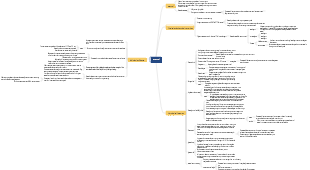
Correction of various malocclusions
Crowded teeth
basic principles
① Use various orthodontic methods to increase bone mass or/and reduce tooth mass, so that tooth mass and bone mass tend to be coordinated, while taking into account the coordination, stability and facial beauty of the teeth, jaws and face.
② Methods to increase bone mass include expanding the length and width of the dental arch, such as stimulating the growth of the jaw and alveolar bone through functional appliances, extending the growth of the alveolar bone through surgical methods such as distraction osteogenesis, and increasing the length and width of the dental arch. The midpalatal suture extends the width of the maxilla, etc.
③ Methods to reduce the number of teeth include reducing the number of teeth through tooth extraction or reducing the mesial and distal width of the teeth through proximal diameter reduction.
Considerations
① The mechanism of uneven tooth and bone mass: It may be simply that the tooth mass is too large, or the bone mass is simply too small, or both may exist at the same time.
② Severity of dental crowding: The more severe the dental crowding, the more likely it is that teeth will be extracted and corrected.
③ Combined types of malocclusion: For the same amount of dental crowding, different treatment plans may be required for different types of malocclusion. For example, if the maxillary anterior teeth are also crowded, subtractive treatment may be required for Angle Class I malocclusion, while for Angle Class II malocclusion, labial treatment of the maxillary anterior teeth is often used, combined with the maxillary and mandibular and dental treatment. The adjustment of the arch relationship establishes the normal sagittal relationship between the maxillary and mandibular dental arches.
④ Dental health: If there are extra teeth, severely deformed teeth, or severely decayed teeth, consider extracting the above teeth first.
⑤ Maxillofacial growth and development status: Conventional rapid arch expansion and jaw growth stimulation methods are suitable for implementation during the growth and development stage.
Arch expansion
Including dental arch length expansion and width expansion, it is the main measure to increase bone mass. The expansion of the dental arch length mainly includes pushing the molars distally and moving the incisors labially. Dental arch width expansion mainly includes midpalatal suture expansion, orthodontic arch expansion and dental arch-alveolar bone functional expansion.
Arch length expansion
Push molars distally
[Definition] Through various orthodontic devices, the permanent molars are moved distally or upright to obtain arch space, and at the same time, the molar relationship is corrected. Generally, 3 to 6 mm of space can be obtained on each side of the maxillary dental arch. The specific amount of space that can be obtained needs to be determined by CBCT estimates.
【Indications】 1. Suitable for cases of mild dental crowding; 2. For some cases of moderate dental crowding, other dental arch expansion methods may be used when necessary; 3. The molars have a distal cusp-to-cusp relationship; 4. Pushing the maxillary first molar distally is best used when the second molar has not erupted or has just erupted and the occlusion has not been established, and there is no third molar.
【Notes】 1. In addition to moving the maxillary molars distally, moving the mandibular molars upright or distally can also extend the length of the mandibular dental arch or adjust the mesiomolar relationship. 2. Patients with high-angle or open bite tendencies should be careful when pushing molars distally. During the process of pushing molars distally, special attention should be paid to vertical control.
Way: Maxilla: extraoral arch, removable appliance, palatal fixed appliance, mini-screw implant push molar Mandibular: mandibular lingual arch, mandibular lip bridge, transparent braces
Dental arch width expansion
There are three ways to expand the dental arch width: orthopedic expansion, orthodontic expansion and functional expansion
orthopedic expansion
[Definition] It means to expand the maxillary and palatine suture and stimulate the deposition of new bone in the suture. For most patients, expansion of the midpalatal suture is effective before the age of 15 years, but individual responses vary, and as age increases, the bony fusion of the midpalatal suture becomes denser, making it more difficult to expand the midpalatal suture.
【Indications】
① Age: Generally, patients younger than 15 years old are suitable for orthopedic expansion, and a few patients still have the effect of midpalatal suture expansion until they are 18 years old;
② Crowding degree: Mainly used for cases of moderate to severe dental crowding caused by skeletal dental arch narrowing or cases accompanied by posterior crossbite;
③ Dental crowding combined with skeletal sagittal imbalance: For patients with skeletal Class III malocclusion who have insufficient maxillary development and require anterior traction, and for patients with skeletal Class II malocclusion who have insufficient maxillary width and are treated with functional appliances. , the midpalatal suture expansion can be combined to coordinate the width of the maxillary and mandibular dental arches;
④ The mandibular plane angle is normal or low, and there is no tendency for open bite.
【Influence】 During the process of dental arch expansion, because the posterior teeth tilt toward the buccal side to a certain extent, the occlusion can be raised, especially for high-angle patients. It can cause open bite of the anterior teeth and unfavorable mandibular backward and downward rotation. During the expansion process, it is possible to wear braces on the posterior teeth Pads limit the elongation of posterior teeth.
Orthodontic expansion:
[Definition] It means that when the bone reconstruction effect of the mid-palatal suture is insufficient, the arch expander mainly tilts the posterior teeth on both sides to the buccal side to expand the dental arch, and a gap of 1~2mm can be obtained on each side. Although orthodontic expansion does not have a midpalatal suture effect, the buccal movement of the posterior teeth may stimulate alveolar bone growth in this area to some extent.
[Appliances] The long-term effects of orthodontic expansion are also stable. Commonly used orthodontic expansion appliances for the maxillary dental arch include spiral arch expansion split base removable appliances and four-eye coil spring arch expansion appliances. Square wire arch appliances can also be used to expand the main arch wire, or with auxiliary arch expansion arches.
To match the maxillary arch, orthodontic expansion of the mandibular arch is usually performed before or at the same time as maxillary midpalatal suture expansion.
Functional expansion:
The functions of the labiobuccal muscles and tongue muscles inside and outside the dental arch affect the growth, development and shape of the dental arch.
Because the buccal screen of the functional adjuster removes the pressure of the buccinator muscle on the dental arch, the width of the mandibular dental arch can be expanded under the action of the tongue body, and the width of the dental arch can be increased by up to 4mm.
Proximal diameter reduction
Tooth extraction and correction
. For mild crowding, dental arch expansion or interproximal diameter reduction is used. For severe crowding, tooth extraction is used. For moderate crowding, most cases are marginal cases where teeth may or may not be extracted. At this time, the patient's dentofacial hard and soft tissue morphology should be considered. , and then decide on the treatment plan after comprehensive measurement and analysis.
dental space
The principle of correction is to discover and remove the cause, close the gap or concentrate the gap for repair, and pay attention to maintenance to prevent recurrence.
① Discovering and removing the cause of the disease is conducive to completing the correction of dental space efficiently and is also conducive to maintaining the results of correction.
② Whether to choose gap closure or centralized gap repair in orthodontic design requires consideration of many factors, such as the reason for the formation of the gap, the location and amount of the gap, the morphology of the patient's dentofacial hard and soft tissues and their relationship, and combined with the patient's main complaint.
Remove the cause
(1) Dental space caused by abnormal labial frenulum It needs to be combined with frenulum trimming, removal of thick interdental fibrous tissue, and supracrestal ligament circumcision or interpeak ligament severing. It is common for the fibrous tissue of the upper lip frenulum to become thick and excessively embedded between the incisors, resulting in gaps in the central incisors. The formation of scar after surgery will hinder the closure of the space. If the gap between the central incisors is small, it is recommended to perform frenulum revision surgery after closing the space; If the gap is large, it is recommended to perform orthodontic treatment to close part of the gap, then perform frenulum revision surgery, and close the remaining gap immediately after surgery.
(2) For dentition gaps caused by excessive tongue body, partial tongue resection can be considered if necessary, otherwise it will need to be maintained permanently.
(3) For local gaps caused by impacted teeth, traction or extraction of the impacted teeth must be performed as appropriate.
(4) Get rid of bad oral habits such as thumb-sucking, tongue-sucking, and lip-biting habits, and guide patients to make corrections on their own. If necessary, use appliances to eliminate bad habits.
(5) Scattered teeth caused by periodontal disease require periodontal treatment first. When the periodontal disease is stable, orthodontic treatment can be performed and the gaps can be closed. Regular periodontal maintenance is required during the orthodontic treatment process.
(6) For gaps between the front teeth caused by bad pronunciation habits, patients should undergo pronunciation training and tongue muscle training, and if necessary, use orthodontic devices such as palatal spines to correct them.
close gap
① The interactive anchorage method can be used to close the space between the central incisors. The spring closing method between the brackets, the segmented arch plus rubber band traction sliding closing method, etc. can be used. It should be noted that you must not simply put a rubber band directly on the central incisor with a gap to close the gap. Otherwise, the rubber band will slide along the crown to the root tip, causing periodontal tissue lesions and causing the tooth to loosen and fall out.
② For patients who have a space between their teeth and need to shorten their dental arch, they can use the double-curved labial arch of a removable appliance to retract the front teeth to close the space, or they can use a fixed appliance to close the space by closing the curve or sliding method. When adducting the front teeth to close the gap, attention should be paid to the control of overbite. If necessary, the front teeth need to be depressed or the back teeth raised to open the bite. At the same time, attention should be paid to the control of the torque of the front teeth.
Centralized gap repair
① For scattered gaps caused by abnormally small teeth, such as tapered maxillary lateral incisors, fixed appliances can be used to concentrate the gaps in the mesial and distal areas of the modified teeth, and crowns can be used to restore the teeth to their normal shape, which is beneficial to aesthetics and the stability of the occlusal relationship.
② People with congenitally missing teeth or acquired teeth that are not repaired in time are often prone to problems such as tilting and shifting of adjacent teeth and elongation of opposing teeth. Fixed appliances can be used to straighten the adjacent teeth and lower the elongated opposing teeth. , concentrated space for denture repair
Bimaxillary protrusion
Bimaxillary protrusion refers to the protrusion of both the upper and lower front teeth, which may be accompanied by the protrusion of the maxillary and mandibular bones.
general correction
①【Indications】General correction is usually used for bimaxillary protrusion that does not exist or only has mild or moderate skeletal factors.
② [Treatment Purpose] The main goal of orthodontic treatment is to reduce the protrusion of the maxillary and mandibular anterior teeth, thereby reducing the lip protrusion and improving the profile appearance and lip closing function.
③[Treatment Plan] Since improving protrusion often requires more retraction of the maxillary and mandibular front teeth, which requires a large amount of space, tooth extraction is often used. Most of the time, 4 first premolars are extracted, and a thick stainless steel square wire is used as a working wire to retract the anterior teeth and close the gap.
④ If the degree of bimaxillary protrusion is mild, the extraction of the second premolar should be considered without additional anchorage to avoid excessive adduction of the anterior teeth;
⑤ For those who refuse to extract the premolars, on the premise that there is alveolar bone distal to the second molars, you can also choose to extract the 4 third molars, and use implants as anchorage to distally move the upper and lower dentition as a whole to achieve adduction. The purpose of reducing anterior teeth and labial protrusion.
⑥ [Possible impact] Orthodontic treatment for bimaxillary protrusion usually takes a long time, and the incisor roots are more likely to be resorbed, and the degree may be severe; in addition, large adduction of the front teeth may cause the tongue to move backward, so close attention is required Airway changes.
Combined Orthodontic-Orthognathic Treatment
① For bimaxillary protrusion with severe skeletal factors, combined orthodontic-orthognathic treatment is required, and surgical retraction of the jaw or alveolar bone is required.
② When establishing the correction goals for bimaxillary protrusion, the patient's racial characteristics and individual aesthetics should be fully considered. There is no absolutely universal profile standard.
③ The growth and development rules of the craniofacial region should also be considered. The general trend is that with age, the forehead gradually becomes protruding, the front teeth gradually become upright, and the lips move backward.
④ For younger patients with bimaxillary protrusion, do not pursue excessive retraction of the front teeth to avoid causing the lips to appear too retracted relative to their actual age.
Anterior crossbite
definition
Anterior crossbite can include individual anterior crossbites or multiple anterior crossbites. Most anterior crossbites refer to the cross-occlusion relationship between more than three maxillary anterior teeth and the opposing teeth, which is a type of malocclusion. This section discusses most anterior crossbites. When the front teeth are crossbited, the molar relationship is mostly mesial, which is called Angle's Class III malocclusion.
in principle
① Since anterior crossbite tends to worsen with growth, early correction is particularly important.
② Anterior crossbite, especially skeletal anterior crossbite cases, may recur with growth and development after correction. Therefore, many cases need to be treated in stages, and the correction time is relatively long.
Correction plan
deciduous teeth stage
Treatment purposes: restore the normal occlusal position of the mandible and improve the bone structure; relieve the crossbite of the front teeth, promote maxillary development, and inhibit excessive mandibular development.
Teeth replacement period
The cross-bite test at this stage may be a mixture of functional and skeletal problems, so it is necessary to distinguish the patient's existing malocclusion type and predict the development trend of the cross-bite.
The treatment of occlusion during the replacement period is complex and changeable, and it is the critical period for the treatment of anterior crossbite.
Early permanent teeth
[Features] Most of the development of the jaw and teeth in the early stage of permanent teeth has been completed. It is difficult to adjust the relationship of the jaws by changing growth, and it is not possible to move the jaws.
[The purpose of orthodontic treatment] is to establish an appropriate overbite coverage relationship by changing the position of the teeth and conceal existing skeletal deformities.
Deep coverage of front teeth
early correction
Remove the cause
Deal with problems that arise during the dentition period in a timely manner
Expander correction
Lingual tilt of the mandibular anterior teeth: You can use a mandibular lip stop to spread the lower lip and break the internal and external force balance of the mandibular anterior teeth. The tongue muscle force promotes the labial movement of the mandibular anterior teeth, thereby reducing deep overjet.
growth modification treatment
[Best treatment time] At the beginning of the youthful growth spurt