MindMap Gallery plant tissue
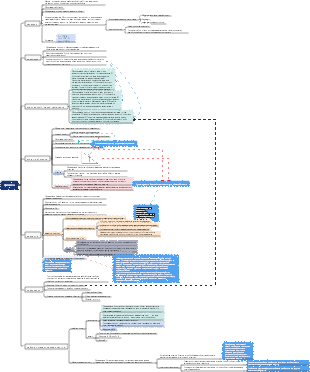
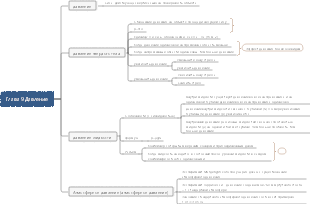
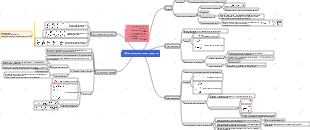
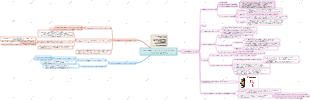
This is a mind map about plant tissues, which mainly includes the types of plant tissues, vascular tissues, vascular bundles and tissue systems.
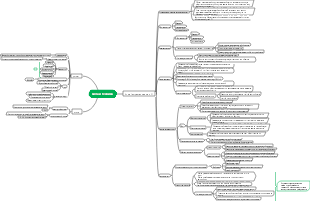
Edited at 2024-03-08 00:21:32This is a mind map about bacteria, and its main contents include: overview, morphology, types, structure, reproduction, distribution, application, and expansion. The summary is comprehensive and meticulous, suitable as review materials.
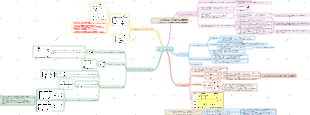
This is a mind map about plant asexual reproduction, and its main contents include: concept, spore reproduction, vegetative reproduction, tissue culture, and buds. The summary is comprehensive and meticulous, suitable as review materials.
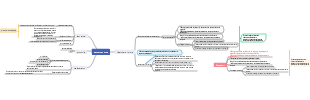
This is a mind map about the reproductive development of animals, and its main contents include: insects, frogs, birds, sexual reproduction, and asexual reproduction. The summary is comprehensive and meticulous, suitable as review materials.
This is a mind map about bacteria, and its main contents include: overview, morphology, types, structure, reproduction, distribution, application, and expansion. The summary is comprehensive and meticulous, suitable as review materials.
This is a mind map about plant asexual reproduction, and its main contents include: concept, spore reproduction, vegetative reproduction, tissue culture, and buds. The summary is comprehensive and meticulous, suitable as review materials.
This is a mind map about the reproductive development of animals, and its main contents include: insects, frogs, birds, sexual reproduction, and asexual reproduction. The summary is comprehensive and meticulous, suitable as review materials.
Chapter 2 Plant Tissue
Section 1 Types of Plant Tissues
1. Meristem
By location
Apical meristem:
Root tip, stem tip (elongation)
Intermediate meristem:
The base of the internodes of grass plants. Onions, leeks (stretched)
Lateral meristem:
Around the plant body, injured, vascular cambium, cork cambium (naked seeds, woody dicotyledons) (thickened)
According to source
Primary meristem:
The most advanced part of the growth point is composed of embryonic cells.
Primary meristem:
Primary meristem derivation (dividing while Differentiation), divided into proepidermis (epidermis), procambium (vascular column), and basic meristem (epidermis)
secondary meristem
Parenchyma cell transformation, cork cambium, interfascicular cambium.
2. Mature organizations
conservation organization
epidermis
Epidermal cells, guard cells and accessory cells of the stomatal apparatus, epidermal hairs (primary)
Zhoupi
Cork layer, cork cambium layer, cork inner layer (secondary)
parenchyma
Nutrition basic
absorbing tissue
Epidermal cells and root hairs in the root hair zone
assimilation organization
Mesophyll cells, containing large amounts of chlorophyll
storage tissue
ventilatory tissue
Some parenchyma cells disintegrate into cavities, and the intercellular spaces are very developed
transmitter cells
Cell wall intrusions (short-distance transport)
mechanical organization
chlamydia
The primary wall is unevenly thickened, contains chloroplasts = young stems, and participates in the formation of cork cambium = stems
sclerenchyma
The secondary wall thickens and becomes lignified (dead) (stone, fiber)
conducting tissue
Convey water
catheter
End wall perforation (dead) ring, screw, ladder, net, hole
Tracheid
Not perforated (dead) (gymnosperms except those of the family Gyrophyllaceae and ferns contain)
transport nutrients
Sieve tube
End wall with cribriform plate (no nucleus)
companion cell
coexisting with sieve cells
Sieve cells
The end wall does not form a sieve plate (in gymnosperms, except in the family Gryptonaceae and ferns)
secretory tissue
Exocrine
glands, drains
endocrine
Secretion (dissolution, rupture), milk ducts, resin ducts
Section 2 Vascular tissue, vascular bundles and tissue systems
1. Vascular tissue
xylem
Vessels, tracheids, wood parenchyma cells, wood fibers
Phloem
Sieve tubes, sieve cells, phloem parenchyma cells, phloem fibers
2. Vascular bundles
limited vascular bundle
Most monocots (graminaceae)
Infinite vascular bundle
external tough vascular bundle
Corn (Poaceae)
Double tough vascular bundle
Melons, nightshades, potatoes
Peripheral wood vascular bundle
Celery, pepper
Peripheral vascular bundle
filigree, begonia
3. Organization Department
skin tissue
epidermis, periderm
vascular tissue
xylem, phloem
basic organization
Thin-walled, thick-walled, thick-walled tissue