MindMap Gallery Herpes virus mind map
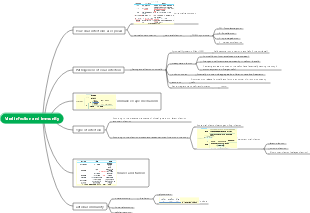
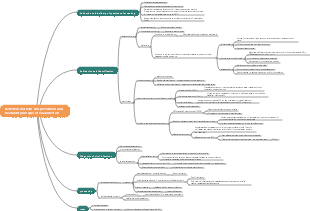
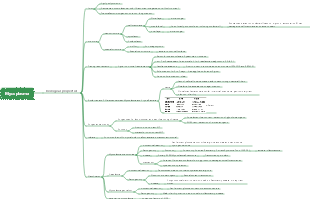
This is a mind map about herpes viruses and medical microorganisms, including the classification, pathogenesis, genome, structure, double-stranded DNA viruses, etc. of human herpes virus (HHV).
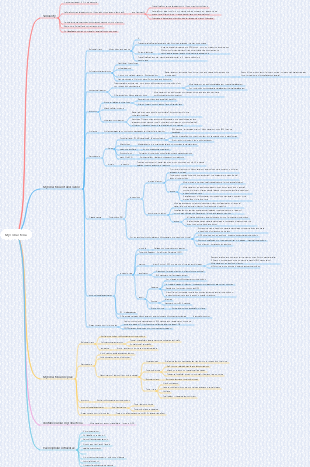
Edited at 2023-11-09 12:10:15This is a mind map about bacteria, and its main contents include: overview, morphology, types, structure, reproduction, distribution, application, and expansion. The summary is comprehensive and meticulous, suitable as review materials.

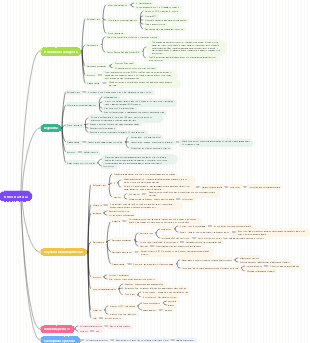
This is a mind map about plant asexual reproduction, and its main contents include: concept, spore reproduction, vegetative reproduction, tissue culture, and buds. The summary is comprehensive and meticulous, suitable as review materials.
This is a mind map about the reproductive development of animals, and its main contents include: insects, frogs, birds, sexual reproduction, and asexual reproduction. The summary is comprehensive and meticulous, suitable as review materials.
This is a mind map about bacteria, and its main contents include: overview, morphology, types, structure, reproduction, distribution, application, and expansion. The summary is comprehensive and meticulous, suitable as review materials.
This is a mind map about plant asexual reproduction, and its main contents include: concept, spore reproduction, vegetative reproduction, tissue culture, and buds. The summary is comprehensive and meticulous, suitable as review materials.
This is a mind map about the reproductive development of animals, and its main contents include: insects, frogs, birds, sexual reproduction, and asexual reproduction. The summary is comprehensive and meticulous, suitable as review materials.
Herpes virus
double-stranded DNA virus
structure
Spherical, enveloped, icosahedral symmetry
Envelope-cortical protein-nucleocapsid
Genome
Linear double-stranded DNA with repeating sequences in the middle and ends
UL and US (long unique sequence and short unique sequence)
Pathogenic
widespread infection in the population
Most are asymptomatic
HSV-1 and HSV-2 infection is life-long
Human herpesvirus (HHV) classification
a
include
Herpes simplex virus type 1 (HSV-1)
Herpes simplex virus type 2 (HSV-2)
Varicella zoster virus (VZV)
Features
Only one serotype, humans are the natural host
Invasion of nerves
Skin is the main target organ
Can expand in embryonic cells to form inclusion bodies and multinucleated giant cells, and CPE appears slowly
Highly contagious, spread by contact and droplets
Type of infection
primary infection
Chickenpox all over the body
It starts in the respiratory tract, spreads to the skin throughout the body after two episodes of viremia
Chickenpox in children is mild and self-limiting
Chickenpox in adults is more severe
recurrent infection
Shingles
VZV lurks in the dorsal root ganglia of the spinal cord/sensory ganglia of the cranial nerves → After activation, it travels along the axons to the innervated skin, where it amplifies within the cells and causes herpes (common in the chest, abdomen, head and neck)
microbiological examination
Cannot be separated and cultured (the time is too long)
Prevention and control
VZV live attenuated vaccine (the only one with a herpes vaccine)
HSV transmission routes
HSV-1—spread by close contact
HSV-2—sexually transmitted, neonatal infection through maternal reproductive tract
HSV infection type
primary infection
latent infection
HSV is transmitted along sensory axons to sensory ganglia and remains latent in nerve cells in a "non-replicating form" for life.
recurrent infections
Under non-specific stimulation, latent viruses are activated and infect epithelial cells to cause herpes.
Diseases caused by HSV1
Gingivostomatitis: primary infection in children, vesicular lesions in the mouth
Cold sores: recurring infection
Encephalitis: fatality rate is high but rare
Herpetic keratoconjunctivitis, paronychia, pharyngitis
Latent infection → latent in the trigeminal ganglion and superior cervical ganglion
Diseases caused by HSV-2
genital herpes
Painful vesicular lesions, primary rather than recurrent infections, may be associated with fever and inguinal lymphadenopathy
Synergizes with cervical cancer
neonatal herpes malformations
Intrauterine/birth canal (common)/postpartum contact infection → herpetic encephalitis and systemic disseminated infection → poor prognosis, high mortality rate / permanent neurological damage is common in survival
Latent infection – latent in the sacral ganglion
HSV microbiological test
Immunofluorescence specimen detection of HSV antigen
Giemsa staining microscopic examination of intranuclear inclusion bodies and multinucleated giant cells
ELISA test for HSV antibodies
Nucleic acid amplification testing
Isolation culture
HSV drugs
Acyclovir, apreclovir (cannot clear latent virus)
B
Human Cytomegalovirus (HCMV)
Features
Large size and genome
Infected cells will swell and form giant owl-eye-shaped inclusions
Humans are its only natural host and the most common pathogen causing congenital malformations.
Propagation mode
All except the respiratory tract
Latent site
Salivary glands, mammary glands, monocytes, lymphocytes
Type of infection
Congenital infection - neonatal giant cell inclusion disease
If a pregnant woman is infected within 3 months of pregnancy, the virus can pass through the placenta and cause primary infection of the fetus.
Malformations, miscarriages and stillbirths
perinatal infection
Most children have a good prognosis
Primary infections in children and adults
Usually latent infection, with almost no clinical symptoms
transfusion infection
Infection in immunocompromised persons
HCMV pneumonia, hepatitis and meningitis
HCMV is one of the most common opportunistic pathogens in AIDS patients → often causes retinitis
cytomegalovirus mononucleosis
Human herpesvirus type 6 (HHV-6)
Saliva-borne, widespread infection that lasts life
Infections in a small number of infants cause infantile roseola
Human herpesvirus type 7 (HHV-7)
widespread infection
y
Epstein-Barr virus (EBV)
Tumor-associated viruses—directly related to tumors
Malignant lymphoma and nasopharyngeal carcinoma in children are prone to occur in patients with EBV infection
Target cells—B cells
gp350/gp220 binds to the C3d receptor molecule on the surface of B cells and enters the cell
gp85 fusion
Type of infection
latent infection
The genome exists in the nucleus as an episome (cyclic episome)
integrated infection
Integrate into host cell DNA
proliferative infection
ZEBRA transactivating protein activates the virus, causing infected cells to lyse and die
lytic infection
Genome replication, progeny virus particles budding and released
antigen
Antigens expressed during lytic phase infection
EBV early antigen
EA
Nonstructural protein, DNA polymerase activity
Indicates that the virus enters the amplification cycle
African childhood malignant lymphoma patients are positive for anti-EA-R antibodies, and patients with nasopharyngeal carcinoma are positive for anti-EA-D antibodies
EBV late antigen
Capsid protein (VCA) Envelope protein (MA)
MA-IgM for early diagnosis
Latent infection expressed antigen
EBV nuclear antigen (EBNA)
Within the nucleus of infected B cells
EBNA-1 is expressed in various latent states and can stabilize viral circular episomes → inhibit antigen presentation and promote immune evasion
EBNA-2 is associated with cell immortalization
Anti-EBNA antibodies are a sign of immune establishment (but cannot clear latent EBV)
latent membrane protein (LMP)
Present on the surface of B cell membrane
inhibit apoptosis
Popularity
Transmitted by saliva, blood, sexual contact
Widespread infection in the population (first proliferates in oropharyngeal epithelial cells and then infects B cells, which can then cause systemic infection)
Pathogenic
The EBV positivity rate among 3-year-old children in my country is >90%
Most children have no obvious symptoms when first infected, but a few have upper respiratory tract infections and carry the virus for life.
infectious mononucleosis
First large-scale EBV infection in adolescence
Fever, pharyngitis, cervical lymphadenitis, hepatosplenomegaly, increased blood mononuclear cells
The disease lasts for several weeks and the prognosis is good
Differentiating mononucleosis due to EB and HCMV infection
Patient heterophilic antibody agglutination test
Non-specific IgM antibodies agglutinate bovine and sheep red blood cells but not guinea pig kidney cells → positive for infectious mononucleosis
African childhood lymphoma/Burkitt lymphoma
Children around 6 years old
NK/T cell lymphoma
Nasopharyngeal cancer
High-incidence areas in southern my country
Kaposi's sarcoma-associated herpesvirus (KSHV/HHV-8)
Latent in B lymphocytes, enters the skin when host immunity is low
Common in AIDS patients, mostly on the skin