 Wondershare EdrawMind
MindMap Gallery Biochemistry of blood
- 41
Biochemistry of blood
This is a biochemical mind map about blood. Blood is a liquid tissue that flows in the cardiovascular system and mainly plays the role of transporting substances. Hope this helps!
Edited at 2023-11-06 00:24:26
- bacteria
This is a mind map about bacteria, and its main contents include: overview, morphology, types, structure, reproduction, distribution, application, and expansion. The summary is comprehensive and meticulous, suitable as review materials.
- Plant asexual reproduction
This is a mind map about plant asexual reproduction, and its main contents include: concept, spore reproduction, vegetative reproduction, tissue culture, and buds. The summary is comprehensive and meticulous, suitable as review materials.
- Reproductive development of animals
This is a mind map about the reproductive development of animals, and its main contents include: insects, frogs, birds, sexual reproduction, and asexual reproduction. The summary is comprehensive and meticulous, suitable as review materials.
Biochemistry of blood
- bacteria
This is a mind map about bacteria, and its main contents include: overview, morphology, types, structure, reproduction, distribution, application, and expansion. The summary is comprehensive and meticulous, suitable as review materials.
- Plant asexual reproduction
This is a mind map about plant asexual reproduction, and its main contents include: concept, spore reproduction, vegetative reproduction, tissue culture, and buds. The summary is comprehensive and meticulous, suitable as review materials.
- Reproductive development of animals
This is a mind map about the reproductive development of animals, and its main contents include: insects, frogs, birds, sexual reproduction, and asexual reproduction. The summary is comprehensive and meticulous, suitable as review materials.
- Recommended to you
- Outline
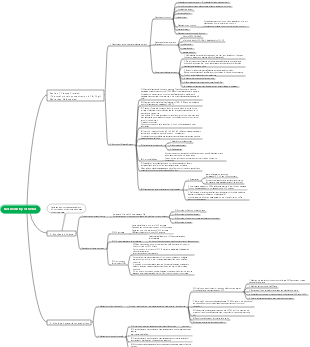
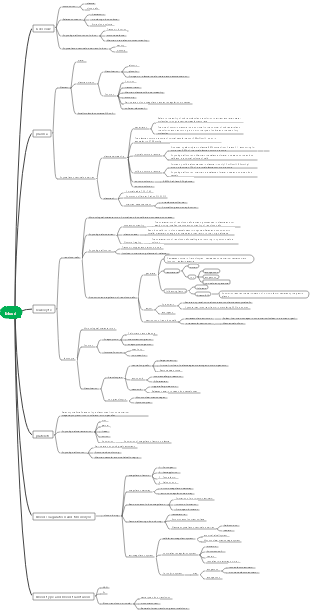
Biochemistry of blood
Blood is the liquid tissue that flows in the cardiovascular system and mainly plays the role of transporting substances
It is mainly composed of plasma, blood cells and platelets
After the blood coagulates, a light yellow transparent liquid is released, which is called serum.
The water content in the blood mainly depends on the number of blood cells and the concentration of proteins in the blood
The solid components of plasma can be divided into
Inorganic matter
Mainly electrolyte, important cations are Na, K, Ca2, Mg2, important anions are Cl-, HCO3-, HPO42-
They play an important role in maintaining plasma crystal osmotic pressure, acid-base balance, and normal neuromuscular excitability.
organic matter
Including proteins, non-protein nitrogenous compounds, sugars and lipids, etc.
Non-protein nitrogen-containing compounds mainly include urea, creatine, creatinine, uric acid, bilirubin and ammonia, etc.
plasma proteins
Classification and properties of plasma proteins
Plasma proteins are the main solid components of plasma
Classification of plasma proteins
Plasma proteins are classified according to their functions
1 Coagulation system proteins, including 12 coagulation factors (except Ca")
2 Fibrinolytic system proteins, including plasminogen, plasmin, activators and inhibitors (b), etc.
3 complement system proteins
4 immunoglobulins
5 lipoproteins
6 Plasma protease inhibitors, including zymogen activation inhibitors, blood coagulation inhibitors, plasmin inhibitors, kallikrein inhibitors, endogenous proteases and other protease inhibitors
7 carrier proteins
8 Plasma proteins of unknown function
Electrophoresis is the most commonly used method for separating proteins
Divided into albumin, alpha1 globulin, alpha2 globulin, beta globulin and gamma globulin
Albumin is the main protein in human plasma
Albumin is synthesized in the form of prealbumin. Mature albumin is a single polypeptide chain containing 585 amino acid residues, and the molecular shape is oval.
Plasma protein electrophoresis is a commonly used clinical auxiliary diagnostic method
Polyacrylamide gel electrophoresis is a higher-resolution electrophoresis method that can separate proteins into dozens of bands
The ultracentrifugation method separates proteins based on their density, such as the separation of plasma lipoproteins.
Properties of plasma proteins
Most plasma proteins are synthesized in the liver
There are other small amounts of proteins that are synthesized by cells in other tissues. , such as gamma globulin is synthesized by plasma cells
Plasma protein synthesis sites are generally located on membrane-bound polyribosomes
The synthesized protein is transferred into the endoplasmic reticulum pool, where it is enzymatically cleaved to remove the signal peptide, and the protein precursor becomes a mature protein.
Except for albumin, almost all plasma proteins are glycoproteins
The biological information contained in the oligosaccharide chain has an identification effect
Many plasma proteins exhibit polymorphisms
Polymorphisms are Mendelian or single-gene inherited traits
Each plasma protein has its own specific half-life
Changes in plasma protein levels are often closely related to disease
In situations such as acute inflammation or certain types of tissue damage, levels of certain plasma proteins are increased. They are called acute phase proteins.
functions of plasma proteins
Maintain plasma colloid osmotic pressure
Plasma plays a decisive role in the distribution of water inside and outside blood vessels
The size of normal human plasma colloid osmotic pressure depends on the molar concentration of plasma protein
Maintain normal plasma pH
Protein is an amphoteric electrolyte, and the isoelectric point of most plasma proteins is between PH4.0 and 7.3. Plasma protein salts form buffer pairs with corresponding proteins and participate in maintaining normal plasma pH.
transport function
There are numerous lipophilic binding sites distributed on the surface of plasma protein molecules, and fat-soluble substances can bind to them and be transported.
Immunity
catalysis
According to the source and function of serum enzymes, they can be divided into
Plasma functional enzymes
Mainly exerts catalytic function in plasma
exocrine enzyme
Enzymes secreted by exocrine glands include pepsin, trypsin, pancreatic amylase, lipase and salivary amylase.
Their catalytic activity is not directly related to the normal physiological functions of plasma.
cellular enzymes
Cellular enzymes exist in cells and tissues and participate in substance metabolism
nutritional effect
Protein can be broken down to provide energy
Coagulation, anticoagulation and fibrinolysis
There are many coagulation factors, anticoagulant and fibrinolytic substances in plasma. Together they maintain smooth circulation and blood flow
Plasma protein abnormalities and clinical disease
Seen in a variety of clinical conditions, such as rheumatism, liver disease, and multiple myeloma
Rheumatism
Characteristic 1: Elevated immunoglobulins, especially IgA, and may also increase IgG and IgM 2. During the active stage of inflammation, α1AG, Hp, and C3 components may increase.
synthesis of heme
Hemoglobin is the main component of red blood cells and is composed of globin and heme
heme
1 The structure is relatively complex and is ring-shaped.
2 Ferrous ions are bound to the center
3. Different chemical groups are connected to the outside of the structure.
Heme is not only the prosthetic group of Hb, but also the prosthetic group of myoglobin, cytochrome, peroxidase, etc.
Heme, which is involved in the composition of hemoglobin, is mainly synthesized in immature red blood cells and reticulocytes in the bone marrow (because there are mitochondria in them, but mature red blood cells do not have mitochondria, so they cannot be used)
The synthesis process of heme
Synthesis of δ-amino-γ-levulinic acid
The reaction is catalyzed in mitochondria. The enzyme of this reaction is ALA synthase, and its coenzyme is pyridoxal phosphate.
This enzyme is the rate-limiting enzyme for heme synthesis and is feedback-regulated by heme.
Synthesis of porphobilinogen
Reaction in the cytoplasm, catalyzed by ALA dehydratase
This enzyme contains sulfhydryl groups and is very sensitive to the inhibitory effect of heavy metals such as lead.
Synthesis of uroporphyrinogen and fecal porphyrinogen
Reacts in the cytoplasm, catalyzed by uroporphyrinogen I homosynthase, and then catalyzed by UPGIII homosynthase
However, UPGIII homosynthase is inactive when it exists alone and must cooperate with UPGI homosynthase.
The difference between UPGI and UPGⅢ is that the side chain at position 7 of the former is an acetate group (A) and the side chain at position 8 is a propionate group (P); while the latter is the opposite, the side chain at position 7 is a propionate group (P) and the side chain at position 8 is is acetate (A)
production of heme
Reacts in mitochondria, catalyzed by phylloxin-like III oxidative deenzyme, and then catalyzed by phylloxera region oxidase
After heme is produced, it is transported from the mitochondria to the cytoplasm. In the nucleated red blood cells and reticulocytes of the bone marrow, it is combined with globin to become hemoglobin.
Characteristics of heme synthesis
1 Most tissues in the body have the ability to synthesize heme, but the main sites of synthesis are bone marrow and liver. Mature red blood cells do not contain mitochondria, so they cannot synthesize heme.
2 The raw materials for heme synthesis are simple small molecule substances such as succinyl CoA, glycine and Fe". The transformation of the intermediate products is mainly the dehydration and dehydrogenation reaction of the side chain of the arole ring. The arole ring of various phyllogen compounds There is no common structure between them, they are all colorless, unstable in nature, easily oxidized, and particularly sensitive to light.
3The initial and final processes of heme synthesis occur in mitochondria, while other intermediate steps occur in the cytoplasm. This positioning has important implications for the feedback regulation of the final product heme
Regulation of heme synthesis
ALA synthase
ALA synthase is the rate-limiting enzyme of the heme synthesis system and is feedback inhibited by heme. This can also be classified as special inhibition.
ALA dehydratase and ferrochelatase
Heme inhibition works essentially through ALA synthase
Both AlA dehydratase and ferrochelase are very sensitive to the inhibition of heavy metals, so inhibition of heme synthesis is an important sign of lead poisoning.
ALA dehydratase and ferrochelatase can be inhibited by heme, heavy metals, etc.
Erythropoietin
Erythropoietin is mainly synthesized in the kidneys
EPO can interact with primitive red blood cells and erythroid colony-forming units to promote their reproduction and differentiation, accelerate the maturation of nucleated red blood cells and the synthesis of heme and Hb. Therefore EPO is the major regulator of erythropoiesis
Abnormal synthesis and metabolism of iron porphyrins leads to increased elimination of porphyrins or their intermediate metabolites, leading to porphyria
It is divided into
Congenital porphyria is caused by a genetic defect in a certain heme synthase system
Acquired porphyria mainly refers to iron porphyrin synthesis disorders caused by lead poisoning or certain drug poisoning.
Clinical manifestations: Abnormal synthesis of iron-5 porphyrins, increased intermediate metabolites, abnormally high concentrations, accumulation in tissues, and excreted in urine and feces
blood cell metabolism
There are many types of red blood cells in the blood
The main function of red blood cells is to transport oxygen
White blood cells play an important role in the body's immune response
Platelets play an important role in the blood clotting process
Glycolysis is the only way red blood cells obtain energy
The basic reaction of glycolysis is the same as that of other tissues. Glycolysis is the only way for red blood cells to obtain energy: when 1 mol of glucose is mediated to generate 2 mol of lactic acid, 2 mol of ATP and 2 mol of NADH H are produced.
Maintains sodium pump operation on red blood cells
Maintains the operation of calcium pumps on red blood cell membranes
When ATP is lacking, the calcium pump cannot operate normally. Calcium will accumulate and be deposited on the red blood cell membrane, causing the membrane to lose its flexibility and become stiff. Red blood cells are easily destroyed when they flow through the narrow splenic sinus.
Maintains exchange of lipids on red blood cell membranes with lipids in plasma lipoproteins
When ATP is lacking, lipid renewal is blocked, the plasticity of red blood cells is reduced, and they are prone to destruction.
A small amount of ATP is used for the biosynthesis of glutathione, NAD/NADP
Liver cells are the main site of glutathione synthesis
ATP is used to activate glucose and start the glycolysis process
There is a 2,3-bisphosphoglycerate bypass in glycolysis of red blood cells
There is also a special pathway for glycolysis in red blood cells—the 2,3-BPG pathway
The branch point of this branch is 1,3-bisphosphoglycerate
Although 2,3-BPG in red blood cells can also provide energy, its main function is to regulate the oxygen transport function of hemoglobin.
2,3-BPG is an important factor in regulating Hb oxygen transport function
The pentose phosphate pathway supplies NADPH to maintain red blood cell integrity
The main function of the pentose phosphate pathway is to produce NADPH H
NADH and NADPH are important reducing equivalents in red blood cells. They can resist oxidants and protect cell membrane proteins, hemoglobin and enzyme protein thiols from oxidation, thereby maintaining the normal function of red blood cells.
Small amounts of methemoglobin are often produced within red blood cells due to oxidation
Red blood cells cannot synthesize fatty acids
Almost all lipids in mature red blood cells are present in the cell membrane
Mature red blood cells do not have mitochondria and therefore cannot synthesize fatty acids from scratch, but the continuous renewal of membranes is a necessary condition for the survival of red blood cells.
Heme promotes globin synthesis
Hemoglobin is composed of globin and heme
Red blood cells are the most important cells in the blood. They are erythroid cells that are differentiated from hematopoietic stem cells in the bone marrow.
It has gone through the stages of primitive erythrocytes, promyoerythrocytes, intermediate erythrocytes, late erythrocytes, and reticulocytes.
leukocyte metabolism
Human white blood cells are composed of three major systems: granulocytes, lymphocytes and monocytes and macrophages.
The main function is to resist foreign invasion. The metabolism of white blood cells is closely related to the function of white blood cells.
Glycolysis is the main capacitation pathway of leukocytes
Since granulocytes have few mitochondria, glycolysis is the main glucose metabolism pathway.
Although monocytes and macrophages can perform aerobic oxidation, glycolysis still accounts for a large proportion
Granulocytes and monocytes and macrophages can produce reactive oxygen species and exert bactericidal effects
Granulocytes and monocytes and macrophages can synthesize a variety of substances to participate in hypersensitivity reactions
In an immediate hypersensitivity reaction (type I hypersensitivity reaction), under the action of a variety of stimulating factors, mononuclear macrophages can convert arachidonic acid into thromboxanes and prostaglandins.
Under the action of lipoxygenase, granulocytes and monocyte macrophages can convert arachidonic acid into leukotrienes
Large amounts of histidine in granulocytes are metabolized into histamine
Monocytes, macrophages and lymphocytes can synthesize a variety of active proteins
Because mature granulocytes lack endoplasmic reticulum, protein synthesis is very small.