MindMap Gallery Cirrhosis mind map
Liver cirrhosis mind map Liver cirrhosis is a chronic progressive liver disease, diffuse liver damage caused by long-term or repeated effects of one or more causes.
Edited at 2023-11-02 19:53:31This is a mind map about bacteria, and its main contents include: overview, morphology, types, structure, reproduction, distribution, application, and expansion. The summary is comprehensive and meticulous, suitable as review materials.

This is a mind map about plant asexual reproduction, and its main contents include: concept, spore reproduction, vegetative reproduction, tissue culture, and buds. The summary is comprehensive and meticulous, suitable as review materials.
This is a mind map about the reproductive development of animals, and its main contents include: insects, frogs, birds, sexual reproduction, and asexual reproduction. The summary is comprehensive and meticulous, suitable as review materials.
This is a mind map about bacteria, and its main contents include: overview, morphology, types, structure, reproduction, distribution, application, and expansion. The summary is comprehensive and meticulous, suitable as review materials.
This is a mind map about plant asexual reproduction, and its main contents include: concept, spore reproduction, vegetative reproduction, tissue culture, and buds. The summary is comprehensive and meticulous, suitable as review materials.
This is a mind map about the reproductive development of animals, and its main contents include: insects, frogs, birds, sexual reproduction, and asexual reproduction. The summary is comprehensive and meticulous, suitable as review materials.
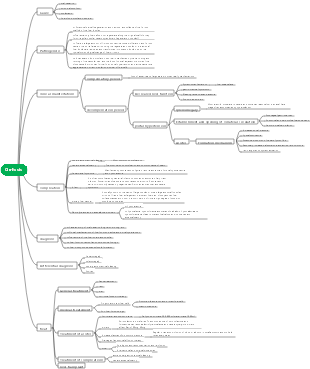
Cirrhosis
Cause
Viral hepatitis (mainly hepatitis B in China)
A and E are acute and difficult to turn into cirrhosis.
Chronic alcoholism (abroad)
Drugs and chemical poisons
circulatory disorder
non-alcoholic fatty liver disease
Schistosoma infection
Highest and most prominent
cholestasis
immune diseases
genetic metabolism
hepatolenticular degeneration
Hemochromatosis
alpha antitrypsin deficiency
Pathogenesis
Hepatic stellate cell activation
pseudolobule formation
Increased fine extracellular matrix
clinical manifestations
Symptoms in the compensatory phase are mild
abdominal discomfort
gastrointestinal symptoms
Weakness
Mild hepatosplenomegaly
decompensation period
Decreased liver function
Malabsorption
Malnutrition
jaundice
Mostly hepatocellular
continues to worsen
bleeding, hemolytic anemia
Decreased hepatic synthesis of coagulation factors
Hypersplenism
Increased capillary fragility
Endocrine disorders
Increased estrogen, decreased androgens
spider nevus liver palm
Adrenocortical insufficiency
liver disease face
Increased antidiuretic hormone
Three highs and two lows, water and sodium retention
Thyroid hormones related to liver disease severity
Irregular low-grade fever
hypoalbuminemia
Portal hypertension (three edema)
Frog-shaped abdomen, shifting dullness (+), Liquid wave tremor (+)
Hypersplenism and splenomegaly (earliest)
When combined with massive gastrointestinal bleeding Spleen shrinkage
Reduction in three series
Collateral circulation formation (most valuable)
Esophageal and gastric varices (EGV)
abdominal wall vein
hemorrhoidal vein
retroperitoneal anastomotic branch
Splenorenal shunt
Ascites (most prominent)
portal hypertension
hypoalbuminemia
Insufficient effective circulating blood volume
Secondary aldosterone, ADH increase
Increased hepatic lymph production
mechanism
treat
General treatment
rest
high protein high calories
The compensation period can be The liver and brain should be low
Anti-fibrosis
Stifuvir
Lamivudine
Treat jaundice
Hepatoprotective drugs
Not too many <2 types
Nucleotide drugs (Treatment of hepatitis)
Reduced glutathione
polyene phosphatidylcholine
Ascites treatment
Limit water and sodium intake
Table salt <2g
Water<1000ml Low sodium <500
diuretics
The speed should not be too fast
Spironolactone is preferred Combined with furosemide and other
Increase plasma osmotic pressure
Regular transfusion of plasma albumin
refractory ascites
Can be concentrated and recycled when there is no infection
Passage of large amounts of ascites+ Albumin 80 infusion
TIPS
Liver Transplantation
EGVB
bleeding period
fasting
Blood transfusion and rehydration
Stop bleeding
Drugs (Somatostatin Octreotide)
Endoscopic esophageal ligation or gastric fundus sclerosis
Intervention TIPS
Three lumens and two bladder tubes
Available after the above is invalid <24h
Emergency surgery (generally not recommended)
prevention
primary prevention (Propranolol etc. ↓ Varicose veins)
secondary prevention
SBP
Quinolones>2W
portal vein thrombosis
early heparin
TIPS when necessary
Liver Transplantation
The only way patients can survive long-term
Auxiliary inspection
Blood routine
Hypersplenism reduces the three lines
Urine routine
Jaundice→bilirubinurobilinogen↑
liver function
ALT,AST↑
Serum albumin↑globulin↓ A/G inversion
PT extension
Fibrosis index↑
Total bilirubin↑
portal pressure
Main trunk inner diameter>13mm
The inner diameter of the splenic vein is greater than 8mm
Ascites examination
Ascites serum protein gradient >11g
liver biopsy
gold label Look for pseudolobule formation Diagnosis can be made if symptoms are not obvious during the compensatory period
X-ray barium meal
Visible esophageal worm-like filling defect 👇 collateral circulation formation
Use gastroscopy when there is gastrointestinal bleeding
complication
Gastrointestinal bleeding (most common)
Esophageal and gastric variceal bleeding
peptic ulcer
portal hypertensive gastroenteropathy
hepatic encephalopathy
The most serious and common cause of death
Infect
Escherichia coli first, then Staphylococcus aureus as the resistance decreases
respiratory tract
Intestine
bile duct gallbladder
urinary tract
Spontaneous peritonitis (SBP)
Do a bacterial test
Cirrhosis
fever
stomach ache
peritoneal irritation
Increased ascites
diagnosis
Hepatorenal syndrome
Performance
Spontaneous oliguria
Anuria
hyponatremia
dilutive low sodium
azotemia
Renal cortical hypoperfusion 👇 Decreased renal blood flow
diagnosis
No shock
Cirrhosis combined with ascites
Serum creatinine>133umol/L Rapidly progressive within two weeks>226
Expansion with albumin And the serum creatinine cannot be <133 after stopping diuretics.
No recent use of nephrotoxic drugs
No intrinsic kidney disease
Hepatopulmonary syndrome
severe liver disease
pulmonary vasodilation
arterial oxygenation disorder
primary liver cancer
Liver quickly↑ in short term
Persistent liver pain
Ascites is bloody
Electrolyte acid-base balance disorder
low sodium
Low chlorine
low potassium alkali
portal thrombosis
Sudden abdominal pain
Splenomegaly
bloody ascites within a short period of time
"Short-term" identification of liver cancer
bloody ascites
combined with liver cancer
tuberculous peritonitis
portal vein thrombosis
gastrointestinal bleeding
hepatic encephalopathy