MindMap Gallery Chapter 28 Cirrhosis ✓
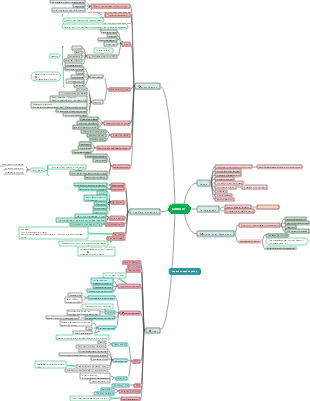
Internal Medicine Chapter 3 Digestive System Diseases Liver cirrhosis, its causes include viral hepatitis, chronic alcoholism, cholestasis, and liver blood circulation disorders. Students also need to master their pathogenesis, clinical manifestations, complications, and diagnostic knowledge.
Edited at 2023-10-29 23:28:42This is a mind map about bacteria, and its main contents include: overview, morphology, types, structure, reproduction, distribution, application, and expansion. The summary is comprehensive and meticulous, suitable as review materials.

This is a mind map about plant asexual reproduction, and its main contents include: concept, spore reproduction, vegetative reproduction, tissue culture, and buds. The summary is comprehensive and meticulous, suitable as review materials.
This is a mind map about the reproductive development of animals, and its main contents include: insects, frogs, birds, sexual reproduction, and asexual reproduction. The summary is comprehensive and meticulous, suitable as review materials.
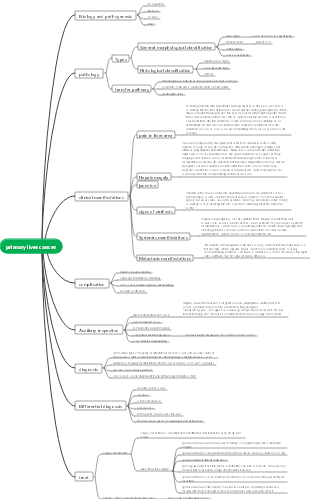
This is a mind map about bacteria, and its main contents include: overview, morphology, types, structure, reproduction, distribution, application, and expansion. The summary is comprehensive and meticulous, suitable as review materials.
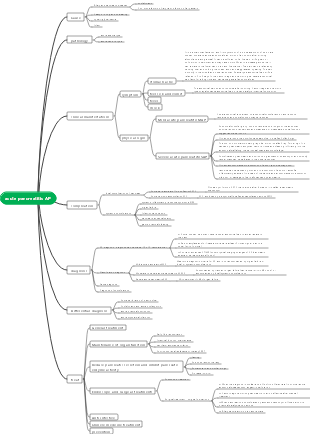
This is a mind map about plant asexual reproduction, and its main contents include: concept, spore reproduction, vegetative reproduction, tissue culture, and buds. The summary is comprehensive and meticulous, suitable as review materials.
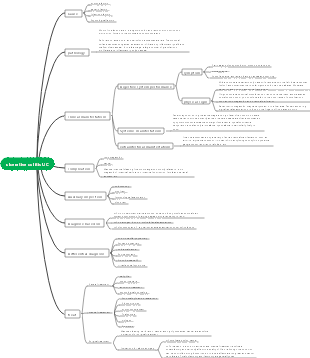
This is a mind map about the reproductive development of animals, and its main contents include: insects, frogs, birds, sexual reproduction, and asexual reproduction. The summary is comprehensive and meticulous, suitable as review materials.
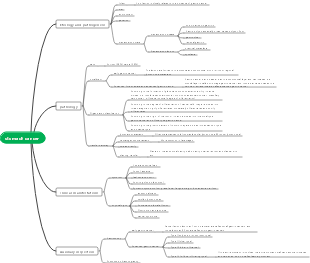
Cirrhosis
Cause
viral hepatitis
chronic alcoholism
cholestasis
Liver blood circulation disorder
Pathogenesis
① Extensive liver cell degeneration and necrosis, and collapse of the fibrous scaffold of the liver lobules
②The remaining liver cells do not regenerate along the original scaffold; they form irregular nodular hepatocyte clusters (regeneration nodules))
③ There is a large amount of fibrous connective tissue proliferation and fibrous septa in the portal area, surrounding the regenerated nodules or the residual liver lobules are redivided and transformed into pseudo lobules, which is a typical morphological change of liver cirrhosis.
④ Intrahepatic blood circulation disorder is manifested by the narrowing and twisting of the vascular bed, and the loss of normal adjacent structure of the blood vessels, which can further form portal hypertension and at the same time aggravate the nutrient circulation disorder of liver cells.
clinical manifestations
compensatory period
Loss of appetite and fatigue are prominent early manifestations
decompensation period
Decreased liver function
Systemic manifestations
liver disease face
gastrointestinal symptoms
Bleeding tendencies and anemia
Endocrine disorders
portal hypertension
splenomegaly
Most are mild, moderate to severe, and some can reach below the navel. Late stage often accompanied by hypersplenism
Establishment and opening of collateral circulation
Esophageal-gastric varices
Abdominal and periumbilical varicose veins
Hemorrhoidal vein dilation
Ascites
Formation mechanism
Increased portal pressure
Hypoalbuminemia
Excessive production of hepatic lymph fluid
Secondary increase in aldosterone and antidiuretic hormone
renin-angiotensin system activation
complication
upper gastrointestinal bleeding
Most common complications
hepatic encephalopathy
The most serious complication and common cause of death
Hepatorenal syndrome
Manifested by spontaneous oliguria or anuria, azotemia, dilutional hyponatremia, and hyponatremia
Infect
It is often complicated by bacterial infections, such as pneumonia, biliary tract infection, Escherichia coli sepsis, and spontaneous peritonitis. Spontaneous peritonitis is mostly caused by negative bacilli, with an acute onset and severe symptoms.
primary liver cancer
It usually occurs on the basis of large nodules or mixed large and small nodules cirrhosis. If rapid liver enlargement, persistent liver pain, bloody ascites, liver surface masses, etc. occur in a short period of time, a high degree of suspicion should be considered.
Electrolyte and acid-base balance disorders
①Hyponatremia
② Hypokalemia, hypochloremia and metabolic alkalosis. Hypokalemia and hypochloremia can lead to metabolic alkalosis and induce hepatic encephalopathy.
diagnosis
①Have a history of viral hepatitis, long-term drinking, etc.
②Clinical manifestations of liver function decline and portal hypertension
③The texture of the liver is hard and nodular
④ Liver function tests often show positive findings
⑤ Liver biopsy shows pseudolobule formation
Differential diagnosis
Hepatomegaly
splenomegaly
upper gastrointestinal bleeding
Ascites
treat
General treatment
Cause treatment
rest
diet
nutritional support therapy
medical treatement
Drugs that protect liver cells
Promote bile excretion and protect liver cells
vitamin medicine
Anti-liver fibrosis drugs
Treatment of ascites
Limit water and sodium intake
Daily sodium intake 500-800ml, water intake 1000ml
diuretic
Spironolactone is preferred. The combined use of spironolactone and furosemide can reduce electrolyte imbalance and have a synergistic diuretic effect. Ratio 100mg: 40mg
Increase plasma colloid osmotic pressure
Regular intravenous infusion of blood or albumin in small amounts and multiple times every week
Drainage of abdominal effusion therapy
other
Autologous ascites concentration and reinfusion
Interventional and surgical procedures
Treatment of complications
acute upper gastrointestinal bleeding
hepatic encephalopathy
liver transplant