MindMap Gallery Chapter 30 Primary liver cancer
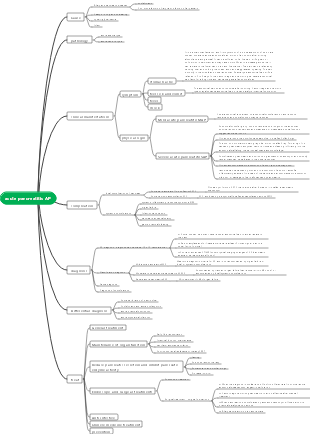
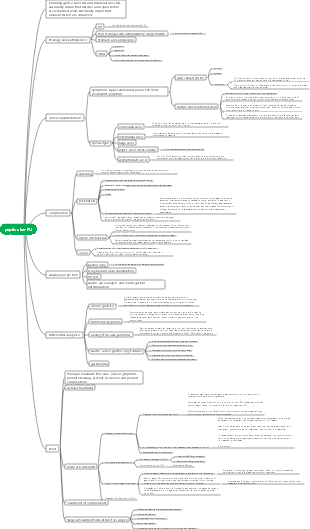
The third chapter of Internal Medicine, Digestive System Diseases: Primary Liver Cancer, organizes the etiology and pathogenesis, pathology, clinical manifestations, complications, auxiliary examinations, diagnosis, differential diagnosis, and treatment knowledge of primary liver cancer.
Edited at 2023-10-29 23:29:58This is a mind map about bacteria, and its main contents include: overview, morphology, types, structure, reproduction, distribution, application, and expansion. The summary is comprehensive and meticulous, suitable as review materials.

This is a mind map about plant asexual reproduction, and its main contents include: concept, spore reproduction, vegetative reproduction, tissue culture, and buds. The summary is comprehensive and meticulous, suitable as review materials.
This is a mind map about the reproductive development of animals, and its main contents include: insects, frogs, birds, sexual reproduction, and asexual reproduction. The summary is comprehensive and meticulous, suitable as review materials.
This is a mind map about bacteria, and its main contents include: overview, morphology, types, structure, reproduction, distribution, application, and expansion. The summary is comprehensive and meticulous, suitable as review materials.
This is a mind map about plant asexual reproduction, and its main contents include: concept, spore reproduction, vegetative reproduction, tissue culture, and buds. The summary is comprehensive and meticulous, suitable as review materials.
This is a mind map about the reproductive development of animals, and its main contents include: insects, frogs, birds, sexual reproduction, and asexual reproduction. The summary is comprehensive and meticulous, suitable as review materials.
primary liver cancer
Etiology and pathogenesis
viral hepatitis
Aflatoxin
Cirrhosis
other
pathology
Types
General morphological classification
Block type
≥5cm, if ≥10cm it is giant type
Nodular type
About 5cm
Diffuse type
Small cancer type
Histological classification
hepatocellular type
cholangiocyte type
Hybrid
transfer pathway
Hematogenous metastasis: the earliest and most common
Lymphatic metastasis: mostly to portal lymph nodes
planting transfer
clinical manifestations
pain in liver area
It mostly presents with persistent swelling and pain or dull pain. Liver pain is caused by the traction of the liver capsule by the rapidly growing tumor. If the disease invades the diaphragm, the pain may involve the right shoulder. When the cancer nodules on the liver surface rupture and the necrotic cancer tissue and blood flow into the abdominal cavity, severe pain may suddenly occur, extending from the liver area to the entire abdomen; symptoms of acute abdomen may occur, such as excessive bleeding, which may cause shock and syncope.
Hepatomegaly
The liver is progressively enlarged, hard in texture, uneven in surface, with nodules or huge masses of varying sizes, with blunt and irregular edges, and often varying degrees of tenderness. When liver cancer protrudes under the right costal arch or xiphoid process, the upper abdomen may appear partially bulging or full. If the cancer is located on the diaphragm surface, the main manifestation is diaphragm elevation but the lower edge of the liver may not be enlarged. Cancerous nodules located under the costal arch are most easily palpable. Sometimes cancer compresses blood vessels, and a blowing murmur can be heard in the corresponding abdominal wall area.
jaundice
signs of cirrhosis
Patients with cirrhosis and portal hypertension may have symptoms such as splenomegaly, ascites, and formation of venous collateral circulation. Ascites quickly increases and is usually transudate. There may be bloody ascites, mostly caused by cancer invading the liver capsule or rupturing into the abdominal cavity.
Systemic manifestations
Progressive weight loss, loss of appetite, fever, fatigue, malnutrition and cachexia, etc. A small number of liver cancer patients may have special systemic manifestations, called cancer-associated syndrome. Spontaneous hypoglycemia and polycythemia are more common, while other rare ones include hyperlipidemia, hypercalcemia, carcinoid syndrome, etc.
Metastasis manifestations
Intrahepatic hematogenous metastasis is early, and most of the metastases are to the lungs, adrenal glands, bones, chest, brain and other parts, causing corresponding symptoms. The thoracic metastasis is more common on the right side, and there may be signs of pleural effusion.
complication
hepatic encephalopathy
upper gastrointestinal bleeding
Liver cancer nodule rupture and bleeding
secondary infection
Auxiliary inspection
Alpha-fetoprotein AFP assay
Regular observation of AFP is of great value in judging the condition of liver cancer, postoperative recurrence and estimating prognosis. Standards: ① AFP >500 μg/L for 4 weeks ② AFP gradually increases from low to not falling ③ AFP remains at a moderate level above 200 μg/L for 8 weeks.
Serum enzyme assay
B-mode ultrasound imaging
Computerized tomography CT
The best way to diagnose small and micro liver cancers
X-ray hepatic angiography
diagnosis
①Have two typical imaging manifestations of liver cancer (ultrasound, contrast-enhanced CT, MRI or selective hepatic arteriography), and the lesion is >2cm
②A typical imaging manifestation of liver cancer, lesions >2cm, AFP >400μg/L
③ Liver cancer biopsy positive
Liver cancer can be diagnosed if one of the requirements is met
Differential diagnosis
secondary liver cancer
Cirrhosis
active liver disease
liver abscess
Extrahepatic abscess near the liver
Noncancerous space-occupying lesions of the liver
treat
Surgical treatment
Surgical resection is currently the most effective treatment for early-stage liver cancer
Indications for surgery
①Those who have no obvious heart, kidney, or lung damage and can tolerate surgery
②Those with well-compensated liver function and no obvious jaundice or ascites
③Those without distant metastasis
④ Imaging shows that the tumor is limited to one lobe or half of a lobe and may be resected, or palliative surgical treatment is feasible
⑤Those with small or localized recurrent liver cancer who have the possibility of resection
⑥Those who have intrahepatic mass that cannot be completely ruled out as malignant tumors through various examinations and are easy to resect
hepatic arterial chemoembolization TACE
Non-surgical method of choice