MindMap Gallery Class education work
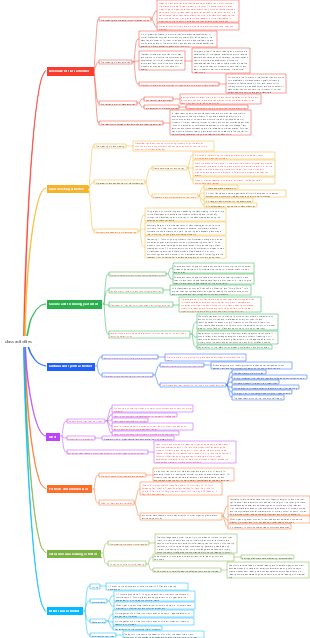
This is a mind map about class education work. The main contents include: transformation of underachievers in the class, class model education, handling of class incidents, and class individual education.
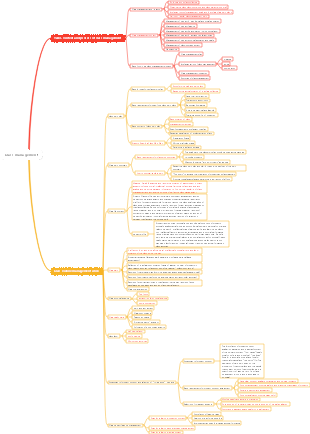
Edited at 2024-04-10 13:40:31This is a mind map about bacteria, and its main contents include: overview, morphology, types, structure, reproduction, distribution, application, and expansion. The summary is comprehensive and meticulous, suitable as review materials.

This is a mind map about plant asexual reproduction, and its main contents include: concept, spore reproduction, vegetative reproduction, tissue culture, and buds. The summary is comprehensive and meticulous, suitable as review materials.
This is a mind map about the reproductive development of animals, and its main contents include: insects, frogs, birds, sexual reproduction, and asexual reproduction. The summary is comprehensive and meticulous, suitable as review materials.
This is a mind map about bacteria, and its main contents include: overview, morphology, types, structure, reproduction, distribution, application, and expansion. The summary is comprehensive and meticulous, suitable as review materials.
This is a mind map about plant asexual reproduction, and its main contents include: concept, spore reproduction, vegetative reproduction, tissue culture, and buds. The summary is comprehensive and meticulous, suitable as review materials.
This is a mind map about the reproductive development of animals, and its main contents include: insects, frogs, birds, sexual reproduction, and asexual reproduction. The summary is comprehensive and meticulous, suitable as review materials.
Class education work
Class individual education
Concept: Class individual education is targeted education based on the specific situation and characteristics of each student in the class.
The role of individual education in classes
Class individual education is the deepening and supplement of collective education
Class individual education can promote the healthy growth of every student
Methods of individual education in classes
conversation method
Discussion talk, prompt talk, critical talk, surprise talk, progressive talk, heterogeneous talk, heart-to-heart talk
exercise method
Physical type, skill type, intelligence type, ability type, standard type
Specific requirements for individual education in classes
Love students and be honest with them
Respect students, care and trust
Strict requirements, democracy and justice
Handling of Class Incidents
Incidental events and their significance
The connotation of accidental events
Accidental, sudden, explosive
The dangers of accidental events
1. Cause serious confrontation between teachers and students, students and students, affecting the cohesion of the class organization
2. Causing chaos in class organization and affecting the formation of correct public opinion
3. Damage the image and reputation of the class and reduce the influence of the class
4. Cause psychological pressure on students
The significance of correctly handling accidental events
1. Correct handling of accidents can prevent further development of the situation and the occurrence of accidents
2. Correctly handling accidental incidents can not only educate the parties involved and the perpetrators, but also affect all students.
How to deal with unexpected events
Investigate and research, master the entire process
1. There must be a basic analysis of accidental events
2. Investigation and research must be in-depth and detailed
Analyze the reasons and clarify the essence
Handle it carefully and convince people with reason
Issues that should be paid attention to when dealing with unexpected events
Remember to express your opinion easily
Remember to share your mistakes and get fifty big boards each
Remember to let things go and ignore them
Remember to discuss matters as they arise
Class role model education
Characteristics and functions of role models
example
Revolutionary leaders and heroic role models; teachers; peers
role model
Inspiring, regulating, corrective, guiding
Tips for setting an example
Adhere to all-round development
1. Love the motherland and support the leadership of the Communist Party; 2. Establish the idea of serving the people and the ambition to strive for socialist modernization; (Germany) 3. Have good moral character and civilized behavior, and have honesty, integrity, self-respect and self-reliance , hard-working, courageous, pioneering and enterprising qualities and a certain degree of moral judgment and self-education ability; (intelligence) 4. Perseverance in learning, hard work, outstanding achievements, innovative spirit and the excellent qualities of being open-minded and not proud; 5. Diligent in Exercise and have good physical fitness; (Physical) 6. Have legitimate hobbies and noble aesthetic tastes; (Beauty) 7. Love labor (Labor)
Adhere to multi-level optimization
Basic requirements for using role model education
Pay attention to the prestige of setting an example
Pay attention to stimulating the motivation to learn from role models and enhance the consciousness of learning
Learning from an example must be seen in action
Transformation of underachievers in the class
The connotation of underachievers
Underachievers refer to those students who, under normal physiological conditions, have bad moral character and whose academic performance cannot keep up with children of the same age.
The meaning of transforming underachievers
Transforming underachievers is the need to build an excellent class collective
Transforming underachievers is a requirement for school education to play its leading role
Transforming underachievers is conducive to improving teaching quality
Transforming underachievers is conducive to the stability of social order
Methods and approaches to transform underachievers
Deeply understand the psychological characteristics of underachievers
1. The contradiction between self-esteem and lack of self-esteem
2. The contradiction of wanting to win but not being able to win
3. The contradiction between the desire to be motivated and weak will
Establish a strong belief that underachievers can also become talents
Good at capturing the positive factors in underachievers
1. Believe that there are positive factors in them
2. We must treat them carefully and firmly grasp the many positive factors they have shown.
3. Be good at discovering the progress of underachievers
4. The best time to capture the positive factors in underachievers: when entering a new school or new class; when entering a new semester or new school year; when underachievers accidentally get a high score or are praised for their contributions to the group.
Create various conditions for the transformation of underachievers and promote transformation
1. Cultivate active interests among underachievers
2. Help underachievers build self-confidence in learning
3. Love students and establish a good teacher-student relationship
4. Use collective strength to gain more support
5. Use correct public opinion to supervise underachievers
catch repeatedly, catch repeatedly