MindMap Gallery How to Study Efficiently Reading Notes
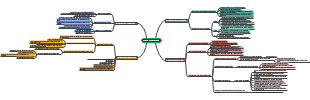
The whole book mainly talks about the theory and method of "holistic learning", mainly grasping the structure, model and connection; five kinds of information processing technology, as well as efficiency management. The whole book is the essence and is worthy of serious study and practice.
Edited at 2024-09-05 09:50:32루미 : 영적 각성의 10 차원. 당신이 자신을 찾는 것을 멈출 때, 당신은 당신이 찾고있는 것이 당신을 찾고 있기 때문에 우주 전체를 찾을 것입니다. 당신이 매일 인내하는 것은 당신의 영의 깊이의 문을 열 수 있습니다. 침묵 속에서 나는 비밀 영역으로 미끄러 져 내 주변의 마법을 관찰하기 위해 모든 것을 즐겼으며 어떤 소음도 만들지 않았습니다. 날개로 태어 났을 때 왜 기어 다니는 것을 좋아합니까? 영혼은 그 자체의 귀를 가지고 있으며 마음이 이해할 수없는 것들을들을 수 있습니다. 모든 것에 대한 답을 내면으로 찾으십시오. 우주의 모든 것이 당신 안에 있습니다. 연인들은 어딘가에서 만나지 않으며이 세상에는 이별이 없습니다. 상처는 빛이 당신의 마음에 들어가는 곳입니다.
만성 심부전은 심박수 속도의 문제가 아닙니다! 심근 수축 및 이완기 기능의 감소로 인해 심장 출력이 불충분하여 폐 순환에서 정체와 체계 순환의 혼잡을 유발합니다. 원인, 유도에서 보상 메커니즘에 이르기까지, 심부전의 병리 생리 학적 과정은 복잡하고 다양합니다. 부종을 제어하고, 심장의 전선 및 애프터로드를 줄이고, 심장 안락함 기능을 향상시키고, 기본 원인을 예방하고 치료함으로써, 우리는이 도전에 효과적으로 대응할 수 있습니다. 심부전의 메커니즘과 임상 증상을 이해하고 마스터 링 방지 및 치료 전략을 이해함으로써 우리는 심장 건강을 더 잘 보호 할 수 있습니다.
허혈-재관류 손상은 기관이나 조직이 혈액 공급을 회복시킨 후 세포 기능 및 대사 장애 및 구조적 손상이 악화 될 것이라는 현상입니다. 주요 메커니즘에는 증가 된 자유 라디칼 생성, 칼슘 과부하 및 미세 혈관 및 백혈구의 역할이 포함됩니다. 심장과 뇌는 흔한 손상 기관이며 심근 대사 및 초 구조적 변화, 심장 기능 감소 등으로 나타납니다. 예방 및 제어 조치에는 자유 라디칼 제거, 칼슘 과부하 감소, 신진 대사 개선 및 저 나트륨, 저온, 저압 등과 같은 재관류 조건을 제어하는 것이 포함됩니다. 이러한 메커니즘을 이해하면 효과적인 치료 옵션을 개발하고 허혈성 손상을 완화시키는 데 도움이 될 수 있습니다.
루미 : 영적 각성의 10 차원. 당신이 자신을 찾는 것을 멈출 때, 당신은 당신이 찾고있는 것이 당신을 찾고 있기 때문에 우주 전체를 찾을 것입니다. 당신이 매일 인내하는 것은 당신의 영의 깊이의 문을 열 수 있습니다. 침묵 속에서 나는 비밀 영역으로 미끄러 져 내 주변의 마법을 관찰하기 위해 모든 것을 즐겼으며 어떤 소음도 만들지 않았습니다. 날개로 태어 났을 때 왜 기어 다니는 것을 좋아합니까? 영혼은 그 자체의 귀를 가지고 있으며 마음이 이해할 수없는 것들을들을 수 있습니다. 모든 것에 대한 답을 내면으로 찾으십시오. 우주의 모든 것이 당신 안에 있습니다. 연인들은 어딘가에서 만나지 않으며이 세상에는 이별이 없습니다. 상처는 빛이 당신의 마음에 들어가는 곳입니다.
만성 심부전은 심박수 속도의 문제가 아닙니다! 심근 수축 및 이완기 기능의 감소로 인해 심장 출력이 불충분하여 폐 순환에서 정체와 체계 순환의 혼잡을 유발합니다. 원인, 유도에서 보상 메커니즘에 이르기까지, 심부전의 병리 생리 학적 과정은 복잡하고 다양합니다. 부종을 제어하고, 심장의 전선 및 애프터로드를 줄이고, 심장 안락함 기능을 향상시키고, 기본 원인을 예방하고 치료함으로써, 우리는이 도전에 효과적으로 대응할 수 있습니다. 심부전의 메커니즘과 임상 증상을 이해하고 마스터 링 방지 및 치료 전략을 이해함으로써 우리는 심장 건강을 더 잘 보호 할 수 있습니다.
허혈-재관류 손상은 기관이나 조직이 혈액 공급을 회복시킨 후 세포 기능 및 대사 장애 및 구조적 손상이 악화 될 것이라는 현상입니다. 주요 메커니즘에는 증가 된 자유 라디칼 생성, 칼슘 과부하 및 미세 혈관 및 백혈구의 역할이 포함됩니다. 심장과 뇌는 흔한 손상 기관이며 심근 대사 및 초 구조적 변화, 심장 기능 감소 등으로 나타납니다. 예방 및 제어 조치에는 자유 라디칼 제거, 칼슘 과부하 감소, 신진 대사 개선 및 저 나트륨, 저온, 저압 등과 같은 재관류 조건을 제어하는 것이 포함됩니다. 이러한 메커니즘을 이해하면 효과적인 치료 옵션을 개발하고 허혈성 손상을 완화시키는 데 도움이 될 수 있습니다.
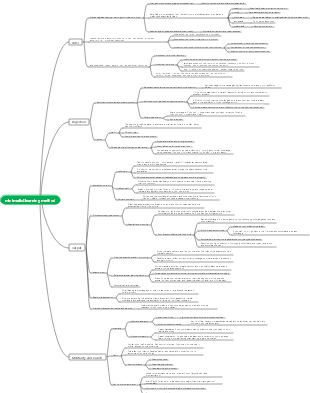
"How to Study Efficiently" Reading Notes
Part One Holistic Learning Strategies
holistic learning
what
Take multiple approaches to comprehensive learning
Learning is like weaving a big web that connects everything.
Use the rich neuron network in the brain to absorb and integrate information
Create a network of information where one piece of knowledge is interconnected with another
is a hypothesis about how to learn effectively
Practice summary
Based on three main perspectives
1. Structure
what
Structure is a series of closely related knowledge.
Such as C
like a city in the mind
A gateway to holistic learning
why
The result of a highly developed and perfect structure is understanding
The city's roads extend in all directions, are clean and orderly, and despite the heavy traffic, there are never any traffic jams.
Difficulties in understanding: The city is crude, with poor roads, random construction, illegal construction, and shoddy projects everywhere, and some roads even lead nowhere.
The knowledge structure is the reference map in the head
Helps understand and correct errors
how
When building a knowledge structure, the goal is to create as many connections as possible between the various pieces of knowledge.
No new concepts are learned, they are all related to other knowledge
Consciously establish and develop habits
Strong structure comes from the continuous connection between concepts. Complete one idea at a time, and over time, it will come naturally.
2.Model
what
The key to opening the structural portal
A model is a simplified structure, a snapshot of the structure
A model is a form of compression that compresses multiple key ideas into one place
Not necessarily a picture
The model is the foundation and frame of the building
why
Simpler and easier to store than the structure
Models are critical for learning new concepts quickly
Build structures, add content to structures
how
Compress information
By connecting some core concepts together, you can create a model
Leverage mature structures
perceptual structure
Relational Structure: Stories, Characters, and the Interactions Between Characters
basic mathematical structures
Life experience is the most familiar construct and is the primary source of models.
As long as it is similar to what you have learned, you can use it as a model
3.Highway
what
Refers to the connection between structure and structure
Connect cities
Used as a reference to connect two completely different concepts.
why
New structures can be established in areas of cross-professional expertise
how
why
The human brain stores information through billions of neurons that are interconnected
Knowledge learning is never isolated. The more connections you create, the better you remember and understand.
The more holistic the learning, the more interesting the course will be
Find various ways to apply knowledge (even if you hate it now), knowledge gains new meaning due to "use"
how
1. Holistic learning sequence (non-linear)
1. Get test
what
Information enters the eyes, ears, etc.
The goal is to obtain accurate information and compress the amount of information as much as possible
why
three goals
simplify
Delete invalid information
capacity
Get as much information as possible
speed
efficiency
how
Speed Reading
test
Have I seen or heard this knowledge before?
2. Understand the test
what
Understand the basic meaning of information and put it in context
why
Information becomes meaningful after initial understanding
But at this time the information has not yet been firmly rooted in the brain
Rote learning is only the understanding stage of learning
Only by transcending the stage of understanding can you be superior to others
how
In addition to understanding the basic meaning of the formula, you also need to understand how the formula is obtained, its relationship with other formulas, and how to use it to solve various problems in the outside world. (Expansion and application)
test
Do I understand what knowledge means?
3. Expand testing
what
Form models, highways and extensive connections to obtain good structures
why
The true beginning of holistic learning
how
Apply models to simplify and extend structures
Expand understanding of information
Such as the origin of the information and how it is connected to other information
Three ways to expand
Deep expansion
Create connections within knowledge
Where does knowledge come from?
Where does the conclusion come from?
How is a discovery made?
Why do things exist the way they do?
Horizontal expansion
Make connections around knowledge
Knowledge does not exist in isolation. What other conclusions are similar to this?
What places are similar? What are the differences?
What other discoveries were made during the same period/region/discoverer?
vertical expansion
what
Knowledge follows a certain pattern, and the same pattern is seen in other knowledge
Create highways between structures
how
metaphor
Internalization
Test: Do I know where knowledge comes from and what knowledge it is related to?
4. Error correction test
what
Find bugs in models and highways, remove invalid contacts
why
Doing pruning work in the holistic knowledge network
Add special examples
Delete connections that do not exist in reality
What you think is a correct understanding is actually derived from wrong connections.
how
model correction method
The ultimate way is practice
Test: Have I deleted the inappropriate connections? Have I deleted those false theories?
5. Application testing
what
Taking error correction to the final level, adjusting by comparing (knowledge of) how information works in reality.
why
It is both a process of practice and a process of creative problem solving.
Almost all knowledge has practical value. If you can discover the value of knowledge in your life, knowledge will have a close connection with you.
how
project learning method
Test: Did I apply my knowledge to real life situations?
6. Find your weak points and practice more
Example: Reading slowly because I don’t understand grammar
Poor scaling performance: Lack of flexibility
2. Information structure
what
Although the learning process is similar, the types of knowledge structures are different.
Random information
what
Lack of logical classification, requiring rote learning of knowledge
why
Easy to understand but difficult to remember
how
Try to find logical relationships
association method
hook method
compression method
opinion information
what
Disputed information
why
The difficulty lies in the acquisition stage
how
Examine large amounts of information to look for patterns rather than memorizing specific details
speed tricks
Chart method
process information
what
Information that teaches you how to act, information that tells you a series of actions and operations
why
Difficult points require a substantial investment of actual time in practice
Benefit: If you practice, you will remember it better
how
Keep practicing and do it over and over again.
Establishing the right background concepts is also critical to saving time
Most process information relies on the right model. With practice a structure can slowly develop. Here are some techniques that can improve your model.
Internalization
metaphor
Chart method
Model error correction
specific information
what
Information that can be observed, heard, and touched in practice
why
how
Internalization
abstract information
what
lack of direct contact with the senses
Such as mathematics, physics, chemistry, psychology, computer
why
Contrary to random information, difficult to understand but highly logical
The understanding and expansion stages are unbearable. You can appropriately reduce the speed of receiving information and study the previous information in depth and carefully.
Features: One link follows another, so it is important to lay a good foundation
how
Move it to a specific level
why
Processing different types of information in the same way doesn't work
how
How to use the five types of information
First, determine which category the information mainly belongs to?
weak structure and strong structure
There are strong and weak knowledge structures, try to use strong structures
Random information is the weakest structure, difficult to learn holistically, takes a long time to learn, and has limited practical application value.
Specific information structure and process information structure are the strongest information structures. They will evoke actual experience, and new knowledge and old experience can be well connected.
mechanical memory
Mechanical memory is repeated memory
Think of learning as sorting out boxes of different sizes. It is impossible to find traces of biology, history, painting, dance, and science fiction movies in your calculus boxes.
reason
Not knowing the steps to learn and lacking the skills to complete the steps
There is no method to choose when learning. Only mechanical memory will be effective.
Part 2 Holistic Learning Technology
what
why
how
Prerequisite: Find out where your weak points are first
1. Technology
AAcquire knowledge
Speed Reading
"Speed Reading Breakthrough"
finger reading
Control reading speed with your fingers
practice reading
The goal is not to absorb what you read, but to train yourself to understand what you read as quickly as possible
active reading method
Emphasis on in-depth understanding of material
Write down
What is the main point of this section?
Encourage you to obtain complete information
How can I remember the main ideas?
Forces you to make connections, visualizations, and metaphors about information
How can I expand on the main idea and apply it?
Requires information to be applied in different scenarios
Skills require repeated practice
Note flow (suitable for listening to lectures)
"Learn once" learning principle
The goal is to provide a platform to connect what is learned
specific methods
Write down the main points first
1. Try to replace complete sentences with very short words
Improve class efficiency
2. Draw some arrows between this idea and other ideas
Viewpoints are not built into a pyramid structure
but an interconnected network structure
3. Metaphors, diagrams, and information compression techniques can all be combined with note flow
Classification
Hybrid note flow
Record and expand
Break the traditional linear structure of notes
Note flow after class
Regular in class, mixed in class
Commentary stream
Write down the most critical information first
Then add connections between the information
required abilities
Identification of key information
Identify what is the focus and core content
B contact point of view (understanding and expansion)
Knowledge classification
difficult information
Random information, abstract information, etc.
association method
Key Information
1. Metaphor
1. Identify the information you want to deeply understand and remember
2. Look for something similar to the information part in personal experience
imperfect metaphor
3. Repeat the above process and check for inappropriate places
2. Internalization (specific information)
Image, sound, touch, emotion, etc.
Receiving knowledge through the optic nerve
step
1. Identify the concept you want to internalize
2. Start by building a mental image
3. Make the image move
4. Now start adding other senses
5. Add more feelings and emotions
6. Keep repeating and refining the image until you can quickly recall the knowledge as soon as you think of it
metaphor internalization
3. Chart method
Simplify information
Three icon types
flow chart
step
Historical events
system
Concept map
tie ideas together
image
Use crude and simple graffiti to replace text
C Processing of random information
summary
weak
Repeated learning
good
Learn through association method, hook method and information compression technology
most
Learning through metaphors, internalization and icons
1. Lenovo method
Purpose: To string together a series of ideas
Steps to use the association method
1. Creation order
2. Give each item in the list a symbol
3. Create your own association
2. Hooking method
Associate memorized information with numbers
Memorize date
step
1. Create images for basic numbers
2. Associate any symbol with a location
3.Information compression technology
Purpose
Reduce the information capacity and find the logical relationship of the information
three ways
mnemonics
A method of storing several pieces of information using one phrase or word
image contact
Connect several pieces of information and represent them in a diagram
A combination of association method, diagramming method, and internalization
Note compression method
Purpose
Organize large amounts of information
Easier to make connections
step
1. Take out some blank paper
2. Use the smallest words to write down the main points in your notes.
3. Then write down the related ideas, formulas, concepts and definitions
4. Continue the above process of free writing down ideas until every main point of the notes has been written down.
5. Make the decoration more organized and look better
D knowledge expansion
Practical application
what
Not a step-by-step technique, it's a creative process
how
Find unusual ways to apply concepts
Model error correction
what
Keep practicing and practicing, and discover problems in practice
why
Mistakes in the brain also need to be corrected by taking tests, solving problems, and completing assignments
how
1. Distinguish between spelling errors and conceptual issues
2. Shotgun Strategy
Do each type of problem once. Don’t spend hours solving the same type of problem repeatedly.
If you keep repeating the same problem, try going back to the expansion phase
3. Extend practice time
Fast charging once a day is better than cramming
2. Practical application of holistic learning technology
1. Project-based learning
what
Set goals to achieve within 1 to 3 months
Achieving goals is a process of learning
Achieving the goal also achieves the learning effect
why
In line with every process of holistic learning
The best way to learn quickly
how
1. Start with small projects
2. Record it
3. Create a meaningful goal
2. Feynman Technique
specific measure
1. Understand those knowledge points that you do not really master
2. Remember the knowledge points that you can understand but are willing to forget in the exam
3. As an efficient way to study before exams
Operating procedures
1. Choose the concepts you want to learn
Take out a piece of white paper and write the name of the concept at the top
2. Imagine you are a teacher and you are trying to teach a new student this knowledge point
write down the explanation
3. When you feel doubtful, go back
4. Simplification and metaphor
Try to express it in simple and straightforward language
Part 3 Beyond Holistic Learning
1. Efficient students (focused)
what
"Learn less"
why
how
1. Energy management
aIncrease energy reserves
1. Do you do this kind of exercise 3 to 5 times a week?
2. Do you get 7 to 8 hours of sleep every night?
3. What do you eat?
Recommend crude fiber and crudely processed foods
4. How many glasses of water should you drink in a day?
5.How many meals do you eat a day?
bChange the schedule from linear to circular
First focus on a small part of the time to do most of the work, with some relaxation
1. One day off a week
2. Don’t work at night
3. Set 90 minutes
2. Don’t “study”
Learning is not about eating constantly, you must have a clear purpose
Select the information you need to obtain, chew, digest and absorb
The most important thing is that any kind of learning must persist in depth, get to the bottom of the problem, break the casserole and ask the bottom of the matter, and constantly ask yourself why.
3. Never delay
Completing a job in one go saves time rather than completing it in batches
High concentration when studying
Weekly/daily goal system
1. Make a list every weekend
2. Every night, review your weekly plan and make a list of daily goals
4.Batch processing
1. The workload does not exceed 3 hours
2. Complete the job in one go
If a job doesn't take more than 8 hours, I'll sit on a stool and finish it in one go
3. Increase attention threshold
Refers to the maximum time it takes to concentrate on completing a certain task. Beyond this time, concentration will decline sharply.
5. Organized
Avoid clutter
key step
1. All items are placed in fixed locations
2. Carry a notepad with you
3. Stick to a calendar and to-do list
There is a deadline
4. The more organized the material is, the less stressful it is to review.
2. Self-education
what
why
Can improve learning ability
Being able to concentrate on a course of interest in your spare time is a great reward in itself
Difficulty: Difficulty identifying key points, providing sufficient resources, and detecting learning effects
how
Establish good study habits
what
1. Daily reading
Read at least 50-70 books every year
Books cannot teach you everything, but they will lay a solid foundation, broaden your horizons, and see problems from a wider perspective.
2. Daily practice
step by step
3. Daily goals
Enhance purpose
how
1. Stick to a habit for 30 days
2.Hold on
3. Enjoy the habit
4. Find special times
overcoming setbacks
why
Self-education comes with frustration and no teacher to guide you
how
1. Write down any obstacles
2. Use the Internet
3. Find a reference book on “how to do it”
4. Try another angle
Change the frame
Set learning goals
why
The biggest problem you may encounter in self-education is the lack of systematic arrangements, goals, plans and directions.
This loose model makes it easy for you to expand the knowledge you have learned, rather than just mastering what the teacher taught you, but this self-study process is difficult to last.
Self-study requires learners to have a strong internal self-discipline mechanism
Setting an attractive learning goal will give learners a strong motivation to learn
how
example
Read a certain amount of books every year
When working on a project, the process of working is also the process of learning.
You must learn to do something before a certain deadline
Skill
1. Write down all your goals
2. Make goals objective
3. Set a deadline that is difficult but achievable with hard work
4. Convert goal completion into specific daily and weekly actions
5. Check your goals often
Check at least once a week
Part 4 Summary of Holistic Learning
start now
Analyze your strengths and weaknesses
Start with an intellectual challenge
At least 3 weeks
Do it one at a time
Metaphor, internalization, and diagramming are preferred
Use bonus materials
Record the learning process
Establish a good study routine
think
Models can combine checklist and framework thinking
Apply comprehension development to lesson preparation
What are the similarities between one question and another?
What's the difference?
How can application theory help with practical tests and interviews? How to help actual civil servants work?
learning issues
I have read too many method books, but they have not really helped me. My understanding is not deep enough, and there are also problems in application.
The reason is that reading is too hasty and there is no structured understanding.
Too little content knowledge
Don't know how to practice process information
Apply to different scenarios
When giving lectures, you need to learn to mobilize your senses through stories and examples.
Courses will be boring if they are not connected to the experience of the students
The first time you read the book, you should use the speed method, and the second time you are sorting out the model structure.
active reading method
Emphasis on in-depth understanding of material
Write down
What is the main point of this section?
Encourage you to obtain complete information
How can I remember the main ideas?
Forces you to make connections, visualizations, and metaphors about information
How can I expand on the main idea and apply it?
Requires information to be applied in different scenarios
project-based learning
Feynman Technique
Choose the information you need to learn
Make it a habit to review your weekly goals every day