Wondershare EdrawMind
MindMap Gallery Designing Your Cloud Design
Designing Your Cloud Design
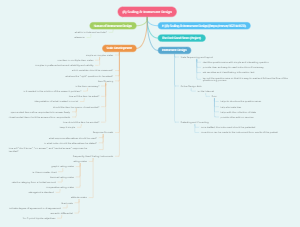
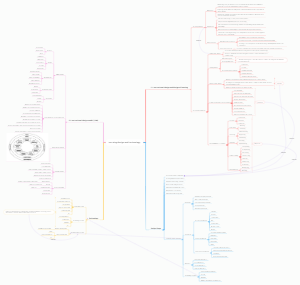
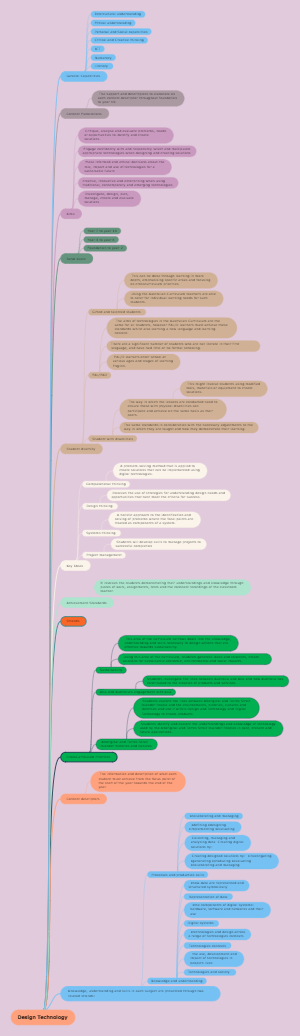
Transform your cloud infrastructure vision into reality with our EdrawMind template. Seamlessly design and plan your cloud architecture, visualize key concepts, and optimize resources for maximum efficiency. Whether you're a cloud architect, IT professional, or business owner, our template provides the tools you need to streamline the design process and build a scalable, resilient cloud environment. From conceptualization to implementation, empower yourself to create an ideal cloud design that meets your organization's unique needs and objectives. Start designing your cloud solution today with EdrawMind and take your digital infrastructure to new heights of performance and reliability.
Edited at 2024-03-23 18:43:13
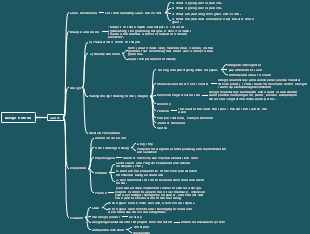
- Procurement Sourcing
This is a mind map about Procurement Sourcing,Main content: Specify tools and techniques to be used for monitoring the delivery and quality of goods or services. Include steps for handling discrepancies or issues in delivery.,Manage Delivery:,Develop a checklist of documents and approvals needed to finalize the contract, ensuring all legal and regulatory requirements are met.,Finalize Contract:,Consider scenarios where multiple rounds of negotiation might be required and plan for contingency mea
- Designing Your Cloud Design
Transform your cloud infrastructure vision into reality with our EdrawMind template. Seamlessly design and plan your cloud architecture, visualize key concepts, and optimize resources for maximum efficiency. Whether you're a cloud architect, IT professional, or business owner, our template provides the tools you need to streamline the design process and build a scalable, resilient cloud environment. From conceptualization to implementation, empower yourself to create an ideal cloud design that meets your organization's unique needs and objectives. Start designing your cloud solution today with EdrawMind and take your digital infrastructure to new heights of performance and reliability.
- Telecom Audit Optimization Process
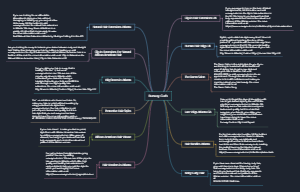
Optimize your telecom audit process with our user-friendly EdrawMind template. This comprehensive tool guides you through the steps of auditing your telecommunications expenses, identifying inefficiencies, and implementing cost-saving measures. From reviewing contracts to analyzing usage data, our template provides a structured approach to telecom audit optimization. Whether you're a telecom manager, IT professional, or business owner, this resource helps you streamline your telecom expenses, improve cost management, and enhance overall efficiency. Start maximizing your telecom budget and optimizing your telecommunications processes today with our EdrawMind template.
Designing Your Cloud Design
- Procurement Sourcing
This is a mind map about Procurement Sourcing,Main content: Specify tools and techniques to be used for monitoring the delivery and quality of goods or services. Include steps for handling discrepancies or issues in delivery.,Manage Delivery:,Develop a checklist of documents and approvals needed to finalize the contract, ensuring all legal and regulatory requirements are met.,Finalize Contract:,Consider scenarios where multiple rounds of negotiation might be required and plan for contingency mea
- Designing Your Cloud Design
Transform your cloud infrastructure vision into reality with our EdrawMind template. Seamlessly design and plan your cloud architecture, visualize key concepts, and optimize resources for maximum efficiency. Whether you're a cloud architect, IT professional, or business owner, our template provides the tools you need to streamline the design process and build a scalable, resilient cloud environment. From conceptualization to implementation, empower yourself to create an ideal cloud design that meets your organization's unique needs and objectives. Start designing your cloud solution today with EdrawMind and take your digital infrastructure to new heights of performance and reliability.
- Telecom Audit Optimization Process
Optimize your telecom audit process with our user-friendly EdrawMind template. This comprehensive tool guides you through the steps of auditing your telecommunications expenses, identifying inefficiencies, and implementing cost-saving measures. From reviewing contracts to analyzing usage data, our template provides a structured approach to telecom audit optimization. Whether you're a telecom manager, IT professional, or business owner, this resource helps you streamline your telecom expenses, improve cost management, and enhance overall efficiency. Start maximizing your telecom budget and optimizing your telecommunications processes today with our EdrawMind template.
- Recommended to you
- Outline