MindMap Gallery Telecom Audit Optimization Process
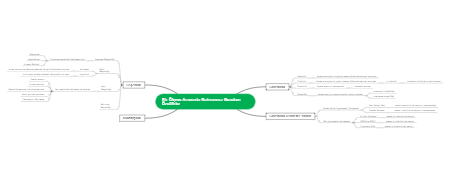
Optimize your telecom audit process with our user-friendly EdrawMind template. This comprehensive tool guides you through the steps of auditing your telecommunications expenses, identifying inefficiencies, and implementing cost-saving measures. From reviewing contracts to analyzing usage data, our template provides a structured approach to telecom audit optimization. Whether you're a telecom manager, IT professional, or business owner, this resource helps you streamline your telecom expenses, improve cost management, and enhance overall efficiency. Start maximizing your telecom budget and optimizing your telecommunications processes today with our EdrawMind template.
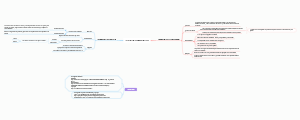
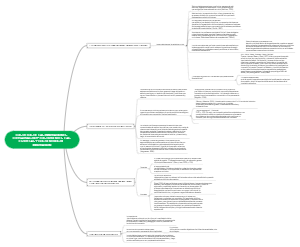
Edited at 2024-03-22 19:53:09This is a mind map about Procurement Sourcing,Main content: Specify tools and techniques to be used for monitoring the delivery and quality of goods or services. Include steps for handling discrepancies or issues in delivery.,Manage Delivery:,Develop a checklist of documents and approvals needed to finalize the contract, ensuring all legal and regulatory requirements are met.,Finalize Contract:,Consider scenarios where multiple rounds of negotiation might be required and plan for contingency mea
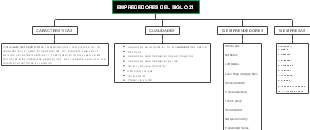
Transform your cloud infrastructure vision into reality with our EdrawMind template. Seamlessly design and plan your cloud architecture, visualize key concepts, and optimize resources for maximum efficiency. Whether you're a cloud architect, IT professional, or business owner, our template provides the tools you need to streamline the design process and build a scalable, resilient cloud environment. From conceptualization to implementation, empower yourself to create an ideal cloud design that meets your organization's unique needs and objectives. Start designing your cloud solution today with EdrawMind and take your digital infrastructure to new heights of performance and reliability.
Optimize your telecom audit process with our user-friendly EdrawMind template. This comprehensive tool guides you through the steps of auditing your telecommunications expenses, identifying inefficiencies, and implementing cost-saving measures. From reviewing contracts to analyzing usage data, our template provides a structured approach to telecom audit optimization. Whether you're a telecom manager, IT professional, or business owner, this resource helps you streamline your telecom expenses, improve cost management, and enhance overall efficiency. Start maximizing your telecom budget and optimizing your telecommunications processes today with our EdrawMind template.
This is a mind map about Procurement Sourcing,Main content: Specify tools and techniques to be used for monitoring the delivery and quality of goods or services. Include steps for handling discrepancies or issues in delivery.,Manage Delivery:,Develop a checklist of documents and approvals needed to finalize the contract, ensuring all legal and regulatory requirements are met.,Finalize Contract:,Consider scenarios where multiple rounds of negotiation might be required and plan for contingency mea
Transform your cloud infrastructure vision into reality with our EdrawMind template. Seamlessly design and plan your cloud architecture, visualize key concepts, and optimize resources for maximum efficiency. Whether you're a cloud architect, IT professional, or business owner, our template provides the tools you need to streamline the design process and build a scalable, resilient cloud environment. From conceptualization to implementation, empower yourself to create an ideal cloud design that meets your organization's unique needs and objectives. Start designing your cloud solution today with EdrawMind and take your digital infrastructure to new heights of performance and reliability.
Optimize your telecom audit process with our user-friendly EdrawMind template. This comprehensive tool guides you through the steps of auditing your telecommunications expenses, identifying inefficiencies, and implementing cost-saving measures. From reviewing contracts to analyzing usage data, our template provides a structured approach to telecom audit optimization. Whether you're a telecom manager, IT professional, or business owner, this resource helps you streamline your telecom expenses, improve cost management, and enhance overall efficiency. Start maximizing your telecom budget and optimizing your telecommunications processes today with our EdrawMind template.
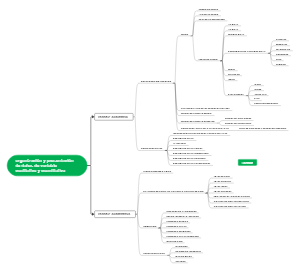
Telecom Audit & Optimization Process
The first step of the process is planning. This helps you to understand what you are trying to achieve and how to go about it.
You should also decide on the type of report that will be produced at this stage, such as a traffic analysis report or a performance optimization study.
When writing reports, it's important to write in a way that makes sense for your audience--your boss, colleagues and customers (if applicable).
The next step is data collection. This is where you gather all the relevant information about your project, including the following:
- Collecting user feedback and interviews
- Running carrier usage tests
- Analyzing existing reports and data
- Reviewing user journeys, site maps and wireframes
- Conducting surveys
- Interviewing stakeholders
- Reviewing analytics data to identify patterns
- Conducting a competitive analysis of your industry
When you have all the data, it's time to analyze your findings and write them up in a report. Make sure that the report is easy to read and understand by keeping things short and simple yet detailed enough to convey meaning. You should also include recommendations for how these insights can be used moving forward.
Collect
The first step of the Telecom Audit and Optimization process is to collect data. This can be done from multiple sources, locations and time periods. In order to get the most comprehensive view of your telecommunications systems, it's important that you gather all available information about how these systems are being used at your organization.
This data collection process can be done in a variety of ways. The first step is to conduct an inventory of all telecommunications equipment and software that is currently being used by your organization. This includes everything from smartphones, desk phones and network equipment to back-end systems like billing systems, provisioning applications and other critical infrastructure components.
Once you have a complete inventory of your current telecommunications systems, it's important to conduct a thorough analysis of how these systems are being used. This will help you identify areas where there may be gaps in service, problems with data quality or other issues that need to be addressed. You can use this information to develop a plan for optimizing your existing infrastructure and implementing new technologies that can help reduce costs over time.
Once you've identified areas where there may be gaps in service, problems with data quality or other issues that need to be addressed, it's time to create a plan for optimizing your existing infrastructure and implementing new technologies that can help reduce costs over time. The first step is to conduct an inventory of all telecommunications equipment and software that is currently being used by your organization. This includes everything from smartphones, desk phones and network equipment to back-end systems like billing systems, provisioning applications and other critical infrastructure components.
-Analyze
-Analyze the data
-Identify trends and patterns in the data
-Determine areas of improvement
-Identify opportunities for improvement
Data analysis is a process that allows you to make sense of the information you have collected. It involves looking at your data and asking questions, such as: Does this data mean what I think it means? How can I use this information to improve my business? The answers to these questions will help you identify trends and patterns in the data, which can then be used to determine areas of improvement and opportunities for improvement.
Recommendation
Recommendations should be based on facts and data. An audit can't offer actionable insights without first collecting information about the current state of your telecom environment. Once you have this data, it's important to understand how it relates to other metrics within your organization. For example, if there are many calls dropping in one department but low call abandon rates overall (meaning customers aren't hanging up), that could indicate a problem with one specific group of employees--or maybe even just one individual who needs training on how best to use their phone system.
The recommendations themselves should be actionable: they should tell you exactly what steps need to be taken next in order for the desired outcome(s) or result(s) to be achieved or realized by an agreed-upon date or timeframe. They should also be measurable so that you can track whether ROCs were achieved successfully after implementing them; furthermore, these measures must provide value over time by showing improvement over previous benchmarks while maintaining consistency across multiple areas simultaneously--for instance, if we're trying improve customer satisfaction ratings but also reduce costs at our call center then we'd want both metrics tracked closely together over time so we know whether our efforts paid off!
All of this is to say: you need to be clear about what you want to achieve before you start talking about how to get there! The job of a consultant is not only to help clients define their business goals but also build a plan that allows them to achieve those goals.
Implementations and change management.
Once you have completed your initial audit, it's time to get started with the optimization process. The first step is to identify what changes need to be made, then plan out how those changes will be implemented throughout the organization. The goal here is to ensure that everyone involved understands what steps need to be taken in order for these changes to occur smoothly without any hiccups along the way. This includes reporting back on progress regularly so that everyone knows exactly where things stand at any given point in time and can adjust accordingly if necessary.
Reporting and monitoring:
Reporting back on progress regularly is also important because it allows you as an auditor or consultant (or whoever else may be helping) see whether there are any issues with implementing new policies or procedures before they become serious problems later down the road--which could mean lost revenue due too much downtime among other things! By keeping tabs on everything happening around us at all times through regular reporting sessions between teams members involved with each project we ensure nothing slips through cracks unnoticed."
Reporting back on progress regularly is also important because it allows you as an auditor or consultant (or whoever else may be helping) see whether there are any issues with implementing new policies or procedures before they become serious problems later down the road--which could mean lost revenue due too much downtime among other things! By keeping tabs on everything happening around us at all times through regular reporting sessions between teams members involved with each project we ensure nothing slips through cracks unnoticed.
Follow a process to audit and optimize telecommunications services and support
-Planning and preparation
-Data collection
-Analysis
-Recommendations
-Implementation (if applicable)
-Reporting and monitoring (ongoing)
Data collection is the first step in any analytics project. It will help determine what is important to you and what you need to measure. Data collection may include things like surveys, interviews, focus groups, etc.
Once you have collected the data, you can begin analysis. The goal of analysis is to find trends and insights in your data that will help you make better decisions in the future. Analysis may include things like statistical tests, predictive modeling, etc.