MindMap Gallery pain
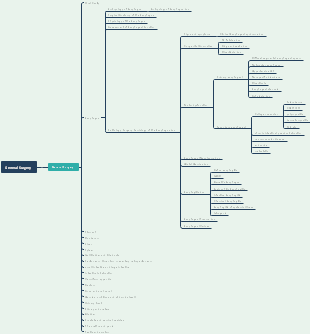
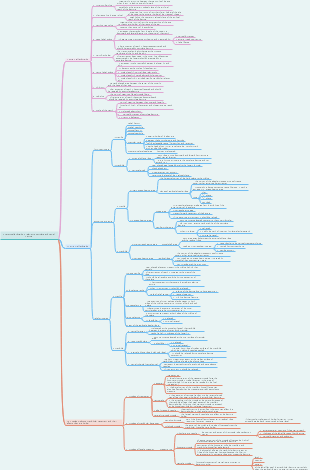
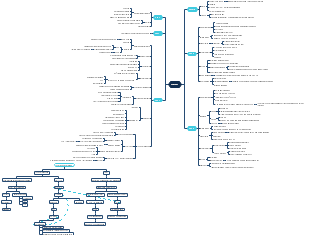
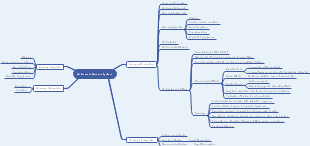
This mind map clearly presents a comprehensive analysis of measuring, managing, types, and theories of pain. Initially, it explains various methods and tools for measuring pain, including both quantitative and qualitative assessments. Next, it details diverse strategies for pain management, such as pharmacological, physical therapy, and psychological interventions. Lastly, the map also covers types and theoretical foundations of pain, like the differences between acute and chronic pain, and the physiological mechanisms of pain transmission. This information is crucial for healthcare professionals to understand and optimize pain treatment.
Edited at 2024-05-05 21:23:51This mind map thoroughly analyzes key concepts such as Kim K., social dilemmas, and related theories. The Kim K. section explores her influence in social media and business; the social dilemma part discusses psychological and moral challenges people face in social settings; the theories section covers psychological and sociological theories explaining these phenomena. Such analysis helps understand complex interactions between contemporary society and media.

This mind map comprehensively introduces the theories and contributions of Henry Jenkins, David Gauntlett, Albert Bandura, and Clay Shirky. Each scholar's section describes in detail their research fields, main achievements, and how these results have impacted modern media and cultural theories. Understanding these scholars' ideas helps grasp contemporary trends in media communication and social interaction.
This mind map clearly presents a comprehensive analysis of measuring, managing, types, and theories of pain. Initially, it explains various methods and tools for measuring pain, including both quantitative and qualitative assessments. Next, it details diverse strategies for pain management, such as pharmacological, physical therapy, and psychological interventions. Lastly, the map also covers types and theoretical foundations of pain, like the differences between acute and chronic pain, and the physiological mechanisms of pain transmission. This information is crucial for healthcare professionals to understand and optimize pain treatment.
This mind map thoroughly analyzes key concepts such as Kim K., social dilemmas, and related theories. The Kim K. section explores her influence in social media and business; the social dilemma part discusses psychological and moral challenges people face in social settings; the theories section covers psychological and sociological theories explaining these phenomena. Such analysis helps understand complex interactions between contemporary society and media.
This mind map comprehensively introduces the theories and contributions of Henry Jenkins, David Gauntlett, Albert Bandura, and Clay Shirky. Each scholar's section describes in detail their research fields, main achievements, and how these results have impacted modern media and cultural theories. Understanding these scholars' ideas helps grasp contemporary trends in media communication and social interaction.
This mind map clearly presents a comprehensive analysis of measuring, managing, types, and theories of pain. Initially, it explains various methods and tools for measuring pain, including both quantitative and qualitative assessments. Next, it details diverse strategies for pain management, such as pharmacological, physical therapy, and psychological interventions. Lastly, the map also covers types and theoretical foundations of pain, like the differences between acute and chronic pain, and the physiological mechanisms of pain transmission. This information is crucial for healthcare professionals to understand and optimize pain treatment.
Pain
Types and Theories of pain
Types
Acute pain - intense and short term ex: childbirth
Chronic pain - persistent, more than 3 months
Psychological pain - umbrella term ex: bf cheats ON YOU
Phantom limb pain
Psychogenic pain
Feels pain and sensation on something that has been amputated
Woman with a breast reduction due to cancer might feel this
stabbing, shooting or throbbing pain
MacLachlan et al
Mirror therapy
Aim: to report the effects of mirror treatment on a person with lower amputation who was experiencing distress
Alan 32 years old
Results
mirror therapy is useful for treating phantom limb pain, patients have free will to control their pain
Gate control Theory
Melzack
This theory suggests that the spinal cord contains a neurological "gate" that either blocks pain signals or allows them to continue on to the brain.
Large fibre activity, increases the inhibitory neurone, which diminishes the transmission of pain information. When there is more large fibre activity in comparison to pain fibre activity, people tend to experience less pain. This means that the pain gates are closed.
**Large fiber = less pain** **small fibre = more pain**
Measuring
McGill pain questionnaire ( PPQ)
About
put a diagram of a human body
asked “ what words would describe your pain”
simple language
used colours to make it easier for small children
used a scale for the child to put a mark on
used images to make it easier to understand
used parents as well ( made them put a mark where their child was feeling hurt) parents conduct the interview
Brudvik et al
Aim: The relationship between kids self reported pain and the intensity reported by their parents and doctor + how age, medical condition and sevirity of pain affect pain intensity estimates
Sample: 243 pediatric patients ager 3-15 ( opp sampled) + parents + 51 doctors
Procedure
Parents + doctors completed a numeric rating scale where they had to rate the pain intensity of the children 0-10
Parents answered demographic questions about the kids ( e.g age?)
Doctors were asked about their own medical experience
KIDS 3-8 completed the Wong-Baker scale ( emoji shit)
KIDS 9-15 completed a colour analogue scale ( green to red and they chose a nr that matches their pain)
Results
Pain raitings were higher for children rating their own pain
Moderate lvl of agreement between children and parents but low between children and doctor
Doctors underestimated the pain of younger children more than the pain of older children
children mean: 5.5. parents mean: 4.8. doctors: 3.2
Wong-Baker scale ( emoji for children)
Managing
Biochemical
analgesics and painkillers can be used to manage pain.
Aspirin and other similar drugs such as ibuprofen have three therapeutic actions: Against pain Against inflammation Against fevers
Opiates and painkillers CLOSE THE GATE PREVENTING PAIN SIGNALS FROM GETTING TO THE BRAIN
psychological
CBT + ATTENTION DIVERSION
The core method of attention diversion to divert attention from pain by refocusing or directing attention to something unrelated to pain
According to the Gate Control Theory, attention diversion can help close the gates and reduce the perceptions
Morley, Shapiro and Biggs (2004) developed a training program which taught patients how to use attention diversion strategies
Usage of imagery and mindfulness: creating a vivid and pleasant image to concentrate
Basic attention management: brief relaxation, internal and external attention focus
Pain coping strategies: coping self-statements, signal breathing
Discussion on dealing pain and relationship to pain and its chronic nature
Alternative : acupuncture, TENS ( stimulation)
Acupuncture
Research has shown that acupuncture can stimulate nerves under the skin and in muscle tissue
This leads into the production of pain-relieving substances such as endorphins
TENS
Battery-operated device that has leads connected to sticky pads called electrodes
When the machine is switched on, the electrodes passes small impulses to areas of the body where you experience muscle pain
These impulses can reduce pain signals passing along nerves and can help the individual relax + releases endorphins